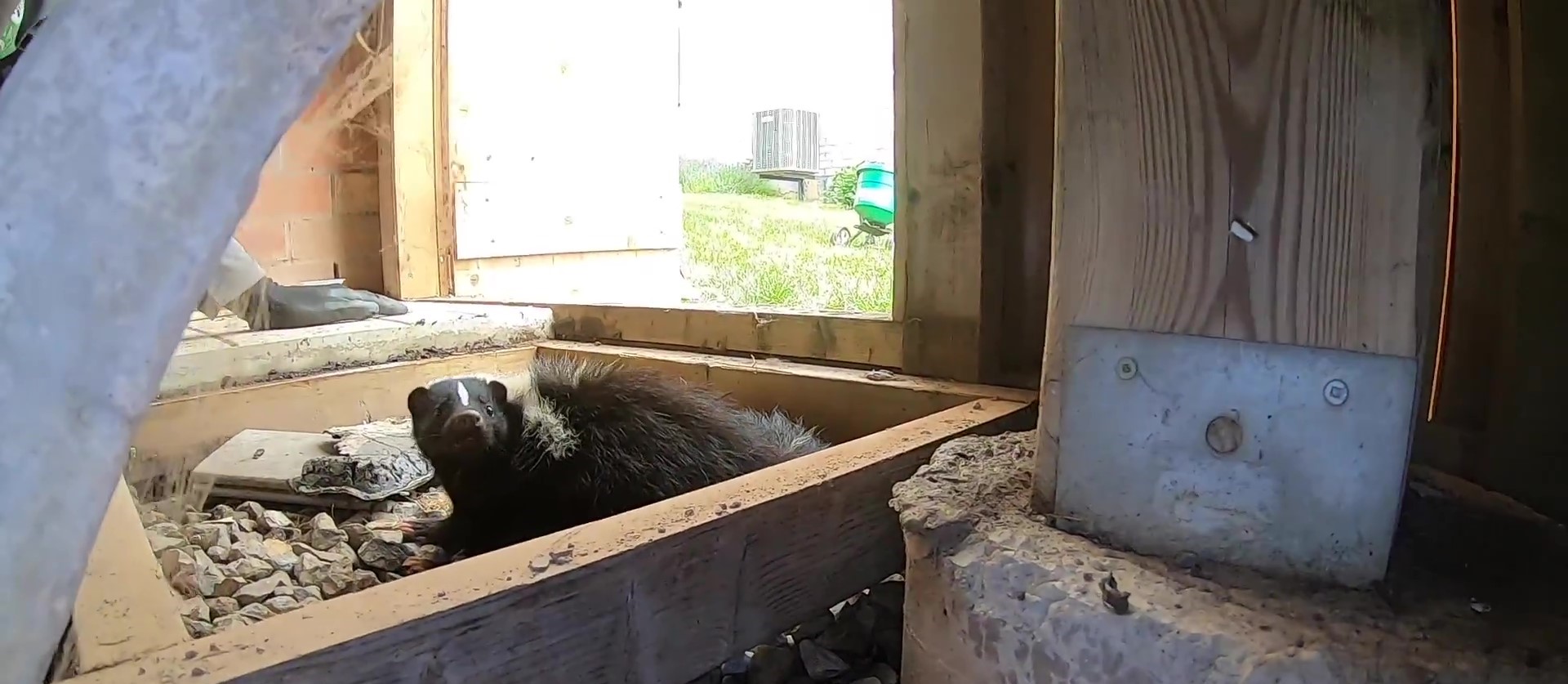
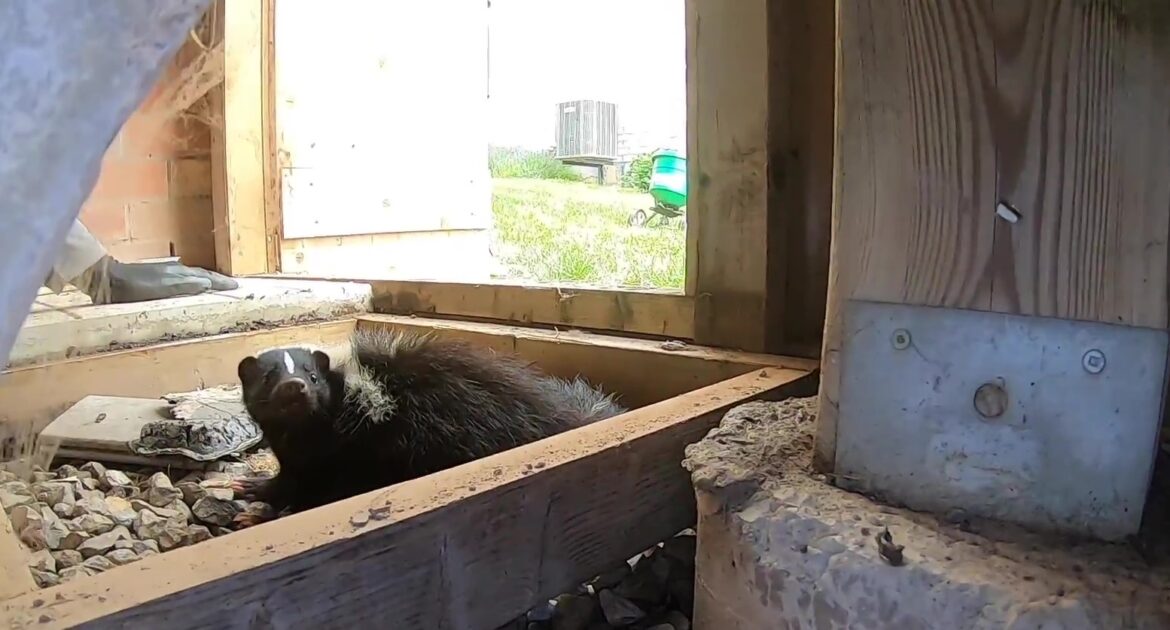
You feel the cold more in January, and you know winter in Barrie hits hard. But you might not think about what nearby animals do when the ground freezes. You may wonder where they go and how they stay warm. When you look at a skunk’s den in frozen ground, you start to see how these animals survive winter and why their den spots matter for your home.
You want to know the real answer to where they den during January, and the truth is simple: they look for any spot that stays warm, quiet, and dry. These places include spaces around your home, under sheds, and even inside wall openings. These January skunk den locations become important because once the ground freezes, they have fewer places to choose from.
You might not see them often, but winter skunk behaviour in Canada changes a lot when the temperatures drop. They don’t fully hibernate. Instead, they enter a lighter sleep and stay inside their dens for long periods. During this time, they gather in groups, use old burrows, or find insulated areas close to homes. At Skedaddle Humane Wildlife Control in Barrie, we see this pattern every year. You want to stay aware of where they hide and how they find a den when the ground freezes solid.
This guide walks you through the most common places they use in January, why these spots matter, and how our team helps protect your Barrie home using humane, safe methods, especially one-way doors that let animals leave but not return.
How Skunks Choose Dens in Frozen Ground
You might think frozen soil makes it impossible for them to dig. But they are smart, and they rarely rely on fresh digging in January. Instead, they search for places already open or partly sheltered. This keeps them warm, safe, and hidden from predators.
Below are the most common den spots, each explained clearly so you know what to watch for.
1. Under Sheds, Decks, and Porches
You see your shed or deck as part of your yard, but they see it as shelter from the cold. These areas give them protection when the ground freezes, making them some of the most popular skunk den locations.
You often see them choose:
- Spaces under sheds
- Gaps beneath wooden decks
- Holes near porch steps
- Gaps under older structures with weak foundations
These areas work well because the frozen soil doesn’t stop them from slipping underneath. The shade from the structure keeps snow away, and the trapped air helps the space feel warmer. They don’t need to dig much here. The space is already open for them.
You may never notice when they move in because they enter early in the morning or late at night. But once they settle in, they stay for long stretches of winter.
2. Abandoned Burrows and Old Ground Openings
You might not realize how much wildlife activity happens underground. Many animals dig burrows through spring and fall. Once those spots are empty, others take over, especially in winter.
This is one of the most common ways skunks den in frozen ground. The soil around an old burrow stays softer than fresh ground because it was dug up earlier in the year. Even when the surface freezes, the deeper area stays workable.
You often see them use:
- Old woodchuck burrows
- Vacant fox dens
- Buried openings near tree roots
- Underground gaps near fences
They rarely dig new tunnels in January. Instead, they slip into openings already made. This helps them save energy and stay safe from the cold. The deeper underground they go, the warmer the temperature stays. This is part of normal winter skunk behaviour in Canada, and it shows how well they adapt to harsh weather.
3. Crawl Spaces and Openings Around Homes
You may not imagine them living close to your home, but your property offers warmth without them having to dig at all. This is why crawl spaces and wall gaps become prime shelter spots.
These spaces often include:
- Openings around foundation lines
- Gaps behind siding
- Crawl spaces beneath older homes
- Holes near utility lines entering the house
Because the ground around your home is often warmer than open soil, they choose these areas during the coldest weeks of January. If warm air leaks out of your home, the area becomes even more attractive.
This is also where problems can happen. You don’t want animals settling close to insulation, wires, or interior walls. When our team responds to calls in winter, these are the most common trouble spots we find.
4. Spaces Under Garages or Steps
You walk over your steps every day without thinking about what’s under them. But to an animal searching for shelter, steps and garages make great winter homes.
These areas include:
- Concrete steps with hollow areas underneath
- Small cracks along garage foundations
- Gaps where old concrete meets soil
- Empty spaces inside older stair structures
They choose these places because the structures block wind and keep snow away. Once they enter, they settle in and remain quiet until temperatures rise again.
This is another common pattern during winter skunk behaviour in Canada, and it’s one reason you may see tracks leading toward your home after a snowfall.
5. Natural Dens Near Trees, Logs, or Rock Piles
When the frozen ground makes digging tough, they look for natural shelter. You often see them hide inside tree-root openings where the soil stays softer or in cavities under logs. Rock piles also work well because they offer dry, insulated space.
These spots include:
- Hollow logs
- Cavities inside tree roots
- Piles of rocks
- Small caves created by shifting soil
These natural spaces stay warmer because they are protected from wind and covered by snow. Snow can act like insulation, keeping temperatures stable inside the den.
Why They Need Multiple Dens in Winter
You may be surprised to learn that they don’t always stay in one place all winter. They often move between different shelter spots depending on temperature, food access, or safety concerns. This is part of normal winter skunk behaviour in Canada and helps them survive the coldest months.
They rotate dens when:
- They sense predators
- Food becomes easier to reach elsewhere
- A den becomes too cold
- The shelter gets too crowded
Because they often travel at night, you may not see them moving from one den to another. But the tracks in the snow tell the story.
How Skedaddle Helps When Skunks Choose Your Property
You want your home to stay safe, and you don’t want wildlife settling into walls, steps, or crawl spaces. When you see signs of activity, you should never try to check the area yourself. Winter dens can be hard to access, and animals may feel trapped if startled.
At Skedaddle, we use humane and proven methods. One of the most important tools we use is a one-way door. This allows the animal to leave but prevents it from coming back in. You don’t have to touch anything or go near any den opening.
Our team handles:
- Finding the den
- Installing humane removal doors
- Securing entry points
- Protecting the space so they don’t return
We also help explain how the den formed and how to keep your property protected through future winters.
How You Can Tell a Winter Den May Be Nearby
Even though you shouldn’t go searching for dens yourself, you can watch for signs from a safe distance.
Some signs may include:
- Strong odours near decks or sheds
- Tracks leading under structures
- Disturbed soil close to concrete edges
- Small gaps near steps or walls
- Noises under floors or outside walls at night
Seeing these signs doesn’t always mean a den is active, but it can show you that animals are using your property as shelter.
When you spot any of these clues, it’s time to reach out to our team so we can safely check the area and protect your home.
Keep Your Home Safe from January Skunk Dens
You want your home protected during the coldest months of the year. When you learn how skunks den in frozen ground, why they choose certain places, and how January den locations form, you can see the importance of quick, safe action. You also understand how winter skunk behaviour in Canada changes when temperatures drop, making warm, hidden spaces more appealing.
Our team at Skedaddle Humane Wildlife Control in York Region is here to help you keep your home safe from winter den problems. You can request an estimate to learn more about how we keep your property protected and secure during the coldest weeks of the season.

 Loading...







