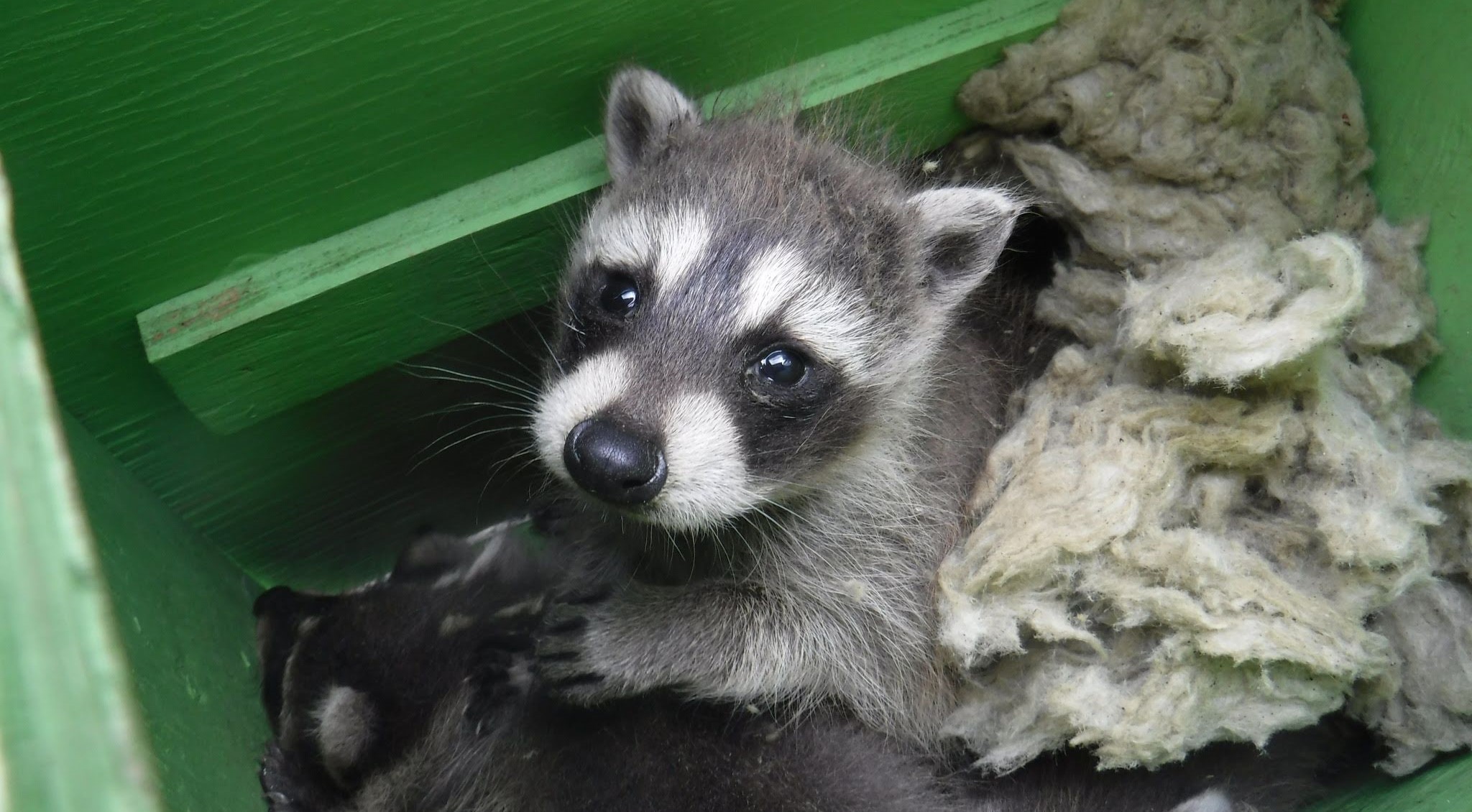
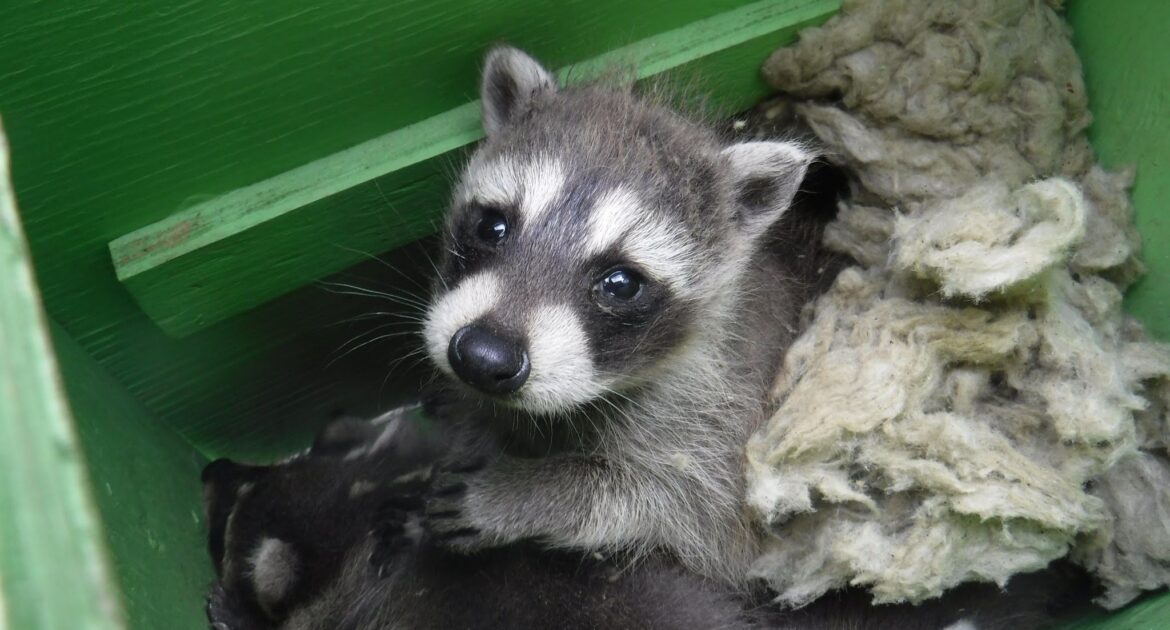
Wildlife activity inside a business can be surprising, but it happens more often than many owners expect. Quiet spaces in commercial buildings can feel safe and undisturbed, especially overnight. This is how baby raccoons in a building can go unnoticed for days or even weeks.
Areas like attics, drop ceilings, storage rooms, and wall spaces offer warmth and protection. When raccoons begin nesting in a business, they often choose these hidden areas to raise their young. Without early signs, activity can increase and lead to damage before the problem becomes obvious.
Spotting the signs early makes a big difference. It helps limit damage, reduce health risks, and protect daily operations. In this blog, we break down the most common signs professionals look for and explain why commercial raccoon removal should always be handled by experienced teams like Skedaddle Humane Wildlife Control in Bowmanville.
Persistent Noises Coming From Ceilings or Walls
One of the first signs of baby raccoons in a building is sound. Unlike adult movement, baby noises are smaller, higher-pitched, and more frequent. These sounds are often heard during quiet times, such as early mornings or overnight.
Chirping, chittering, or soft crying noises may come from:
- Drop ceilings
- Attic spaces
- Upper walls
- Storage or utility areas
These sounds tend to repeat throughout the day, especially when the mother returns to feed. In a business setting, the noise may go unnoticed during operating hours but become obvious after closing. When sounds continue for days or weeks, it often means the young are still present and unable to leave on their own.
Daytime Activity From an Adult Raccoon
Adult raccoons are usually active at night. Seeing one during the day around a commercial building can signal nesting behaviour. When babies are inside, the mother may appear more often and act more boldly.
Signs of daytime activity include:
- Repeated Visits to the Same Roofline or Wall Area: An adult raccoon may return to the same spot again and again during the day. This usually means there is a nest nearby. The animal is checking on the young or bringing food back to them. Frequent visits to one area are a strong sign that babies are present inside the building.
- Aggressive Behaviour When Approached: A mother raccoon becomes very protective when babies are nearby. She may hiss, growl, or move toward people who get too close. This behaviour is different from normal movement and often happens during daylight hours. Aggression is a warning sign that young are being defended.
- Less Fear of People or Noise: Raccoons usually avoid people and loud sounds. When babies are inside, the mother may ignore noise or activity around the building. She may continue moving even when doors open or equipment is running. This lack of fear often points to nesting behaviour.
- Movement Near Vents, Chimneys, or Roof Edges: Daytime movement around vents or roof openings often means access to a nesting area. These spots are common entry points into attics and ceiling spaces. When activity is focused near these areas, it can signal raccoons nesting in a business. Repeated movement suggests the young are inside and still dependent on the mother.
This behaviour often means the animal is protecting young nearby. When raccoons nesting in a business feel threatened, damage can increase quickly as the mother works to defend the den.
Visible Damage Near Rooflines or Entry Points
To create a nesting space, raccoons often widen existing weak points. Commercial buildings may already have vents, roof seams, or siding gaps that allow access.
Damage may include:
- Torn or Bent Vent Covers: Vent covers are often made of thin metal or plastic. A raccoon can bend or tear them to make the opening larger. Once damaged, the vent becomes an easy way into the ceiling or attic spaces. These covers are often the first part of the building to show signs of nesting.
- Lifted Shingles or Flashing: Roof shingles and flashing can loosen over time. Raccoons use their strength to lift these materials and create space underneath. This gives access to the roofline or attic area. Repeated use causes the opening to grow larger and harder to repair.
- Chewed Wood or Insulation: Wood and insulation are often chewed or pulled apart to make room for a nest. Insulation may be packed down or moved to one side. Chewed areas can weaken parts of the building. This type of damage often spreads once babies are present.
- Packed-Down Materials Used for Nesting: Raccoons press down insulation, cardboard, or stored materials to form a flat nesting area. This creates a warm and quiet space for the young. Over time, the nest becomes more compact and noticeable. The longer the nesting continues, the more damage builds up around the area.
This damage usually appears near where the babies are being kept. In many cases, business owners notice the damage before realizing young are inside. Once nesting begins, the area is reused daily, which makes the damage worse over time.
Strong or Unusual Odours Inside the Building
Smell is another key warning sign. When baby raccoons are present, odours can build up quickly in enclosed spaces. Waste, nesting materials, and lack of ventilation all contribute.
Common odours include:
- A strong musky smell
- Sour or musty air near ceilings
- Odours that worsen over time
- A sudden, intense smell if a baby does not survive
In a commercial environment, these smells can spread through ventilation systems or storage areas. Odours are not just unpleasant; they can signal health risks and contamination concerns that should be addressed promptly.
Disrupted Insulation or Ceiling Materials
Raccoons often move and press down materials to create a safe nesting space. In commercial buildings, this usually affects insulation, ceiling tiles, or stored items above work areas. Over time, insulation may be pulled into piles or packed down, and ceiling tiles can begin to sag or shift.
These changes often happen quietly and are easy to miss at first. Small pieces of debris may fall from ceiling spaces, or access panels may loosen as activity increases. Once babies are present, the nesting area becomes busier each day, which raises the chance of damage spreading into nearby areas.
Increased Risk When Entry Points Are Blocked Too Soon
One of the biggest risks with baby raccoons in a building happens when entry points are sealed before removal is complete. If the mother is outside while the babies are still inside, she will try hard to get back in. This often leads to rapid and severe damage to the building.
Babies can also become trapped inside walls or ceiling spaces, which creates strong odours and attracts insects. These situations take longer to resolve and can increase repair needs. This is why professional timing matters. Removal must allow wildlife to exit safely before any permanent sealing takes place.
Why Baby Season Changes Commercial Raccoon Removal
Baby season usually runs from late winter through summer. During this time, young raccoons rely fully on their mother and cannot leave on their own. They stay hidden in nesting areas like ceilings or wall spaces while the mother comes and goes. This makes removal more sensitive and requires careful timing.
Because of this, commercial raccoon removal can take longer during baby season. Planning must protect the young and allow the mother to move them safely before sealing begins. Monitoring is needed to make sure all activity has stopped before closing entry points. While businesses often want quick results, rushing this stage can lead to damage and repeat issues. Proper planning keeps the process humane and helps prevent future problems.
How Professional Commercial Raccoon Removal Works
When baby raccoons are inside a business, professional removal focuses on safety, timing, and long-term prevention. Every step is planned to protect the building while allowing wildlife to leave naturally.
Our professional approach includes:
- Full inspection of the building
- Identification of nesting areas
- Controlled use of one-way doors that allow wildlife to leave but not re-enter
- Careful monitoring until all activity stops
- Securing all entry points once the building is clear
This process avoids panic, damage, and repeated entry. It also keeps businesses compliant with humane wildlife standards.
Why Prevention Matters After Removal
Removal alone is not enough. Once wildlife has exited, prevention ensures the same issue does not return next season.
Our professional prevention focuses on:
- Securing vulnerable roof and wall areas
- Reinforcing common access points
- Repairing damage linked to nesting
- Protecting the entire structure, not just one spot
This approach is especially important for commercial properties, where repeated activity can disrupt operations and increase costs.
Protect Your Business From Baby Raccoons
Ignoring early signs can allow a small problem to grow into a major disruption. Baby raccoons in a building create risks that go beyond noise, including damage, odours, and health concerns. When raccoons nesting in a business are suspected, professional help makes all the difference.
If you suspect wildlife activity or want clarity on next steps, request an estimate to learn more about commercial raccoon removal from Skedaddle Humane Wildlife Control in Bowmanville. Our team provides safe, humane solutions that protect your business and prevent future problems.

 Loading...