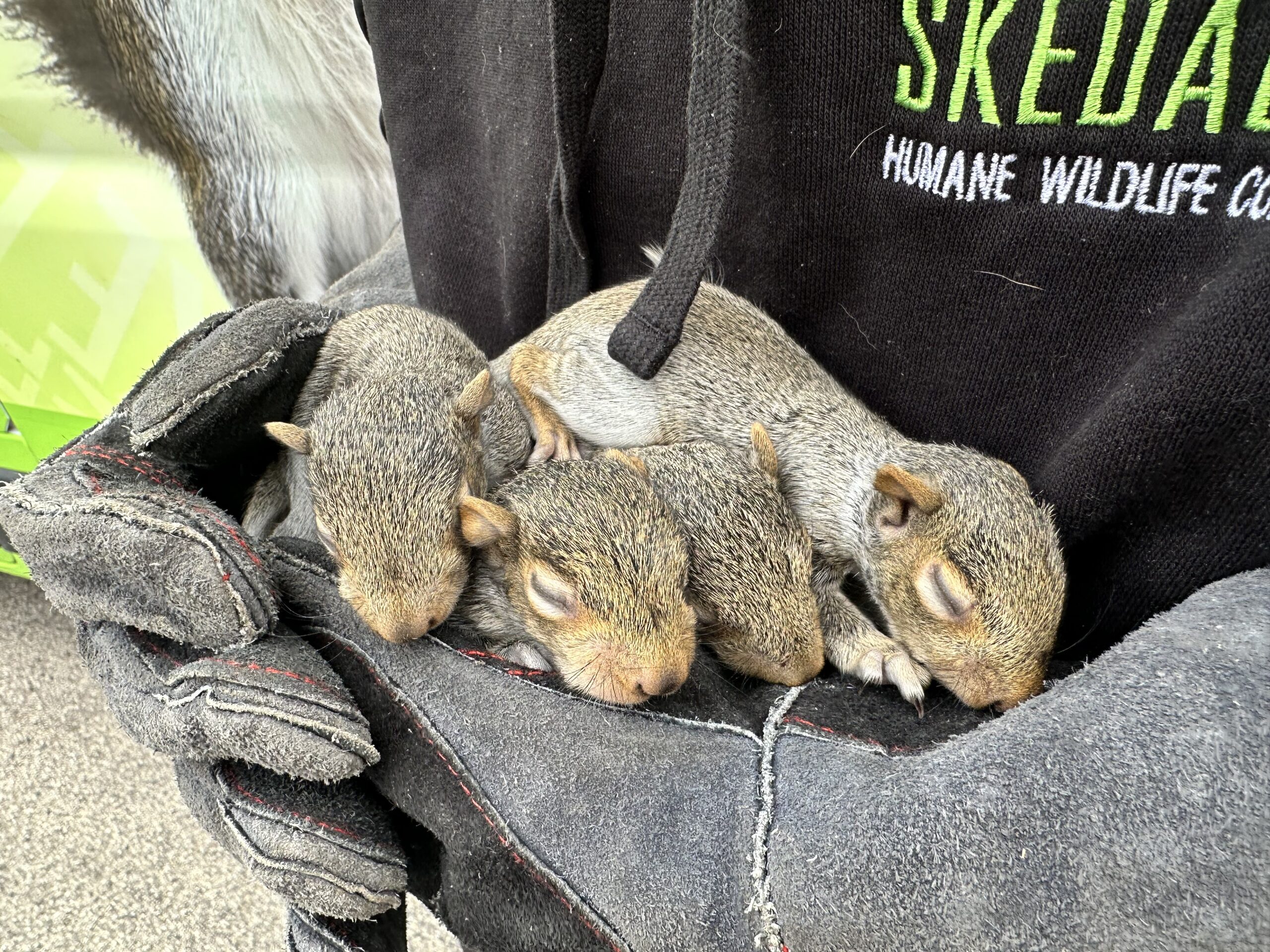
Cold months in Ohio bring big changes outside—shorter days, windy nights, and long stretches of freezing temperatures. What you might not see right away is what’s happening above your head. As the air turns cold, squirrels start looking for warm places to hide.
That search often leads straight to Ohio homes. Many homeowners in Clintonville first notice scratching, chewing, or thumping in the attic, and those sounds usually mean one thing: squirrels damaging Ohio rooflines to get inside.
You may feel the cold the moment you walk outside, but squirrels feel it even faster. They lose body heat quickly and need steady shelter to stay safe. Winter squirrel problems in attics grow quickly because attics stay warm, quiet, and protected from storms. When the weather shifts, the animals move with it, and homes become their number one target. That’s why so many people deal with roof, vent, and insulation damage starting in late fall and lasting through the coldest months.
This guide breaks down how squirrels damage Ohio rooflines, why attics become their winter homes, and what our team at Skedaddle Humane Wildlife Control in Clintonville does to prevent squirrel damage in Ohio safely and professionally.
Cold Air Pushes Squirrels Toward Homes
Cold weather creates a quick chain reaction for squirrels. When food gets scarce, trees lose shelter, and the ground freezes, their usual outdoor homes no longer keep them safe. They need steady warmth, and your roofline becomes the easiest place to find it.
As temperatures drop, squirrels search for warm air leaking from homes. Even tiny gaps around shingles, vents, or roof edges release enough heat for them to notice. They can sense these warm spots from far away and follow them straight to your attic.
They also prefer higher entry points in winter. Rooflines sit above predators, wind, and deep snow, giving them a safe path inside. Once they enter, the attic feels quiet and protected, even in busy homes, making it an ideal place to rest and nest.
When winter hits, squirrels damaging Ohio rooflines isn’t random—it’s a survival move driven by cold, hunger, and the search for shelter.
Chewing Through Rooflines to Create Entry Points
One of the biggest problems during winter is how easily squirrels can chew through building materials. Their teeth grow constantly, so they chew daily to keep them filed down. Unfortunately, that gnawing power is strong enough to break through most parts of a house.
Here are the most common ways they create openings:
- Chew Through Soffits and Fascia: Soffits and fascia boards are often made of wood or thin materials. When squirrels test these areas, they push, scratch, and chew until they find a soft spot. A small gap becomes a large opening within hours. Cold weather makes wood brittle, making damage even easier.
- Rip Up Shingles or Pull Back Flashing: Missing shingles or loose flashing create opportunities. Squirrels can wedge their claws under edges, pull materials upward, and expose the underlayment. Once the layers weaken, they chew through until they reach the attic.
- Break Roof Vents and Gable Vents: Plastic vent covers can’t stand up to their jaws. Even metal screens bend after enough chewing. Warm air escapes through these vents, drawing squirrels right to them.
- Widen Construction Gaps: Homes often have small gaps where roof sections meet. Squirrels slip their claws inside and enlarge those areas to create full entry points.
Each entry point not only allows access but also opens the home to water, snow, and other damage.
Destroying Insulation Inside the Attic
Once squirrels get inside, insulation becomes an easy target. They pull, tear, and shred insulation to build nests that stay warm through winter.
Here’s how insulation damage begins and spreads:
- Insulation Becomes Nesting Material: Squirrels gather large amounts of insulation to build warm piles for resting and raising young. This leaves empty patches across the attic.
- Compressed Insulation Loses Heat: When insulation gets crushed under their weight, its ability to keep your home warm drops. That can lead to drafts and higher heating bills.
- Large Areas Become Torn or Scattered: The longer the animals stay, the more insulation gets pulled apart and spread across the attic floor.
Winter squirrel attic problems often start with a small gap and quickly become major heat-loss issues.
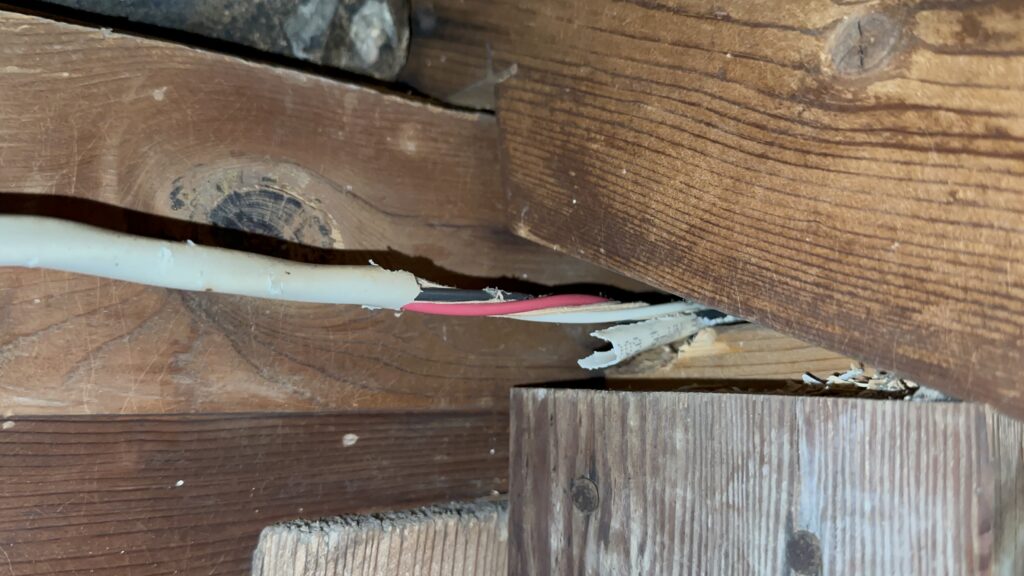
Chewing Electrical Wires: A Major Fire Risk
Squirrels chew wires instinctively because the coating feels similar to bark or twigs. To them, it’s a natural chewing material. The problem is that this habit exposes bare metal and creates one of the most dangerous risks inside an attic.
When insulation gets chewed off the wiring, the metal underneath is left uncovered. Exposed wires can spark, shock, or overheat. Even a small section of damaged wiring has the potential to start a fire, especially in a closed attic where heat builds quickly.
Damaged wires also force electrical systems to work harder. As power struggles to move through weakened spots, heat increases around the wire. This makes the entire area unstable, especially when older wiring is involved.
Nesting materials add to the danger. Squirrels bring in dry insulation, paper, cardboard, and fabric to build nests. These items sit close to wiring and can ignite in seconds if a spark occurs. A small spark that might not matter outdoors can turn into a large fire inside an attic.
Winter storms make the risk even greater. Strong winds and power surges put extra pressure on damaged wiring, and any unstable sections become more likely to spark. With all of these dangers combined, even one squirrel can chew enough wires to create a major fire hazard for a home.
Wood Damage Weakens Roof Structure
Squirrels chew wood for many reasons. They remove it to create openings, shape nests, and keep teeth filed down. Over time, wood damage spreads beyond the entry point and affects the structure of the attic. What starts as a small hole can turn into a weakening of the entire roofline.
Common wood-related issues include:
- Chewed Rafters and Support Beams: Even small chew marks weaken boards, especially when the same spot is chewed again and again. As the damage grows, the beams can no longer support the weight the way they should. When multiple boards are affected, the roof loses strength and becomes more likely to develop serious structural issues.
- Gouges Along Roof Decking: Boards under shingles may become thin or split after being chewed, leaving soft spots you cannot see from the outside. Once decking weakens, moisture and cold air get inside more easily. This makes the roof more likely to leak or warp during winter storms.
- Damage Near Eaves and Corners: These areas carry extra weight from the roof, especially when snow builds up. When squirrels chew here, sagging or leaking becomes more likely because the supports no longer hold firm. The damage can spread into the soffits and fascia, creating more entry points for animals.
When Ohio temperatures drop, wood becomes more fragile. That makes structural problems grow faster and gives squirrels an even easier time breaking through weak spots.
Storing Food Inside Attics
Squirrels often bring food into homes during winter. Attics become safe, dry storage spaces, especially for red squirrels, who are known for caching food. When they move these piles indoors, the problems build up slowly but can spread across the whole space.
Their food storage can cause:
- Attraction of Other Pests: Food piles draw insects and other animals, especially when the food starts to break down. This can lead to even more unwanted wildlife trying to move inside for an easy meal.
- Odors From Spoiled Items: Old nuts and stored food can rot over time, creating musty smells that spread through the attic. These odors often soak into insulation and make the whole space unpleasant.
- Spread of Shells and Debris: This creates messes throughout the attic as squirrels chew through shells and leave scraps behind. The debris can end up in insulation, vents, and corners you never look at.
Food storage seems small, but it adds to the long-term damage already happening inside.
Contaminating Attics With Waste
Where squirrels live, they leave waste. Droppings and urine soak into insulation, wood, and drywall. This contamination spreads odors through the home and can damage materials permanently.
Winter squirrel attic problems often continue for months if not addressed. As long as the animals stay inside, they create more waste, and the attic becomes harder to restore.
How Our Professionals Prevent Squirrel Damage in Ohio
Homeowners should never try to handle squirrels, block entry points, or inspect damage on their own. Our team at Skedaddle Humane Wildlife Control in Clintonville takes care of the entire process safely and professionally. We start by inspecting the outside of your home to find every spot the squirrels are using. From there, we guide the animals out with our humane one-way doors, which let them exit but stop them from getting back inside.
Once the squirrels are out, we seal and secure all entry points using strong, long-lasting materials designed to hold up through Ohio winters. Our work focuses on stopping repeat damage, strengthening vulnerable roofline areas, and protecting your home without disturbing the animals that have moved in.
This approach keeps you safe, keeps your home protected, and stops winter damage from getting worse.
A Safer Way to Handle Winter Squirrel Problems
Winter brings many challenges, and dealing with attic noises or damaged rooflines can feel stressful. But you don’t have to manage any of it yourself. When you see signs of squirrels damaging Ohio rooflines, our team at Skedaddle Humane Wildlife Control in Clintonville is ready to help. We guide animals out safely, protect your home long-term, and prevent squirrel damage in Ohio before the problem grows.
Request an estimate to learn more about how to keep your home protected from winter squirrel attic problems and stop damage before it spreads.

 Loading...