Lifetime Warranty
On workmanship and materials.
Skedaddle Colorado North. We remove wildlife humanely and protect the openings that let it in.
This fall, we help Fort Collins homeowners resolve problems with mice, raccoons, bats and squirrels through humane removal, exclusion, cleanup and attic restoration where needed. From homes near the Poudre River's cottonwood forests and wetlands to properties along the Harmony corridor, our Colorado North team builds each service plan around the animal, its entry points and the condition of your home.
We do more than remove the animal. Our service identifies how wildlife entered, assesses the damage it left behind and protects the serviced areas against re-entry.
From Old Town and West Central to the Harmony corridor, we inspect Fort Collins homes from rooftop to foundation. Our technicians locate active entry points, check weak or damaged areas and assess the spaces wildlife has occupied. We consider previous repairs and signs of recurring activity as part of that assessment. The result is a removal and repair plan based on your building, with our findings and recommended work explained before service begins.
Our technicians receive training in wildlife biology, home repair, decontamination and restoration. This prepares us to address both the animal and the condition of the space it has occupied. We select humane, species-specific removal methods, account for dependent young and determine when openings can be secured. We also explain any recommended cleanup or insulation work, so you have a clear picture of the service from removal through repair.
We stand behind the workmanship and materials used to protect your home. Our lifetime guarantee on all workmanship and materials is subject to the written service terms. We identify those areas in the service scope and explain the coverage before work begins. If an exclusion point needs attention afterward, our follow-up can include inspection or repair of the protected area.
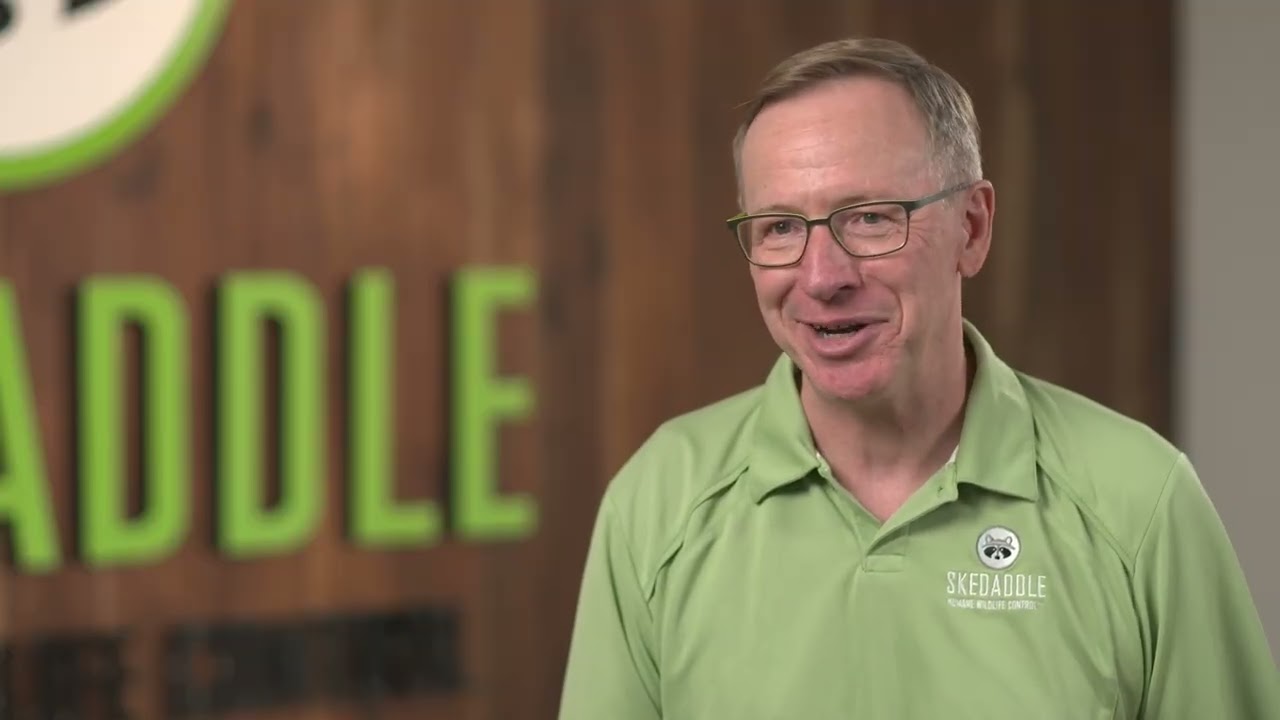
Founder Bill Dowd explains why trapping and relocating wildlife falls short for homeowners and animals alike—and how understanding animal biology shaped Skedaddle’s humane approach.
We provide humane removal for mice, raccoons, bats and squirrels, with methods suited to each animal and the spaces it occupies. Our inspection follows activity around ceilings, chimneys, walls and foundations to locate the access route. Colorado Parks and Wildlife identifies attics, chimneys, vents and foundation openings as important places to check when protecting a home.
At your Fort Collins home, our fall mouse inspection connects indoor activity with garage, foundation and utility openings, including homes beside open land and newer construction along the Harmony corridor. We check those routes before the first hard freeze where possible, while confirming occupancy before sealing. For properties with solar panels, we also consider accessible cable routes: mice can chew insulation on solar wiring. Hantavirus can spread through contact with infected rodent urine, droppings or saliva, so we assess contamination and cleanup needs without assuming every infestation carries disease. Our plan connects humane removal, entry-point protection and affected-material cleanup; any suspected solar electrical damage requires assessment and repair by a qualified professional.
Around Old Town homes and properties near the Poudre corridor, our raccoon inspection follows activity from the occupied space to the access route outside. Where solar panels are present, we check the surrounding roofline because raccoon movement around arrays can disturb roof materials or loosen panel mounts. We check for dependent young and explain humane removal, family reunification where appropriate and protection of the openings used. Colorado relocation rules differ by species, so taking a raccoon far away is not a substitute for a property-specific plan. We address the wildlife access and cleanup while referring suspected solar mounting or electrical damage to a qualified solar professional.
We assess bat activity around your Fort Collins roofline, checking occupied gaps and the conditions that determine when exclusion can proceed. At homes with solar panels, the concern is roost access rather than chewing: bats do not gnaw wires or bring bedding material into a roost. Solar installation or roof work can block access or alter roosting conditions, which we consider when planning the work. White-nose syndrome has been confirmed in Colorado bats, but its fungus does not infect people or pets. We account for dependent young, occupancy and weather, then explain humane exclusion, building repairs and any cleanup needed rather than treating autumn as automatic clearance to seal.
For scratching above an Old Town ceiling or activity near a Fort Collins roofline, we inspect the attic, access points and accessible spaces around any solar panels together. Squirrels can shelter beneath panels, chew wiring and disturb hardware, so we investigate array activity even when no attic entry has been confirmed. We trace the route onto the roof, check for young and assess nesting material and damaged building openings. Our fall plan connects humane removal with cleanup and entry-point protection before winter where conditions allow; we do not close occupied access points prematurely. Work involving the panels, mounting hardware or electrical components requires coordination with a qualified solar professional rather than an assumption that wildlife exclusion includes solar repairs.
Our Fort Collins skunk service starts with the animal and the shelter it occupies: skunks commonly den beneath sheds, garages and house foundations. At a home with rooftop solar panels, we keep that ground-level issue separate from suspected array damage instead of attributing every wildlife concern to the panels. If your property has ground-mounted panels, we can discuss activity around the installation and inspect accessible shelter without assuming the equipment is affected. We check for dependent young, explain humane removal and recommend protection of the den entrance and any cleanup needed. Our approach follows the species-specific plan for your property, not a blanket promise to relocate wildlife, and does not include solar equipment repairs.
Our rat inspection follows activity around Fort Collins garages, outbuildings and foundation openings, including the connections between outdoor shelter and the home. New construction does not replace a property-specific inspection, so we check the actual gaps and accessible routes rather than relying on the age of the building. Where solar panels are present, rats can shelter beneath arrays and damage solar wiring, making accessible cable runs part of the assessment. We explain humane removal, entry-point protection and cleanup of affected materials, with fall work planned around occupancy and conditions. Any suspected electrical damage needs a qualified solar or electrical professional; our wildlife service addresses the rats and their access, not diagnosis of solar-system performance.
For an occupied vent on an Old Town home or activity around a Fort Collins solar array, we identify the birds and inspect the space before recommending work. Birds can nest beneath solar panels, while accumulated droppings can obstruct sunlight and nesting debris can block drainage. We check for eggs or dependent young and explain how nest status affects removal, cleanup and access protection. A fall appointment does not mean a nest is empty or an opening is ready to close. We tailor the wildlife work to the roof and array layout, distinguishing it from panel cleaning, maintenance or electrical repairs that require a qualified solar provider; the proposed access and service scope are confirmed before work begins.
Our Fort Collins team identifies the animal and its entry route through a property inspection. Book an assessment for a clear explanation of the activity, humane removal options and the repairs your home needs.
We serve homeowners throughout Fort Collins, including areas identified in the city's neighborhood, subarea and corridor plans. Our team confirms appointment availability for your property when booking, and our Colorado North service area also includes the surrounding communities listed below in our business details. These Fort Collins neighborhood examples are not an exhaustive list.
We begin with a property assessment, explain what we find and provide service options with a detailed quote. Our inspection connects the animal activity to its entry points, existing repairs and any damage inside, giving you a clear plan for removal, cleanup and protection.
Our written scope identifies the recommended removal, exclusion, cleanup and attic restoration work with its associated pricing. We base restoration recommendations on the condition of the affected space; not every wildlife problem requires a full attic restoration. Book Inspection
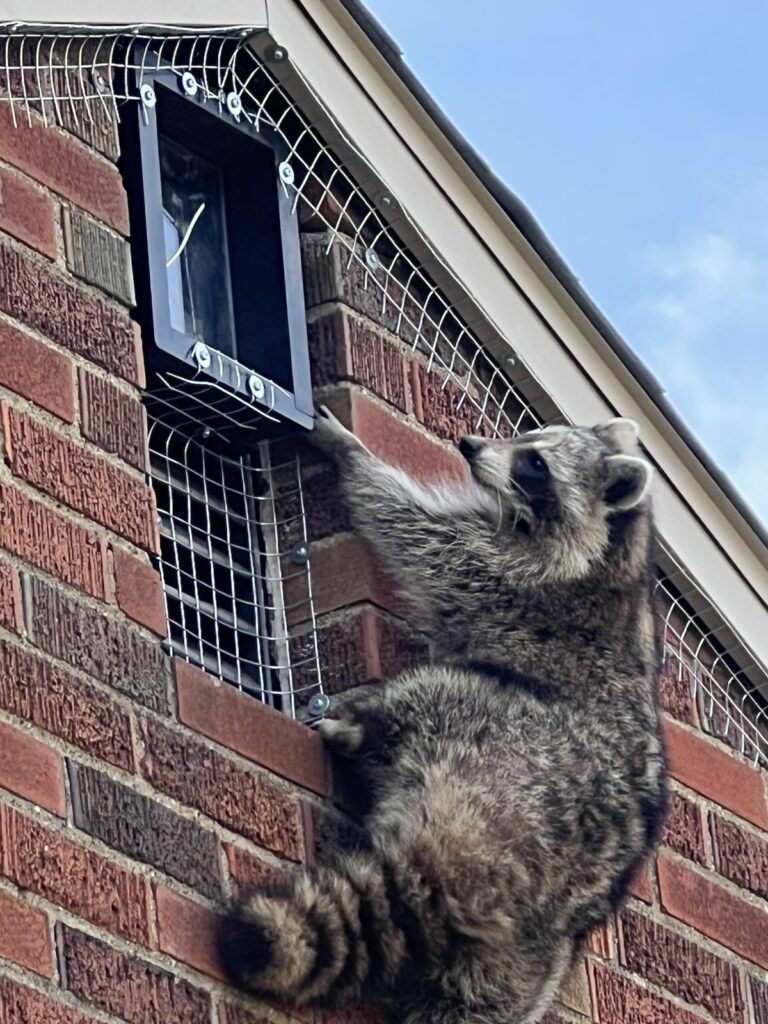

We inspect your home to identify the animal, locate entry points and assess the affected spaces. Whether the activity is near an Old Town chimney or a Harmony corridor utility opening, we trace the access route before selecting humane removal methods. Our plan accounts for the species, any dependent young and the timing needed to complete the work appropriately.
Learn more
We assess droppings, nesting material and other contamination in the spaces wildlife has occupied. Our cleanup recommendation may involve targeted cleaning and decontamination or more extensive removal of affected materials. Where attic insulation is damaged or soiled, we identify the necessary removal, replacement and restoration work in the written scope.
Learn more
Once removal is confirmed, we secure the recommended entry points and address vulnerable areas with durable exclusion materials. Our written scope identifies the openings and repairs included in your service. We back our exclusion work with a lifetime guarantee on all workmanship and materials, subject to the applicable written terms.
Learn moreWe adapt our Fort Collins inspections and removal plans to the season, the species and the conditions at your home. Our seasonal priorities connect humane removal with entry-point protection and the cleanup needed in affected spaces.
| Season | Wildlife focus | Our service focus |
|---|---|---|
| Spring (March–May) |
Raccoons and squirrels | We inspect attics, chimneys and sheltered spaces, checking for dependent young before planning removal and exclusion. |
| Summer (June–August) |
Bats and squirrels | We assess occupied roofline spaces and account for dependent young and species-specific timing before closing access. |
| Fall (September–November) |
Mice, raccoons, bats and squirrels | We trace utility gaps, garage connections and roofline entry points, then plan removal, exclusion and recommended cleanup around the findings. |
| Winter (December–February) |
Mice and ongoing indoor wildlife activity | We investigate activity in walls and attics, assess vulnerable openings and recommend repairs and cleanup suited to the property conditions. |
Quarterly focus: This quarter, we focus on mouse entry gaps and occupied roofline or chimney spaces, from Old Town homes to properties along the Harmony corridor. We check the affected areas before sealing and plan any bat exclusion around roost occupancy and weather. Our written scope brings removal, entry-point repairs and necessary cleanup or insulation restoration together as Fort Collins moves from autumn into winter.
We connect humane removal with the repairs and cleanup that help protect your home. Each part of our service responds to the inspection findings, from the occupied space inside to the opening that gave wildlife access.
We combine hands-on wildlife removal with a full-home inspection and durable exclusion work. A roof opening above an Old Town porch and a gap near the foundation require different assessments, and we match our approach to the animal and structure. One-way devices can be appropriate for bat exclusion, but they are not a universal solution. We determine when removal is complete and the opening is ready for permanent protection.
Our humane process accounts for dependent young as well as the adult animal. We use warming boxes and species-specific baby reunification techniques when appropriate, and check occupied spaces before moving to exclusion repairs. During a fall inspection, we do not treat a quiet interval as proof that a den is empty. Our removal sequence is designed around the animals present and the condition of the space.
Our restoration assessment determines whether your Fort Collins home needs localized cleaning or more extensive removal and replacement of affected insulation. We identify the contaminated areas, explain the materials involved and set out the recommended cleanup in the quote. This keeps the work tied to the actual damage, without treating every wildlife visit as a reason to replace the entire attic's insulation.
We provide a lifetime guarantee on all workmanship and materials. We make the covered areas clear in the written scope and explain the applicable terms before service. When a protected exclusion point needs attention, follow-up can include inspection or repair. This gives you defined protection for the work we complete, rather than an unlimited promise covering every part of the property.
We provide a detailed quote after assessing your property. Pricing depends on the animal, its access points and the work needed for removal, sealing, cleanup and any insulation restoration. Our team explains the findings and recommended services before work begins, with the scope and associated pricing set out in writing.
We schedule inspections according to current availability; same-day removal is not guaranteed. Our team considers the animal's location and whether it has entered a living space when arranging the assessment. Inspection and removal may take place at different times, especially when bat roost occupancy, weather or other conditions affect the work.
We assess the roost and property conditions before scheduling bat exclusion. The Colorado Bat Working Group recommends considering autumn work after maternity colonies disperse, but occupancy and weather still need evaluation. A fall date alone does not establish that exclusion can proceed. If contact with a bat occurred or cannot be ruled out, contact your local health department promptly for advice.
We serve Fort Collins, including Old Town, West Central, Northside, the Harmony corridor, Midtown and the North College corridor. Our Colorado North team also serves Greeley, Loveland, Windsor, Timnath, Severance, Wellington, Estes Park, Berthoud, Johnstown, Evans and Mead. We confirm appointment availability for your property when scheduling.
We identify the species and assess the circumstances before selecting a removal method. Colorado Parks and Wildlife explains that removal and relocation rules vary by species, and local requirements can be more restrictive. Our humane methods are approved by SPCAs and Humane Societies, and our service planning accounts for dependent young, timing and the requirements relevant to the work.
Fall activity can include mice moving indoors, droppings near utility openings and repeated movement around chimneys or the roofline. We inspect these signs to identify the animal and trace how it entered. Our assessment also checks for contamination and insulation damage, so the removal and repair plan addresses the affected space as well as the opening.
We offer a lifetime guarantee on all workmanship and materials and stand behind our workmanship and materials. The written service terms identify the protected areas and applicable coverage. If a serviced exclusion point needs attention, our follow-up can include inspection or repair; unrelated wildlife activity elsewhere on the property is not automatically covered.
We assess the attic for contamination and insulation damage, then recommend targeted cleaning or broader restoration where needed. Our restoration service can include removal of affected materials, decontamination and replacement insulation. We explain the recommended work and include it in the written scope, keeping restoration tied to the condition of your attic.
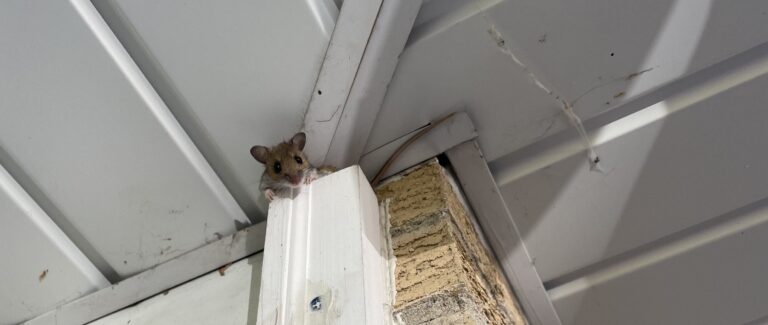
Over the past few weeks, you've noticed tiny droppings along the walls, holes chewed in pantry boxes, and the sound of skittering and scratching…
Read article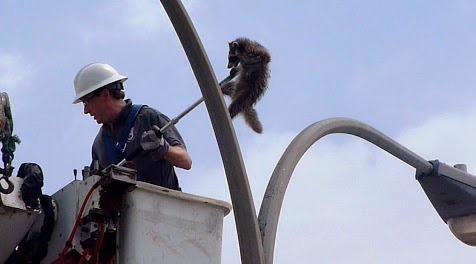
If you hear a scampering, scraping sound in your attic, basement or even in your living area, you may have a wild visitor in…
Read article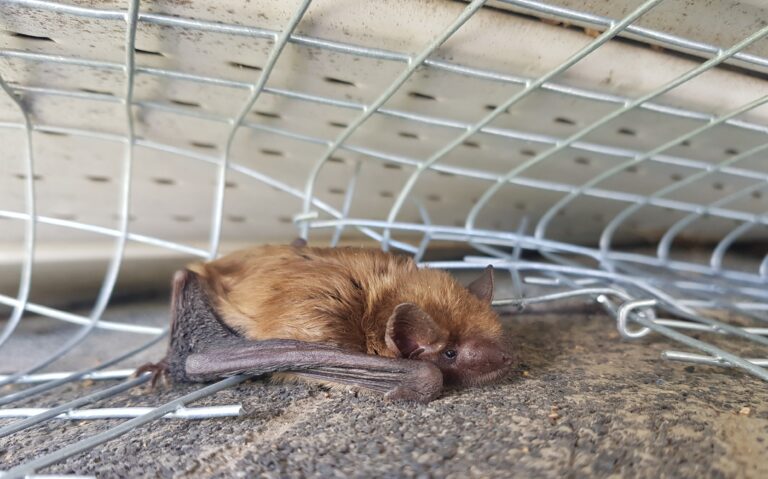
Having bats in your home can be a disconcerting experience. Roosting animals are often loud and destructive. They also expose you and your family…
Read article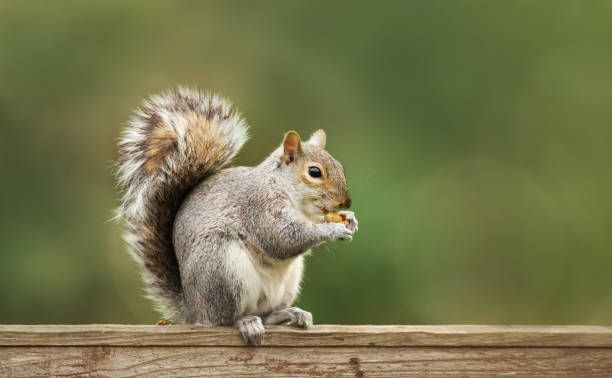
Squirrels are cute, playful creatures that are frequently seen in our neighborhoods throughout the summer months. You probably enjoy seeing the animals frolic in…
Read articleActivity above an Old Town ceiling, a chimney opening or droppings beside a Harmony corridor utility line can point to a wildlife problem. We identify the animal, remove it humanely and complete the recommended sealing, decontamination and attic restoration. Our methods are approved by SPCAs and Humane Societies, with a lifetime guarantee on all workmanship and materials. Call 970-289-1322 or book your Fort Collins inspection to get started.
 menu