Bat Removal in Colorado North | Skedaddle skip to main content
Skip to main content
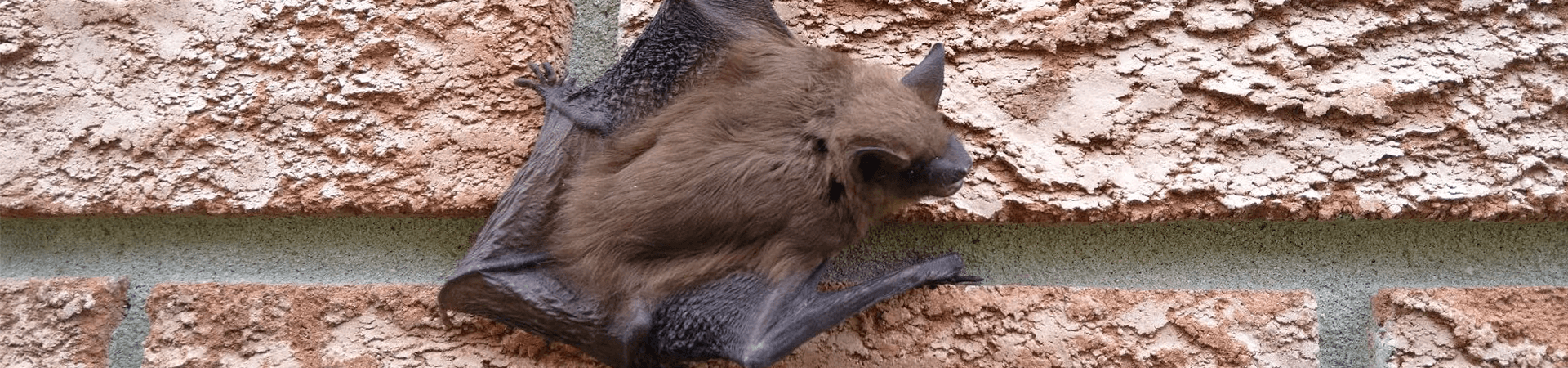
Bat resting on a brick wall

Colorado North Bat Removal

Contact Us
970-289-1322

Monday–Friday: 5:30 AM–7:00 PM

Saturday: 6:00 AM–3:00 PMSunday: 8:00 AM–2:00 PM Mountain Time

Proudly Serving • Fort Collins, Greeley, Loveland, Windsor, Timnath, Severance, Wellington, Estes Park, Berthoud, Johnstown, Evans, Mead
COLORADO NORTH · HUMANE BAT REMOVAL

Humane Bat Removal in Colorado North

Bat removal for Fort Collins, Greeley, Loveland and nearby communities, timed around the colony and finished with a fully sealed roofline.

Skedaddle Humane Wildlife Control: Colorado North removes bats from attics and walls in Fort Collins, Greeley, Loveland and nine nearby communities. We inspect to find every gap the colony uses, plan exclusion around pup season and current guidance, let the bats leave through one-way devices where appropriate and then seal the building. We also remove droppings, with attic restoration where needed.

  • Serving 12 Colorado North communities
  • Part of the Skedaddle network, founded 1989
  • Humane removal and prevention

Why homeowners choose Skedaddle

Bats in the attic raise questions about health, timing and whether the colony can simply be shut out. We answer each one before any work begins.

An inspection built around the colony

Bats can fit through holes as small as a dime, so we search the whole roofline for the hard-to-spot staining and droppings that show where they come and go. Finding every gap lets us plan the exclusion and sealing together instead of closing one opening and pushing the colony to the next.

Humane removal and prevention

We never trap or seal bats inside. When the timing is right, we install one-way devices over their exit points so bats can leave to feed but cannot return, then seal the building once the colony is out.

Workmanship and materials guarantee

Our sealing work carries a lifetime guarantee on all workmanship and materials. Your written scope lists every gap we seal, so you know exactly which work the guarantee covers.

Signs of bats and how they get in

Colorado Parks and Wildlife calls the big brown bat the most commonly encountered bat in Colorado, found especially in towns and cities. At a home, bats are rarely seen; the evidence they leave is what gives a colony away.

Activity signs

Signs worth checking

Scratching or squeaking from the attic or wall cavities during the evening can point to a colony. Outside, watch at dusk for bats leaving the same spot along the roofline. A single bat in a bedroom or hallway is also a clue, since a bat inside the living space almost always came from the walls or attic.

Entry gaps

Likely access points

Bats only need a hole as small as 6 millimeters, about the size of a dime. Soffits, chimneys and vents are common entry points, along with gaps where the roof meets a wall. Unlike rodents, bats do not chew, so they rely on openings that already exist.

Droppings and staining

What the inspection checks for

We look for droppings and dark staining around gaps, which help us find every opening along the roof. Inside, we check how much guano has built up, because bat droppings in attics can pose a health risk if disturbed and need careful removal.

Not sure what is getting in?

Squeaking in the walls could be bats, mice or birds. Tell us what you are hearing and when, and we will confirm the animal and find its entry points during the inspection.

Understanding bats in Northern Colorado

  • Big brown bats
  • Mexican free-tailed bats
  • Eastern red bats
  • Hoary bats

The bat most likely to use a Northern Colorado home is the big brown bat. Colorado Parks and Wildlife describes it as more closely associated with humans and development than any bat in North America, gathering in large summer groups that sometimes take up temporary residence in attics.

Local research shapes how we read the calendar. A study of big brown bats in Fort Collins found they choose roosts in buildings that are warmer than average. The Colorado Bat Working Group also reports that bats do not appear to hibernate in Colorado buildings to any notable extent; CPW notes big brown bats hibernate in rock crevices, mines and caves. Building colonies here are mostly a warm-season issue.

Timing guidance matters for every bat job. Colorado Parks and Wildlife advises against sealing bats out of buildings during pupping season from June to August, and the Colorado Bat Working Group recommends avoiding the birthing window from June to mid-August if possible. We consider the Colorado Bat Working Group's exclusion guidance when assessing seasonal timing for bat work.

For your home, that means we confirm whether a colony is present and whether pups may be inside before choosing a date. A date on the calendar alone never decides that exclusion can go ahead.

What to expect from a Skedaddle inspection

Our inspection covers the roofline, soffits, chimney, vents and attic, and can include watching where bats exit at dusk. We confirm the animal, find every gap the colony uses and assess whether pups may be present. Then we explain our findings and the timing we recommend before work begins.

  • Activity: We confirm that bats are the animal involved and whether a colony is currently roosting.
  • Access: We find active exit points and every other gap a bat could use.
  • Occupied spaces: We assess the roost and the phase of the breeding cycle, including whether flightless pups may be present.
  • Work required: We identify where one-way devices are needed, the sealing required and any droppings or insulation that need attention.

After the inspection, we provide a written quote that separates exclusion, sealing and any cleanup or attic restoration, and sets out the timing for each step, so you can see the full scope before work starts. The quote also lists the openings covered by our guarantee.

Skedaddle's Three-Step Wildlife Removal Process

Step 1

Assess and Remove

We locate the roost and every exit, then assess whether pups may be present before setting a date. When timing allows, we install one-way devices at the active exits so bats leave to feed and cannot return. The Colorado Bat Working Group recommends running them for several days, 5 to 10, before sealing.

Learn more

Seasonal activity and removal timing

Bat timing in Northern Colorado is driven by the colony's year, and it is the main factor in when exclusion can happen. The table separates what bats are doing from what agencies recommend.

SeasonWhat may changeWhat it means for the homeowner
Spring(Mar–May) Big brown bats leave winter sites, and large summer groups begin to form in attics and other structures.Gaps found earlier can be planned for repair, but we confirm no bats are present before sealing anything.
Summer(Jun–Aug) CPW advises against sealing bats out from June to August, and pups learn to fly from about mid-July to early August.Exclusion is generally not recommended in this window. We plan the work for after pups can fly.
Fall(Sep–Nov) The Colorado Bat Working Group suggests waiting, where possible, until the maternity colony has dispersed in autumn.Once pups can fly, exclusion can be considered. We confirm conditions at your home, because a fall date alone does not decide it.
Winter(Dec–Feb) The Colorado Bat Working Group reports that bats do not hibernate in Colorado buildings to any notable extent.Winter is a good time to inspect and plan. A bat found indoors still needs health-department guidance if anyone may have touched it.

These rows summarize biology and agency recommendations, not a legal deadline or fixed removal calendar. This fall, we focus on late-season exclusions and sealing rooflines once colonies have left.

A humane approach to bat removal

Humane bat removal means letting the colony leave on its own and making sure no bats, especially pups, are left behind. That makes timing and patience as important as the sealing itself.

Inspection-led removal

We decide how and when to exclude bats only after we know where they roost, how many exits they use and whether pups may be inside. One-way devices are used only where they suit the opening and the timing is right, never as a default step, and bats are never trapped or sealed in.

Cleanup and repair

Guano can build up in insulation over one season or many. We remove droppings and soiled material, treat the affected area and replace insulation only where it is damaged or contaminated, keeping the work matched to what the inspection found.

Long-term exclusion

Because bats use existing gaps, we seal every opening along the roofline, not just the active exits. Our lifetime guarantee on all workmanship and materials covers the openings we seal. A bat using an untreated part of the building later needs a new assessment.

Ready for a property-specific plan?

Every colony uses a different set of gaps. Book an inspection and we will map the exits, the timing and the cleanup your attic needs, then explain the work before it begins.

Where this service is currently available

Our Colorado North team provides bat removal in Fort Collins, Greeley, Loveland, Windsor, Timnath, Severance, Wellington, Estes Park, Berthoud, Johnstown, Evans and Mead. If your home is near but outside these communities, call with your address and we will confirm availability.

Bats in Northern Colorado favor warm, sheltered spaces. Fort Collins research cited by the Colorado Bat Working Group found big brown bats choosing buildings warmer than average. When you book, tell us where you have seen bats exit or found droppings, and whether a bat has been inside the living space, so we can plan the inspection.

Frequently asked questions about bat removal

How much does bat removal cost?

Cost depends on how many gaps need sealing, how high and spread out they are on the roofline, how long the one-way devices must stay in place and how much cleanup the attic needs. We inspect first and provide a written quote that separates exclusion, sealing and cleanup, so you see the full price before any work starts.

Can you remove bats the same day?

Same-day service is not guaranteed. We schedule inspections based on availability, and exclusion itself takes days because one-way devices need time to work, while pup season can delay the start. Call 970-289-1322 and we will explain the next available appointment and what to expect.

How do you remove bats humanely?

We start with an inspection that finds the roost and every gap. When the timing is right, we install one-way devices so bats leave to feed and cannot return, and we leave them in place long enough for the colony to exit. Then we seal every opening. Bats are never trapped or sealed inside.

Which Colorado North areas do you serve?

Our Colorado North team removes bats in Fort Collins, Greeley, Loveland, Windsor, Timnath, Severance, Wellington, Estes Park, Berthoud, Johnstown, Evans and Mead. Visit our Colorado North wildlife removal page to learn more, or call with your address to confirm availability if you live near these communities.

What does the guarantee cover?

Our bat exclusion work comes with a lifetime guarantee on all workmanship and materials. It covers the sealed gaps listed in your written scope. It is not a promise that bats can never use any part of the building, and a gap outside the scope needs its own assessment.

Is cleanup or attic restoration included?

Cleanup is part of our recommended scope whenever bats have left droppings in a space, and the quote lists it separately. Light deposits may need targeted removal and treatment, while heavily soiled insulation may need removal and replacement. The inspection findings decide which applies to your home.

How do you find where bats are getting in?

We inspect the full roofline, soffits, chimney and vents for the dark staining and droppings bats leave around the gaps they use. Because bats need an opening only about the size of a dime, we can also watch where they exit at dusk to confirm the active entry points before planning exclusion and sealing.

When can bat exclusion be carried out in Colorado?

Colorado Parks and Wildlife advises against sealing bats out of buildings from June to August, when pups are born and raised, and the Colorado Bat Working Group recommends avoiding June to mid-August if possible. We consider that guidance when setting timing and confirm colony conditions at your home before any exclusion begins.

Book your bat inspection

Squeaking in the walls, staining along the roofline or a bat in the bedroom all deserve answers, and timing matters. Our Colorado North team finds every gap, plans exclusion around pup season, lets the colony leave through one-way devices, seals the building and cleans the attic, with restoration where needed. Every sealed opening is backed by our lifetime guarantee on all workmanship and materials.

menu