Lifetime Warranty
On workmanship and materials.
Skedaddle Colorado North. We bring humane wildlife removal, entry-point protection and cleanup together.
Loveland's natural areas include habitat along the Big Thompson River, wetlands, meadows and upland prairie. When wildlife enters your home, we provide humane removal, cleanup and prevention for skunks, squirrels, bats and raccoons. This fall, our Colorado North team identifies the animal, traces its access route and recommends the exclusion repairs and any attic restoration needed to address the affected spaces.
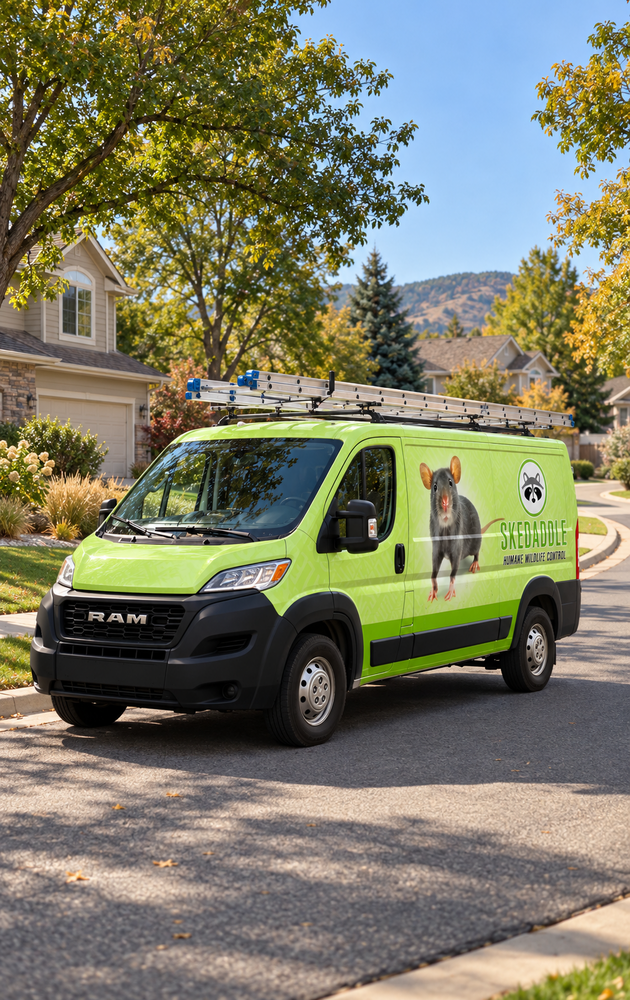
We address the animal, its access route and the spaces it has affected. Our assessment brings humane removal, exclusion repairs and cleanup into one property-specific plan, so the work tackles more than the immediate activity.
Our Loveland inspections follow the evidence from rooftop to foundation. Across downtown's historic residential streets and other parts of the city, we check shed openings, damaged vents, roof edges and other vulnerable areas to identify how wildlife entered. We connect those findings with the activity inside and any previous repairs. Our recommendation is based on your building's condition, not an assumption about its age or neighborhood.
Our technicians are trained in wildlife biology, home repair, decontamination and restoration. That knowledge helps us select humane removal methods and address the condition of the property afterward. We use hands-on techniques and species-specific baby reunification where appropriate, then identify the repairs and cleanup needed. We explain the proposed work and distinguish additional recommendations in the written service scope.
We stand behind our workmanship and materials with a lifetime guarantee on all workmanship and materials. The written scope identifies the openings and parts of the structure we protect, and we explain the applicable terms before work begins. Our follow-up can include inspection or repair of exclusion points when needed, providing defined protection for the work completed at your Loveland home.
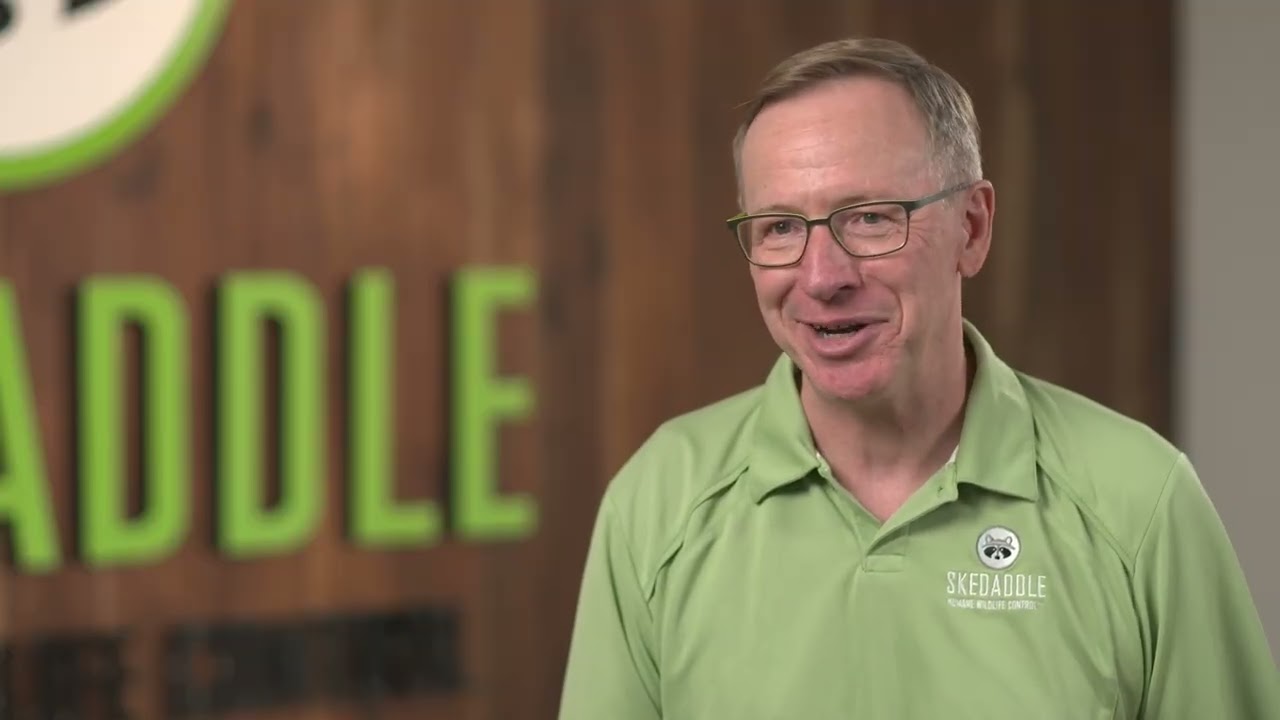
Founder Bill Dowd explains why trapping and relocating wildlife often fails to solve the problem—and how understanding animal behavior and biology led to Skedaddle’s humane approach to protecting homes.
We provide humane skunk, squirrel, bat and raccoon removal in Loveland. Our assessment identifies the animal and the affected structure, then guides the removal method, exclusion repairs and cleanup recommendations.
Our Loveland skunk inspection starts beneath and around the structure, where skunks commonly den under sheds, garages and house foundations. We identify the occupied space, check for dependent young and explain how removal and entrance protection fit together. At a home with rooftop solar panels, we keep this ground-level concern separate from suspected array damage rather than assigning every wildlife issue to the panels. If your property has ground-mounted panels, we can discuss activity around the installation and assess accessible shelter without assuming equipment damage. Our recommendation covers the skunks, the serviced den entrance and cleanup where needed; it does not include solar repairs or a blanket promise to relocate wildlife.
For a Loveland home with scratching near the roof or chimney, we trace the activity across the attic, roofline and accessible spaces around any solar panels. Squirrels can shelter beneath panels, chew wiring and disturb hardware, so we assess an occupied array even when the building interior appears unaffected. We check for young, investigate the route onto the roof and explain the removal and protection needed at the openings we identify. Before winter, our aim is to connect humane removal with timely exclusion and cleanup, not to close an occupied space. Panel handling, mounting work and electrical repairs require a qualified solar professional and a separately confirmed scope.
At Loveland homes, our bat assessment considers the occupied roofline space and any planned work around a solar array. Bats do not gnaw wires or bring bedding material into a roost, so we distinguish their presence from rodent-style wiring damage. Solar installation and roof work can affect roost access and conditions, making occupancy and the sequence of repairs important to the plan. White-nose syndrome has been confirmed in Colorado bats, but the fungus does not infect people or pets. We check for dependent young, evaluate weather and explain appropriate exclusion timing. Any building repairs and cleanup follow the findings; the arrival of autumn alone does not mean a roost opening is ready to seal.
At Loveland properties near the Big Thompson corridor and elsewhere in the city, we inspect the den and surrounding access before choosing a raccoon-removal method. Where solar panels are installed, raccoon movement around the array can disturb roof materials or loosen panel mounts, so our assessment connects roof activity with the occupied attic, chimney or other space. We account for dependent young and explain humane removal, family reunification where appropriate and the repairs needed at serviced entry points. We recommend cleanup according to the affected materials and refer suspected solar mounting or electrical damage to a qualified professional.
Our Loveland mouse service follows the connections between outdoor shelter, utility gaps, garages and the indoor spaces showing activity. For newer homes as well as established properties, we inspect the actual openings rather than treating the building's age as proof of protection. With solar panels present, mice can chew insulation on solar wiring, so accessible cable routes deserve attention during the assessment. Hantavirus can spread through contact with infected rodent urine, droppings or saliva, making contaminated-material assessment part of the cleanup discussion without assuming every infestation carries disease. We plan humane removal and exclusion before the first hard freeze where possible, confirming occupancy before sealing and leaving solar electrical assessment or repair to a qualified professional.
We investigate rat activity at Loveland garages, foundations and outbuildings, tracing the access route rather than stopping at the room where signs appeared. If your home has solar panels, rats can shelter beneath arrays and damage solar wiring, so our assessment also considers accessible roof spaces and cable runs. We explain what the inspection establishes, which building openings need protection and whether affected nesting material or insulation requires cleanup. Fall work is planned around the animals present and the conditions at the property, not a deadline to seal occupied gaps. Any suspected solar electrical fault is referred to a qualified professional; our service addresses the wildlife and its access rather than promising panel repairs or improved system output.
For birds using a Loveland vent, ledge or rooftop array, we inspect the occupied space and identify the species before recommending work. Birds can nest beneath solar panels, while accumulated droppings can block sunlight and nesting debris can obstruct drainage, which makes array activity relevant even without entry into the attic. We check for eggs and dependent young, explain the available removal and exclusion options and assess cleanup of affected areas. Autumn does not by itself establish that a nest is empty. Our proposed work depends on the array layout, safe access and nest status, with panel cleaning, maintenance and electrical repairs kept separate for a qualified solar provider.
Our team identifies wildlife activity and traces the access route at your Loveland property. Book an inspection for a removal and repair plan without having to investigate roof openings or confined spaces yourself.
We serve Loveland homeowners, including downtown locations and the areas listed below. These examples are not an exhaustive neighborhood directory. Our team schedules inspections throughout Loveland and the surrounding Colorado North communities listed in our business details.
We begin with a property assessment and explain our findings, service options and pricing. Our plan addresses humane removal, the openings that need protection and any cleanup or restoration required in the affected spaces.
Our quote sets out the recommended removal, exclusion, decontamination and attic restoration work with its associated pricing. We base each recommendation on the affected structure and the inspection findings, rather than assuming every property needs the same service. Book Inspection
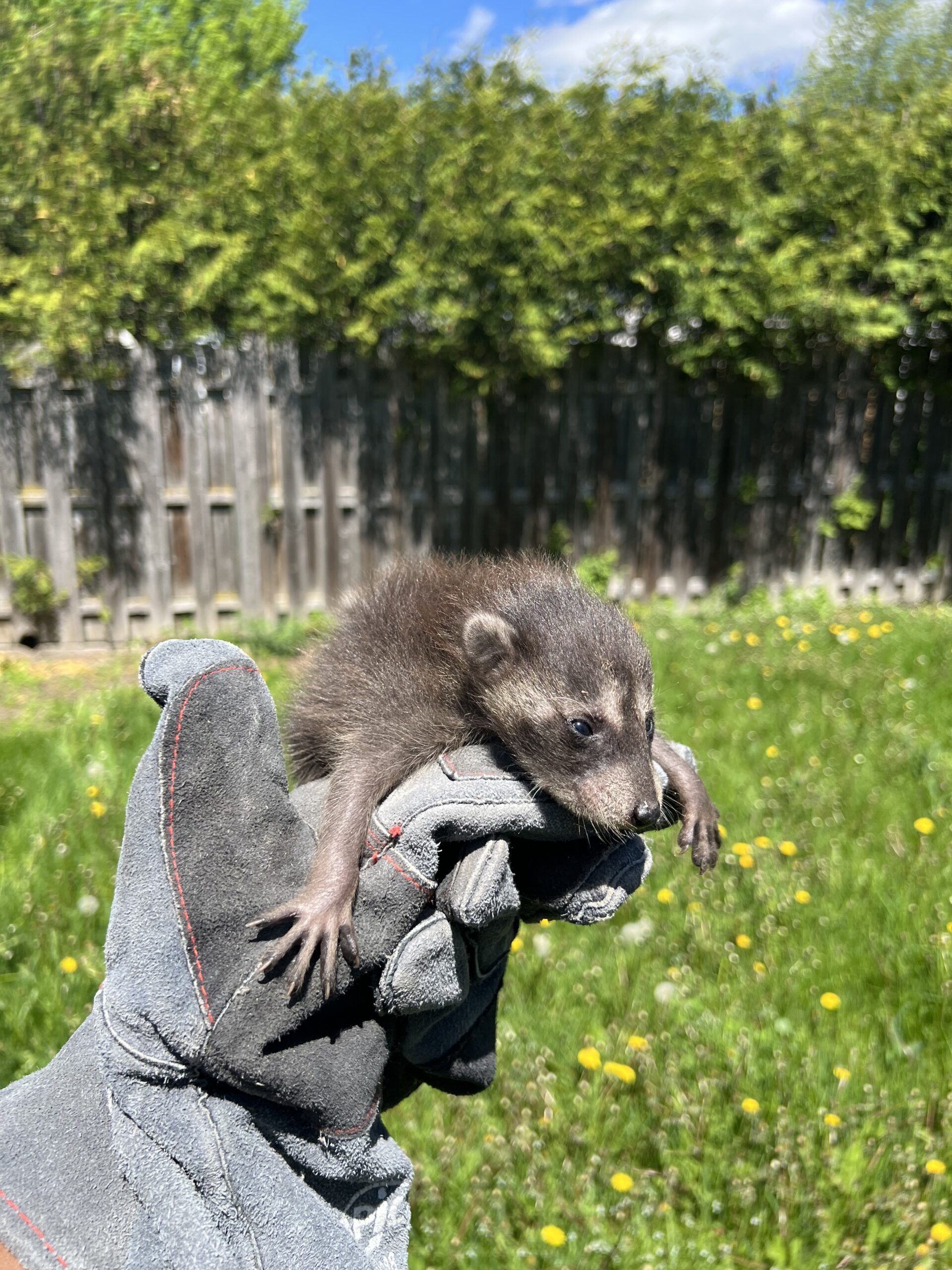

We inspect the property to identify the wildlife, its access routes and the extent of the problem. A shed den, chimney opening or roofline roost each requires its own assessment. We match humane removal to the species and conditions, accounting for dependent young and the timing needed to complete the work appropriately.
Learn more
We check the areas wildlife occupied for contamination and damaged materials. Depending on the findings, our cleanup may include removing droppings and nesting debris, decontamination and targeted cleaning. Where attic insulation is affected, we recommend the necessary removal, replacement and restoration as part of the agreed service scope.
Learn more
We secure the recommended openings and address vulnerable areas once the space is ready for sealing. Durable exclusion materials and repairs protect the serviced parts of your building. Our written scope identifies that work, which we back with a lifetime guarantee on all workmanship and materials under the applicable terms.
Learn moreWe adjust our Loveland service plans to seasonal conditions without assuming every occupied structure needs the same solution. Our inspections cover sheltered dens, attic and chimney access, and the removal and cleanup appropriate to each animal.
| Season | Wildlife focus | Our service focus |
|---|---|---|
| Spring (March–May) |
Skunks, squirrels and raccoons | We inspect dens and access points around houses and outbuildings, checking for dependent young before planning removal. |
| Summer (June–August) |
Bats and occupied attic or denning spaces | We assess roost occupancy and the animals present, selecting species-appropriate timing before removal and entry-point repairs. |
| Fall (September–November) |
Skunks, squirrels, bats and raccoons | We check shed foundations, chimneys and roofline openings, with removal, exclusion and cleanup tailored to the affected structure. |
| Winter (December–February) |
Rodents and ongoing activity around buildings | We investigate reported activity, assess access routes and recommend protection and cleanup based on the occupied spaces and property conditions. |
Quarterly focus: Q4 (October–December 2026): Through Q4, we focus on occupied openings beneath Loveland sheds and garages, chimney access and suspected roofline roosts. From West Fifth Street to homes near the Big Thompson corridor, we assess each structure before choosing the repair. Bat exclusion depends on occupancy and weather, while cleanup and restoration are recommended only for the spaces and materials affected.
We connect humane wildlife removal with the work needed to protect your home afterward. Our plan covers the occupied space, the exterior access route and the cleanup or restoration recommended from the inspection.
Our approach combines hands-on removal, entry-point inspection and durable exclusion repairs. A skunk den beneath a shed near West Fourth Street may call for a one-way device or hands-on work involving young, while a roof roost requires bat-specific timing and methods. We select the tools for the species and circumstances, then confirm when the space is ready for sealing.
We check for dependent young during den assessments and use warming boxes and species-specific baby reunification techniques where appropriate. At a Loveland deck, garage or chimney, our plan accounts for the family rather than only the adult seen entering or leaving. Even during fall work, we do not rely on a quiet interval to conclude that a den is empty. That assessment guides removal and the timing of repairs.
We evaluate contamination and damage before recommending spot cleaning or more extensive attic restoration. Our findings identify which materials are affected and why removal, decontamination or replacement insulation is needed. At a Loveland property with both a house and an outbuilding, we assess the affected structures separately. A den beneath a shed does not automatically mean the home's attic requires restoration.
We provide a lifetime guarantee on all workmanship and materials. We identify the vents, roof openings, foundation gaps or other access points covered by your written scope. Our team explains the applicable terms and provides inspection or repair of serviced exclusion points when needed. The protection applies to the work completed, not every future wildlife concern on the property.
We provide a detailed quote after assessing your Loveland property. Pricing reflects the work needed to remove the animal, secure entry points and address affected materials. Our written scope identifies the recommended cleanup and any attic restoration, with the findings, service options and associated costs explained before work begins.
We schedule inspections according to current availability and do not guarantee same-day removal. Our assessment establishes the appropriate sequence for removal and repairs. Bat exclusion, for example, depends on roost occupancy and weather, so the inspection date may differ from the date all work can proceed.
We assess the roost and conditions at your property before planning exclusion. Colorado Bat Working Group guidance recommends considering autumn work after maternity colonies disperse, but occupancy and weather still determine the appropriate timing. For possible bat contact, seek local health-department guidance promptly rather than waiting for a routine removal appointment.
Yes. We serve Loveland beyond the neighborhood examples listed on this page, including downtown residential streets, West Fourth Street, West Fifth Street and the First Street and Taft Avenue area. Our Colorado North service area also includes Fort Collins, Greeley, Windsor, Timnath, Severance, Wellington, Estes Park, Berthoud, Johnstown, Evans and Mead. We schedule appointments according to current availability.
We identify the animal before choosing a removal method. Colorado Parks and Wildlife explains that requirements differ by species and more restrictive local rules may apply. Our humane methods are approved by SPCAs and Humane Societies, and our plan accounts for dependent young, timing and the requirements relevant to the work at your home.
Repeated activity near a shed or chimney, an opening that appears occupied or a suspected roofline roost can indicate a wildlife problem. We inspect these signs to identify the animal and determine how it entered. For fall bat concerns, our assessment also establishes roost conditions and appropriate timing before exclusion or sealing proceeds.
We offer a lifetime guarantee on all workmanship and materials and stand behind our workmanship and materials. The written scope identifies the protected parts of your building, with coverage governed by the applicable service terms. Our follow-up can include inspection or repair of an exclusion point when needed; unrelated future wildlife activity elsewhere is not automatically covered.
We assess droppings, nesting debris and contaminated materials to determine the cleanup needed after removal. Our recommendations may involve targeted cleaning, decontamination or broader restoration, including replacement of affected attic insulation. The work varies between attics, wall openings and spaces beneath structures, and we identify the recommended services in your written quote.
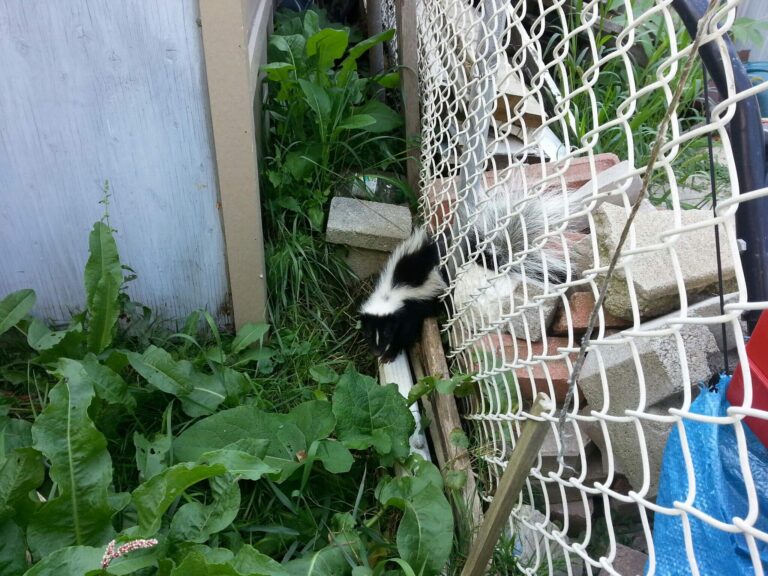
Skunks are generally non-aggressive animals that prefer to be left alone. Unfortunately, if a skunk takes up residence on your property, it increases the…
Read article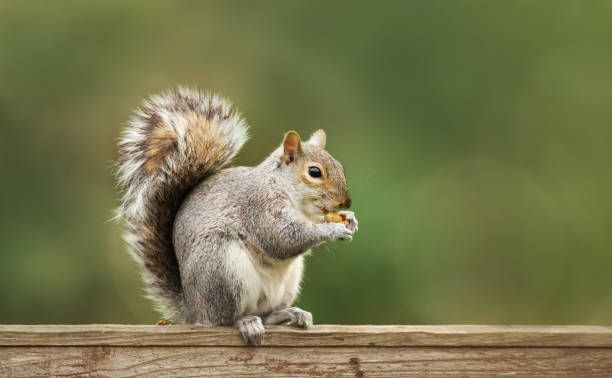
Squirrels are cute, playful creatures that are frequently seen in our neighborhoods throughout the summer months. You probably enjoy seeing the animals frolic in…
Read article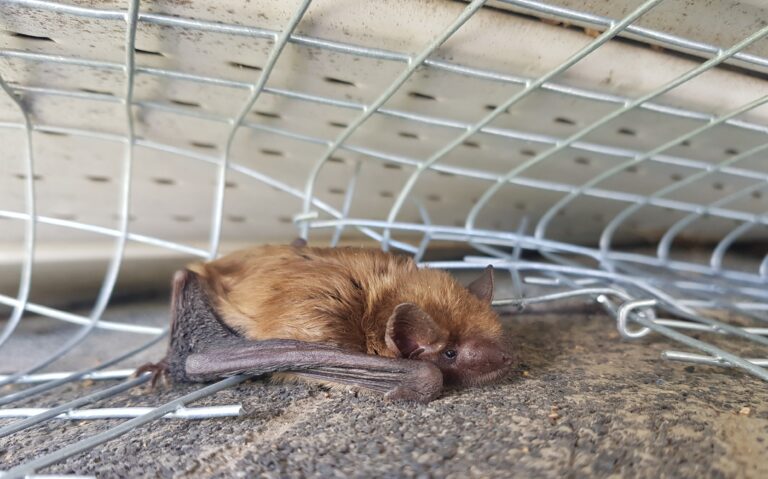
Having bats in your home can be a disconcerting experience. Roosting animals are often loud and destructive. They also expose you and your family…
Read article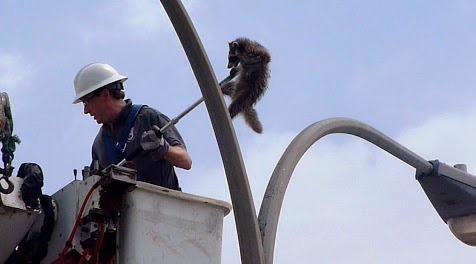
If you hear a scampering, scraping sound in your attic, basement or even in your living area, you may have a wild visitor in…
Read articleFrom a shed opening near West Fifth Street to chimney activity or a suspected roost beside the Big Thompson corridor, our Loveland team addresses the animal and the affected structure. We provide humane removal, exclusion, decontamination and attic restoration where needed. Our methods are approved by SPCAs and Humane Societies, with a lifetime guarantee on all workmanship and materials on serviced areas. Book your fall inspection and let us build a plan for your home.
 menu