Squirrel Removal in Colorado North | Skedaddle skip to main content
Skip to main content
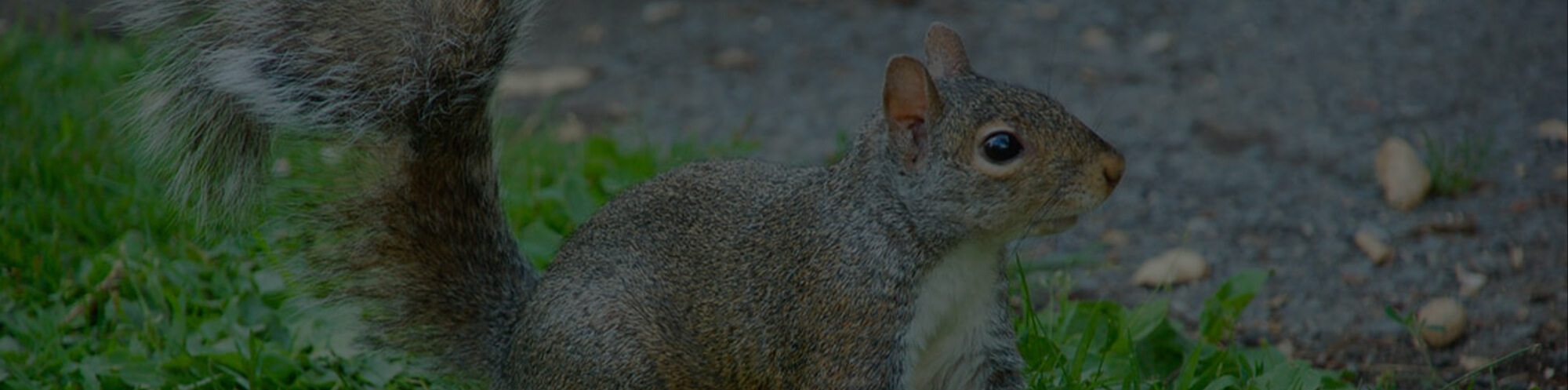
Squirrel sitting on the ground with its tail raised

Colorado North Squirrel Removal

Contact Us
970-289-1322

Monday–Friday: 5:30 AM–7:00 PM

Saturday: 6:00 AM–3:00 PMSunday: 8:00 AM–2:00 PM Mountain Time

Proudly Serving • Fort Collins, Greeley, Loveland, Windsor, Timnath, Severance, Wellington, Estes Park, Berthoud, Johnstown, Evans, Mead
COLORADO NORTH · HUMANE SQUIRREL REMOVAL

Humane Squirrel Removal in Colorado North

Squirrel removal for Fort Collins, Greeley, Loveland and nearby communities, from the chewed opening to the attic cleanup.

Skedaddle Humane Wildlife Control: Colorado North removes squirrels from attics, walls and rooflines in Fort Collins, Greeley, Loveland and nine nearby communities. We inspect from foundation to roof to find every opening and check for young, then remove the squirrels humanely, screen the entry points and clean soiled insulation, with attic restoration where it is needed.

  • Serving 12 Colorado North communities
  • Part of the Skedaddle network, founded 1989
  • Humane removal and prevention

Why homeowners choose Skedaddle

Squirrels in the attic raise two questions right away: how they got in and whether a nest of young is up there. We answer both before any work begins.

An inspection from foundation to roofline

Squirrels can chew or squeeze through small holes anywhere on a house, so our technicians complete a 35 to 50 point inspection to identify every potential entry. That lets us plan removal, screening and cleanup together rather than patching only the hole you noticed.

Humane removal and prevention

We choose the removal approach after the inspection. When babies are present, we remove them by hand and place them in a baby reunion box that keeps them safe and warm until their mother collects them. Once the family is outside, we block the way back in.

Workmanship and materials guarantee

Our exclusion work carries a lifetime guarantee on all workmanship and materials. Your written scope lists every opening we screen and seal, so you know exactly which work the guarantee covers.

Signs of squirrels and how they get in

Colorado Parks and Wildlife describes the fox squirrel as common in urban and suburban areas statewide. Around a home, squirrels give themselves away through the timing of their noise and the openings they chew.

Activity signs

Signs worth checking

Squirrels keep daytime hours, so you are most likely to hear scratching and scampering overhead at sunrise and again at sundown as they leave and return to the den. Outside, look for chewed holes at the roof edge and squirrels disappearing under a soffit or into a vent.

Entry routes

Likely access points

Squirrels chew openings into your attic through soffits, fascias and vents, and they only need a two inch gap to squeeze inside. They reach the roof from tree limbs and power lines, which is why Colorado Parks and Wildlife recommends trimming branches that hang over buildings.

Damage and contamination

What the inspection checks for

At the den site we look for chewed electrical wiring, soiled insulation and structural damage. We also check how far nesting material has spread, because squirrels and their nests carry ticks and fleas that can bother pets and people.

Not sure what is getting in?

Scratching in the morning could be a squirrel, a bird or a mouse. Tell us when and where you hear it, and we will confirm the animal and its entry point during the inspection.

Understanding squirrels in Northern Colorado

  • Squirrels

Colorado Parks and Wildlife lists three tree squirrels in the state. The fox squirrel, about 20 inches long and deep rust to gray, is the one living in neighborhood trees. Pine squirrels keep to high timber forests and Abert's squirrels to ponderosa pine, so homes in the mountains around Estes Park can see different squirrels than homes on the plains.

Squirrels have powerful teeth that are constantly growing, and aluminum, vinyl and wood are no match for them. Mature street trees and power lines give them a route to the roof, and once a squirrel finds a weak spot in a soffit or vent it can make the opening larger with its teeth and claws.

Colorado rules also shape the plan. Colorado Parks and Wildlife allows a tree squirrel to be relocated only within 10 miles of where it was caught, with advance notice to CPW and the release landowner's permission. Our squirrel work is built around exclusion instead: once the way back inside is closed, the mother moves her young to another nest site.

For your home, that means we treat an active nest as a possible nursery, check for young before closing any opening and pair removal with the screening and cleanup the attic needs.

What to expect from a Skedaddle inspection

Our inspection covers the roofline, soffits, vents, attic and foundation, because squirrels can enter at any level. We confirm the animal, find the nest and every opening, and check for young. Then we explain our findings and each step we recommend before work begins.

  • Activity: We confirm that squirrels are the animal involved and how recently the space has been used.
  • Access: We locate the active hole and other weak points on soffits, fascia, vents and roof edges.
  • Occupied spaces: We find the nest and check for young before any opening is closed, often with the help of thermal imaging cameras.
  • Work required: We identify the screening and repairs needed and any nesting material, droppings or insulation that needs attention.

After the inspection, we provide a written quote that separates removal, exclusion and any cleanup or attic restoration, so you can see the full scope before work starts. The quote also lists the openings covered by our guarantee.

Skedaddle's Three-Step Wildlife Removal Process

Step 1

Assess and Remove

We locate the nest and check for young before choosing a method. Until they are about eight weeks old, baby squirrels are unable to walk and leave the den on their own, so we remove them by hand and keep them warm in a reunion box until their mother collects them. Exclusion equipment is matched to the opening and used only where appropriate.

Learn more
Step 2

Clear and Clean

Once the squirrels are out, we clear nesting material, droppings and soiled insulation from the den area. Skedaddle removes contaminated insulation directly through the roof to keep debris out of your living space, and smaller areas often need targeted cleaning only.

Learn more
Step 3

Prevent and Protect

We use heavy gauge screening to close the entry hole and every other opening at risk, then deodorize each secured entry point to mask scents that can attract other animals. Your written scope lists each opening covered by our lifetime guarantee on all workmanship and materials.

Learn more

Seasonal activity and removal timing

Squirrel activity in the attic shifts with the seasons, and so does our approach. In Northern Colorado, tree squirrels can raise young in both spring and early summer, so we check for a nest in every season.

SeasonWhat may changeWhat it means for the homeowner
Spring(Mar–May) Tree squirrels can have one litter in spring, after a gestation of up to seven weeks for the larger species.Any active nest may hold young. We check for babies before removal.
Summer(Jun–Aug) A second litter can arrive in early summer, and young stay in the den until about eight weeks of age.Young may be present well after spring, so removal and sealing must account for the whole family.
Fall(Sep–Nov) Fox squirrels begin to eat more as winter approaches and bury nuts for winter.Fall is a practical time to screen weak soffits and vents before squirrels settle into an attic for winter.
Winter(Dec–Feb) Squirrels stay active, but decreased activity during the cold months can make an attic problem harder to identify.Quiet does not mean empty. We confirm activity before any opening is closed.

These patterns describe squirrel biology, not a fixed removal calendar. This fall, we focus on active nests and weak rooflines before winter.

A humane approach to squirrel removal

Humane squirrel removal means getting the family out of the attic without harm and without leaving a mother determined to chew her way back in. The order of each step matters as much as the materials.

Inspection-led removal

We decide how to remove squirrels only after we know where the nest is, how many openings exist and whether young are inside. Hand removal, reunion boxes and exclusion equipment each have a role. One-way devices are used only where they suit the opening, never as a default step.

Checking for dependent young

Litters can include anywhere from one to nine babies, and removing only the mother would leave them stranded in the attic. We find the young, lift them out by hand and keep them warm in a reunion box so the mother can carry them to another nest. Reunification is our aim, though it cannot be promised in every case.

Cleanup and repair

Squirrels leave droppings, urine and nesting material in insulation, wall cavities and vents. We remove what is soiled, decontaminate the den area and replace insulation only where it is damaged or contaminated, keeping the work matched to what the inspection found.

Long-term exclusion

We close the entry hole and other weak points on soffits, fascia, vents and roof edges with materials squirrels cannot chew through. Our lifetime guarantee on all workmanship and materials covers the openings we seal. A squirrel testing an untreated part of the house later needs a new assessment.

Ready for a property-specific plan?

Squirrels rarely stop at one hole. Book an inspection and we will map the nest, every chewed opening and the cleanup your attic needs, then explain the work before it begins.

Where this service is currently available

Our Colorado North team provides squirrel removal in Fort Collins, Greeley, Loveland, Windsor, Timnath, Severance, Wellington, Estes Park, Berthoud, Johnstown, Evans and Mead. If your home is near but outside these communities, call with your address and we will confirm availability.

Squirrel entry points are usually high on the house. Skedaddle's squirrel service notes that roof vents, soffits and shingles can give a squirrel enough space to get in, and squirrels reach them from tree limbs or power lines. When you book, tell us where you hear activity and whether trees overhang the roof, so we can plan a full roofline inspection.

Frequently asked questions about squirrel removal

How much does squirrel removal cost?

Cost depends on how many openings need screening, how high they are on the roofline, whether young are present and how much cleanup or insulation work the attic needs. We inspect the property first and provide a written quote that separates removal, exclusion and cleanup, so you see the full price before any work starts.

Can you remove squirrels the same day?

Same-day service is not guaranteed. We schedule inspections based on availability, and the inspection and completion of all work may happen on different days, particularly when a nest of young is in the attic. Call 970-289-1322 and we will explain the next available appointment and what to expect.

How do you remove squirrels humanely?

We start with an inspection that finds the nest and checks for young. Babies are removed by hand and placed in a warm reunion box so the mother can retrieve them. We then screen the openings with heavy gauge materials, choosing exclusion equipment to suit each opening rather than using one method on every home.

Which Colorado North areas do you serve?

Our Colorado North team removes squirrels in Fort Collins, Greeley, Loveland, Windsor, Timnath, Severance, Wellington, Estes Park, Berthoud, Johnstown, Evans and Mead. Visit our Colorado North wildlife removal page to learn more, or call with your address to confirm availability if you live near these communities.

What does the guarantee cover?

Our squirrel exclusion work comes with a lifetime guarantee on all workmanship and materials. It covers the screening and sealed openings listed in your written scope. It is not a promise that squirrels can never chew into any part of the house, and a new opening elsewhere needs its own assessment.

Is cleanup or attic restoration included?

Cleanup is part of our recommended scope whenever squirrels have soiled an attic, and the quote lists it separately. Small areas may need nesting material removed and the space decontaminated, while heavily soiled insulation may need removal and replacement. The inspection findings decide which applies to your home.

How do you tell squirrels from other attic animals?

Timing is the best clue. Squirrels are active during the day, so noise is usually loudest around sunrise and sundown, while raccoons, mice and bats are mostly active at night. Chewed holes along soffits and fascia also point to squirrels. Our inspection confirms the animal from its entry point, droppings and nest.

What happens if young squirrels are present?

We find the young before closing any opening, because baby squirrels cannot walk or leave the den on their own until about eight weeks old. Our technicians remove them by hand, keep them warm in a reunion box and give the mother the chance to carry them to another nest site.

Book your squirrel inspection

Scratching at sunrise, a chewed soffit or a squirrel disappearing under the roof edge all deserve answers before the damage spreads. Our Colorado North team finds the nest, checks for young, removes the squirrels humanely, screens every opening and cleans the attic, with restoration where needed. Every exclusion repair is backed by our lifetime guarantee on all workmanship and materials.

menu