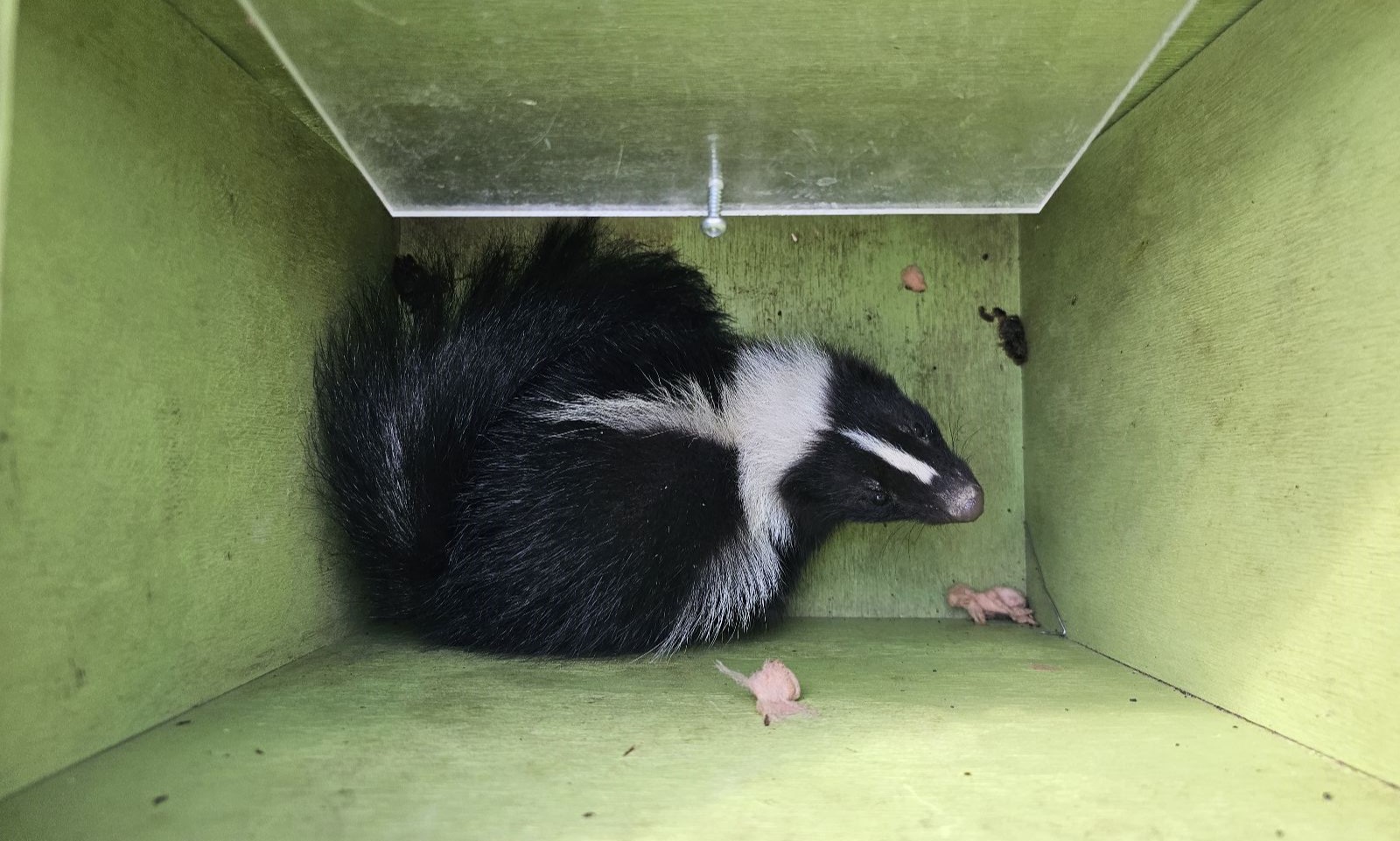
Summer is the busiest time of year for skunk activity, and that increased activity often shows up directly on and around your property. Digging in your lawn, strong odors near your deck, and young ones emerging from dens underneath outdoor structures are all common signs that summer skunk habits are affecting your home. Knowing what drives this behavior helps explain why these problems tend to show up during the same season every year.
You might notice torn-up patches in your yard overnight or catch a strong smell drifting in through an open window. These aren’t random events. They’re directly tied to specific summer habits that bring skunks closer to homes than at any other time of year. The more you understand about what’s driving this behavior, the easier it is to see why our professional help makes such a big difference.
This blog is for any homeowner in Columbus, Ohio who has noticed increased skunk activity on their property during the warmer months. You’ll learn what specific summer habits cause the most common problems, what each one means for your home, and how us at Skedaddle Humane Wildlife Control in Columbus handles these situations safely and humanely from start to finish.
Do Skunks Mate in the Summer?
Skunks actually mate in late winter and early spring, not summer. However, summer is when the results of that mating become very noticeable, since young kits are born in late spring and begin to emerge and explore through the summer months.
By the time summer arrives, mother skunks are actively raising their young and spending more time searching for food to support the whole family. This increased activity is what most homeowners notice during these months, even though the mating itself happened several months earlier.
This timing explains why summer brings such a noticeable jump in skunk-related concerns around homes. The young are growing, the mother is foraging more, and the whole family is becoming more visible and active near properties.
What Skunk Summer Habits Mean for Your Property
Several specific summer habits create problems for homeowners. Each one has its own impact on a property and its own set of signs to watch for.
Lawn Damage
One of the most common signs of summer skunk activity is damage to the lawn. This kind of damage tends to show up overnight and can be surprising in how widespread it gets.
- Digging for Grubs and Insects: Skunks are strong diggers that dig up lawns in search of grubs, earthworms, and insects just below the surface. This foraging habit creates circular divots and torn-up patches across a yard that can appear very suddenly. A lawn that looked fine at night may have several damaged spots by morning. This type of damage is one of the clearest signs of active skunk foraging nearby.
- Patches Spread Across the Yard: Because skunks follow the scent of insects through the soil, the digging doesn’t stay in one spot. Damage tends to spread across different parts of a lawn depending on where food is found on any given night. This scattered pattern is part of what makes skunk digging so noticeable and frustrating for homeowners. A single night of foraging can leave behind a surprising amount of visible damage.
- Grub Populations Drive the Behavior: The more grubs and insects are present in a lawn, the more attractive it becomes to skunks searching for food. This connection between lawn health and foraging activity is part of why some yards see more damage than others. A property with a heavy grub presence may see repeated nightly visits. This is part of why addressing the attractants matters just as much as addressing the skunks themselves.
- Damage that Keeps Coming Back: Without addressing why the property is attractive in the first place, lawn digging tends to repeat night after night. Each visit reinforces the habit and can make the overall damage more extensive over time. This repeating pattern is part of why a one-time fix rarely solves the problem fully. Long-term prevention needs to consider why the property keeps drawing this kind of attention.
Family Dens
Summer is when young skunks begin to emerge from their dens and become more visible and active. This is also when dens under outdoor structures become more noticeable to homeowners.
Decks, sheds, and the space beneath concrete steps all provide the dark, sheltered environment that mother skunks look for when raising their young. These spots stay cool, quiet, and protected, which makes them ideal nursery locations during the summer months. Once a mother settles in, she tends to stay for several weeks while her kits grow strong enough to move around.
As the kits become more active through the summer, the amount of activity around the den increases noticeably. More movement in and out, more digging nearby, and more frequent odor from the area are all signs that a family has taken up residence. This is often when homeowners first realize something is living under their deck or shed.
The Spray Hazard
The spray hazard is one of the most immediate and disruptive problems that comes with summer skunk activity near a home. A startled skunk will spray without much warning, and the impact can be far-reaching.
- Spray Can Enter Your Home Directly: If a skunk is sheltering under a porch or attached deck, the smell from a spray can seep into your home through open windows, vents, and air conditioning units. This is especially common during summer when windows are often left open at night. The odor can spread through a home quickly and is very difficult to remove once it gets inside. This makes the spray hazard one of the most disruptive consequences of having a skunk den close to the house.
- Pets are Especially at Risk: Dogs and cats that go outside at night are much more likely to startle a skunk than a careful adult would be. A pet that surprises a skunk near its den or young is very likely to get sprayed. This kind of encounter can happen fast and without any warning. It also often leads to the spray odor being brought directly into the home on the pet’s fur.
- Startled Skunks React Fast: Skunks don’t always give obvious warning before spraying. While they do sometimes stamp their feet or raise their tail first, this can happen quickly and close to people or pets before anyone has a chance to move away. This unpredictability is part of why encounters near a known den can be risky. Keeping people and pets away from known den locations is always the safer choice.
- Odor from a Nearby Den is Different from a Direct Spray: Even without a direct spray, a den located under a deck or shed can produce a lingering, low-level odor that builds over time. This smell often becomes stronger in hot weather as the den becomes more active. Many homeowners first notice a skunk den by this building odor rather than by seeing the animal directly. This is a sign that the situation is already well established and worth addressing right away.
Nocturnal Foraging
Skunks are most active at night, and summer gives them long, warm evenings to travel and search for food. This nocturnal foraging habit is a big part of why summer brings increased activity near residential properties.
Driven by hunger, they can travel a noticeable distance in a single night searching for fallen fruit, insects, accessible pet food, and open compost piles. Properties that offer any of these things are much more likely to see repeat visits throughout the summer. Each successful food find increases the chance of the same area being visited again the following night.
This foraging pattern is also what brings skunks so close to homes in the first place. Food sources near decks, sheds, gardens, and patios act as direct attractants that make a property a regular stop during nightly activity. The more accessible the food, the more likely the property is to become a regular part of a skunk’s nightly route.
Maternal Tolerance and Timing
When a mother and her kits have taken up residence, timing matters a great deal in how the situation gets handled. Acting too quickly or at the wrong point in the season can separate a family, which creates its own set of problems.
Experts note that the best approach during summer is to be patient while the young develop enough to move on their own. Rushing the process before kits are mobile enough to leave on their own tends to lead to a more complicated situation that’s harder to resolve humanely. This timing consideration is part of why our professional involvement is so important during the summer months specifically.
Our team at Skedaddle understands this seasonal sensitivity and plans every step of the process with proper timing in mind. This is one of the clearest reasons why summer skunk situations need a more careful, experienced approach than what a basic pest control visit can offer.
How to Mitigate Skunk Issues with Skedaddle
Dealing with skunk activity during summer requires more than just hoping the problem goes away on its own. Several specific steps work together to reduce activity and prevent it from coming back.
- Exclusion Services: The most lasting solution is making structures inaccessible in the first place. Our team installs downward-facing screens around decks and sheds to block access to the spaces underneath. This prevents new dens from forming in the same spots in future seasons. Proper exclusion is what actually stops the cycle of repeat problems.
- Eliminating Food Sources: Fallen fruit, open compost piles, and outdoor pet food left overnight are some of the biggest attractants that draw skunks onto a property. Removing or securing these sources reduces how appealing a yard looks during nightly foraging. This step doesn’t require any tools or professional help, just consistent habits around the yard. Fewer food sources means fewer reasons to visit.
- Following Humane Timing: Summer is a sensitive season, and certain approaches need to be timed carefully to avoid harming dependent young. Our team adjusts every plan based on the specific situation and the stage of development of any kits present. This careful timing reflects a commitment to doing the work the right way, not just the fast way. Getting the timing right leads to better outcomes for everyone involved.
Skunk Challenges in Columbus, Ohio
Columbus has a mix of suburban neighborhoods and green spaces that create ideal conditions for summer skunk activity. Many residential areas have mature trees, garden beds, and older structures that offer plenty of shelter and food near homes. Properties near parks or wooded areas tend to see the most consistent activity throughout the summer months.
The city’s warm, humid summers also extend the active season for foraging, which means problems can continue well into the fall if the underlying attractants aren’t addressed. Older homes with deck and shed structures that have gaps near the foundation are especially common targets. These spots provide exactly the kind of sheltered, dark space that a mother looks for when choosing a den site.
Because of these local conditions, our team tailors every inspection to the specific structure and surroundings of a Columbus property. This local knowledge helps us identify the areas most likely to see activity and address them before the situation gets bigger.
Frequently Asked Questions
How do I know if a skunk has moved under my deck?
A building musky odor near the base of your deck is one of the first signs to watch for. You may also notice fresh digging near the edges of the structure or see tracks in soft soil nearby. Scratching sounds or movement near the base of the deck at night are another common indicator. Noticing more than one of these signs together usually means something has already settled in.
Is it dangerous to have a skunk den near a child's play area?
Yes, having an active den close to areas where children play raises the risk of an accidental encounter. Children move quickly and unpredictably, which makes startling a skunk much more likely. Keeping children away from the area and contacting a professional is the safest approach. This is especially important during summer when young kits are present and the mother is most protective.
Will skunks leave on their own once summer is over?
They may move on as temperatures drop, but this isn't guaranteed, especially if the den site has worked well for them. A spot that provided safety and shelter once is likely to be remembered and used again. Without properly sealing the area, the same spot is likely to be used again in future seasons. This is why addressing the situation fully matters, not just waiting it out.
Can skunk spray cause any health concerns?
Direct spray to the eyes can cause temporary irritation and discomfort that can last for some time. While skunk spray itself isn't typically dangerous, the smell can be very hard to remove from clothing, pets, and home surfaces. Skunks can also carry certain diseases, which is another reason to avoid direct contact and call our professionals instead. Any encounter that results in a spray should be treated carefully and reported to our professionals.
What time of night are skunks most active?
Skunks tend to be most active in the few hours after sunset, though they can forage throughout the night during the warmer summer months. This is when most encounters with pets or family members tend to happen. Being aware of this timing helps homeowners take simple steps like bringing pets inside before dark. Knowing when activity peaks also helps in spotting patterns that point to a nearby den.
Don’t Let Summer Skunk Habits Take Over Your Property
Summer brings more skunk activity than any other season, from digging in lawns to setting up family dens under decks and sheds. You might notice torn-up grass one morning or catch a strong smell drifting near your back door at night. The longer these habits go unaddressed, the more settled and established the situation tends to become.
Once a family settles in under a deck or shed, the situation gets more involved as the season goes on. Young kits grow quickly, the den becomes more active, and the chances of a spray incident near your home go up. Waiting to see if the problem sorts itself out rarely works in your favour.
Skedaddle Humane Wildlife Control in Columbus, Ohio handles skunk situations with proper timing, humane methods, and lasting prevention. We take care of every part of the process so you don’t have to deal with it on your own. Our team knows exactly when and how to act, especially when young are involved.
Request an estimate today and let our team help protect your property before the problem grows any bigger.

 Loading...