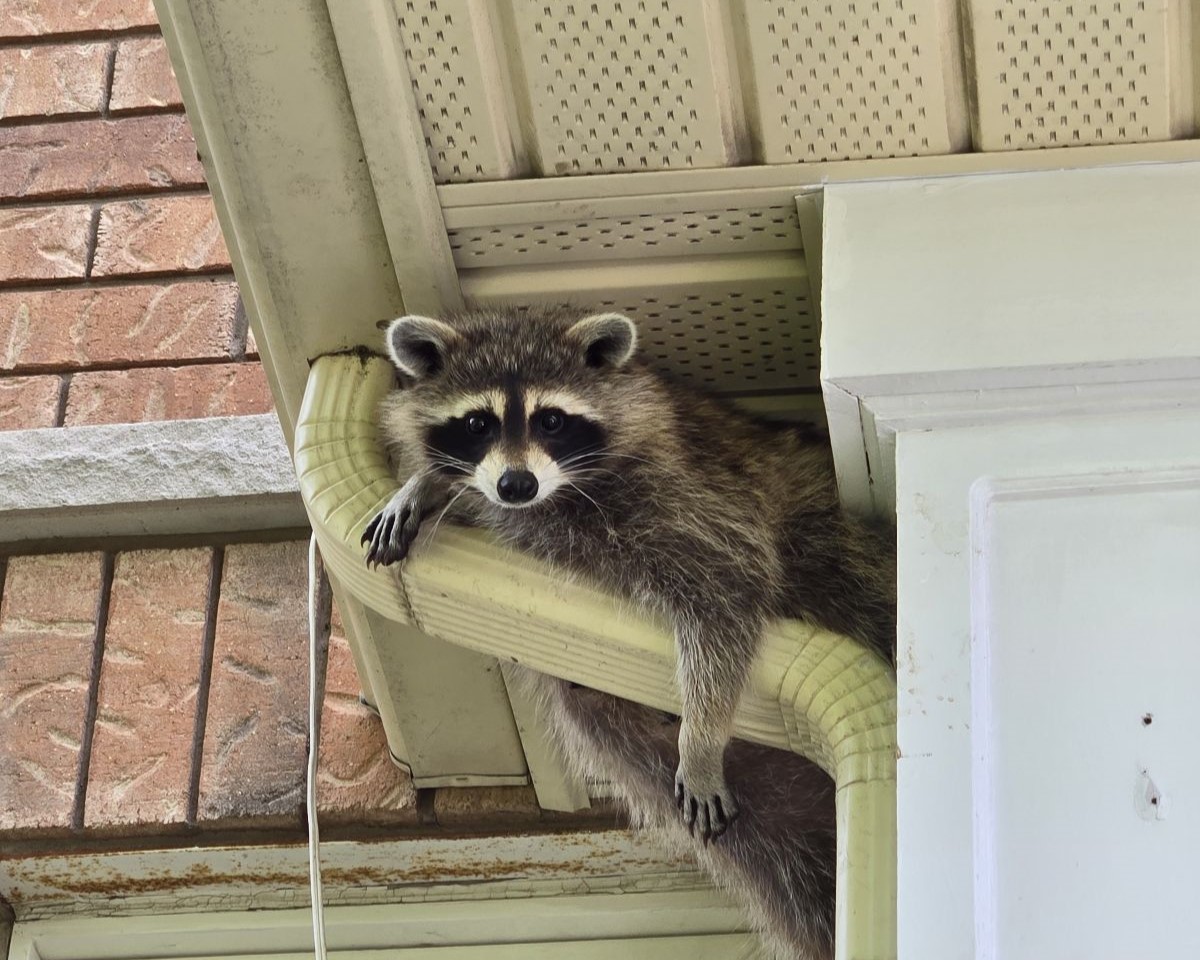
Many homeowners assume that raccoons only get inside homes by climbing trees, but the truth is far more surprising. Raccoons in Columbus homes are incredibly adaptable climbers and often use siding, fences, or even small gaps in walls to gain access to attics, roofs, and other vulnerable areas.
At Skedaddle Humane Wildlife Control in Columbus, we regularly see raccoons exploiting these unconventional entry points. Homeowners often don’t notice until damage has occurred, which is why knowing how raccoons enter and what to look for is essential for protecting your home.
Raccoons Are Skilled Climbers
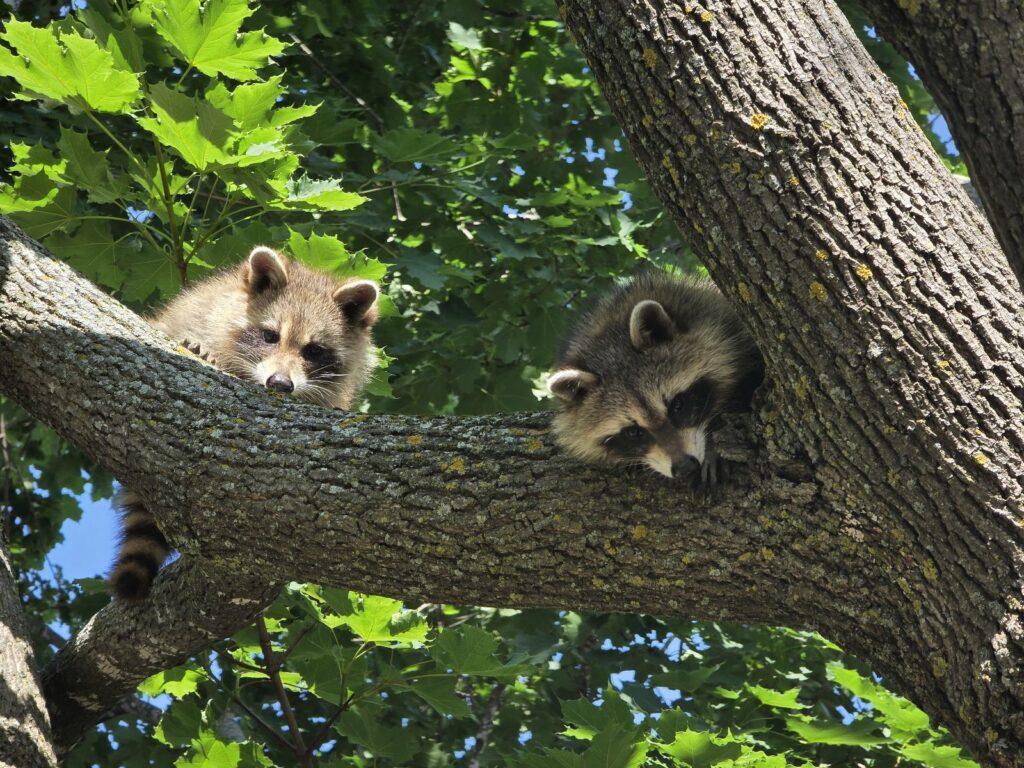
Raccoons are remarkably agile for animals that can weigh 10 to 30 pounds. They can climb smooth surfaces at steep angles—even up to 90 degrees—using their sharp claws and strong grip. This means that a tree isn’t necessary for a raccoon to reach the roof or attic of your home.
They can scale:
- Siding panels and vinyl exteriors
- Gutters and downspouts
- Fences and utility lines
- Narrow ledges along rooflines
Research shows that raccoons are active primarily at night, which allows them to navigate these structures without being seen. Because of their climbing ability, almost any home with accessible vertical surfaces can be at risk.
Siding Is a Common Entry Point
One of the most common ways we see raccoons gain entry is by using a home’s siding. Even minor gaps or loose panels can give raccoons a route into attics or wall cavities. In many Columbus homes, siding provides a sturdy, climbable surface that raccoons exploit to reach upper levels.
In fact, during inspections, we often find that what looks like a secure home has small weaknesses:
- Loose panels along the side of the house
- Small openings near corners or eaves
- Vent covers that are slightly damaged or misaligned
Even if a tree is nearby, raccoons often choose the path of least resistance—siding or fences—to climb straight up to their target.
Signs Homeowners Can Look For
Early detection is key to preventing serious damage. Homeowners should regularly check for signs of raccoon activity around their property.
Indicators include:
- Footprints in mud or snow near walls, fences, or foundation edges
- Scratches or claw marks on siding or trim
- Torn or ripped insulation behind siding panels
- Loose vents or panels that may have been disturbed
Noticing these signs early can help homeowners call in professionals before the raccoons cause significant raccoon damage in their home.
Geoff’s On-Site Experience
Geoff, one of our technicians at Skedaddle Columbus, recently inspected a home where a raccoon gained entry using siding rather than a tree. He shared:
“Don’t think they need to have a tree to get in. This here is a perfect example of that. From the fence, they are climbing right up the siding.”
This example highlights how common this method of entry is and why professional inspections are so important. Homeowners might never see the raccoon, but the evidence of their activity—scratches, torn insulation, or footprints—tells the story.
The Risks of Raccoons Inside a Home
Allowing raccoons to remain inside your home can create multiple safety and property risks. Raccoon damage in home can include:
- Chewed electrical wiring, which increases the risk of fire
- Damaged insulation or structural elements in attics or walls
- Contamination from urine and droppings, which can spread bacteria and affect indoor air quality
Statistics from wildlife studies indicate that raccoons can carry several zoonotic diseases, meaning they can potentially transmit illnesses to humans or pets. The longer raccoons have access, the more extensive the damage and contamination can become.
How Raccoons Move Inside the Home
Raccoons are quiet, nocturnal, and resourceful. Once inside, they don’t just stay in one location—they explore walls, attics, and ceilings. One access point can lead to multiple areas of activity, often far from where they first entered.
Because raccoons move in hidden spaces, homeowners might not notice their presence until the damage becomes visible or smells develop. This is why relying solely on visible sightings is not enough; professional inspection is critical.
Our Professional Assessment and Removal Process
At Skedaddle Columbus, we follow a thorough, step-by-step process to safely remove raccoons and protect homes:
- Property Inspection: We examine the exterior and interior of the home to identify all potential entry points and areas of raccoon activity. This includes walls, siding, vents, and rooflines.
- Identify Climbing Routes: We track how raccoons are accessing the home. By understanding their climbing paths—whether up siding, fences, or other surfaces—we can target the root of the problem.
- Damage Evaluation: We assess the extent of structural damage, chewed wiring, insulation disruption, or contamination from droppings. This ensures we know exactly what needs attention to protect the home and occupants.
- Develop a Removal Plan: Our team creates a plan that prioritizes safety for both the homeowners and the animals. We determine how to safely remove raccoons from attics or other areas while preparing for home reinforcement.
- Secure Vulnerable Areas: After raccoons are removed, we reinforce siding, vents, and other access points to prevent raccoons in attic or future entries. This long-term approach ensures the home is protected from repeat activity.
This thorough process ensures that raccoon problems are addressed completely and safely, minimizing risk for homeowners and property.
Tips for Homeowners to Reduce Risk
Even with professional support, homeowners can take steps to protect their homes:
- Schedule regular inspections of attics, roofs, and siding
- Maintain gutters, downspouts, and vent covers to prevent gaps
- Watch for early signs like scratches, footprints, or damaged insulation
- Keep fencing and other structures in good repair to reduce climbing surfaces
Awareness and early action are key. Professional guidance combined with homeowner vigilance ensures homes remain secure from raccoons.
Protecting Your Home From Raccoons in Columbus
Raccoons in Columbus homes don’t need trees to gain entry. Their climbing abilities and opportunistic nature make siding, fences, and other vertical surfaces easy access points. Homeowners who detect early signs such as footprints, scratches, or torn insulation can avoid serious raccoon damage to their home.
At Skedaddle Humane Wildlife Control in Columbus, we provide professional assessment, safe removal, and reinforcement of vulnerable areas to prevent raccoons in attic and other parts of the home. With our expertise, tools, and experience, we help homeowners protect their property, maintain safety, and avoid costly repairs caused by raccoon activity.

 Loading...







