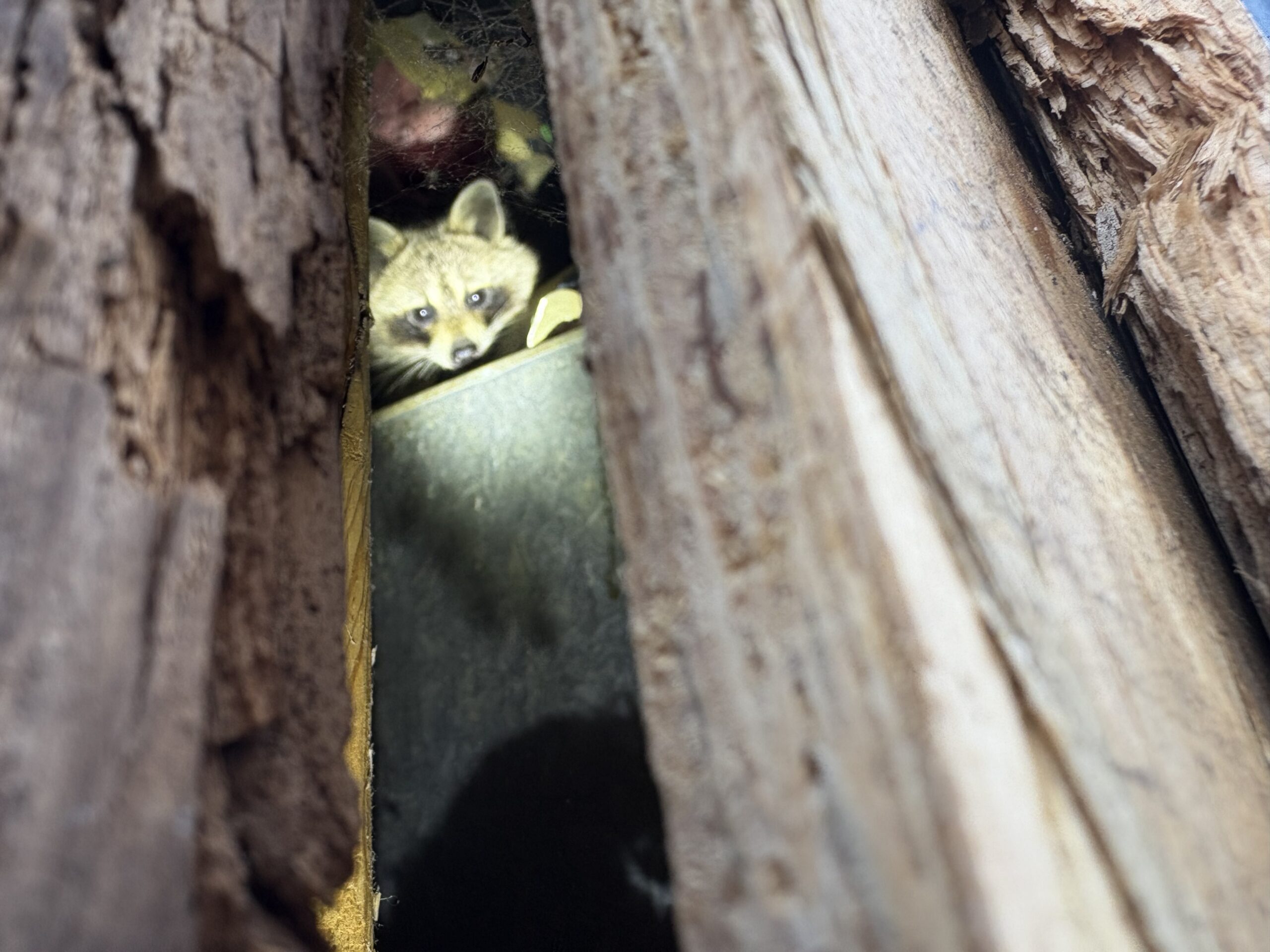
Columbus winters can be harsh, with freezing temperatures and snowfall that drive wildlife to seek warmth and shelter. Among the most common invaders during these months are raccoons. Many homeowners don’t realize that raccoons in Columbus attics are not just a nuisance—they can cause serious damage to insulation, wiring, and structural elements if left unchecked.
At Skedaddle Humane Wildlife Control, we work with homeowners to address these challenges safely and humanely. Understanding why raccoons seek attics during winter and implementing preventive measures is the best way to protect your home from potential damage while keeping wildlife unharmed.
Why Raccoons Target Attics in Winter
Attics provide an ideal environment for raccoons during winter. They are warm, dry, and typically quiet—perfect for animals that are otherwise nocturnal and secretive.
- Raccoons seek areas near food sources, including pantries, bird feeders, or garbage storage.
- Colder months increase their need for indoor shelter since outdoor food is limited.
- Their climbing ability and intelligence make attics particularly accessible.
According to the Ohio Department of Natural Resources, raccoon activity increases by nearly 35 percent during winter months in urban and suburban areas, emphasizing why homeowners need to be proactive.
Signs of Raccoons in Columbus Attics
Even though raccoons are often unseen, they leave clear evidence of their presence. Recognizing these signs early is key to addressing winter raccoon problems.
Common indicators include:
- Noises like scratching, thumping, or shuffling at night
- Droppings or urine stains on insulation or wooden beams
- Chewed wiring, insulation, or wooden structures
- Foul odors caused by nesting materials and waste
Professional inspections can confirm raccoon activity and prevent homeowners from overlooking early warning signs, which often go unnoticed until damage has started.
Risks and Damages Caused by Raccoons
The presence of raccoons in attics can pose significant risks beyond being a simple annoyance. Winter activity in attics can compromise both home safety and comfort.
Potential risks include:
- Structural damage from gnawing on beams, insulation, or rafters
- Electrical hazards due to chewed wiring, which may increase fire risk
- Contaminated insulation affecting indoor air quality
- Long-term repair costs if infestations are not addressed promptly
The National Wildlife Federation reports that damage from wildlife in attics, including raccoons, can range from hundreds to thousands of dollars depending on the severity of the infestation.
How Raccoons Gain Entry to Homes
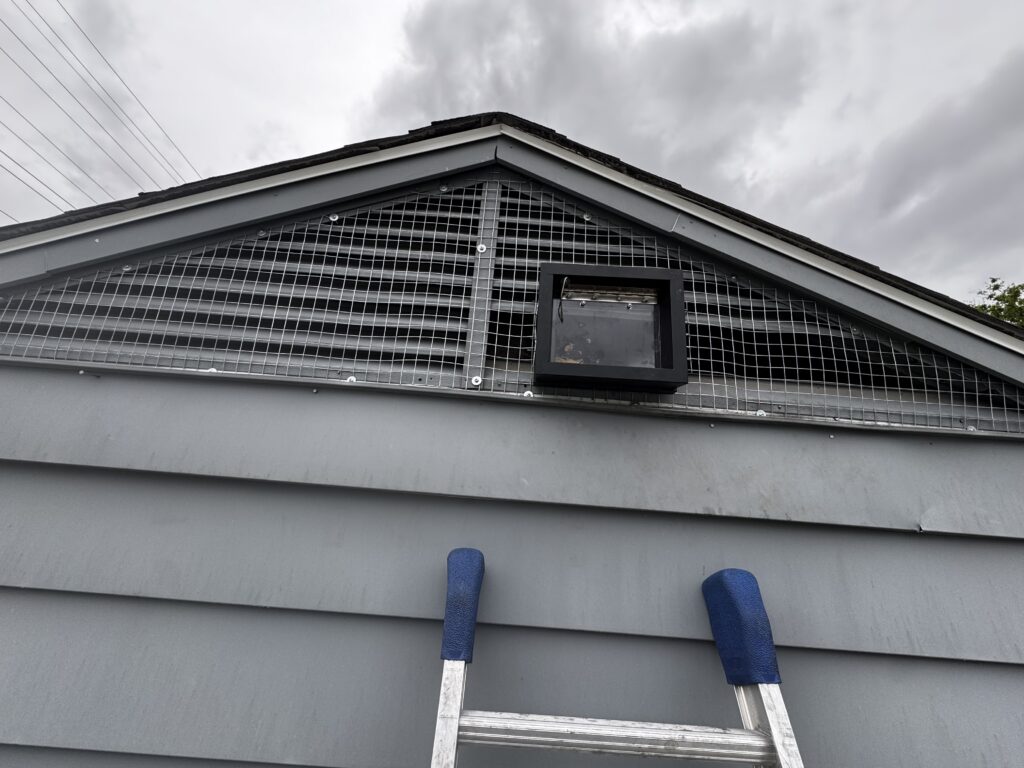
Raccoons are agile climbers and can squeeze through openings as small as four inches. In Columbus homes, common entry points include:
- Gaps in rooflines, soffits, or eaves
- Open or poorly fitted attic vents
- Chimneys without secure caps
- Cracks in siding or areas around foundations
Many of these access points are difficult to spot without professional expertise. Detecting and securing these vulnerabilities is the first step to preventing raccoons in Columbus attics during the winter months.
Humane Prevention Strategies
Preventing raccoon activity requires a careful and humane approach. At Skedaddle, we focus on exclusion methods that allow raccoons to leave safely while preventing re-entry.
Our prevention strategies include:
- Sealing vulnerable entry points in rooflines, vents, and chimneys
- Installing raccoon-proof covers for vents and chimneys
- Conducting seasonal inspections to monitor attic conditions
- Advising on long-term maintenance to ensure attics remain secure
Professionally implemented measures to prevent raccoons in attics can reduce the risk of repeat invasions by over 90 percent, keeping homes safe and energy-efficient while protecting wildlife.
Maintaining a Raccoon-Free Attic Year-Round
Winter is often the peak season for raccoon activity, but ongoing vigilance is necessary to prevent future problems.
Homeowners should consider:
- Inspecting rooflines and attic vents for new gaps or damage after storms or snowfall
- Monitoring attic spaces for unusual noises, smells, or debris
- Scheduling professional inspections to catch vulnerabilities early
- Maintaining all roof and vent systems in good condition
Consistent, professional monitoring ensures that winter raccoon problems are minimized and homes remain protected year-round.
Why Professional Assistance Matters
Attempting to address raccoons without professional guidance can lead to property damage, health concerns, or unintentional harm to wildlife. Our Columbus team provides humane, professional solutions focused on prevention.
We help homeowners by:
- Assessing properties to identify vulnerable entry points
- Implementing long-term exclusion techniques
- Providing ongoing maintenance and advice to protect attics throughout the year
With expert guidance, homeowners can effectively manage the risks posed by raccoons in Columbus attics, keeping their homes safe, secure, and energy-efficient during winter months.

Protect Your Home with Skedaddle
Raccoons in attics during winter are a hidden threat that can cause structural damage, electrical hazards, and health concerns. Early intervention through professional, humane prevention is the most effective way to protect your home.
At Skedaddle Humane Wildlife Control, we provide Columbus homeowners with expert solutions to prevent raccoons in attics. Through inspections, exclusion measures, and ongoing maintenance, your home stays secure while wildlife remains unharmed. Proactive care ensures peace of mind and a safe, comfortable home throughout the winter season.

 Loading...







