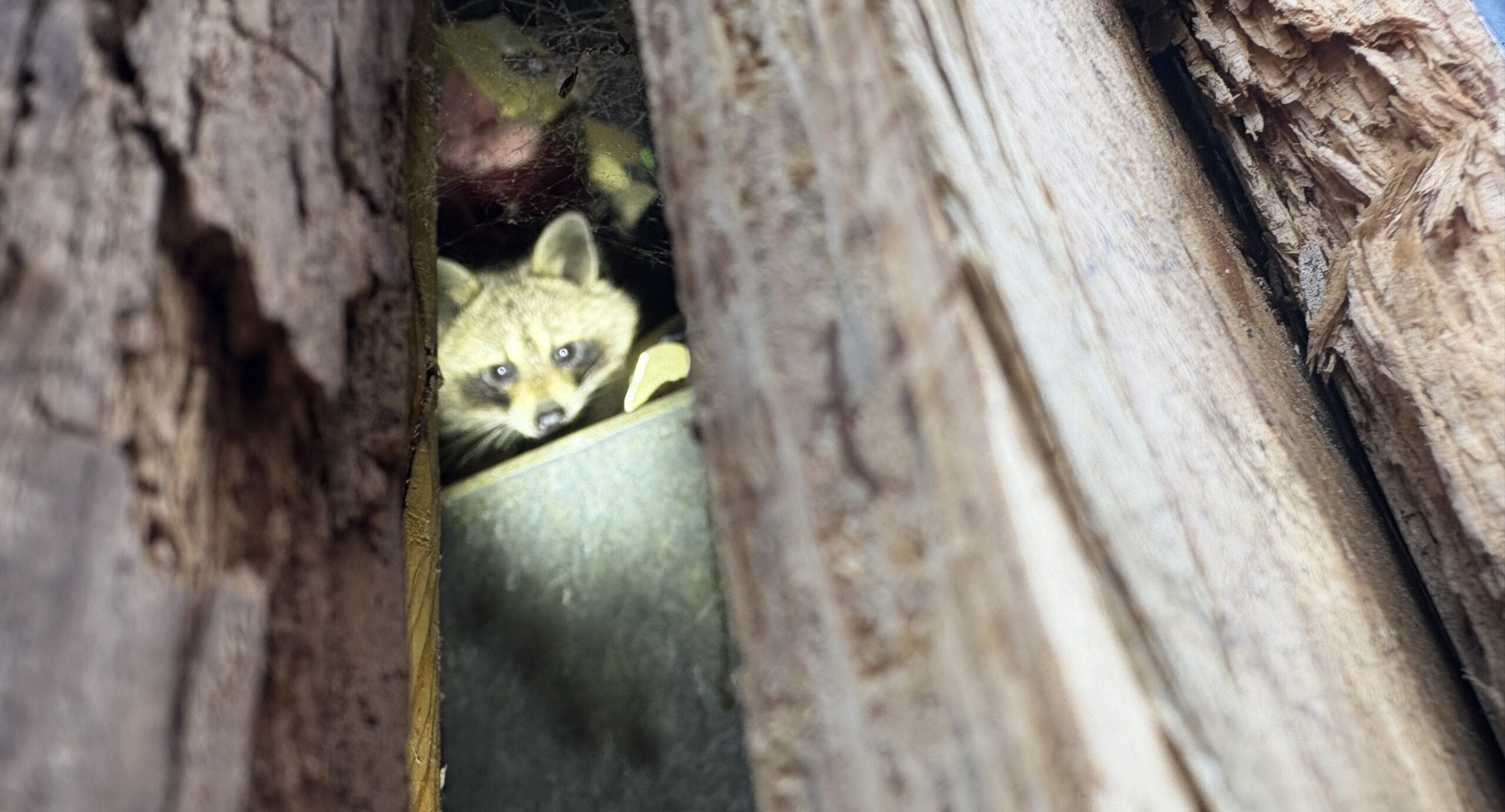
You hear a scratching noise in the ceiling, or maybe you spot a familiar furry face peering out from under your deck. It can feel like a never-ending battle. You might wonder why, no matter what happens, these animals seem determined to make your house their home.
The answer lies in simple biology and psychology. Wildlife keeps coming back because of a combination of safety, memory, and easy access to resources like food and shelter. Your home offers a perfect environment that meets their survival needs, and their instincts tell them to stick with what works.
Understanding why wildlife keeps returning to homes requires looking at how animals think and learn. They are not doing it to annoy you. They are driven by powerful instincts that prioritize efficiency. If your attic provided warmth last winter, their brain remembers that. If your garden provided food, they map that location.
For homeowners, this can be frustrating. That is why it is so important to understand these habits. When you know why they do it, you can see why professional intervention is the only way to break the cycle. At Skedaddle Humane Wildlife Control in Columbus, we understand these behaviours and know exactly how to stop them.
Why do animals return to the same place?
Animals return to the same locations because of “site fidelity,” which is a strong instinct to stay in or return to a familiar place. Just like you prefer sleeping in your own bed because it feels safe and comfortable, animals prefer dens and nesting sites they have used before.
They have already done the hard work of finding the spot and testing it for safety. Returning to a known location saves them energy and reduces the risk of exploring new, unknown territories where predators might be hiding.
The Strong Pull of a Familiar Home
One of the biggest reasons you might see the same animals year after year is something biologists call site fidelity. This is a fancy way of saying that animals are loyal to their homes. In the wild, finding a safe place to sleep, hide from storms, or raise babies is very difficult. When an animal finds a spot that works—like your chimney or attic—they form a strong attachment to it.
This attachment is even stronger for mothers. If a mother raccoon or squirrel successfully raises her babies in your attic, she views that space as a proven, safe nursery. Her instincts tell her that if she returns there, her next litter will be safe too. This is why simply chasing an animal away rarely works for long. Their drive to return to a safe zone is powerful.
Here is why site fidelity is so hard to break:
- Safety: They know the hiding spots and escape routes in your home.
- Temperature: They know your home stays warm in winter and dry in the rain.
- Success: If they raised babies there before, they trust the location.
Animals Have Maps in Their Heads
You might be surprised to learn how smart wild animals really are. They create mental maps of their territory, a skill called cognitive mapping. They do not wander around randomly. They remember exactly where food and shelter are located.
Think about how you move around your own neighbourhood without using directions. Animals do the same thing. They remember weak spots in your siding, roof edges, and tree branches that lead to your home. Because of this, they return to places that worked before. If an entry point is not sealed properly, they will follow their memory right back inside.
Getting Used to People
In the past, most wild animals ran away the moment they saw a person. Today, many have become used to living near people. This process is called habituation. It means they no longer see humans as an immediate threat. Cars, streetlights, and daily noise do not scare them like before. They have learned that staying hidden in an attic or under a porch keeps them safe. Because of this, they act more boldly around homes.
When animals get used to people, they are comfortable living close by. Loud noises or bright lights often do not drive them away for long. They simply wait until things quiet down and return to what they were doing.
The Reward System and Animal Learning
Animals learn through consequences. This is known as operant conditioning. It sounds complex, but it is actually very simple: if an action leads to a reward, the animal will do it again. If you leave pet food outside and a skunk eats it, the skunk learns that your porch equals food.
Your home offers the ultimate rewards:
- Shelter: A dry, wind-proof area away from the snow and rain.
- Safety: Protection from their natural predators, like owls or coyotes.
- Food: Proximity to garbage cans, bird feeders, and gardens.
Every time an animal successfully enters your home and finds warmth or safety, that behaviour is reinforced. It is a “positive reinforcement” loop. The more comfortable they are, the harder they will fight to stay. This is also why DIY attempts often fail. If you block one hole but leave another open, the animal learns that if they just look hard enough, they will get the reward (entry) eventually.
Following Their Nose
Have you ever wondered how a new animal finds the exact same spot an old one used? The answer is scent. Animal nesting habits leave strong smells behind from urine, droppings, and body oils. These scents act like signals that tell other animals the space is safe.
Even after an animal leaves, the smell can stay for a long time. It works like a bright “Vacancy” sign to others nearby. Rodents and bats are especially drawn to these scent trails. The grease from their fur and waste builds up and is easy for other animals to detect.
This is one reason why animals come back after removal. If only the hole is sealed but the scent remains, other animals may try to get inside. That is why full cleaning and sealing are both important parts of long-term protection.
Breaking the Cycle With Professional Help
Understanding the psychology of these animals shows why simple fixes often fail. You are up against biology, memory, and powerful survival instincts. To truly stop animals from returning, you need to outsmart them. This is where Skedaddle Humane Wildlife Control comes in.
We do not just chase animals away. We use a science-based approach that works with the animal’s biology to keep them out for good.
- Assessment and Detection: First, our technicians perform a detailed assessment. We look at your home through the eyes of the animal. We find the main entry points, but we also find the potential entry points that are not being used yet. We identify the species and determine if there are babies present.
- Humane Removal: We use specialized one-way doors. These devices allow the animals to leave your home on their own to find food, but they cannot get back in. It uses their own movement against them. When they leave, the door shuts behind them. This is much more effective than trying to scare them or trap them, which can cause them stress or injury.
- Cleaning and Prevention: Once the animals are gone, we tackle the scent issue. Our team cleans up the mess, removing the droppings and dirty insulation that act as scent markers. Then, we secure the home. We use heavy-gauge screening to block entry points. We protect roof vents, chimneys, and soffits. We essentially “animal-proof” the house so that their mental maps no longer work. When they return and find their fortress impenetrable, they are forced to move on to a new territory.
Frequently Asked Questions
Do animals come back for revenge?
No, animals do not feel revenge. If they damage your home trying to get back in, it is not because they are angry. It is because they are desperate to reach their safe shelter or their babies. It is purely a survival instinct.
Will the animals leave on their own eventually?
Rarely. If an animal has a warm, safe home with food nearby, it has no reason to leave. In fact, they will likely start a family there, multiplying the problem. Waiting for them to leave usually results in more damage to your home.
Can I just block the hole when I see them leave?
This is very risky. If you block a hole, you might trap animals inside. If a mother is trapped outside and her babies are inside, she will cause massive damage trying to reach them. If animals are trapped inside, they may die in your walls, causing terrible odours. It is always best to let professionals handle the exclusion.
Why do they pick my house and not the neighbour's?
It could be many things. Maybe your roof has a small gap that is easier to open. Maybe your trees are closer to the house. Or, it could just be that an animal marked your home with scent years ago, and new animals are following that trail.
Stop the Cycle for Good
It is fascinating to learn how animals think. Their ability to remember locations, map out neighbourhoods, and adapt to human environments is impressive. However, you do not want these impressive creatures living in your attic or under your deck. Understanding why wildlife keeps returning to homes is the first step in solving the problem. The combination of site fidelity, scent trails, and habituation creates a powerful drive for them to stay.
To protect your biggest investment, you need a solution that addresses all these factors. You need to block the physical entry, remove the scent triggers, and force the animals to change their habits. Skedaddle Humane Wildlife Control in Columbus is here to help. Our team has the knowledge and the tools to handle animal nesting habits and prevent future intrusions.
If you are tired of unwanted houseguests, do not wait for them to leave on their own. Contact us today to schedule a professional assessment. Let us help you reclaim your home and keep the wildlife where it belongs—outside.

 Loading...







