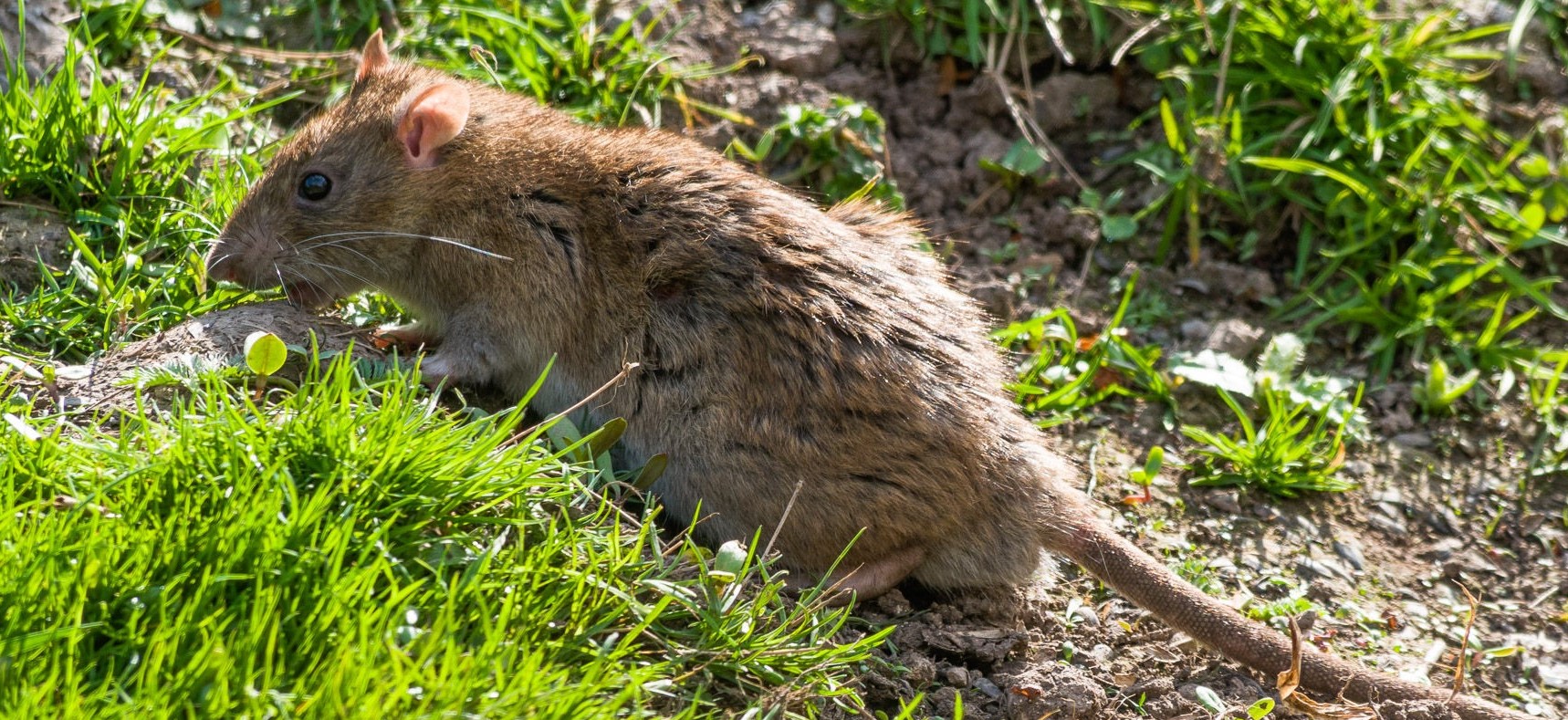

Yes—your deck can absolutely be at risk, especially if there are gaps where it connects to your house. Rats and mice love the quiet, covered space underneath, and once they find a seam near the ledger board (where the deck attaches), they can use it like a private doorway into your wall cavity or crawlspace.
Decks are a common “hidden entry” for rats in Coquitlam because the space underneath offers shelter, and tiny gaps where the deck meets the home can lead straight indoors. If you notice burrows, droppings, or nighttime scratching, don’t seal openings yourself—humane removal with one-way doors plus professional exclusion is the safest way to stop repeat visits.
We’re the Skedaddle team in the Tri-Cities, and we’ve seen the pattern play out in backyards from Burke Mountain to Westwood Plateau. A deck starts as a place to unwind… and quietly becomes a safe zone for rodents.
The video shown in this blog nails one of the most common scenarios we respond to: rats nesting under a deck and slipping inside through gaps around the deck attachment point. Below, we’ll unpack why it happens here, what to do right now, and how to make the fix stand out—because “patching a hole” is not the same thing as protecting your home.
What Types Of Wildlife Could Be Nesting Under Your Deck?
Under-deck spaces are basically nature’s version of a covered patio: dry, hidden, and usually close to food sources (garbage, compost, fallen fruit, bird seed). In Coquitlam, the city itself notes we’re home to wildlife like raccoons, skunks, rats, mice, crows, pigeons (and more)—and that animals may search neighbourhoods for food and shelter. (coquitlam.ca)
That “shelter” piece matters. Decks, porches, and low-clearance additions create ideal hideouts for:
- Rats (often Norway rats) burrowing under footings and skirting, then exploring seams to get indoors
- Mice squeezing through surprisingly small gaps and nesting in insulation once inside
- Raccoons using the protected space as a den site (especially if there’s easy access and low disturbance)
- Skunks digging along edges to create a tucked-away nest cavity
A quick reality check: when wildlife settles under a deck, the deck isn’t the “whole problem.” It’s often the launch point for entry into your home.
Why Decks Become Wildlife Hotspots In Coquitlam
Coquitlam is gorgeous—and that’s part of the challenge. When you live close to forest edges, greenways, and parks, you get easy trail access and great views… and more wildlife pressure on buildings.
The City of Coquitlam puts it plainly: wildlife may come into neighbourhoods “seeking out garbage for food” and “looking for shelter,” and the best first step is removing attractants and preventing access to denning spots.
Here’s the specific “why” your deck is a wildlife hotspot:
- Decks trap warmth near the foundation
- Rain stays off the soil, so burrows remain dry
- Skirting, lattice, and stairs create hidden travel lanes
- Garbage/green carts, compost, and outdoor feeding are often nearby
- The deck-to-house connection can create tiny, overlooked entry seams
Rodents don’t need a “big opening.” They need one weak spot that stays quiet long enough to become a habit.
What Our Technician Is Showing You In The Video (And Why It Matters)
In the video, Alex is walking through what he calls a wildlife technician’s “worst nightmare”—and he’s not exaggerating. The home in White Rock had an addition built onto it, and at some point, a deck was constructed over part of the original foundation. The siding was installed on top of the deck boards, which means those boards can’t simply be lifted out without cutting and rebuilding structural supports.
That detail might sound like a construction issue, but from a wildlife removal perspective, it’s a major vulnerability.
What Alex discovered underneath the deck is exactly what we see here in Coquitlam when rats take advantage of structural transitions. The concrete foundation runs along one section of the house, but where the addition begins, the foundation changes. When he started digging, he couldn’t immediately locate the concrete edge—even though he knew it was there from inspecting the crawlspace. That gap between structural elements creates a hidden opportunity for rats to tunnel.
And tunnel they did.
Under the deck, Alex found:
- Nesting material (green leaf debris dragged in for bedding)
- A concentrated pile of rat droppings
- Active digging
- Insulation pulled out from beneath the house
That insulation is the red flag. It means the rats weren’t just living under the deck—they were getting underneath the home itself.
Why the trench and screen are so important
Instead of just covering the visible hole, Alex explains that the proper solution involves digging a trench about a foot deep and at least a foot out from the wall. Inside that trench, a heavy-duty screen barrier is installed so that when rats try to dig down along the foundation, they hit the screen and can’t go any further.
Here’s the key: rats are persistent diggers. If you only block the surface opening, they will simply dig deeper. By extending the barrier downward and outward, we create a physical stop point. When they encounter that barrier, they can’t tunnel underneath the building.
This approach is called exclusion. It’s not about reacting to a hole—it’s about eliminating the opportunity entirely.
The structural complication most homeowners don’t see
One of the most important takeaways from this video is how construction decisions made years ago can create hidden wildlife risks.
Because the siding was installed on top of the deck boards, the deck can’t be removed cleanly. To fix it properly, Alex has to:
- Cut out inaccessible deck boards.
- Rebuild structural support beams.
- Install screening below grade.
- Reassemble and secure everything correctly.
This is why deck-related rat problems are rarely “simple patch jobs.” The entry point is often buried behind layers of framing, siding, and older construction methods.
We see similar issues here in Coquitlam, especially in neighbourhoods where:
- Homes have had basement or main-floor additions.
- Decks were retrofitted after original construction.
- Older wood decks were replaced without reworking the attachment area.
Whenever siding overlaps deck framing or structural transitions aren’t properly sealed, rats view it as an opportunity.
“Rat heaven” under decks
Alex refers to the space as “rat heaven,” and that description is accurate. Under-deck areas provide:
- Protection from weather
- Limited disturbance
- Soft soil for digging
- Easy access to foundations
- Warmth from the house
When you combine that with a structural seam where the addition meets the original foundation, you create ideal conditions for burrowing and entry.
The nesting materials and droppings he shows in the video confirm the space has been actively used. The pulled insulation confirms interior access.
That’s the moment when a backyard issue becomes a home protection issue.
Why this job isn’t as overwhelming as it looks
At the end of the video, Alex makes an important point. Even though the work looks complicated—cutting boards, digging trenches, installing screening—it’s actually straightforward when you understand the process.
Wildlife removal isn’t about guesswork. It’s about:
- Identifying how animals are entering.
- Understanding how they behave.
- Blocking those behaviours with proper exclusion methods.
- Securing the structure permanently.
When we install below-grade screening and properly seal vulnerable areas, we’re not just stopping today’s rats. We’re preventing future ones from using the same path.
And just as Alex says, we back that work with our lifetime guarantee. Once we’ve secured the structure, it stays secured.
If your deck has similar construction quirks—or if you suspect rats are digging along the foundation—this video is a perfect example of why professional, humane wildlife removal matters. It’s not just about removing animals. It’s about understanding how your home was built, where it’s vulnerable, and how to make sure wildlife can’t turn it into their next nesting site.
Rats Under Decks: How It Starts And How They Get Inside
Most situations start the same way: a rat finds a protected edge, digs a shallow burrow, and begins using the underside like a base camp. From there, they explore.
They’re excellent climbers. They follow edges. They check corners. And they’re obsessed with airflow—because airflow often leads to a warmer space, food smells, and interior voids.
The common deck entry points we see again and again:
- Ledger board gaps (where the deck attaches to the house)
- Gaps around flashing that have shifted, corroded, or were never properly installed
- Openings around pipes or conduits near deck level
- Foundation cracks hidden behind stairs or skirting
- Vents that aren’t properly screened or are damaged
- Siding transitions where different materials meet (vinyl + trim + deck framing)
A simple way to picture it:
Your deck connection is like a “seam” in a jacket. If the seam opens, even slightly, rodents can slip behind it and travel where you can’t see them—inside wall cavities and along framing.

Fast Prevention Checklist: Make Your Deck Less Inviting
If you suspect activity under your deck—or you want to prevent it before it starts—focus on two goals: remove attraction and remove access.
Step 1: Do a 10-minute under-deck perimeter scan
Walk the deck perimeter and look for:
- Fresh soil piles (burrow spoil)
- Small “runways” in grass or mulch
- Rub marks or greasy smears near gaps
- Droppings near edges or near stored items
- Chew marks on wood, foam, or plastic
Quick tip: go out at dusk. Rodents are often more active as the light changes.
Step 2: Reduce attractants (this is the easiest win)
The City of Coquitlam recommends removing wildlife attractants like garbage, fruit, pet food, and bird seed. In practice, that looks like:
- Keep garbage/green carts secured and clean
- Store bird seed in sealed containers and clean up spilled seed
- Don’t leave pet food outside
- Harvest ripe fruit quickly (and pick up what falls)
- Clean barbecues after use
Even if you do everything “right,” wildlife can still try to get into your home. But reducing attractants lowers the odds that your deck becomes the neighbourhood dining room.
Step 3: Fix water and clutter (rodents love both)
- Clear clogged gutters and fix dripping hose bibs
- Move stored items off the ground (especially cardboard)
- Keep dense shrubs trimmed back from the deck
Step 4: Don’t “DIY seal” first if you suspect animals are inside
This is important enough to repeat: if rats are already using a deck gap to enter the house, sealing it without a plan can push them to find (or create) another route—often deeper into the structure.
DIY Removal Mistakes That Make Things Worse
We get it. You’re busy, you’re stressed, and you want a quick fix that doesn’t turn into a “whole thing.” Unfortunately, rats are one of those problems where shortcuts tend to boomerang.
Here are the most common DIY mistakes we see:
- Sealing the obvious hole while animals are still inside
This can trap wildlife in wall cavities or push them into new areas of the home. - Only addressing one entry point
Rats rarely rely on a single access route. If one gap closes, they look for the next weak seam. - Ignoring the under-deck burrow system
Even if you don’t see an entry hole in the house, burrows can extend along foundations and footings. - Underestimating how small an opening can be
Mice can fit through very small gaps, and rats don’t need much more than that. Small cracks add up. - Handling contaminated material without proper precautions
Rodent droppings and nesting debris can pose health risks, especially when disturbed. - Assuming it’s “just one rat”
If there’s shelter and food, there’s often more than one animal involved.
If you’ve tried DIY and the noise keeps coming back, that’s not a failure on your part—it’s just how persistent wildlife can be when a structure offers safety and access.
How Skedaddle Removes Rats Humanely And Keeps Them Out For Good
This is where we do things differently than quick-fix approaches.
At Skedaddle, our focus is humane removal and long-term prevention—because a deck entry problem is rarely solved by “getting something out once.” It’s solved by making sure it can’t get back in.
Our process (what it looks like at your deck)
1) Hands-on inspection
We inspect the deck structure, the deck-to-house connection, and the surrounding exterior. We’re looking for the full story: burrow locations, travel paths, entry seams, and interior signs.
2) Humane removal using one-way doors
We install one-way doors on the appropriate entry points so rats can exit safely but cannot re-enter. This is a key part of humane wildlife control and is designed to work with animal behaviour—not against it. (No traps. No relocation.)
3) Full exclusion and repair
Once animals have exited, we secure the structure with durable materials and professional exclusion techniques so the problem doesn’t repeat. Skedaddle emphasizes exclusion as the foundation of a permanent solution.
4) Cleanup and restoration (when needed)
If rodents have contaminated insulation or soiled an area, we address it so your home isn’t left with lingering health risks.
Our Lifetime Guarantee
We back our workmanship and materials with a lifetime guarantee—a promise that’s meant to replace ongoing stress with real peace of mind.
That matters for deck issues because decks are exposed to weather shifts, seasonal movement, and small structural changes over time. A strong solution isn’t just “patched today,” it’s protected for the long run.
When we solve a wildlife problem at your home, our Skedaddle team makes sure you’re completely satisfied from start to finish. We stand behind our workmanship and the materials we use with a lifetime guarantee—so you can feel confident your home will stay protected and wildlife-free for the long term.
Simple steps to contact Skedaddle (fast, no confusion)
If you’re seeing signs of rats under your deck or entry at the deck attachment:
- Go to our Coquitlam location page and request service.
- Tell us what you’ve noticed (burrows, droppings, noises, where you’ve seen activity).
- Book an inspection time that fits your schedule.
- We’ll provide a clear plan: inspection + exclusion + prevention
We’ve helped plenty of homeowners who felt embarrassed calling—like having rats under a deck meant they’d “done something wrong.” It doesn’t. A deck is a perfect shelter by design, and Coquitlam’s mix of green space and dense neighbourhoods makes wildlife encounters normal. The goal isn’t perfection; it’s being proactive once you see the early signs. When you deal with the entry points properly, the stress drops fast—and your deck feels like yours again.
Coquitlam Wildlife Watch: What Else Shows Up Under Decks
While rats and mice are the headliners for “under-deck” calls, they’re not the only ones we deal with.
The City notes we share space with animals like raccoons and skunks, along with other wildlife. And the province’s human–wildlife conflict guidance emphasizes that simple prevention steps (especially managing attractants) can reduce conflict.
Here’s what we commonly see around specific Coquitlam areas:
- Mundy Park / Austin Heights: raccoons, skunks, rats, and mice moving between green space and neighbourhood food sources
- Burke Mountain: increased wildlife activity as development meets habitat; homeowners often report raccoons, skunks, and rodents around decks and sheds
- Westwood Plateau / higher elevation neighbourhoods: seasonal wildlife movement, plus deck and roofline vulnerabilities that can attract squirrels and raccoons
And yes—bats and birds are part of the mix too (often related to rooflines and vents rather than under-deck nesting). When bats are involved, the “seal everything” instinct can be a problem; proper exclusion and sealing is the safe route.

Which Rodents Actually Cause Problems In Coquitlam Homes?
Here’s something most homeowners don’t realize: while British Columbia is home to more than 20 different rodent species, only three are responsible for the vast majority of problems inside homes and buildings. (HealthLinkBC)
In the Lower Mainland — including Coquitlam — the usual suspects are:
- Norway rat (brown rat)
- Roof rat (black rat)
- House mouse
That’s it.
This matters because when you’re hearing scratching under your deck or finding droppings near your foundation, it’s almost always one of these highly adaptable, human-dependent species. They thrive around structures, take advantage of construction gaps, and reproduce quickly when food and shelter are available.
Understanding that only a handful of species are behind most infestations helps us target the right solution. These rodents are predictable in their behaviour — which means with proper humane removal, one-way doors, and professional exclusion work, we can stop the cycle and keep them from coming back.
FAQs About Rats Under Decks
What’s the fastest way to tell if rats are using my deck to get inside my home?
Look for burrow holes near deck edges, droppings along the foundation, and rubbing marks near gaps where the deck connects to the house. Nighttime scratching in walls near the deck is another strong sign. For accurate identification and safe humane wildlife removal, a professional inspection is the best first step.
Why is professional rodent removal better than trying to fix deck gaps myself?
DIY repairs often miss secondary entry points and can accidentally trap rodents inside wall cavities, leading to more damage. Professional rat removal includes one-way doors, full exclusion work, and prevention—so you’re not stuck repeating the same problem. This approach is especially important for long-term wildlife prevention in high-activity areas.
Does Skedaddle handle raccoons, skunks, squirrels, bats, birds, and mice in Coquitlam too?
Yes—we provide humane wildlife removal and exclusion for those species as well, tailored to how each animal uses structures. The goal is always the same: let wildlife exit safely with one-way doors and secure the home so re-entry isn’t possible. Our work is backed by a lifetime guarantee on workmanship and materials.
Keep Your Home And Family Safe With Skedaddle
If your deck has become a rodent retreat, you’re not alone—and you’re not stuck. Coquitlam’s wildlife activity is real (the City actively educates residents on it).
If you want your deck back—and you want a fix that holds up—reach out to our Skedaddle Coquitlam team. We’ll handle the removal and the prevention, and we’ll stand behind the work with our lifetime guarantee.
And if you’re the type who likes to keep learning, explore more of our blog content on seasonal wildlife activity, home-proofing, and how to spot early warning signs before they become expensive repairs.

 Loading...