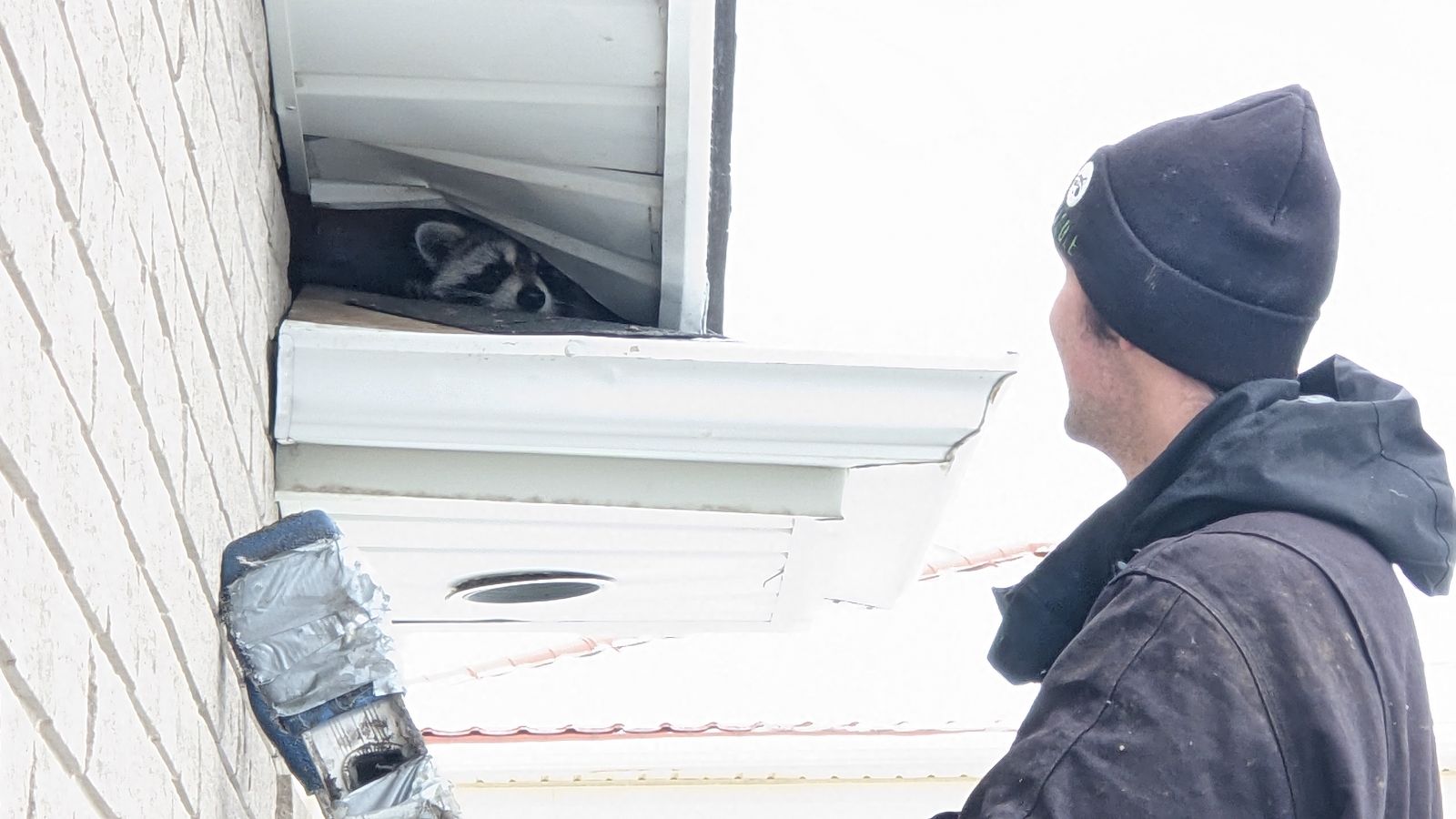
You may notice more noise, movement, or damage after several days of steady rain. Damp weather pest problems become far more common when the ground stays wet and temperatures remain mild. When outdoor spaces flood or become uncomfortable, animals start searching for dry, protected places to wait out the weather. That is why wildlife entering homes during rain is such a frequent issue in coastal areas like Port Moody.
You may not realize how strongly weather affects animal behaviour. Rain changes where animals can travel, rest, and find food. Homes and businesses offer warmth, dryness, and quiet spaces that natural environments cannot provide during long wet periods.
At Skedaddle Humane Wildlife Control in Port Moody, we see a clear rise in calls during rainy seasons across British Columbia.
In this blog, you’ll learn how damp weather invites animals indoors, which conditions make buildings more attractive, and why these problems often repeat without professional help. Understanding these patterns explains why wildlife control during the rainy season is so important for property owners.
Why Heavy Rain Pushes Animals Out of Natural Shelter
Rain does more than make the ground wet. It changes where animals can safely rest, hide, and survive. When storms last for days, outdoor shelter stops working the way it should. Animals are forced to move quickly to avoid cold, flooding, and danger. Buildings become the closest dry option when natural spaces fail.
Common ways rain forces animals to relocate include:
- Flooded Burrows and Ground Nests: Many animals live underground or close to the soil. Heavy rain fills these spaces fast, leaving no dry area to stay in. When water rises, animals are pushed upward toward foundations and crawl spaces. Once they find a dry opening, they often return again during future storms.
- Loss of Natural Cover: Rain breaks down leaf piles, brush, and loose soil that animals rely on for cover. These shelters collapse or wash away after long periods of rain. Without protection, animals become exposed to weather and predators. Buildings offer solid shelter that does not disappear during storms.
- Increased Predation Risk Outdoors: Wet ground makes it harder for animals to move quickly. Slippery surfaces and reduced visibility make them easier targets outside. Indoor spaces offer protection from predators during storms. That safety makes buildings far more appealing during rainy weather.
- Limited Food Access: Rain can wash away food sources or make them difficult to reach. Insects, plants, and stored outdoor food become less available. Animals begin following warmth and scent instead. Kitchens, storage areas, and waste zones become stronger attractions during damp weather.
These conditions explain why wildlife entering homes during rain often increases after only a few days of wet weather.
How Moisture Makes Buildings More Inviting
Rain does not only affect animals. It slowly changes buildings as well. Moisture weakens materials and exposes gaps that were once sealed. Over time, rain creates entry points without causing obvious damage. These changes often go unnoticed until activity begins inside.
Moisture-related building changes include:
- Softened Wood and Trim: Constant exposure to moisture weakens wood around roofs, decks, and siding. Once wood softens, it becomes easier to push through or widen. Small gaps slowly turn into usable openings. Animals quickly notice and take advantage of these weak spots.
- Shifting Foundations and Cracks: Wet soil expands and moves during heavy rain. This movement creates new cracks along foundations and walls. Even very small openings can allow access indoors. Once discovered, animals tend to return to the same entry points again and again.
- Damp Crawl Spaces and Basements: Moist air settles in low areas of a building. Crawl spaces and basements stay warmer and drier than outdoor environments during rain. These spaces feel safe and protected. Activity can continue for long periods without being noticed.
- Condensation Inside Walls: High humidity causes condensation inside wall cavities. This creates a warm, quiet space with little disturbance. Animals are drawn to these conditions during long rainy stretches. Once inside, movement often spreads deeper into the structure.
Damp weather pest problems often begin with moisture changes that are easy to miss from the outside.
Why Rain Drives Animals Toward Rooflines and Upper Levels
It may seem logical for activity to start near the ground. During heavy rain, the opposite often happens. Animals move upward to escape flooding and soaked soil. Rooflines and upper structures stay dry longer and offer warmth. These areas quickly become high-risk entry points during storms.
Upper-level entry points become active because:
- Rooflines Stay Dry Longer: Rainwater flows downward, leaving roof edges and overhangs drier. Animals climb to avoid standing water below. Gaps near soffits and fascia are easier to access in these areas. Repeated use slowly widens these openings.
- Warm Air Escapes From Attics: Heat escapes through roofs even when temperatures are mild. That warmth is easy to detect during rainy weather. Attics feel quiet, dry, and protected. Once inside, animals may remain for weeks at a time.
- Tree and Structure Access Routes: Wet ground makes climbing easier than digging. Trees, fences, and nearby structures act as bridges to rooftops. Rooflines become reachable with little effort. Animals follow the driest and safest route available.
- Less Human Activity Above: Upper levels are visited less often during daily routines. Reduced disturbance allows animals to settle in unnoticed. Nesting or denning can begin without interruption. Activity may continue long before signs appear indoors.
This is why wildlife entry points around homes often appear near the roof after rainy periods.
Wildlife Control During Rainy Season With Professional Support
You may hope problems resolve once the rain stops. Often, they do not. Once animals settle indoors, they stay until professionally removed. That is why wildlife control during rainy season requires trained teams.
Our professional service focuses on:
- Careful inspection of moisture-driven entry points
- Humane exclusion using one-way doors that allow animals to leave without returning
- Sealing vulnerable areas after animals exit
- Preventing repeat activity during future storms
At Skedaddle, we handle these issues safely and thoroughly. Our approach protects the building while respecting seasonal behaviour patterns common in British Columbia.
Wildlife Protection Starts with the Right Support
Damp weather pest problems rarely fix themselves. Wildlife entering homes during rain becomes more likely with every storm. Buildings offer warmth, shelter, and safety that animals cannot find outdoors during long wet periods.
If you are dealing with repeated activity during rainy months, professional help matters. At Skedaddle Humane Wildlife Control, we provide wildlife control during rainy season solutions for homes and businesses across Port Moody and surrounding areas.
Request an estimate today and protect your space before the next storm brings unwanted guests back inside.

 Loading...