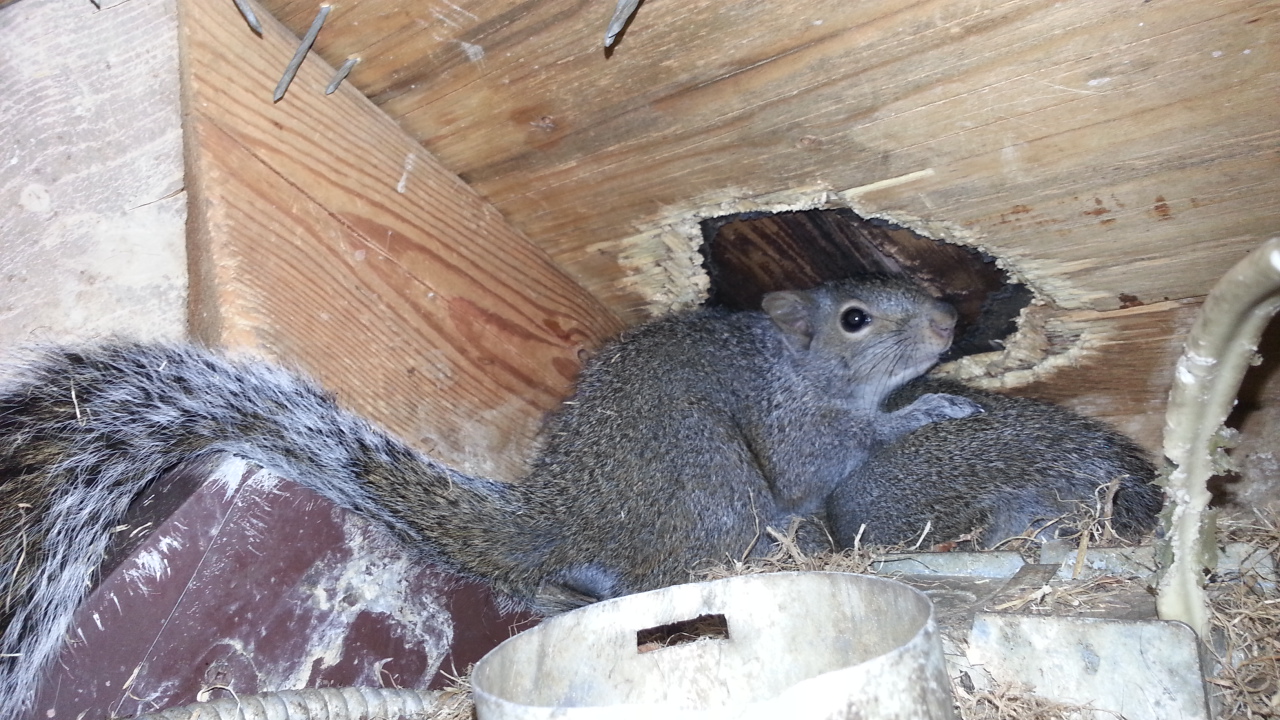

You may notice more noise, movement, or damage once colder weather arrives. Winter wildlife in British Columbia becomes far more active around buildings when temperatures drop. Homes and businesses offer warmth, shelter, and quiet spaces that animals cannot find outdoors during the winter months.
That is why wildlife entry points around homes and commercial buildings become a serious concern at this time of year, especially for property owners calling Skedaddle Humane Wildlife Control in Surrey.
You may be surprised by how small or hidden these access points can be. Gaps along rooflines, vents, foundations, and covered outdoor spaces are often enough for animals to get inside. Once winter wildlife in BC finds a safe place to shelter, activity can continue for months without being noticed. Our professional wildlife removal in BC matters, particularly in Surrey where changing winter conditions still push animals indoors.
In this blog, you’ll learn where winter wildlife most often enters homes and businesses, why these areas are vulnerable, and when professional help is needed. Knowing the most common wildlife entry points around homes helps you understand the risks and why trained professionals are best equipped to handle the situation safely and properly.
Rooflines and Eaves Are Major Winter Access Points
You may assume your roofline is sealed and secure. In reality, this area is one of the most common entry points for winter wildlife in British Columbia. Rooflines are exposed to weather, aging materials, and small gaps that animals can easily exploit when searching for warmth.
Animals are drawn to rooflines because they provide direct access to attic spaces. Once inside, the damage and noise often increase quickly. These entry points are easy to miss from the ground, which allows problems to grow unnoticed.
Common roofline entry issues include:
- Damaged or Loose Soffits: Soffit damage often goes unnoticed until animals push through weakened sections. Wind, moisture, and age can loosen these panels over time. Once an opening forms, it becomes an easy access point that animals may use again and again during winter.
- Gaps Where the Roof Meets the Wall: Small gaps can form where roofing materials meet siding or brick. These spaces are often just large enough for animals to squeeze through. Repeated use can cause the opening to grow larger over time.
- Worn Fascia Boards: Wood trim weakens as it ages, especially when exposed to moisture. Fascia boards may rot or crack, creating hidden entry points along the roof edge. Animals often target these spots because they are less visible and easier to reach.
Roofline damage is one of the most common reasons wildlife entry points around homes go unnoticed until winter activity becomes obvious.
Vents and Chimneys Invite Winter Wildlife Indoors
You may rely on vents and chimneys every day without thinking about wildlife access. These openings release warm air, which attracts winter wildlife in British Columbia looking for heat. If these areas are damaged or unprotected, they become direct entry routes.
Animals often follow airflow and scent patterns. Once they locate a vent or chimney opening, entry becomes quick and repeated. This is especially common during colder weeks when outdoor shelter is limited.
Common vent and chimney access points include:
- Roof Vents Without Proper Covers: Vent covers can shift, crack, or break over time without being noticed. When this happens, open pathways lead straight inside the building. Animals can move directly into attic spaces through these damaged vents.
- Bathroom and Kitchen Exhaust Vents: Warm air often escapes through exterior exhaust vents. This heat attracts winter wildlife looking for a safe place to rest. Missing screens or loose covers make these vents easy entry points.
- Uncapped Chimneys: Chimneys may seem too narrow, but many are wide enough for animals to enter. Open chimneys also offer warmth and shelter during colder months. Once inside, animals can cause blockages or become stuck.
Vents and chimneys are some of the most overlooked wildlife entry points around homes and businesses.
Decks, Porches, and Covered Areas Create Easy Access
You may enjoy decks and covered spaces year-round. Winter wildlife in British Columbia sees these areas as safe shelter. The protection from snow, wind, and rain makes them ideal entry zones near buildings.
These spaces are often dark and quiet. Animals feel safe using them repeatedly, especially when foot traffic is low during winter months. Over time, activity increases and spreads.
Common deck and porch entry issues include:
- Open Gaps Beneath Structures: Open areas under decks or porches often go unnoticed. These spaces let animals move freely beneath buildings. Once activity begins, it can continue all winter without being seen.
- Loose Skirting or Panels: Decorative panels around decks and porches can loosen or crack over time. When that happens, animals are able to push through with ease. These openings may stay hidden for weeks or months.
- Proximity to Foundation Walls: Decks and porches often sit very close to foundation walls. This allows animals to travel from covered spaces straight into wall gaps. Once inside, access to the building becomes much easier.
Deck and porch access points are a common cause of ongoing winter wildlife activity.
Why Winter Makes These Entry Points Worse
You may wonder why problems seem to appear suddenly in winter. Winter wildlife in British Columbia becomes more persistent when outdoor food and shelter disappear. Animals return to the same entry points again and again because survival depends on it.
Cold temperatures reduce natural hiding spaces. Snow covers ground-level shelter and food sources. Buildings become the most reliable option for warmth and safety.
You may also notice less activity during the day. Winter wildlife often moves at night, making entry harder to detect. This allows damage to grow quietly until signs become obvious.
Professional Wildlife Removal in BC Protects Your Property
You may think closing an opening solves the issue. Professional wildlife removal in BC focuses on the full picture. At Skedaddle Humane Wildlife Control in Surrey, we address both the animals and the entry points they use.
Our approach protects homes and businesses long-term. We use one-way doors that allow animals to leave safely without returning. Entry points are then secured to prevent future access.
You benefit from professional assessment, proper exclusion, and lasting protection. Wildlife entry points around homes are identified and addressed carefully to stop repeat activity.
Take Control of Winter Wildlife Entry Points in Surrey
Winter wildlife in British Columbia does not wait for spring. Wildlife entry points around homes and businesses allow animals to move inside quickly and quietly. Without professional support, activity often continues all season.
If you are dealing with winter wildlife in BC, wildlife removal in BC should be handled by trained professionals. At Skedaddle Humane Wildlife Control in Surrey, we focus on safe removal, exclusion, and long-term protection. Request an estimate to learn more and protect your property before damage spreads.

 Loading...







