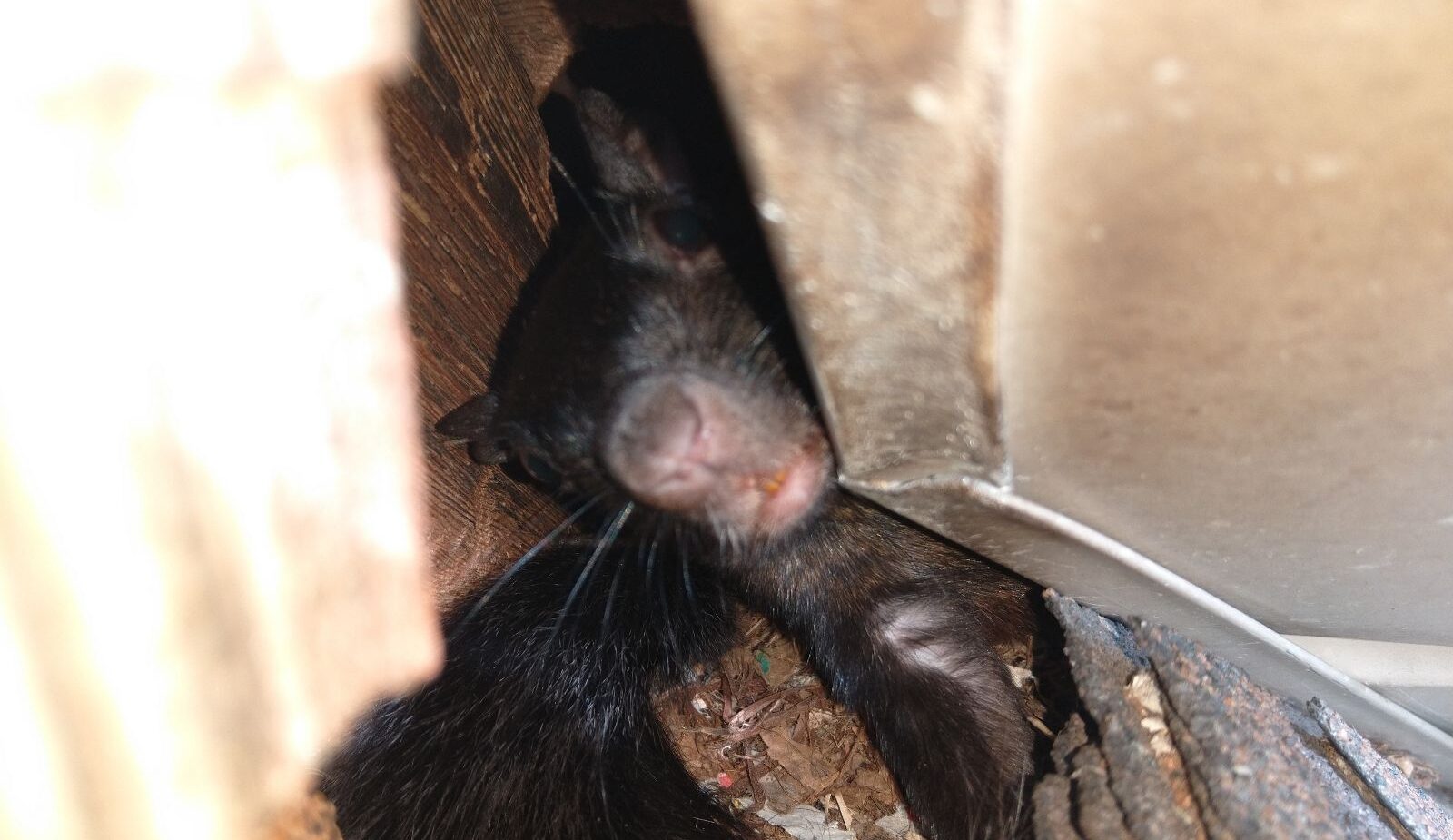
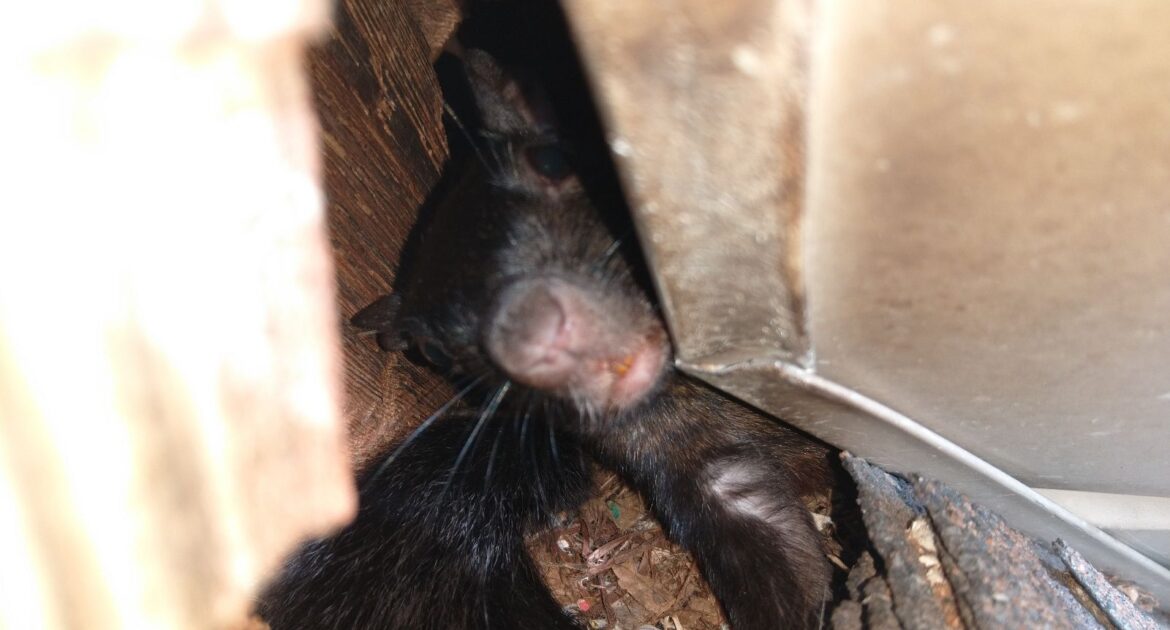
As temperatures drop in Ohio, many homeowners notice unexpected visitors in their attics. Squirrels in attic insulation are a common issue during cold months, as these animals search for warmth and safe nesting spots. Even a small number of squirrels can cause noticeable damage and disrupt the comfort of your home.
At Skedaddle Humane Wildlife Control in Delaware, we often assist homeowners dealing with winter squirrel nesting in Ohio. Understanding why squirrels target attic insulation and recognizing early warning signs is crucial for protecting your property and minimizing attic squirrel damage before it becomes costly or difficult to manage.
Winter Behavior of Squirrels
Squirrels remain active throughout the year, but their behavior changes when temperatures fall. During winter, squirrels look for sheltered areas to keep warm, often leading them to human homes.
- Increased indoor activity: Studies show that sightings of squirrels near residential properties rise by more than 40% during cold months.
- Nesting instinct: Squirrels gather soft materials, including insulation, for warmth and security.
- Food motivation: Winter also brings a scarcity of natural food sources, prompting squirrels to spend more time near homes.
- Social clustering: Multiple squirrels may share attic spaces, increasing the risk of insulation damage and noise.
Recognizing these seasonal behaviors helps homeowners anticipate potential problems and understand the importance of addressing squirrels in attic insulation before damage escalates.
Why Attic Insulation is Attractive to Squirrels
Attic insulation is an ideal nesting material for squirrels. Not only does it provide a warm environment during cold months, but it also allows them to build secure nests for resting and raising young in some cases.
- Soft and warm: Fiberglass, cellulose, and other common insulation materials are perfect for creating comfortable nests.
- Safe environment: Attics protect squirrels from predators and harsh weather.
- Energy efficiency impact: Damaged insulation reduces its effectiveness, leading to higher heating costs for homeowners.
- Research insight: Homes with squirrels in attic insulation often experience up to 30% more energy loss due to displaced or damaged insulation.
By understanding why squirrels target insulation, homeowners can better appreciate the importance of preventive measures and monitoring during winter.
Common Entry Points for Squirrels in Ohio Homes
Squirrels are agile and can enter homes through surprisingly small openings. Identifying potential entry points is critical to preventing attic squirrel damage.
- Rooflines, soffits, and gable vents: These areas are often overlooked during inspections and provide easy access.
- Chimneys and attic vents: Squirrels can enter through open or improperly screened vents.
- Gaps around doors, windows, and utility lines: Even small cracks can allow entry.
- Tree branches near the roof: Overhanging branches make roof access simple for squirrels.
Statistics show that more than 60% of Ohio homes with attic squirrel damage had at least one overlooked entry point. Early identification and professional intervention are key to minimizing the impact of winter squirrel nesting in Ohio.
Signs of Squirrel Activity in Attics
Detecting squirrels early can prevent extensive damage and protect indoor comfort. Common warning signs include:
- Scratching or scurrying noises: Especially noticeable at night or during quiet periods.
- Droppings and urine stains: Found along insulation, beams, or near entry points.
- Damaged insulation: Shredded or displaced insulation indicates active nesting.
- Footprints or tail marks: Dusty areas or corners often reveal signs of movement.
- Unusual odors: A musty or ammonia-like smell may develop around nests.
Early detection allows homeowners to take action before insulation damage becomes severe. At Skedaddle, we assist clients in identifying squirrels in attic insulation safely and provide guidance on maintaining a secure, clean attic environment.
Preventive Measures to Protect Attic Insulation
Preventing squirrels from damaging attic insulation requires proactive steps and professional guidance. Effective strategies include:
- Seal gaps and openings: Inspect rooflines, vents, soffits, and chimneys, and secure potential entry points.
- Install squirrel-proof screens: Vents and chimneys can be outfitted with barriers to prevent entry.
- Maintain outdoor areas: Trim tree branches away from roofs and store firewood or other materials securely.
- Monitor insulation regularly: Check for signs of damage, droppings, or unusual odors.
- Professional support: Skedaddle provides expert inspections and recommendations to prevent winter squirrel nesting in Ohio safely.
Homes that implement these preventive measures are significantly less likely to experience attic squirrel damage. Proactive maintenance not only protects insulation but also reduces potential heating costs and preserves the integrity of the home.
Protecting Your Home Through Winter
Squirrels in attic insulation are more than a minor inconvenience—they can impact energy efficiency, indoor comfort, and property safety. Early detection, regular inspections, and preventive measures are key to avoiding costly damage.
At Skedaddle Humane Wildlife Control in Delaware, we help homeowners:
- Identify potential entry points and secure them professionally.
- Monitor and assess attic insulation for damage and signs of squirrel activity.
- Implement long-term prevention strategies tailored to each home.
Winter squirrel nesting in Ohio can be managed effectively with the right knowledge and professional support. Addressing these issues early ensures a safe, comfortable, and energy-efficient home throughout the colder months.
Taking a proactive approach allows homeowners to protect their property while respecting wildlife, ensuring a peaceful winter season without the disruption of attic squirrel activity.

Keep Your Attic Safe and Energy-Efficient
Squirrels in attic insulation can cause significant damage if left unaddressed. By understanding why they are attracted to insulation, recognizing warning signs, and implementing preventive strategies, homeowners can protect both their property and energy efficiency.
Regular inspections, sealing potential entry points, and consulting professionals like Skedaddle are the most effective ways to prevent winter squirrel nesting in Ohio. Our team ensures that preventive measures are safe, thorough, and tailored to each home, keeping your attic secure and minimizing the risk of attic squirrel damage.
Maintaining a clean, monitored, and well-insulated attic ensures a healthy indoor environment and peace of mind throughout the winter months and beyond. With early attention and professional guidance, squirrels in attic insulation no longer have to be a disruptive winter concern.

 Loading...







