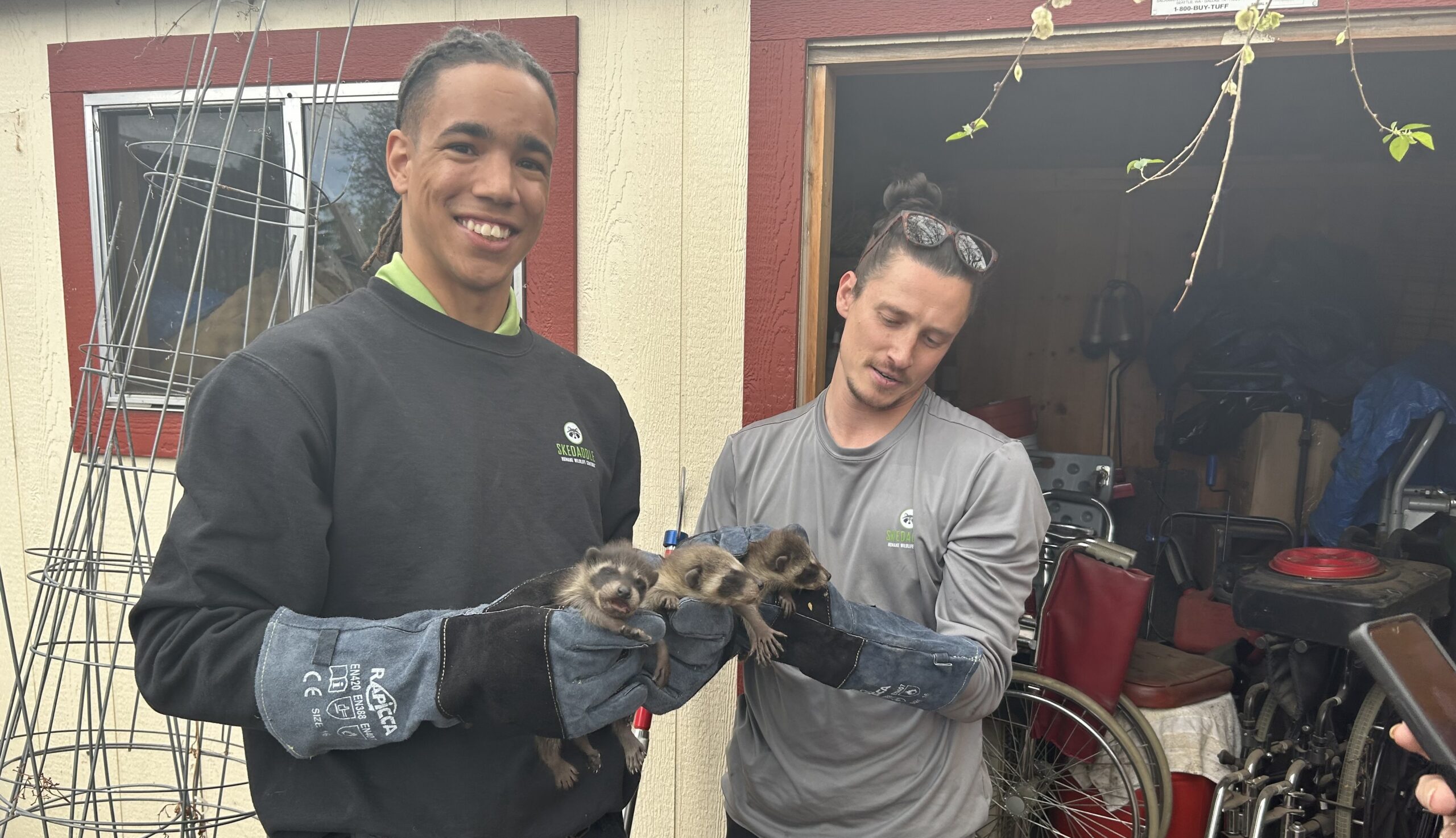
In many Denver homes, the sound of scratching or movement overhead is usually a clear sign that something has found its way into the attic. Most homeowners immediately assume the same thing: a raccoon has likely entered through a damaged section of the roof. It is a common and often accurate explanation, which makes these situations feel predictable at first.
That is exactly what the homeowner thought in this case. The noises were consistent and unmistakable, and they pointed toward an active raccoon presence inside the attic. However, when technician Matthew Cooper of Skedaddle Humane Wildlife Control arrived on site, the situation quickly became more complicated than expected. As he began his inspection, it became clear that the usual signs were not leading to a usual answer.
What followed was an investigation that challenged assumptions and required looking far beyond the roofline to uncover a completely hidden entry point.
The Initial Inspection: Searching the Roof for Answers
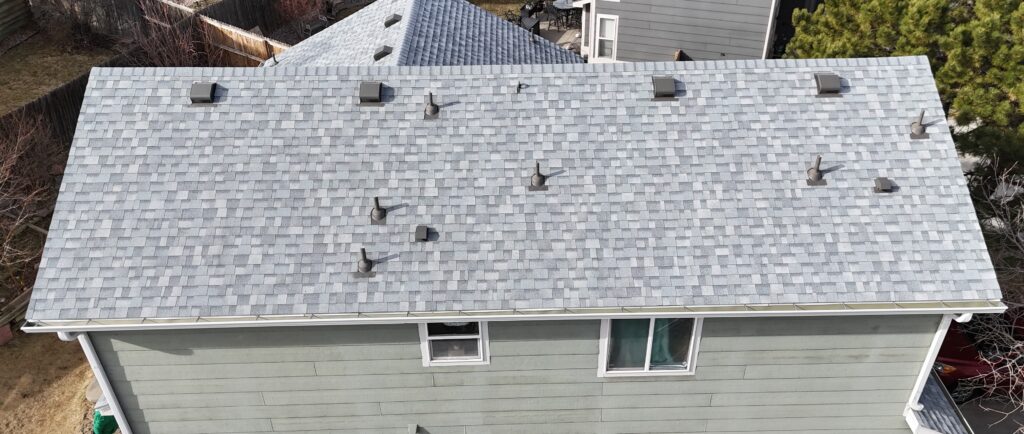
When technician Matthew Cooper arrived at the Denver property, he began exactly where most raccoon cases start, the roof. A full exterior inspection was completed, focusing on the most common entry points such as roof vents, damaged shingles, soffits, fascia, and flashing. On paper, this is where the problem should have been.
However, the roof told a different story. Everything appeared to be in solid condition with no visible damage or gaps that would allow a raccoon to gain access. There were no lifted shingles, no compromised vents, and no clear signs of entry anywhere along the roofline. Despite the strong evidence of activity inside the attic, the exterior gave no explanation for how the animal was getting in.
As Matthew continued the inspection, the contradiction became clear. There was confirmed raccoon activity inside the home, but no traditional entry point above. This is where experience becomes critical in wildlife control. The obvious answer was not presenting itself, which meant the investigation needed to expand beyond the roof entirely.
A Growing Mystery: Activity Inside, But No Visible Entry
With the roof showing no signs of damage, the situation became more puzzling. Inside the attic, the homeowner’s concerns were confirmed. There was clear evidence of raccoon activity, but nothing about the exterior explained how the animal was getting in. This kind of contradiction is exactly where experience and attention to detail matter most.
At this stage, Matthew Cooper had to step back and reassess the entire situation. Instead of focusing only on the roof, he began considering that the entry point might be somewhere far less obvious.
Inside the attic, the signs of activity included:
- Consistent scratching and movement patterns indicate an active and established presence
- Disturbed insulation, suggesting repeated travel through the same areas
- Localized damage in specific sections of the attic, rather than random movement
- Strong scent marking, which is typical of raccoons establishing a secure nesting site
Even with these clear indicators, the biggest question remained unanswered: if the roof was secure, where was the raccoon actually entering?
This is when the inspection needed to expand beyond the expected zones. Instead of looking upward, Matthew began shifting his attention to the rest of the property, including areas that homeowners rarely consider as potential wildlife entry points.
Expanding the Search: Looking Beyond the Roofline
With no explanation coming from the roof, Matthew Cooper expanded the inspection to the rest of the property. At this point, it was clear that the raccoon was gaining access from somewhere outside the typical “roof entry point” scenario. That meant examining areas most homeowners would never think to connect to an attic intrusion.
The search began to move methodically around the home’s exterior, focusing on ground-level structures, landscaping, and architectural features that could potentially provide hidden access. This type of investigation is where professional experience becomes especially important, because wildlife often exploit structural details that blend into the home’s design.
During this broader inspection, Matthew focused on subtle but important indicators such as:
- Foot traffic patterns in soil and mulch near the foundation
- Droppings or scent markings along exterior walls
- Disturbed areas around porches, decks, or additions
- Any structural voids or hollow spaces that could connect to the attic
It was during this phase that something unusual appeared near the front of the home. Small signs of activity near the porch area suggested that the raccoon was not entering from above at all, but possibly moving through a completely different part of the structure.
The First Clue: Signs Around the Front Porch
As Matthew Cooper continued examining the exterior, the front porch quickly became the focal point of the investigation. It was subtle at first, but there were small details that did not fit a normal outdoor pattern of movement. This area, often overlooked by homeowners, was now showing the first real signs of wildlife activity.
Closer inspection revealed clear evidence that something was regularly travelling through this space. The ground around the porch was not undisturbed, and there were markings that suggested repeated movement in and out of a hidden pathway.
The key signs included:
- Footprints in soil and debris near the base of the porch
- Scattered droppings consistent with raccoon activity
- Worn-down areas that suggested repeated travel routes
- Subtle staining along lower structural edges
These indicators shifted the entire direction of the investigation. Instead of focusing on the roof or upper structure of the home, Matthew now had reason to believe the entry point was located at ground level. The front porch was no longer just part of the home’s exterior design; it had become the most important clue in solving the mystery.
The Hidden Structure: Discovering Hollow Porch Pillars
With clear signs of activity around the front porch, Matthew Cooper began a closer inspection of the structure itself. At first glance, the porch appeared completely ordinary and solid. Nothing suggested it could be involved in a wildlife entry problem. However, experienced technicians know that appearances can be misleading, especially when animals are using parts of a home that are not meant to be accessed or seen.
As the inspection continued, Matthew discovered something unexpected. The porch pillars were not as solid as they appeared from the outside. Instead, they were hollow, creating an internal space that could easily be used as a hidden travel route for wildlife.
Inside these pillars, the evidence quickly became undeniable:
- Scratching marks along interior surfaces
- Staining consistent with repeated animal movement
- Wear patterns showing a well-used travel route
- Signs of long-term activity rather than a single entry event
This discovery changed everything about the case. The porch was not just a structure supporting the front of the home; it was acting as a concealed pathway. What had initially seemed like a roof problem was now clearly originating from a completely different and hidden part of the property.
The True Entry Point: A Hidden Path Into the Attic
Once the hollow porch pillars were identified, Matthew Cooper was able to connect the final pieces of the puzzle. The signs inside the pillars were not isolated activity. They were part of a larger, structured pathway that the raccoon had been using to move through the home without detection.
By carefully tracing the route, the full entry system became clear. The raccoon was not entering through the roof at all. Instead, it was using a hidden ground-level access point that connected directly into the home’s internal structure.
The pathway worked like this:
- The raccoon accessed space beneath the front porch
- It moved upward through the hollow interior of the porch pillars
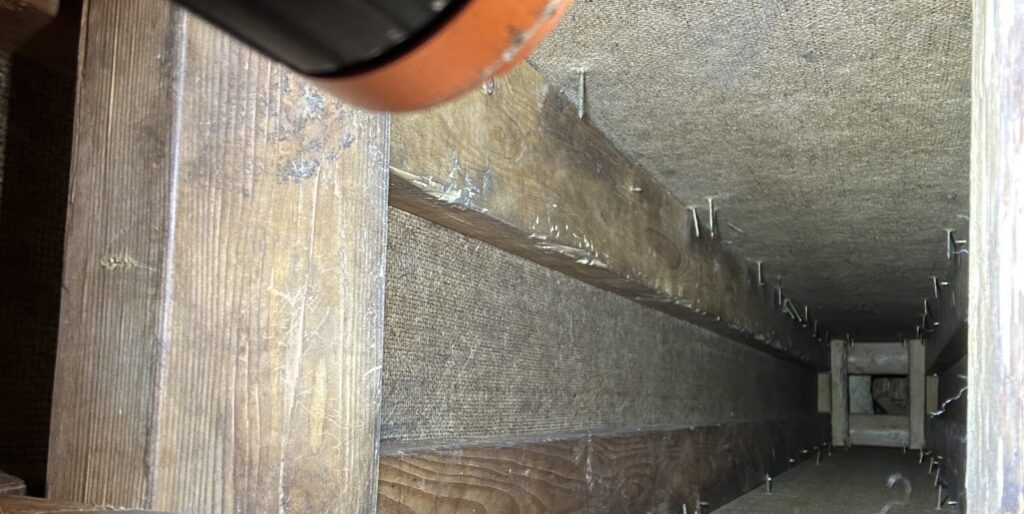
- From there, it entered concealed structural voids within the home
- These internal spaces eventually led directly into the attic
This discovery confirmed that the roof had never been the problem. It had been completely secure from the start, which is why the initial inspection revealed nothing. The real entry point was hidden in plain sight, built into the architecture of the porch itself.
What made this case so unusual was not just the entry point, but how effectively it allowed the raccoon to remain undetected while moving through multiple levels of the home.
Why This Case Was So Deceptive
At first glance, this situation looked like a straightforward attic intrusion. A raccoon in the attic almost always points to a roof entry, which is why the initial inspection focused there. In most cases, that approach is correct. But in this Denver home, every visible clue pointed in the wrong direction.
The real challenge was that there were no obvious exterior signs where technicians typically expect to find them. The roof was intact, there were no visible openings, and nothing suggested a breach from above. Meanwhile, the raccoon was actively using the attic, which made the absence of a clear entry point even more misleading.
What made this case so difficult to diagnose at first included:
- A completely undamaged roof with no weak points
- No visible entry holes or structural gaps at roof level
- Activity concentrated in the attic, masking the true travel route
- A hidden architectural feature that blended seamlessly into the home’s design
- A ground-level entry point that is rarely considered in raccoon cases
This is what made professional experience essential. Matthew Cooper had to move beyond assumptions and follow subtle environmental clues rather than relying on the most common entry scenarios. Without that broader perspective, the true access point could have easily been missed entirely.
Why Professional Experience Made the Difference
Cases like this highlight why raccoon problems are rarely as simple as they first appear. While many homeowners assume the roof is always the entry point, wildlife often exploits unexpected weaknesses in a home’s design. Without a trained eye, those hidden pathways can be nearly impossible to detect.
Matthew Cooper’s approach relied on careful observation and a willingness to step outside the most common assumptions. Instead of stopping at a clean roof inspection, he expanded the search until the evidence began to tell a different story. That persistence is what ultimately led to discovering the hollow porch pillars and the concealed route into the attic.
This level of investigation is critical because:
- Wildlife adapts to use unconventional entry points that blend into structures
- Homeowners typically inspect only the most obvious areas, like roofs and vents
- Hidden architectural voids can connect directly to living spaces
- Small ground-level clues often reveal larger structural pathways
- Misidentifying the entry point can lead to repeated infestations
With the expertise of Skedaddle Humane Wildlife Control, technicians are trained to think beyond surface-level damage and trace wildlife movement through the entire property. In this case, that broader perspective was the key to solving a problem that initially had no obvious answer.
Prevention: Closing Off Hidden Access Points
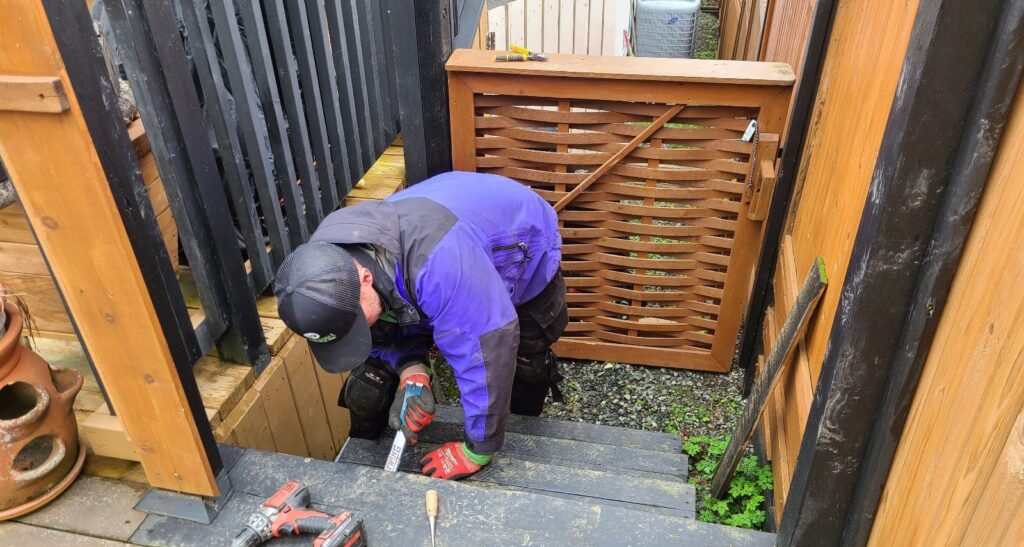
Once the true entry route was identified, it became clear that prevention in a case like this goes far beyond roof maintenance. The real vulnerability was not visible from the street or even from a standard exterior inspection. Instead, it was hidden within the architectural structure of the porch itself.
Homes with features like hollow pillars, deck voids, or enclosed porch bases can unintentionally create perfect pathways for wildlife. These spaces are often dark, sheltered, and connected enough to allow animals to move undetected between ground level and upper portions of the home.
Effective prevention focuses on identifying and securing these overlooked areas:
- Inspect porch and deck structures for hollow or open cavities
- Seal access points beneath porches where animals can enter unseen
- Reinforce structural voids with wildlife-proof materials
- Check for soil disturbances or repeated ground-level activity
- Schedule full-property inspections, not just roof assessments
Preventing future issues requires looking at the home as a complete system, not just isolated parts. Wildlife rarely follows predictable entry routes, so every potential connection between the ground and the attic must be considered.
Technicians with Skedaddle Humane Wildlife Control emphasize that exclusion work is most effective when all hidden pathways are addressed at the same time. Otherwise, animals like raccoons will continue to find and reuse these concealed structural routes.
The Entry Point You Never See Is the One That Matters Most
What began as a typical case of raccoon activity in the attic turned into a much more complex investigation than expected. With no damage on the roof and no obvious signs of entry, the true source of the problem remained hidden until the entire property was carefully examined. The real entry point was not above the home at all, but built into the structure of the front porch, where hollow pillars created an unseen pathway into the attic.
This case is a reminder that wildlife problems are not always straightforward. As technician Matthew Cooper demonstrated, solving the issue required looking beyond the obvious and following subtle clues that led away from the roof entirely. Without that level of detailed inspection, the raccoon’s access point could have easily been missed, leading to a repeat problem in the future.
If you are hearing noises in your attic or suspect wildlife activity in your home, it is important not to assume the entry point is obvious. Contact Skedaddle Humane Wildlife Control for a professional inspection and humane removal. Identifying the real source of the problem is the key to ensuring your home stays protected long after the animal is gone.

 Loading...







