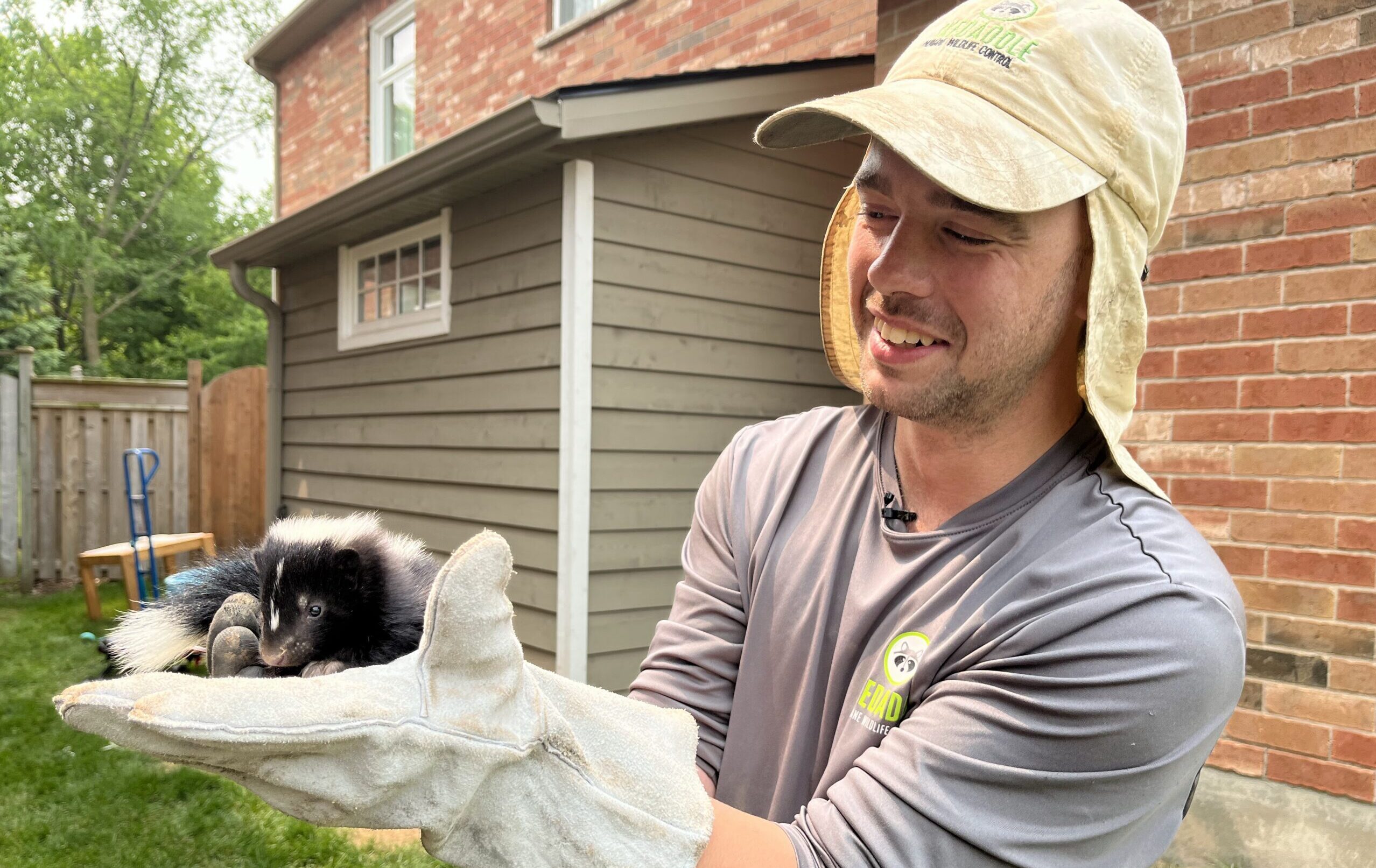
If you’ve ever had an unexpected visit from wildlife, you know how tricky it can be to decide what to do next. Maybe it’s a family of raccoons under your deck, birds nesting in your eaves, or squirrels running through your attic. You might be wondering, “Should I try living with wildlife, or is it time to remove them from my home?” The balance lies in understanding the importance of sharing space with nature while also protecting your home, family, and peace of mind. Finding that balance isn’t always easy, but it starts with asking the right questions and knowing your options.
When it’s clear that wildlife has moved a little too close for comfort, humane wildlife removal is the best solution. You don’t have to choose between nature and safety. At Skedaddle Humane Wildlife Control in North Atlanta, we specialize in helping you understand when to remove wildlife from your home in a way that’s safe for your family and kind to the animals. Whether you’re dealing with raccoons, squirrels, or birds, we believe in humane methods that respect both people and wildlife.
This guide will help you understand when living with wildlife is possible and when it’s time to remove it. You’ll also learn about humane wildlife removal options that protect animals while restoring your space. Together, we’ll ensure you can coexist with nature without sacrificing safety or comfort.
How Can You Coexist with Wildlife on My Property?
Coexisting with wildlife on your property starts by creating boundaries that protect both your home and local animals. This includes securing garbage bins, sealing entry points around your home, and using wildlife-friendly deterrents to encourage animals to stay in natural habitats.
The key is maintaining a balance—allowing animals to live nearby without enabling behaviours that could lead to damage or unsafe interactions. By fostering an environment where wildlife can thrive without encroaching on personal spaces, homeowners can coexist peacefully with the nature around them.
When Wildlife Coexistence Works
Animals play important roles in our environment. Squirrels help spread seeds that grow into trees. Bats eat thousands of insects every night, keeping mosquito populations down. Skunks dig up grubs that would otherwise damage your lawn. These benefits mean that tolerating some animal activity around your property can actually help you.
Many animals pass through your yard without causing problems. Here’s when you can usually coexist peacefully:
- Animals Stay Outside: If squirrels nest in your trees or rabbits hide under your bushes, they are living where they belong. Outdoor spaces are part of their natural habitat. As long as they remain outside and away from structures, there is usually no concern.
- No Property Damage: Animals that do not chew wires, dig under decks, or damage foundations can often be left alone. Minor activity in lawns or gardens may not cause lasting harm. The problem begins when damage affects the safety or structure of your home.
- No Health Risks: When animals keep their distance and avoid leaving droppings near doors, decks, or air vents, the health risk stays low. Outdoor wildlife is common in many neighbourhoods. Concerns increase when animals move closer to living spaces.
- Natural Behaviour: Animals hunting for insects, eating fallen fruit, or passing through your yard are acting on instinct. These behaviours are part of the natural food chain. Brief visits that do not involve denning or damage are usually normal.
You might also choose to take simple steps that help you share your space. Securing garbage bins, removing bird feeders temporarily, and closing off access points can prevent conflicts before they start. These actions let animals stay in the area while protecting your property.
Signs It’s Time to Remove Animals
Sometimes animals cross the line from neighbour to nuisance. Certain situations require professional help because the risks outweigh the benefits of coexistence. You should consider removal when:
- Animals enter your home: When animals move into attics, walls, chimneys, or crawl spaces, the situation changes. These areas are not safe for wildlife or your family. Indoor spaces can quickly turn into nesting sites if access points are not secured.
- Structural damage occurs: Chewed wires, torn insulation, and broken vents can create serious safety risks. Damaged wiring increases the chance of fire. Over time, small entry holes can grow into larger structural problems.
- Health concerns arise: Droppings inside living areas or contaminated insulation can affect indoor air quality. Some animals may become defensive if they feel trapped. Close contact increases the risk of illness or injury.
- Repeated problems happen: If animals continue returning despite efforts to block them, the issue may be deeper than it appears. Hidden entry points are often missed. Professional removal and proper sealing help prevent ongoing activity.
Animals inside your home pose serious risks. Raccoons can tear apart insulation and create fire hazards by exposing wires. Mice leave droppings that spread disease. Bats roosting in your attic can lead to histoplasmosis, a respiratory illness caused by their droppings.
You should also act quickly if animals show signs of illness or aggression. Rabies, distemper, and other diseases can affect animals that normally avoid people. If an animal approaches you, acts strangely, or seems unafraid of humans, stay away and contact professionals right away.
Understanding Humane Removal Options
When you need to remove animals from your home, the method matters. Skedaddle Humane Wildlife Control in North Atlanta specializes in solutions that protect both animals and homeowners. Here’s how humane removal works:
One-Way Doors
One-way doors let animals leave your home but prevent them from getting back in. This method works well because:
- Animals exit safely on their own schedule
- No trapping or relocation disrupts their territory
- Baby animals can leave with their mothers
- The solution addresses the problem without harming anyone
Sealing Entry Points
After animals leave, professionals seal all possible entry points. This crucial step prevents future problems by:
- Blocking gaps in roofing and siding
- Covering vents with secure screens
- Repairing damaged areas animals used to enter
- Using materials animals can’t chew through
Cleanup and Restoration
Professional services include thorough cleanup because animal occupancy leaves behind health hazards. The team:
- Removes contaminated insulation
- Cleans and disinfects affected areas
- Repairs damage to your home’s structure
- Restores your space to safe, livable condition
Never attempt to clean up animal droppings or nesting materials yourself. These materials can carry diseases that spread through the air when disturbed. Professional teams have the proper equipment and training to handle cleanup safely.
Why Humane Methods Work Best
Humane removal protects animals while solving the problem the right way. These animals play a role in the local ecosystem. They help control insect numbers and spread seeds. Removing them without harm keeps nature balanced.
Our professional services also follow local laws that protect certain species. Many areas have rules about how wildlife must be handled. Trapping or poisoning can break those rules and create bigger issues. Humane methods work within the law and protect both people and animals.
Long-term prevention is another reason humane methods work best. Sealing entry points solves the root cause instead of removing just one animal. This approach helps prevent future problems. Allowing animals to leave safely avoids stress and suffering while protecting your home.
Making Your Property Less Attractive
Reducing what attracts animals makes a big difference. Securing food sources helps limit visits. Locked garbage bins, removing outdoor pet food, and cleaning up fallen fruit reduce easy meals. When food is not available, animals look elsewhere.
Shelter also plays a major role. Trimming tree branches away from the roof limits access to upper areas. Clearing brush piles and capping chimneys removes safe hiding spots. Fixing loose siding, repairing vents, and sealing gaps stops small openings from becoming larger problems.
Water sources can also draw wildlife in. Fixing leaky outdoor faucets and removing standing water reduces another basic need. When food, shelter, and water are limited, animals naturally move on. These changes make your property less appealing without causing harm.
Frequently Asked Questions
Is it illegal to trap or relocate wildlife in North Atlanta?
In many cases, yes. Wildlife laws often restrict trapping and relocation without proper permits. Professional services understand local regulations and ensure removal methods follow state and municipal guidelines. Relocating animals can also harm them. Moving wildlife away from their territory lowers survival rates and may create new problems in other areas.
How much does humane wildlife removal cost?
The cost depends on the animal, the damage involved, and how many entry points must be sealed. Every situation is different. Our professional services include inspection, safe removal, sealing work, and cleanup. Investing in proper exclusion helps prevent repeat problems and future repair costs.
Will homeowners insurance cover wildlife damage?
Some insurance policies cover certain types of wildlife damage, but not all. Coverage often depends on how the damage occurred and your specific policy details. It is important to review your policy or speak with your provider. Professional documentation from an inspection can sometimes support a claim.
How long does humane wildlife removal take?
Most removal processes take a few days to a couple of weeks. The timeline depends on the species and whether babies are present. One-way doors allow animals to leave on their own schedule. After activity stops, entry points are permanently sealed.
Can wildlife removal be done without harming baby animals?
Yes. Humane methods are designed to protect young animals. Professionals carefully assess for nesting activity before beginning exclusion work. One-way systems allow mothers to move their babies safely. This approach prevents separation and supports responsible wildlife control.
Get Professional Help When You Need It
Living with wildlife can be part of everyday life. Squirrels in trees or rabbits in the yard are often not a problem. The situation changes when animals move inside your home or begin causing damage. Chewed wires, torn insulation, and strong odours are signs that help is needed. Health concerns can also grow if droppings collect near living areas.
Knowing when to call for help protects both your home and your family. Animals inside attics, walls, or crawl spaces should never be handled without professional care. Skedaddle Humane Wildlife Control in North Atlanta provides safe, humane solutions designed to solve the problem fully.
Our team uses proven methods such as one-way doors that allow animals to leave safely but not return. We seal entry points, restore affected areas, and ensure the issue does not repeat. Request an estimate today to protect your home while respecting the animals around it.

 Loading...







