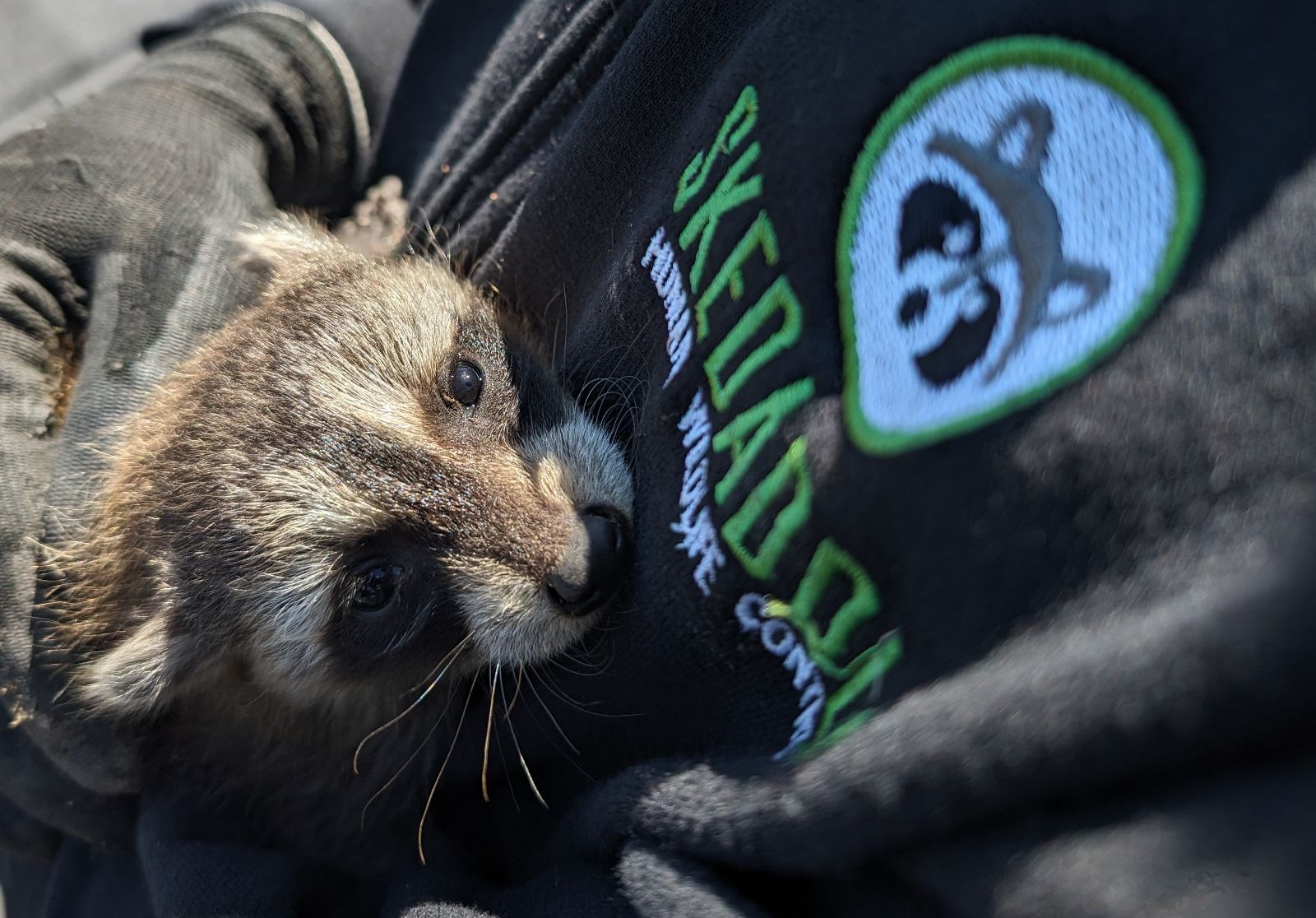
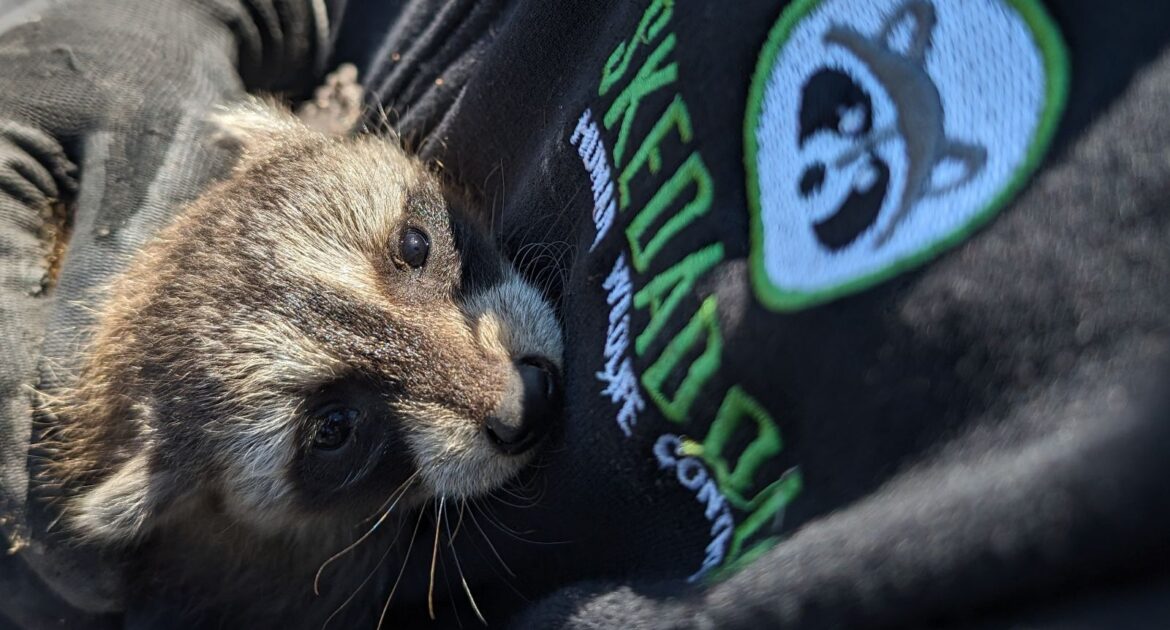
Even amidst Colorado’s breathtaking Rockies, raccoons in walls can turn a peaceful home into a source of stress for families and business owners. At Skedaddle, we’ve seen firsthand how these resourceful animals use their intelligence and dexterity to slip inside buildings—transforming cozy wall spaces into dens.
Raccoons only need a small opening to squeeze through, and before you know it, telltale noises or damage can signal major trouble. Understanding how raccoons gain entry, the warning signs to look for, and the best ways to prevent infestations is essential for anyone living or working across Colorado communities, from Denver to Boulder.
When raccoons settle unseen between your walls, it’s more than a nuisance—it can lead to costly repairs, health risks, and even legal conflicts regarding who is responsible for swift removal. That’s where our expertise comes in, at Skedaddle Humane Wildlife Control in Denver, we help you identify the first signs of raccoons in your home and avoid future problems.
How Do Raccoons Get Inside Your Walls?
Raccoons are highly skilled climbers, perfectly adapted for life in cities and suburbs. As residents of Colorado know, even something like an aging Denver bungalow or a modern newly-constructed home can offer entry points.
Raccoons typically look for:
- Loose or chewed siding
- Gaps around roof vents or soffits
- Damaged roof shingles
- Weaknesses in attic vents
- Openings around chimneys or uncapped flues
All it takes is a gap roughly four inches wide for a determined raccoon to gain entry. Their strong paws and sharp teeth can quickly expand a small opening, allowing them to access wall voids—particularly when preparing warm nests for the winter or safe spaces for spring litters.
Their attraction to properties often increases as building materials degrade with age or as a result of storm damage. We see this across local neighborhoods, where weather can deteriorate even the sturdiest exteriors. If you live near greenbelts, rivers, or established trees, raccoon activity may be even more frequent.
Recognizing potential entry points early is the first step in preventing a full-blown infestation from developing inside your walls.
Signs of Raccoons in Walls
Acting quickly depends on knowing what to look and listen for. Raccoons aren’t shy about announcing their presence, especially during the night.
Common signs of raccoons in home and wall spaces include:
- Scratching, rustling, or thumping sounds—mainly after dark
- Chirping or whining noises, particularly in spring (when baby raccoons are present)
- Strong odors emanating from walls, vents, or attic areas
- Stains on ceilings or walls from urine or nesting material
- Insulation torn loose, sometimes visible around vents or in attics
- Droppings near possible entry points or within crawl spaces
You may also notice external clues such as:
- Damaged soffits, vents, or rooflines
- Paw prints near gutter downspouts, decks, or low roofs
- Trash scattered around bins
Recognizing these signs early can help prevent further structural damage and serious health risks. Raccoon waste can carry parasites and bacteria, creating unhealthy air quality for anyone inside, especially young children or pets.
If you live in a rental property, recognizing these red flags is also important to advocate for timely action from your property manager or landlord.
Let’s discuss what happens if these warning signs are ignored and the consequences of allowing raccoons to remain.
Consequences of Ignoring Raccoons in Walls
Allowing raccoons to stay hidden inside your home or business can lead to extensive repairs and health hazards.
Issues caused by raccoons in walls include:
- Ruined insulation, leading to higher energy bills
- Chewed electrical wires, increasing the risk of electrical fires
- Foul odors that permeate walls and living spaces
- Destruction of wooden beams or drywall
- Introduction of dangerous parasites like roundworm (Baylisascaris)
- Risk of rabies exposure through urine, feces, or direct contact
It’s not just your property’s structural integrity at stake. Sound insulation may become soaked with urine, ductwork might be torn open, and drywall could often need replacement. The buildup of droppings and nesting material can increase allergens and the risk of infectious diseases.
For businesses, these problems can lead to failed inspections or closures. For families, health and safety are always top priorities.
Taking action as soon as you spot raccoons prevents escalating costs and keeps your environment safe.
How to Prevent Raccoon Infestations in Colorado
Prevention is key—especially for homeowners and property managers looking to avoid another wildlife experience.
Some highly effective strategies to prevent raccoon infestations include:
- Secure all attic, roof, and wall vents with heavy-gauge wire mesh
- Replace damaged or loose shingles, soffits, or siding promptly
- Cap chimneys and flues with raccoon-proof covers
- Install one-way doors over suspected entry points—best handled by professionals
- Store trash in raccoon-resistant containers and avoid leaving food outdoors
- Trim trees and shrubs that give direct access to roofs or upper floors
Regular home inspections are essential, especially if you’ve had previous wildlife issues or live near waterways or parks where raccoons are common. Our Skedaddle technicians are trained to spot every vulnerability and use proven techniques tailored to Colorado’s construction styles and climate.
By proactively sealing gaps and reinforcing entry points, our team helps keep raccoons out year-round and prevents repeat invasions.
Whenever you notice possible openings, unusual noises, or damage, act fast rather than wait for the problem to worsen.
Now let’s discuss what to do if you suspect—or already know—you have raccoons living inside your walls.
Professional Raccoon Removal: What Skedaddle Does
Removing raccoons from inside your walls requires experienced, humane professionals. Attempting this yourself poses risks for both people and animals.
At Skedaddle, our process begins with a thorough inspection of your property to identify all entry points and den locations. We use advanced tools to locate hidden raccoons and young kits. When babies are present, we hand-remove them and place them safely in heated reunion boxes outside, while employing humane eviction methods such as one-way doors to guide the mother back to her young—without causing harm.
Afterward, we clean and sanitize the affected area to remove hazardous materials and lingering odors, seal every possible opening with heavy-gauge screening and professional-grade materials, and walk you through each step so you can feel confident your home is secure moving forward.
Why choose Skedaddle for raccoon problems in Denver and across Colorado?
- Over three decades of hands-on experience with local wildlife
- Friendly, approachable technicians who explain each step
- Humane, family-safe methods for both removal and cleanup
- Lasting repairs to keep raccoons from returning
Letting experts handle the removal not only protects your family and pets but also reduces damage and prevents future infestations.
If you’re living with the stress of raccoons in walls, prompt attention makes all the difference—especially for tenants and landlords.
Legal Considerations: Your Rights and Next Steps
Raccoon issues don’t only affect property owners; many renters face delays or inaction when seeking help. Understanding your rights is crucial.
Here’s what every tenant and landlord should know:
- In Colorado, landlords must provide livable, safe rental spaces. Wildlife infestations that threaten health or safety, such as raccoons in walls, are typically covered under this law.
- Tenants should promptly notify landlords in writing of possible signs of raccoons in walls.
- If assistance is delayed or ignored, renters have options. These include requesting formal inspections, contacting local housing authorities, or, in severe cases, withholding rent until repairs are made (following legal procedures).
- Document all communications and evidence of the problem, including sounds, damage, or photos.
- Homeowners’ insurance could help cover certain wildlife-related repairs, so check your policy.
Advocating for a timely fix benefits everyone. Our team at Skedaddle often supports both property managers and residents in coordinating professional wildlife solutions to ensure legal standards are met.
Why Choose Professional Help for Raccoons in Denver?
Attempting raccoon removal without training is risky and rarely leads to long-term solutions. At Skedaddle, we’ve refined our approach to removal and prevention over 30 years, remaining current with local laws, safety standards, and wildlife behavior unique to Colorado.
Here are reasons to trust us:
- Humane, science-based approach to every situation
- Rapid response for urgent cases
- Customized plans for each property, business, or rental
- Commitment to safely reuniting mothers with their young, without stress or harm
- Thorough cleaning to prevent health concerns from droppings or nesting material
By acting early and trusting skilled technicians, Denver-area residents and property managers can ensure their homes remain safe, comfortable, and free from raccoons.
Planning ahead and responding quickly are the best ways to prevent raccoon infestations, reduce legal risk, and avoid costly repairs, whether you’re in a mountain town or a Denver neighborhood.
Take Action Before Raccoons Cause Trouble
Raccoons are clever and resourceful, quickly converting hidden spaces within homes into their dens—with consequences that may include damaged insulation and wiring, as well as hazardous health risks. Early detection and prevention are crucial, and relying on professional expertise can make all the difference in addressing these crafty invaders safely and humanely.
Don’t leave your property’s safety to chance or risk further headaches by attempting removal on your own. Skedaddle’s experienced team has the tools, training, and decades of local know-how to resolve raccoon infestations thoroughly, protecting your home or business for the long haul. For peace of mind and a raccoon-free environment, contact Skedaddle today—let’s safeguard your space together before small problems escalate into big ones.

 Loading...