You may look at your roof from the yard and think every opening is secure. However, wildlife can enter through narrow gaps at roof-soffit intersections, vent edges, fascia boards, drip edges, chimneys, and flashing. Many of these weak points are hidden behind materials that appear solid from below.
Fall weather can make these gaps more important. As nights become colder, animals may search for warm, dry shelter inside attics and walls. Scratching, droppings, odors, stains, or damaged insulation may appear after they have already moved inside.
At Skedaddle Humane Wildlife Control in Colorado, we inspect the whole roof and attic to find active entrances and hidden damage. You should not climb onto the roof, enter a contaminated attic, or seal a suspected opening yourself. In this blog, we explain the roof entry points homeowners often miss and how our professional team inspects them safely.
Why Are There So Many Bats Around My House?
Bats may gather near your house because the area provides food, water, seasonal travel routes, or possible shelter. Nearby trees, water, and exterior lights can support feeding activity. Fall movement may also make them more visible around sunset.
Flying above the yard does not always mean they have entered the home. They may be feeding outdoors before moving to another location. The concern grows when they repeatedly approach or disappear into one roof opening.
Dark staining, droppings, and sounds near the same area can provide more evidence of a roost. Bats are only one type of wildlife that may use narrow roof gaps. A professional inspection can determine whether the activity remains outdoors or has moved inside.
Roof-Soffit Intersections Hide Narrow Gaps
A roof-soffit intersection forms where a lower roof meets an upper wall or overhang. These areas contain several materials that must fit together closely, including shingles, trim, siding, and soffit panels. Even a small error during construction or a slight shift over time can create an opening. Because these intersections are often shaded and difficult to view from below, the problem may remain hidden for years.
- Lower Roofs Meeting Upper Soffits: A lower roof may end directly beneath the soffit of an upper section. If the materials do not meet tightly, a sheltered gap can remain between them. Wildlife may move across the lower roof and enter the attic or ceiling through this protected space. The angle makes the opening difficult to see without inspecting it from several positions.
- Corners Between Soffit Panels: Soffit panels meet at corners, roof peaks, and changes in the direction of an overhang. These panels can loosen, bend, or separate as wind and temperature changes place stress on them. A narrow seam may provide access behind the visible surface and into the roof structure. Deep shadows beneath the overhang can make the gap look smaller than it really is.
- Spaces Behind Decorative Trim: Decorative trim is often installed over joints between the roof, wall, and soffit. The finished surface may look solid while an unfinished construction gap remains behind it. Wildlife can sometimes enter through a loose edge and move into the hidden space beneath the trim. Our technicians examine the full joint instead of judging it only by its outside appearance.
- Connections Around Roof Extensions: Porches, attached garages, sunrooms, and additions create more places where one roof section meets another. The original home and the newer section may settle or expand at different rates. Over time, this movement can pull materials apart and create a hidden seam. Because these connections often contain several layers, the active entrance may not be where the exterior damage first appears.
A roof-soffit intersection should be treated as one connected system. One small corner may include the soffit, wall, roof deck, flashing, and attic space. Damage in any part of that connection can create a route deeper into the home. Our professional inspection follows the entire joint to find active entrances and nearby weaknesses.
Compromised Roof Vents May Still Look Secure
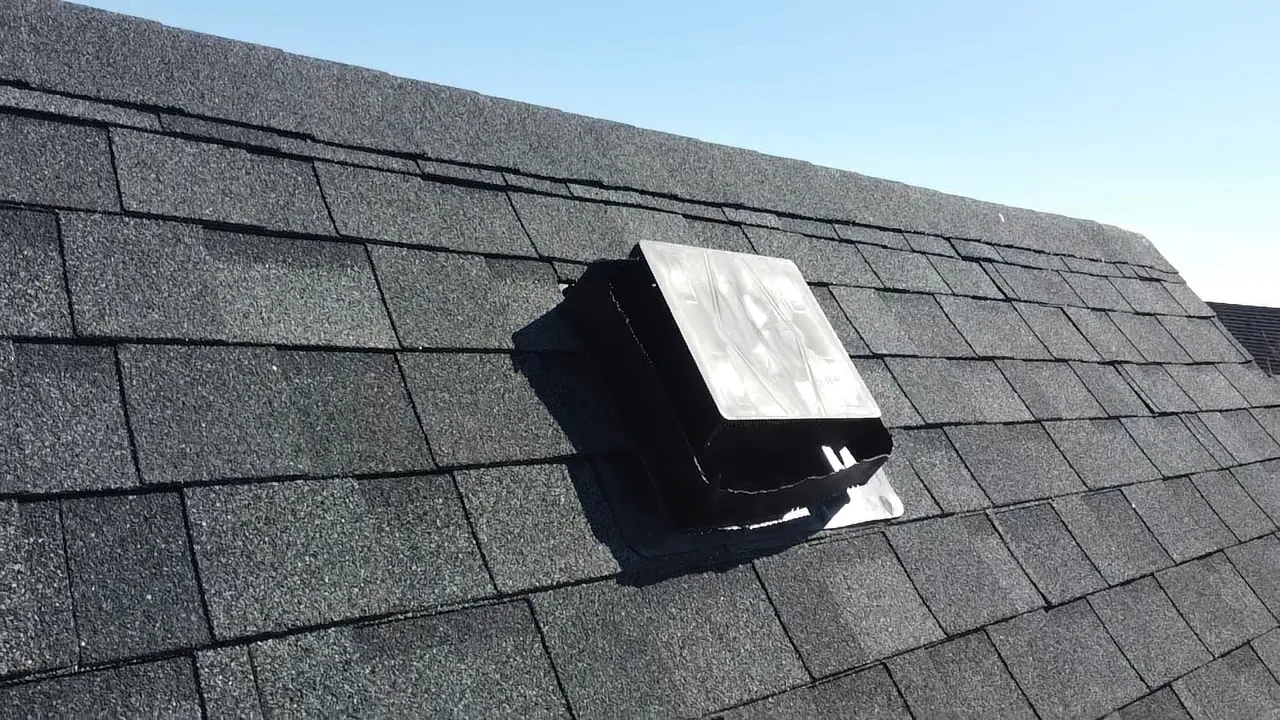
Roof vents allow heat and moisture to escape from an attic, but they must also remain protected against entry. A vent can appear to be in place while its screen, frame, seal, or hidden lower edge has failed. Warm air leaving the attic may make these openings more noticeable during cool fall weather. A close professional inspection is often needed because the damage may not be visible from the yard.
- Loose Vent Edges: Wind, moisture, and temperature changes can weaken the seal around a roof vent. As the frame shifts, a narrow space may form between the vent and the surrounding shingles. Wildlife can use that protected edge to reach the attic without removing the full cover. What looks like a minor lift from below may hide a much larger opening underneath.
- Damaged Screens: Many roof vents contain screening behind the outer cover. That screen may tear, rust, bend, or pull away while the visible part of the vent stays in place. As a result, the roof can look secure even though the barrier behind it has failed. Our technicians inspect both the outside cover and the screening below it.
- Cracked Plastic Covers: Plastic vent covers can become weak after years of sun, wind, snow, and changing temperatures. Cracks often form along the sides, lower edge, or areas around the fasteners. Wildlife may push against a weak section until there is enough room to enter. The damage can then spread each time the same route is used.
- Openings Beneath Ridge Vents: Ridge vents run along the highest point of the roof and release warm attic air. A gap beneath one section may continue along a large part of the roof peak instead of forming one obvious hole. This can make the active entrance hard to locate from inside or outside. Our technicians inspect the full ridge and the attic area below it.
- Spaces Around Exhaust Pipes: Plumbing and exhaust pipes must pass through the roof, creating joints that require seals and flashing. Those materials may crack, loosen, or separate as the roof ages. A small space around the pipe can lead into the roof deck, attic, or a connected wall cavity. Water stains near the same area may also point to a larger problem with the joint.
A roof vent should never be covered simply because it appears damaged. Wildlife may already be entering and leaving through the opening, and dependent young could remain inside. Closing the vent too soon can trap them or force them into another part of the home. Our team checks the attic and confirms that humane removal is complete before installing lasting protection.
Rotted Fascia Can Remain Hidden Behind Gutters
Fascia boards run along the roof edge and often sit directly behind gutters. Leaves and debris can trap moisture against the wood. Over time, the board may soften even though the gutter hides most of the damage.
Weak fascia can create access to the soffit or attic. Wildlife may use an existing hole or push against the damaged material. The opening may grow before it becomes visible from the ground.
Sagging gutters, water stains, loose soffits, or repeated activity near the eaves may point to a problem. Homeowners should not remove gutters or inspect the roof edge from a ladder. Our technicians examine the gutter, fascia, soffit, and attic connection together.
Drip Edges Can Conceal Construction Gaps
A drip edge is a metal strip that directs water away from the roof and fascia. It can also hide the joint between the roof deck and the board below. If that joint contains a construction gap, the metal may cover it from view.
Installation issues, repairs, and normal building movement can create space beneath the edge. Wildlife may find the narrow seam and reach the enclosed area behind it. Repeated use can loosen or damage nearby materials.
Lifting the drip edge to inspect beneath it can harm shingles or affect drainage. This work also requires access to a dangerous roof edge. We can examine the area while checking the connected gutters, fascia, and soffits.
Unscreened Chimneys Provide Access From Above
A chimney is one of the highest and most exposed parts of a home. From above, an open flue can look like a dark, protected hollow that offers shelter from wind, rain, and colder temperatures. Openings around the chimney may lead into the flue, attic, or nearby roof structure. Because most of the area cannot be seen from the ground, serious damage may look like a small surface flaw.
- Missing Chimney Caps: A chimney without a secure cap provides direct access from above. The flue may offer a deep, sheltered space where wildlife can rest or build a nest. You should not assume the chimney is empty because the fireplace is quiet. A professional must inspect the full shaft before a cap or other barrier is installed.
- Damaged Cap Screening: An existing chimney cap may still have bent, broken, or missing screening around its sides. These weak points can provide access even when the solid top remains firmly attached. From the yard, the cap may appear complete because the damaged section faces away from view. A close inspection is needed to examine every edge, fastener, and corner.
- Gaps Around Flashing: Metal flashing seals the joint where the chimney passes through the roof. Wind, water, ice, and normal building movement can cause it to lift or separate from the masonry. A gap in this area may lead into the attic instead of the chimney flue. This means activity near the chimney can affect a different part of the home than expected.
- Cracks Near the Chimney Crown: The crown covers the top surface of the chimney and helps direct water away from the masonry. Cracks can form as mortar ages or reacts to freezing and thawing. Some cracks may only hold water, while others may connect with protected spaces inside the structure. Our technicians determine whether the damage is only structural or has become an active entry route.
Sounds or odors near the fireplace may provide the first clue that the chimney requires attention. Debris may also fall into the firebox when nesting material or damaged masonry shifts above it. You should not look up the flue, reach past the damper, or climb onto the roof. Our team can inspect the chimney, flashing, attic connection, and roof safely.
Flashing and Complex Roof Joints Create Hidden Routes
Every change in a roof’s height, angle, shape, or material creates another joint that must remain sealed. Complex rooflines may include dormers, valleys, chimneys, additions, and several types of exterior finish. Flashing protects many of these connections, but it can also hide gaps beneath its visible surface. A roof may therefore look complete while an opening remains behind shingles, siding, or metal.
- Dormer Connections: Dormer walls meet the main roof along several vertical and horizontal edges. Siding, trim, shingles, and flashing must all come together at these points. If one piece shifts or was not fitted tightly, a narrow gap can lead into the dormer or main attic. The entrance may be located around a corner from the damage that can be seen from below.
- Roof Valleys: A valley forms where two roof slopes meet and direct rain or melting snow toward the gutters. Water, leaves, and other debris can collect along this channel and place stress on the materials beneath it. Loose shingles or weakened flashing may expose a gap below the roof surface. Since valleys are recessed, the damaged area may remain hidden from most ground-level views.
- Addition Rooflines: A newer addition may connect with an older roof through several seams and changes in height. The two parts of the home can settle, expand, or contract at different rates. This movement may pull flashing, siding, or trim away from the original structure. Wildlife can then follow the protected seam into a ceiling, wall cavity, or attic.
- Chimney and Wall Flashing: Flashing must fit tightly against masonry, siding, or stucco while also covering the edge of the roof. Over time, the metal may lift, bend, or separate from the wall. The opening beneath it can expose wood and other softer building materials. Weather and repeated activity may then make the gap larger.
- Joints Between Different Materials: Brick, wood, stucco, siding, and roofing respond differently to heat, cold, and moisture. A connection that was once tight may slowly separate as the materials move. These seams often form around roof edges, upper walls, and attached structures. Our technicians inspect every transition point because several small openings may be connected.
Repairing one visible seam may leave other nearby gaps open. The active entrance may also sit several feet away from the place where sounds, stains, or damaged materials appear. A full roofline inspection connects each joint with the attic and wall spaces behind it. This allows our team to address active entry points and other weaknesses that could create problems later.
Interior Evidence May Reveal an Exterior Roof Gap
An exterior opening may be difficult to see, but evidence inside the attic can help locate it. Scratching, movement, droppings, odors, disturbed insulation, and nesting material can point toward active use. Daylight may also enter through a damaged seam.
The loudest sound may not be beside the entrance. Wildlife can move through rafters, ceiling spaces, and wall cavities after entering. The nest, waste, and exterior opening may therefore appear in different parts of the home.
You should not enter an attic to follow the sounds or search through insulation. Droppings and nesting material should never be touched, swept, or vacuumed. Our technicians compare interior evidence with a complete exterior roof inspection.
Why Colorado Roofs Need Fall Attention
Colorado weather can place stress on roofing materials. Strong sun, wind, snow, and changing temperatures may affect seals, fascia, flashing, and vent edges. Repeated temperature shifts can also cause materials to expand, contract, and separate.
Homes across the state have many different roof slopes and building styles. Chimneys, additions, attached garages, vents, and complex rooflines create more joints to inspect. Even a newer roof may contain small gaps around these features.
Cool fall nights can increase the search for protected shelter before winter. Skedaddle Humane Wildlife Control in Colorado checks for current activity as well as weak areas that could be used later. This professional approach helps protect the whole roof rather than one obvious hole.
Wildlife Removal and Prevention with Skedaddle
Our professional wildlife team inspects the roofline, soffits, fascia, vents, gutters, drip edges, flashing, chimney, and attic. We locate active entrances, structural weaknesses, damage, contamination, and signs of dependent young. You do not need to climb onto the roof or enter a confined space.
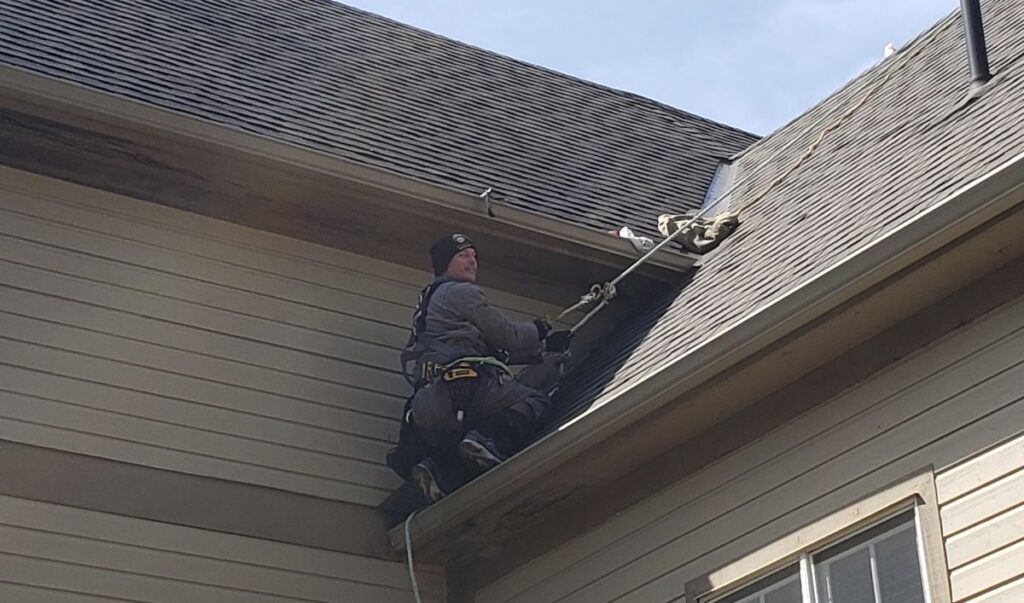
We create a humane removal plan based on the species, structure, season, and family situation. When appropriate, our one-way doors allow wildlife to leave but prevent them from getting back inside. We do not use live trapping and relocation.
After the occupied space is empty, our team secures vulnerable openings with durable materials. We can also remove waste, sanitize affected areas, and restore damaged insulation when required. This full process addresses the current problem and helps prevent another entry.
Frequently Asked Questions
What are the most commonly missed roof entry points?
Commonly missed areas include roof-soffit intersections, loose vent edges, fascia hidden behind gutters, drip edges, chimneys, and flashing. Many of these gaps sit behind materials that look secure from below. A professional roof and attic inspection is needed to examine them closely.
Does a small roof gap require attention?
Yes, a narrow gap may lead to a large attic, ceiling space, or wall cavity. Repeated use can also weaken the materials around the opening. It should be inspected before any repair or exclusion work begins.
What signs suggest the attic has been entered?
Scratching, movement, odors, droppings, staining, and disturbed insulation may point to attic activity. Nesting material or damage near a roof opening can provide more evidence. Homeowners should not enter the attic or handle anything that may be contaminated.
Should a suspected opening be closed immediately?
No active entrance should be sealed until professionals confirm that the space is empty. Adults or dependent young may still be inside, even when the opening appears quiet. Closing it too soon can trap them or force them into another part of the home.
Should droppings or nesting material be removed?
Contaminated material may need to be removed, but homeowners should not do this work. Sweeping or vacuuming can spread harmful particles through the air. Our trained professionals have the equipment and methods needed for safe cleanup.
Fix the Missed Gaps Before Winter
Roof-soffit intersections, vent edges, fascia hidden behind gutters, drip edges, chimneys, flashing, and complex roof joints can all conceal entry points. A roof may look secure from the yard while small openings remain beneath visible materials. As fall temperatures drop, these gaps can provide access to warm attic and wall spaces.
You should not climb onto the roof, enter the attic, touch contaminated material, or close a suspected entrance yourself. Adults or dependent young may still be inside, even when an opening seems quiet. Our professional removal must take place before permanent exclusion work begins.
At Skedaddle Humane Wildlife Control in Colorado, we can inspect your entire roof, identify active entrances, and assess hidden structural weaknesses. Our team handles humane removal, cleanup, repairs, and long-term prevention, so you do not need to perform dangerous work. Contact us to schedule a professional assessment or service appointment. You can also request an estimate to learn more about protecting your home before winter.

 Loading...