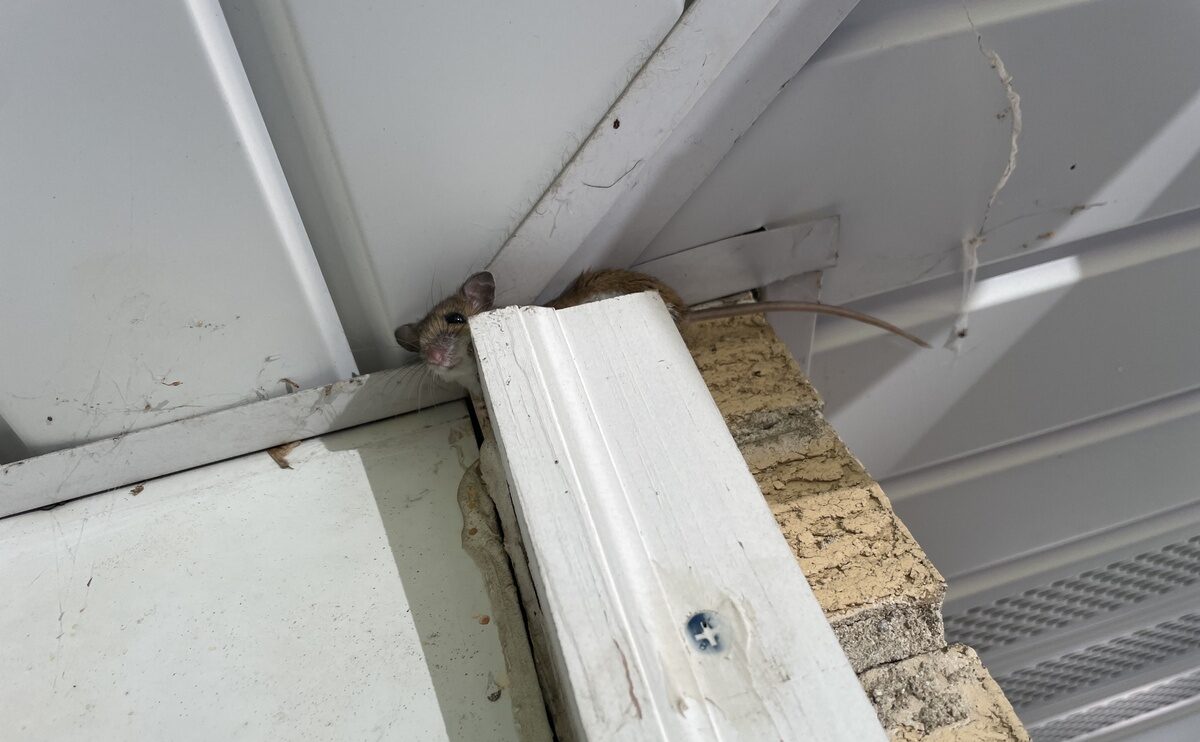
You open a kitchen cabinet to grab breakfast and notice a chewed cereal box. Later, a mouse darts along the baseboard and disappears behind the refrigerator. Your first instinct may be to empty the pantry and clean every shelf. Those are understandable starting points, but a kitchen sighting deserves a broader look.
As Milwaukee heads into colder fall weather, sheltered indoor spaces can offer mice access to food and places to hide. The kitchen may be where you notice them because that is where food is stored and meals are prepared. However, their entrance and shelter could be elsewhere.
A useful inspection considers three questions: Where are mice finding food? Where could they be sheltering? How are they getting inside? Checking the pantry addresses only part of that picture. Basements, garages, wall voids, crawl spaces, and attics may also need attention to understand the activity and develop a lasting prevention plan.
What to do if you see mice in the kitchen?
Put exposed food away in sturdy, sealed containers, check packaging for damage, and keep children and pets away from droppings. Avoid sweeping or vacuuming mouse waste. Record where you saw the mouse and contact Skedaddle for an inspection. A kitchen sighting can indicate activity elsewhere, so checking the pantry alone may miss the underlying problem.
Start With Pantry Food and Kitchen Storage
Begin with the food and storage areas you can safely inspect. A mouse may leave evidence inside a cabinet even when you have never seen it there. Look at packaging, shelf edges, and the spaces around stored items.
Paper bags and cardboard boxes offer little resistance to gnawing. Transfer unaffected dry goods into sturdy containers with tightly fitting lids, and avoid keeping pet food in an open bag on the floor.
Your first kitchen checks should include:
- Cereal, flour, rice, pasta, and snack packaging.
- Pet food and treats stored in lower cabinets.
- Crumbs inside drawers and along cabinet edges.
- Spills around trash and recycling containers.
- Chewed packaging or scattered food on shelves.
Set aside food that may have been contaminated rather than transferring it into a fresh container. Keep ordinary crumbs and spills cleaned up, but handle suspected mouse waste separately using appropriate cleanup guidance.
These steps reduce accessible food and make new signs easier to notice. They do not establish where mice are entering or whether they are sheltering nearby. Droppings in several cabinets, repeated sightings, or recurring packaging damage suggest the inspection should extend beyond one shelf.
Even a well-organized pantry can attract visits if mice have access through another part of the building. Food storage supports prevention, while a broader assessment helps identify the underlying access problem.
Look Beyond Cabinets to Appliances and Utility Gaps
A mouse disappearing behind the refrigerator can make that appliance seem like the center of the problem. In reality, the space behind it may provide cover or access to another concealed area.
Refrigerators, ranges, and dishwashers can leave sheltered spaces between equipment, cabinets, and walls. Plumbing beneath the sink and other service penetrations may also connect the kitchen with wall or floor cavities.
From accessible locations, look for:
- Droppings along cabinet bases or wall edges.
- Gaps around pipes beneath the sink.
- Gnawed materials near visible service openings.
- Food debris in reachable spaces beside appliances.
- Repeated sightings at the same cabinet or appliance.
An opening inside a kitchen cabinet is not necessarily the place where mice entered your home. It may be an interior route from a basement, wall void, or another connected space. Closing that opening alone may leave the exterior entrance untouched.
Avoid moving heavy appliances or disturbing gas, electrical, and water connections to investigate. Record the location of sightings and photograph visible concerns instead.
Routine cleaning and secure food storage are useful homeowner tasks. Suspected active routes require assessment before sealing. Understanding where an opening leads helps determine how it should be addressed as part of a complete removal and prevention plan.
Check Basements and Crawl Spaces Below the Kitchen
A kitchen sighting may have a connection to spaces beneath the floor. Pipes, wiring, and structural cavities can create links between lower levels and the rooms above. That makes basements and crawl spaces relevant areas to consider during an inspection.
In an accessible basement, look around the foundation perimeter, windows, exterior doors, and places where services enter. Storage can obscure these areas, especially when boxes are stacked against walls.
Useful observations include:
- Droppings along accessible wall edges.
- Chewed boxes or damaged stored goods.
- Visible openings around utility penetrations.
- Gaps near basement windows or door frames.
- Recurring sounds beneath the kitchen floor.
Organizing storage can make these areas easier to inspect. Move belongings where practical so the perimeter remains visible, and note anything unusual without disturbing suspected nesting material.
Crawl spaces require more caution. They may be cramped, difficult to access, or contain contamination and other hazards. Homeowners should not enter an uncomfortable or unsafe space simply to follow a possible mouse route.
Not every kitchen sighting begins below the floor, and not every home has a crawl space. The inspection should follow the building’s layout and evidence of activity. A professional can assess whether lower-level openings and connected cavities help explain what you are seeing upstairs.
Inspect the Garage and Its Connection to the Home
The garage can be easy to overlook when the visible problem is in the kitchen. However, an attached garage may provide initial access to sheltered space, followed by routes into other parts of the home.
Start with the exterior garage door. With it closed, look for visible gaps beneath the bottom seal and at the lower corners. Check the side weatherstripping and any pedestrian door as well.
Then consider the garage’s connection to the house:
- Does the connecting door fit snugly when closed?
- Are there visible gaps around accessible service penetrations?
- Is birdseed, grass seed, or pet food stored in open packaging?
- Are cardboard boxes hiding wall edges?
- Have you noticed droppings or gnawed materials?
Replacing worn weatherstripping and storing seed in sturdy, closed containers are reasonable maintenance steps. Repeated chewing, damaged seals, or other signs of activity warrant assessment before suspected entrances are closed.
A detached garage does not provide the same direct interior connection to the kitchen. It should still be checked if you notice signs of mice there, but activity in that structure does not establish how mice entered the house.
The goal is to identify relevant access points based on your home’s construction rather than assume the kitchen is the only affected area.
Understand Activity Inside Walls and Wall Voids
A wall void is the concealed space within a wall around framing, insulation, and some building services. These spaces can connect areas that appear separate from inside your home.
Mice may use accessible cavities for shelter or movement. A mouse that disappears through a cabinet opening could enter a wall void rather than remain behind the cabinet. That helps explain why a sighting in one room may warrant checks elsewhere.
You might also hear scratching or rustling without seeing an animal. Sounds are useful observations, but they do not identify the species or reveal the exact entrance. Noise can travel through building materials, making its source difficult to pinpoint.
Before an inspection, record:
- Where you have seen mice.
- Where and when you hear recurring sounds.
- Which openings mice appear to use.
- Locations of visible droppings or damage.
- Whether activity continues after food is secured.
This information helps guide the assessment without requiring you to open walls or dismantle cabinets.
Sealing a visible interior gap too soon can leave animals elsewhere inside the building while other routes remain available. A professional inspection considers how accessible openings and concealed spaces connect. That broader understanding helps support a coordinated plan for existing activity and future prevention.
Include the Attic in a Whole-Home Inspection
An attic may seem unrelated to a mouse near the kitchen sink, but mice can climb and use connected building spaces to move between levels. Upper areas therefore deserve consideration when the home’s layout or signs of activity point in that direction.
An attic can offer sheltered space among insulation and stored belongings. Possible signs include droppings, gnawed materials, or disturbed insulation, although those findings need assessment to determine their cause.
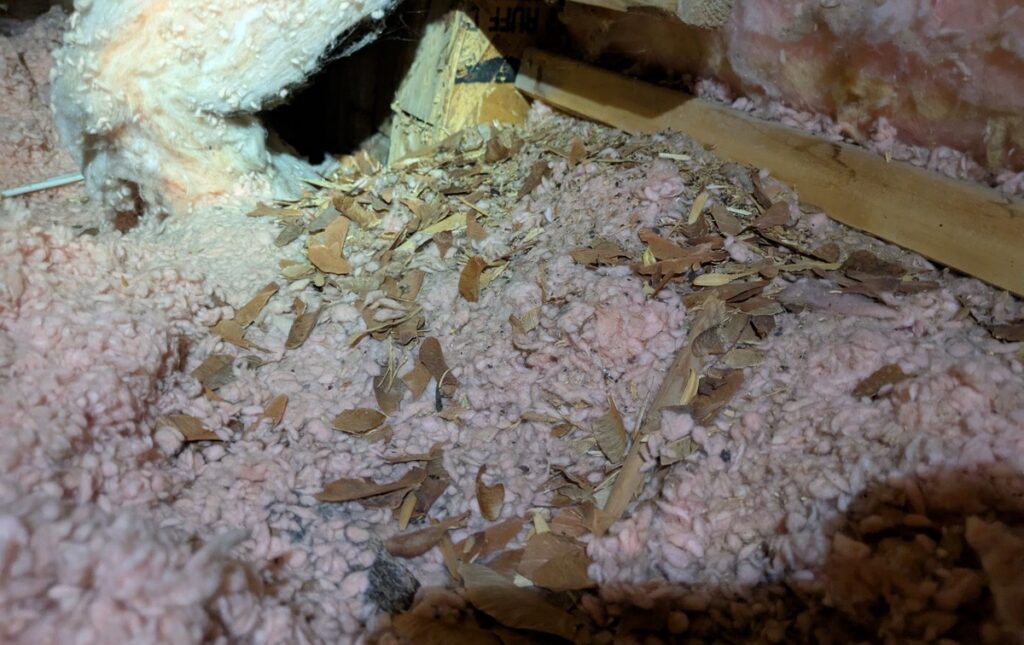
A kitchen sighting does not automatically mean the attic is affected. Similarly, an attic noise does not confirm mice. The inspection should be guided by evidence rather than assumptions.
Share any previous observations with your technician, including:
- Recurring sounds above ceilings.
- Damage noticed during earlier attic visits.
- Droppings around stored belongings.
- Visible exterior damage near the roofline.
Avoid entering an unsafe attic or climbing onto the roof to complete your own inspection. Some areas require suitable equipment and training to assess.
At Skedaddle Humane Wildlife Control, our approach considers possible entrances, travel routes, and shelter throughout the home. An inspection helps us develop a humane removal and prevention plan suited to the activity we find. Addressing relevant access points supports a more complete solution than focusing only on the cabinet where a mouse first appeared.
Frequently Asked Questions
Does seeing one mouse in the kitchen mean there are more?
One sighting cannot establish how many mice are present. It is a reason to investigate, especially if you also notice droppings, chewed packaging, or recurring sounds. A professional inspection can assess the available evidence and help determine the extent of activity rather than relying on the sighting alone.
Will sealing pantry food make mice leave?
Secure containers reduce access to food, but they do not remove other food sources, shelter, or openings into the building. Mice may still access crumbs, pet food, or food elsewhere. Good housekeeping supports prevention, but suspected activity should also prompt an assessment of entry points and connected spaces.
Can mice travel from the basement or attic to the kitchen?
Mice may move through connected wall and floor cavities or gaps around building services. The actual route depends on the home’s construction and available openings. An inspection can help identify relevant connections without assuming that every kitchen sighting originated in the basement or that the attic is involved.
Should I seal the opening where I saw a mouse disappear?
Have suspected active routes assessed before permanently sealing them. The opening may lead to a concealed interior space rather than outdoors. Closing it alone can leave mice inside while other access points remain available. A coordinated plan considers the exterior entrance, connected routes, and any existing activity.
Why inspect the garage if I only saw a mouse in the kitchen?
An attached garage may offer access to spaces connected with the house, even if you have not seen mice there. Checking door seals, stored food, and accessible connecting openings helps assess possible routes. Any findings should be considered alongside evidence elsewhere rather than treated as proof of the kitchen mouse’s origin.
Look Beyond the Pantry for Lasting Mouse Prevention
Seeing a mouse in your kitchen is a good reason to secure food, inspect packaging, and record signs of activity. Those immediate steps matter, but the location of a sighting does not necessarily reveal where mice entered or where they are sheltering.
Basements, crawl spaces, garages, wall voids, and attics may all be relevant to understanding the problem. A thorough assessment connects those observations and helps identify the areas that need attention.
If you are seeing mice in your kitchen this fall, contact Skedaddle Humane Wildlife Control in Milwaukee. Our team can assess activity throughout your home and develop a humane removal and prevention plan that looks beyond the pantry.

 Loading...