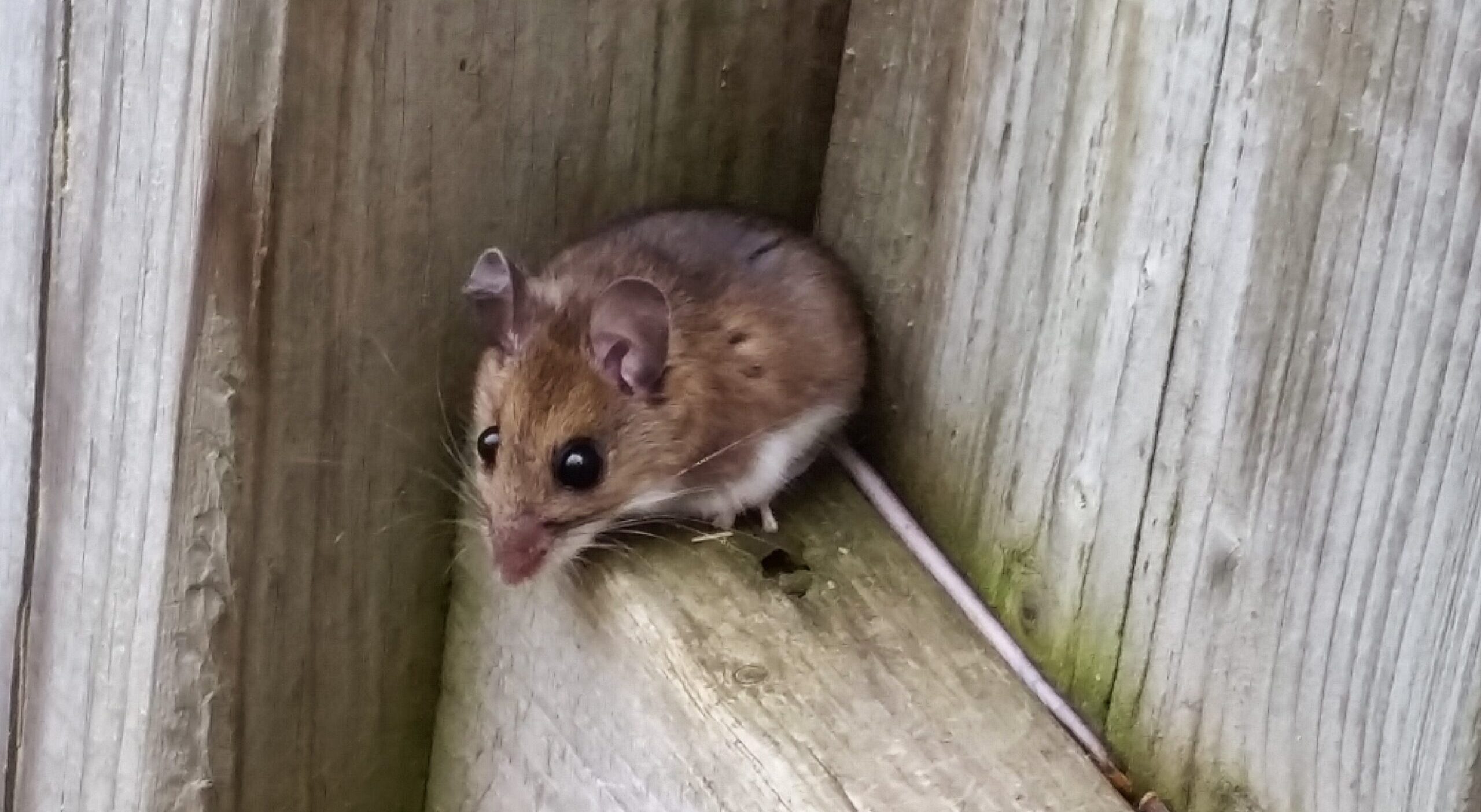
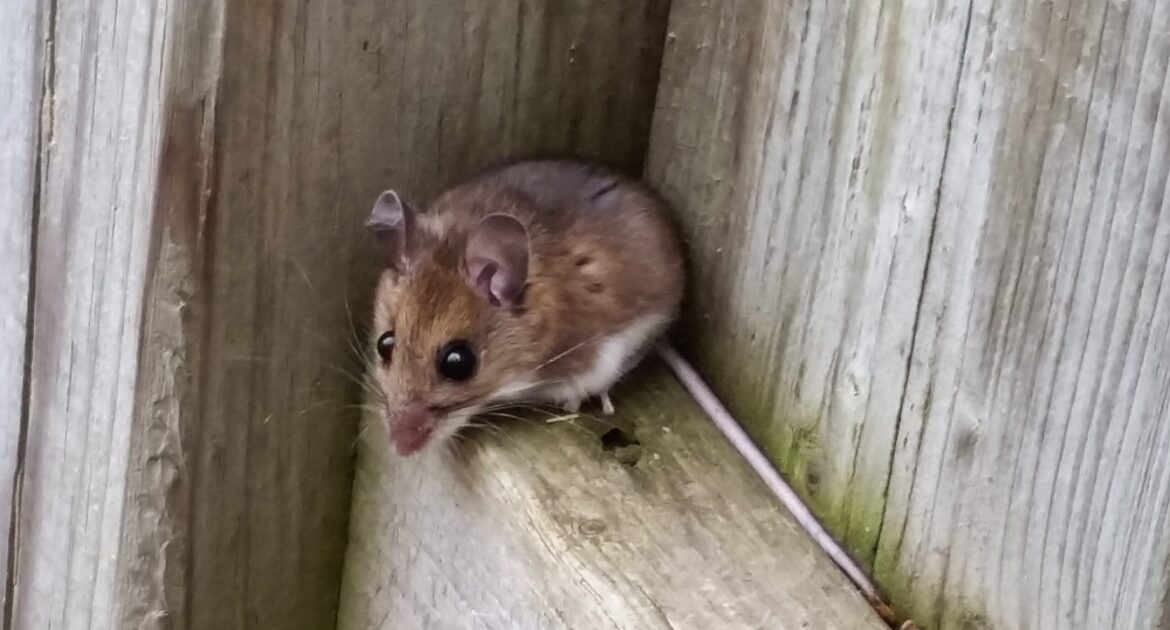
Winter in Colorado brings colder nights, quiet mornings, and more time spent indoors. It also brings something many families never expect: a higher chance of wildlife entering homes. When unwanted animals move inside, they leave behind droppings, nesting material, and other signs that may carry serious health risks.
One of the biggest concerns for Colorado homeowners is hantavirus in Colorado, a rare but dangerous disease linked to deer mice. Many people do not realize how quickly a small infestation can create unsafe conditions inside a home.
Rodent activity is more than an inconvenience. It creates real rodent infestation health risks, especially when droppings or nesting areas are disturbed. Deer mice are the main carriers of hantavirus in the state, and they can leave behind contaminated material without being seen.
When this material dries out, it can become airborne, and that is when the danger increases. This is why rodent infestations put homeowners at risk long before anyone notices. At Skedaddle Humane Wildlife Control in Colorado, we help families learn how indoor wildlife activity connects to mouse droppings hantavirus concerns and what steps trained professionals take to keep homes safe.
This guide explains what makes hantavirus a serious issue, how rodent infestations create hazards inside Colorado homes, and why professional removal and prevention are so important. You will also learn about common signs of activity, winter patterns, and how our team protects homes without risky DIY methods.
Why Hantavirus Is a Serious Risk in Colorado
Colorado has one of the highest numbers of hantavirus cases in the country. The risk is low overall, but the impact is severe, which makes awareness so important. Many cases happen when people disturb areas that were not touched for months, such as sheds, cabins, garages, attics, or storage rooms. These areas often hold old nesting materials or dried droppings.
The virus comes from deer mice, which are found throughout the state. They are small, quick, and often unnoticed. When they enter a home, they look for dark and quiet spaces. Attics, crawlspaces, basements, and closets provide the perfect hiding places. Because the animals stay hidden, families may not realize they are present.
The biggest concern is how the virus spreads. Hantavirus becomes a risk when contaminated dust becomes airborne. That means activities like sweeping or moving stored boxes can make people breathe in particles without knowing. This is one reason rodent infestation health risks increase during winter and early spring.
How Rodent Infestations Put Colorado Homeowners at Risk
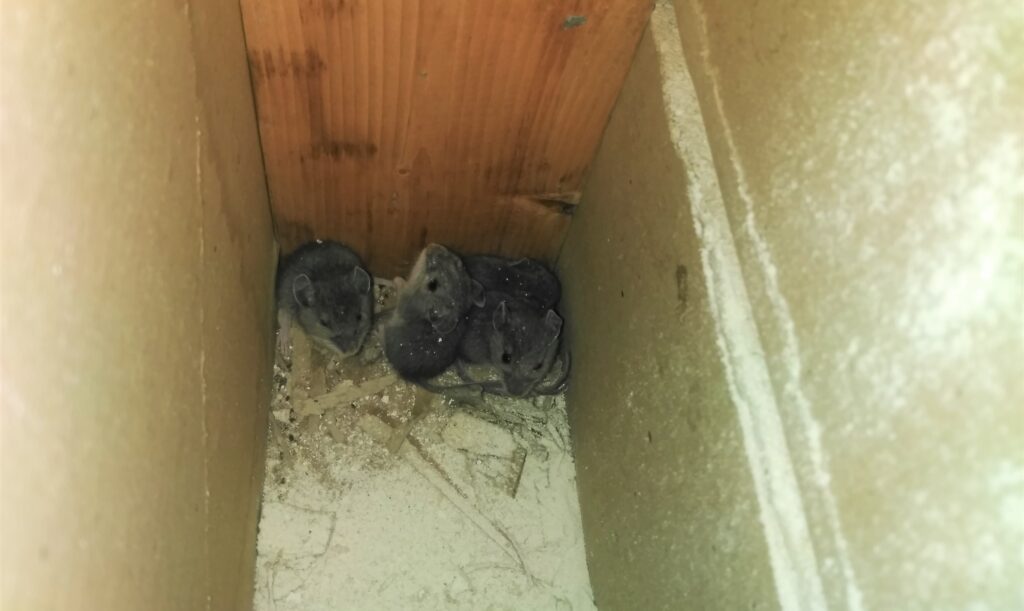
Rodent infestations create hazards long before homeowners notice signs of activity. Once animals settle inside, they build nests, chew materials, and leave droppings. These actions create a mix of health, safety, and structural concerns.
Here are several ways infestations increase risk:
1. Droppings and Nesting Areas Spread Contamination
Deer mice leave droppings in hidden spaces, including behind walls, in insulation, and inside stored boxes. When these materials dry out, they can hold particles linked to mouse droppings hantavirus. Disturbing contaminated areas without proper training increases the risk of breathing those particles. Because droppings blend into dust and clutter, many homeowners do not recognize the danger.
2. Hidden Activity Makes It Hard to Notice Problems Early
Rodent activity often stays out of sight. Nesting can happen for weeks before anyone hears a sound. By the time a homeowner discovers an issue, the animals may have moved through multiple areas. This increases the amount of contaminated material, which makes spaces less safe.
3. Structural Damage Spreads Contamination Further
Animals chew through insulation, wires, stored materials, and cardboard. As they move, they spread droppings and nesting debris. This damage affects more than the structure—it creates more areas that may be contaminated.
4. Temperature Changes Push Wildlife Indoors
Colorado’s winter weather encourages animals to look for warm, protected spaces. Homes in Denver and nearby areas see more infestations during cold months. When animals enter to escape the weather, they bring the risk of hantavirus with them.
Rodent infestations put homeowners at risk because these dangers can grow quietly. Hantavirus is rare, but its connection to indoor wildlife activity means prevention is essential.
Where Hantavirus Risks Are Highest Inside Colorado Homes
Rodent activity does not spread evenly. Instead, it gathers in places that provide warmth, comfort, and quiet. Many homeowners discover contamination in areas they rarely enter.
Common high-risk areas include:
- Attics: Attics often hold stored items, insulation, and dark corners. These spaces stay quiet for months, which makes them ideal for wildlife. Droppings can blend into insulation, making the risk difficult to see.
- Sheds and Outbuildings: Sheds and outdoor storage spaces hold old boxes, tools, and clutter. When deer mice nest in these areas, their droppings may stay untouched for long periods.
- Cabins or Seasonal Homes: Vacation cabins are often closed for months at a time. When reopened, dust and debris may contain dried droppings linked to hantavirus in Colorado.
- Basements and Crawlspaces: These lower areas stay cool and dark. They offer places to hide behind appliances, in wall gaps, or near stored items. Homeowners rarely check these spots, which allows contamination to spread.
Because risk increases in hidden spaces, it is essential to rely on trained professionals who know how to safely inspect and remove wildlife.
Winter Conditions That Increase Indoor Infestations
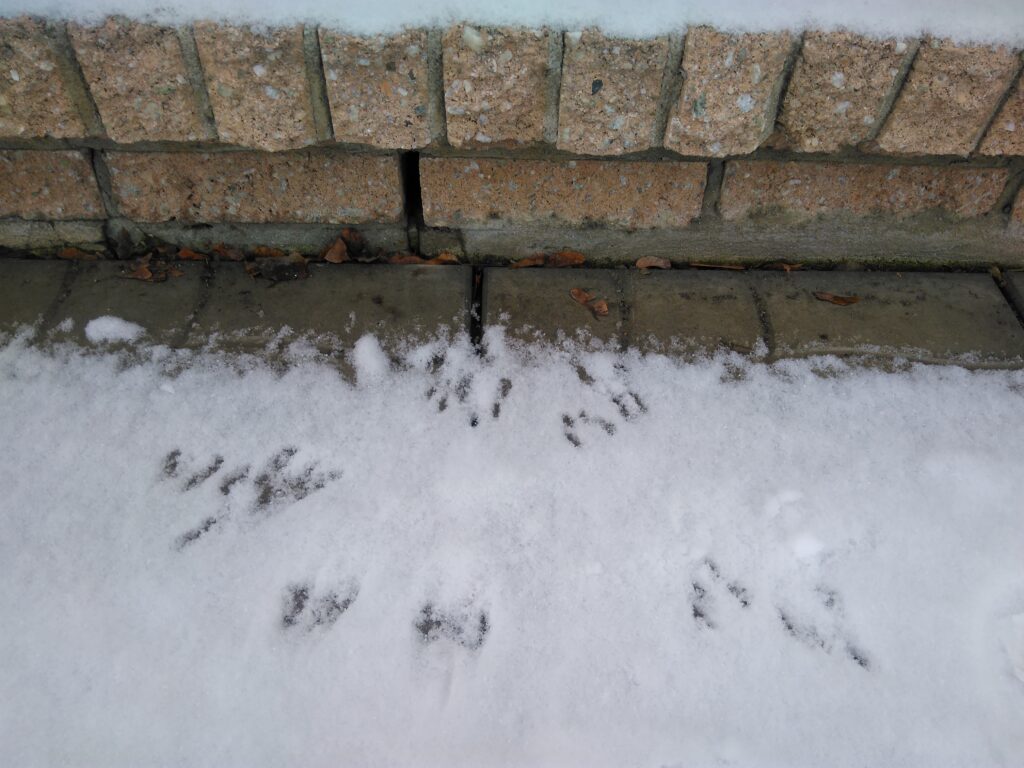
Colorado’s winter weather changes the way wildlife moves and behaves. Cold conditions push animals into homes and make infestations more likely.
Several winter patterns increase the risk:
- Cold Weather Drives Wildlife Indoors: Animals look for warmth and shelter. Homes provide both. This brings deer mice into contact with spaces where contamination is more dangerous.
- Snow and Ice Shift the Home’s Structure: Winter weather can change how doors, siding, vents, and roof gaps fit together. Small openings become larger openings, making it easier for wildlife to enter.
- Reduced Outdoor Food Sources: As natural food sources disappear, wildlife explores garages, sheds, and basements for easier options. This increases the chance of indoor nesting.
These seasonal changes show why many Colorado homeowners first notice rodent infestation health risks during winter.
Why Cleanup Must Be Handled by Trained Professionals
Hantavirus is a serious health risk. Because it becomes dangerous when disturbed, cleanup must only be handled by people trained in safe removal and disease-control methods. Attempting to clean droppings without training increases the chance of breathing in contaminated particles. Even moving old boxes or insulation can release dust into the air.
Trained professionals use special protective equipment and safety procedures. At Skedaddle Humane Wildlife Control, we remove wildlife using humane one-way doors and coordinate with trained cleanup teams when contamination is present. This keeps families safe without exposing them to unnecessary risk.
How Skedaddle Helps Protect Colorado Homes
Skedaddle Humane Wildlife Control uses a humane, structured approach to limit the risks linked to hantavirus and wildlife activity. Our goal is to clear the home, seal entry points, and keep wildlife out long-term.
- Full Inspection and Risk Assessment: We inspect every area where wildlife may enter or hide, including attics, crawlspaces, roof gaps, and wall openings. This helps us locate all access points and areas where droppings or nesting may be present.
- One-Way Door Systems: Our humane one-way doors let wildlife leave safely but prevent them from re-entering. This method clears the home without trapping or harming animals.
- Sealing and Preventing Future Entry: Once the space is cleared, we secure gaps, reinforce vulnerable areas, and protect the structure from future infestations. This reduces long-term rodent infestation health risks.
Professional help keeps homes safer and prevents situations that can expose families to mouse droppings hantavirus in the future.
Protecting Your Home From Hantavirus in Colorado
Hantavirus is rare, but the risks become more serious when wildlife enters a home. Rodent infestations bring more than noise or damage, they create real health concerns for families across the state. When droppings, nesting areas, and hidden activity go untreated, the chance of exposure increases. Winter months raise this risk even more as animals move indoors in search of warmth.
Colorado homeowners can stay safer by acting early, avoiding DIY cleanup, and trusting trained professionals to handle wildlife removal. At Skedaddle Humane Wildlife Control, we use humane one-way doors, detailed inspections, and long-term prevention methods to protect homes from contamination. Our team understands the connection between indoor wildlife activity and hantavirus in Colorado, and we take every step to reduce the hazards families face.
If you want help managing wildlife concerns or preventing the spread of mouse droppings hantavirus, request an estimate to learn more. Our team is ready to support you, strengthen your home, and help reduce rodent infestation health risks all year long.

 Loading...