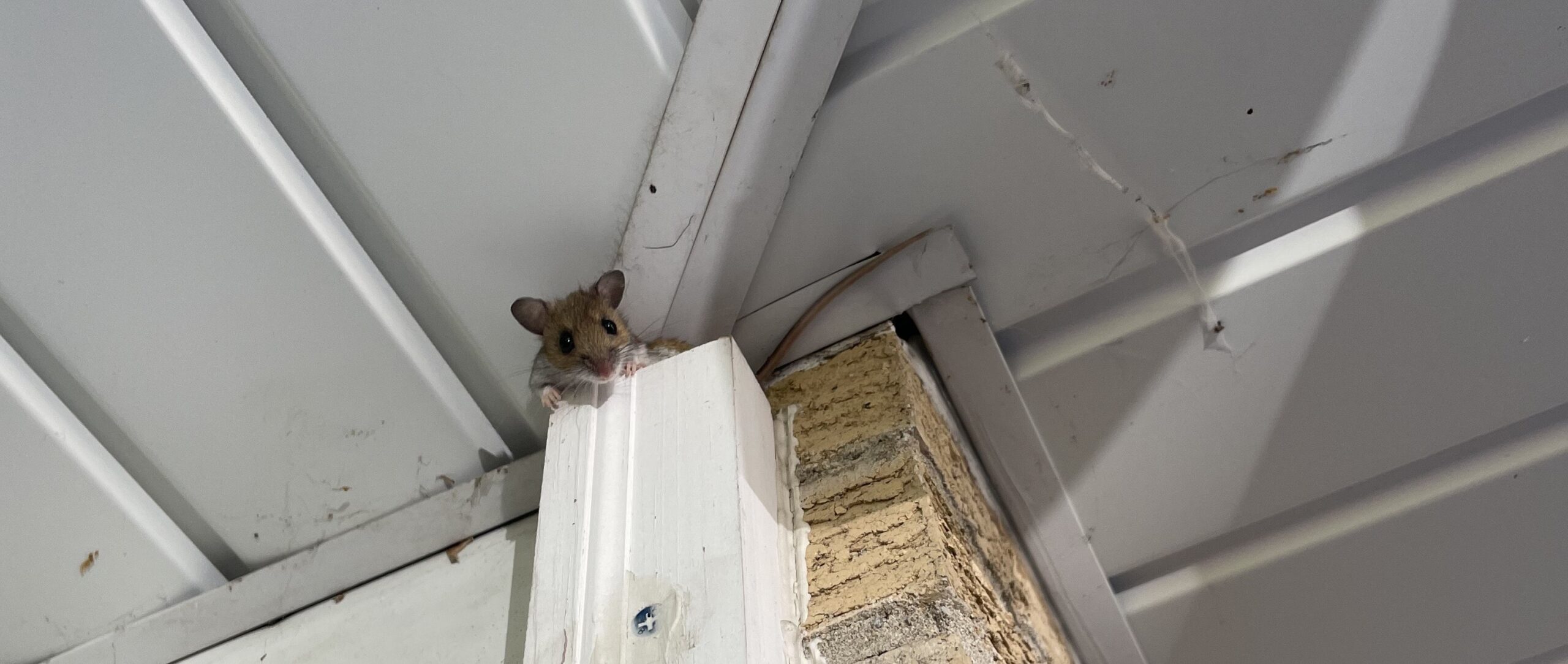
Hantavirus is something most Denver homeowners hear about from time to time, but many people aren’t always sure what the risks really are. With Colorado’s large population of deer mice and its mix of mountain foothills, open space, and growing neighborhoods, it’s important for residents to understand how this virus spreads — and how to stay safe.
In recent years, local health departments have continued to remind homeowners that hantavirus is rare but serious. Because it can spread through airborne particles from rodent droppings, a safe and professional approach to removal and cleanup is essential. That’s where Skedaddle Humane Wildlife Control provides peace of mind for Denver families.
What Is Hantavirus?
Hantavirus is a potentially severe respiratory illness known as Hantavirus Pulmonary Syndrome (HPS). While rare, it has a high impact: according to the Centers for Disease Control and Prevention, the average mortality rate for HPS in the United States is around 38%.
The virus spreads through:
- Droppings
- Urine
- Saliva
- Airborne particles are created when contaminated material is disturbed
In Colorado, the main carrier is the deer mouse, which is known for its two-tone coloring, brown on top and white underneath. This small animal is widely found across the Rockies and the Front Range.
For more background on the virus itself, you can explore resources such as UCHealth’s guide on hantavirus.
Why Hantavirus Is a Concern in Denver
Denver and the surrounding metro area sit right against the foothills, where wildlife and residential areas overlap. According to Jefferson County Public Health, hantavirus cases in Colorado tend to happen more often in rural or semi-rural areas — but homeowners across the Front Range still experience regular rodent activity.
Several factors make Denver homes more vulnerable:
- Seasonal changes: During colder months, rodents look for warm, sheltered areas.
- Construction growth: Ongoing development pushes wildlife from open spaces into neighborhoods.
- Natural habitats nearby: Parks, trails, and greenbelts provide ideal environments for rodent populations.
Even though Colorado averages only a few hantavirus cases a year, state health officials emphasize that the virus is serious enough that homeowners should avoid disturbing any rodent-related contamination.
Signs of Rodent Activity That Increase Hantavirus Exposure
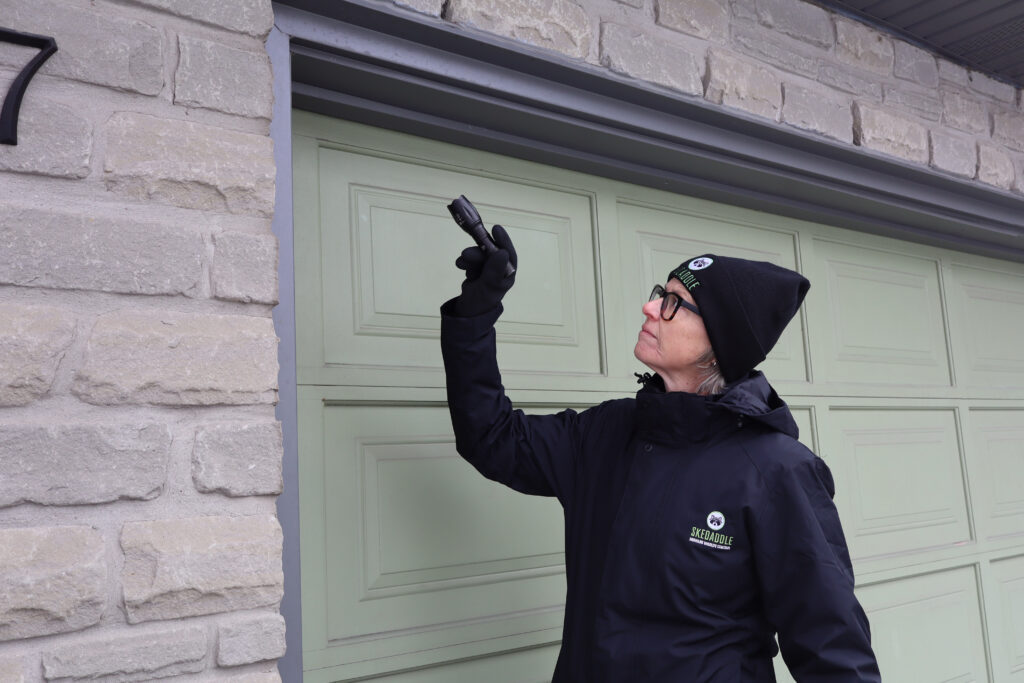
If you notice any of the signs below, it’s important not to disturb the materials. Disturbing droppings or nesting areas can cause particles to become airborne.
Indoor Signs
- Small droppings in cabinets, drawers, or storage spaces
- Shredded paper, insulation, or fabrics collected for nesting
- Sounds in walls, ceilings, or attic areas
- Strong musky odors
Outdoor Signs
- Burrows near foundations
- Gaps or openings around vents, roofs, or siding
- Gnaw marks on stored items or outdoor structures
If any of these signs appear, it’s time to bring in a trained professional.
9News offers a clear overview of how hantavirus spreads and why caution matters:
Why Cleanup Should Never Be Done on Your Own
Many people don’t realize that sweeping or vacuuming droppings can actually increase the risk of exposure. When contaminated material becomes airborne, the virus can be inhaled without you realizing it.
Safe removal of contaminated materials requires:
- Proper protective equipment
- Specialized cleaning methods
- Disinfection techniques that do not create harmful dust
- Sealed removal of droppings and nesting material
Homes also often have multiple hidden areas that need thorough inspection, which is why professional support is the safest option.
FAQs About Hantavirus in Denver
Is hantavirus common in Colorado?
No — hantavirus is rare, but Colorado reports some of the highest numbers of cases in the U.S., with an average of a few cases each year. Because the virus is severe, even a small risk requires serious caution.
Can hantavirus spread from person to person?
No. According to Denver Public Health, hantavirus does not spread between people. It is linked only to rodent contamination.
Do all mice carry hantavirus?
No. In Colorado, the primary carrier is the deer mouse. However, homeowners should treat all rodent contamination with caution because it can be difficult to identify the species.
If I find droppings, should I clean them up myself?
No. Because of the airborne risks, professionals should handle the inspection, removal, and sanitation process.
How Skedaddle Humane Wildlife Control Helps Denver Homeowners
Skedaddle offers a safe, humane, and thorough approach to handling rodent issues linked to hantavirus risks. The goal isn’t just to remove animals — it’s to create a long-term solution that keeps your home healthy and protected.
Humane, Hands-On Removal
Skedaddle’s technicians use methods that respect wildlife while ensuring your home is safe. Their hands-on removal process is designed to minimize stress for animals and reduce the risks inside the home.
Detailed Cleaning and Sanitization
Rodent droppings are handled with specialized equipment and safety measures. This ensures:
- Contaminated material is carefully removed
- Surfaces are disinfected without sending particles into the air
- Affected areas are restored to safe conditions
Skedaddle’s team ensures every space is thoroughly cleaned so homeowners don’t have to risk unsafe exposure.
Identifying and Sealing Entry Points
Rodents can enter through holes as small as a quarter of an inch. Skedaddle’s approach includes:
- A full assessment of all potential entry areas
- Professional sealing using long-lasting materials
- Attention to vulnerable areas like attic vents, rooflines, garages, and siding gaps
This prevents future intrusions and reduces long-term health risks.
Attic Restoration
If insulation has been damaged or contaminated, Skedaddle can remove the affected material and install new, clean insulation. This restores energy efficiency and eliminates lingering contamination.
Preventing Hantavirus Exposure in the Future
Prevention is an important part of staying safe. Homeowners can reduce risks by keeping homes sealed and making their property less appealing to rodents.
Here are helpful steps — all safe, simple, and contact-free for homeowners:
- Keep food stored in sealed containers
- Remove clutter where rodents can hide
- Ensure garbage bins close tightly
- Keep outdoor firewood at least 30 feet from the home
- Fix gaps and cracks in siding, roofing, and foundations
An annual inspection by a professional wildlife team can also prevent problems before they escalate.
When to Call Skedaddle
You should reach out to Skedaddle Humane Wildlife Control if:
- You notice droppings or signs of activity
- You hear sounds in the walls or attic
- You see an entry hole or signs of rodent staining around your home
- You find nesting material in storage areas
- You suspect contamination, but are unsure how extensive it is
Skedaddle’s team in Denver provides compassionate, efficient, and science-based support to keep your home protected.
Protect Your Home and Health
Hantavirus may be rare, but it’s a serious health concern that Denver homeowners should be aware of. Understanding how the virus spreads and how to prevent exposure can make a big difference in keeping your household safe.
With humane removal methods, detailed sanitation, and long-term prevention strategies, Skedaddle Humane Wildlife Control offers the safest and most reliable way to protect your home from rodent-related risks. When it comes to health and safety, professional help is the best choice.

 Loading...







