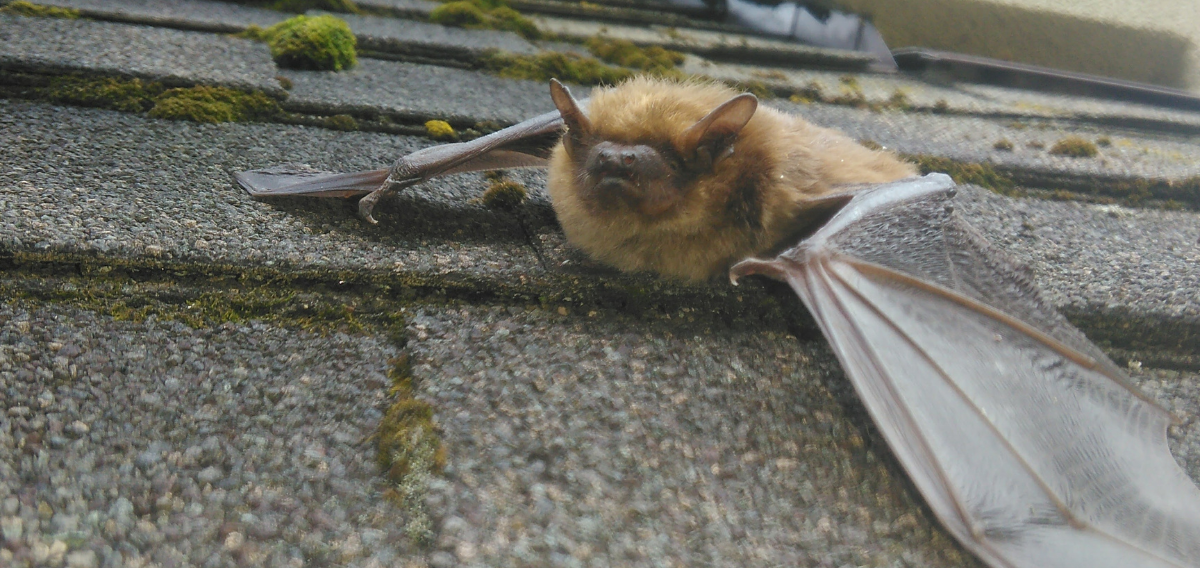
Colorado’s changing weather impacts bat activity in surprising ways. Sudden temperature shifts cause them to wake up early from their winter sleep and seek shelter inside homes. Warm winter days, for example, can trick bats into believing food is available, but they often end up finding nothing. Similarly, during the summer, extreme heat drives these animals deeper into cooler spots, like the walls or attics of your house. These climate shifts can confuse animals, making their behavior seem unpredictable.
You might notice strange noises behind your walls, especially as the weather changes outside. The reason? Bats are highly sensitive to the environment and adapt quickly to seek safety or sustenance. For homeowners, this can lead to unexpected bat intrusions that disrupt daily life and may cause damage to your property.
At Skedaddle Humane Wildlife Control in Colorado, we understand the challenges that come with these changes. That’s why we’re here to offer expert solutions. This blog will help you understand how shifting weather impacts bat habits and why our professional team is the right choice for addressing wildlife issues humanely and effectively.
How does temperature affect bats?
Temperature tells bats when to sleep, when to wake up, and when to move. When the weather gets cold, they go into a deep sleep to save their energy. When the air finally warms up, they wake up to hunt for bugs and mate.
Sudden shifts in weather can easily confuse their natural internal clock. If the temperature gets too hot, they must move to cooler spots to survive. If the weather gets cold too fast, they can quickly freeze and fall to the ground.
Your house offers a very steady and comfortable temperature all year long. This makes your attic or walls a perfectly safe place for them to live. Our team sees a massive increase in bat activity when the weather outside is unpredictable.
Warm Winter Days Trigger Early Activity
Colorado can have very warm and sunny days in the middle of winter. This fake spring confuses the local bats hiding safely in your home. Here is how warm winter days change their habits:
- Waking Up Too Early: When the sun warms your roof, the bats inside think spring is finally here. They wake up from their deep sleep and start moving around your house. Because there are no bugs outside yet, they quickly get hungry and weak.
- Moving into Living Spaces: Bats will wander around looking for food and warmth. They often leave the attic and slip into your main living areas. You might easily find one flying in your bedroom because it got lost in the walls.
- Seeking New Shelter: If bats were sleeping outside, a warm day makes them fly around. When it gets freezing cold again at night, they need a safe place fast. They will find small holes in your roof to stay warm and survive the night.
Spring Migration and Mating
When spring finally arrives, bats become very active around your property. The warmer weather tells them it is time to eat bugs and find a mate. They will look for dark, safe places to raise their young babies.
Your attic is the perfect spot for them to build a safe nursery. The space is warm, quiet, and completely safe from dangerous outside weather. Bats can squeeze through holes as small as a dime to get inside your house.
Once they move in, they do not ever leave on their own. They return to the exact same spot every single year to raise more babies. Our experts know exactly how to handle this spring rush to keep your home totally safe.
Summer Heatwaves
Summer heatwaves bring a very different set of problems for homeowners. While these creatures like warm spots, extreme heat is way too much for them. This intense heat forces them to move around inside your house.
- Escaping Hot Attics: Your attic can get incredibly hot during a summer heatwave. When the temperature gets too high, bats must find a cooler place. Bats will travel down into your walls to escape the extreme summer heat.
- Entering Your Living Room: As they move down the walls, they can find small hidden cracks. These cracks lead right into your main living spaces and bedrooms. This is when you might see them flying wildly near your ceiling fans.
- Creating Bigger Messes: When bats move deeper into your walls, their droppings go with them. This creates a terrible smell and can completely ruin your home’s drywall. We know exactly how to find these hidden spots and clear them out safely.
Sudden Cold Spells
Colorado is very well known for late snowstorms and sudden temperature drops. When this happens, bats get completely caught off guard. They become very weak when they cannot find warmth in the cold.
If a cold snap hits right after they wake up, they panic. bats will rush to the nearest warm building to survive the freezing air. Your heated home acts like a giant magnet for these freezing creatures.
Many bats will end up completely grounded on your porch or lawn. They do not have the energy to fly when they are too cold. Our team can step in and safely handle the situation for you right away.
Signs of Bat Activity to Watch For
You should check your home often for signs of bats. Finding the problem early helps protect your home from major structural damage. Look out for these common clues around your property:
- Piles of Bat Droppings: You might see dark, seed-like droppings on your window sills. These piles grow very fast right below the holes they use to get inside. You should never touch this mess because it can make you very sick.
- Dark Grease Marks: Bats have natural dark oils on their fur. When they squeeze through tiny holes in your roof, the oil rubs off. This leaves dirty, greasy stains on your nice siding or exterior trim.
- Strange Scratching Sounds: Listen closely to your walls and ceiling at night. You might hear light scratching or squeaking noises right above your head. This means a bat colony is already living and actively moving inside your house.
Professional Bat Removal and Prevention
Getting rid of bats requires special skills and professional training. You should never try to fix this serious issue on your own. Doing it yourself is highly dangerous and can lead to major health problems.
We use safe one-way doors to permanently solve the problem for you. These doors let the bats fly out to get food, but they cannot get back inside. This is a very safe and highly effective way to clear your home without using live trapping.
After they are gone, we seal up every tiny hole on your house. This stops any new bats from moving in when the weather changes again. Our team cleans up the mess so your home is safe and fresh.
Frequently Asked Questions
Can bats survive the winter in my house?
Yes, bats can survive very comfortably inside your attic or walls during the winter. Your home provides warmth, shelter, and protection from snow and freezing temperatures. They often stay hidden in dark spaces where they can rest safely throughout the cold months. Without our professional removal, bats may continue living inside your home year after year.
Why should I not clean bat droppings myself?
Bat droppings can contain dangerous spores and bacteria that may cause serious breathing problems. Sweeping or vacuuming the waste can spread harmful particles into the air around your home. This creates health risks for you and your family if proper safety gear is not used. Our professionals use specialized equipment to safely remove and sanitize contaminated areas.
Will they leave my house on their own?
No, bats usually will not leave a safe nesting spot on their own. Once they find warmth and protection inside your home, they often return to the same place every season. Even if some bats leave, others may quickly move into the space. Our professional exclusion methods help keep them out for good.
How tiny of a hole can bats fit through?
Bats can squeeze through openings as small as a dime. Tiny gaps along rooflines, vents, or siding can easily become entry points into your home. Many homeowners do not notice these small openings until bats are already inside. Our team carefully inspects the property to locate and seal every vulnerable area.
What is the safest time to remove bats?
Late summer and early fall are usually the safest times for humane removal. By then, the young animals are old enough to leave safely with the adults. This timing helps prevent babies from being trapped inside during the exclusion process. Our team uses one-way doors to allow the animals to exit safely without returning.
Fluctuating Weather Impacts Bat Activity. Let Us Protect Your Home
When the weather changes in Colorado, it’s common for wildlife, like bats, to look for a safe place to stay. Unfortunately, that could mean they find a way into your home. Protecting your home from unwanted wildlife doesn’t have to be stressful. At Skedaddle Humane Wildlife Control in Colorado, we understand how important it is to keep your family safe and your space comfortable.
Our team of trained professionals is here to take care of everything for you. From humane bat removal to securing entry points, we do it all with care and efficiency. You don’t have to face the hard work alone. Whether it’s bats or other wildlife, we use safe and proven solutions that bring peace of mind to homeowners.
Don’t wait until wildlife becomes a bigger problem. Reach out to us for an estimate today and see how we can help protect your property. With our professional services, you get a reliable team that puts your safety first. We’re here to help you enjoy your home, worry-free.

 Loading...







