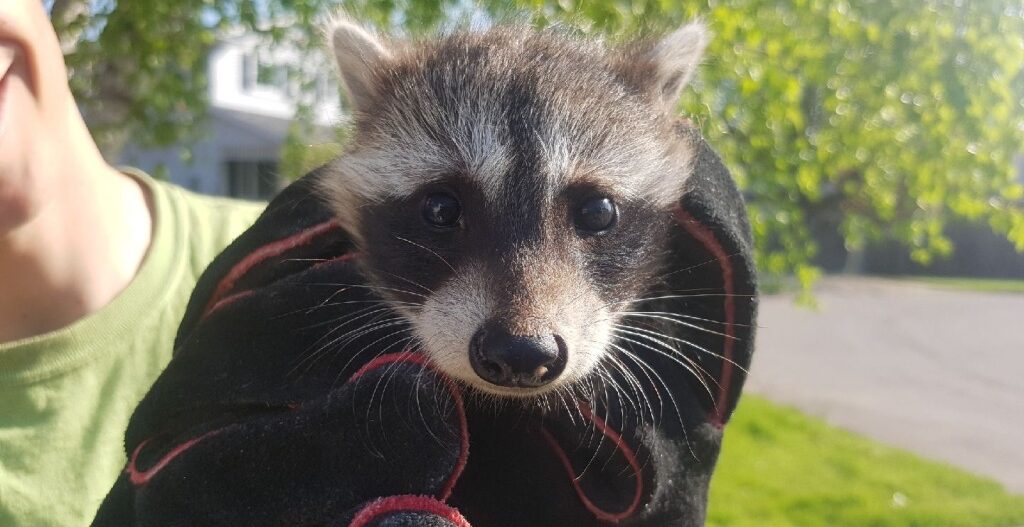
Raccoons become a bigger problem in the summer because they have increased activity levels, they need to raise their young, and there is a higher availability of food. During the warm months, these animals actively forage to feed their babies and prepare for the coming winter. They often scavenge from trash cans, gardens, and yards.
Warmer weather and longer nights mean they spend more time roaming around. Mothers also seek out safe, quiet dens to raise their pups. This leads to a much higher chance of urban conflicts and property damage for homeowners.
If you own a home, you might notice more noise in your attic or mess in your yard during this season. These animals are highly adaptable and very smart. They will use the warm summer weather to their full advantage.
This often means they find their way into residential spaces where they do not belong. In this blog, we will explain exactly why these animals are so active right now. We will also share how Skedaddle Humane Wildlife Control in York Region can solve the issue for you safely and effectively.
What Do Raccoons Do All Day?
During the day, raccoons mostly sleep and rest in their dens. Because they are naturally nocturnal animals, they prefer to do their roaming and foraging at night. They find a dark, quiet place to hide from predators and the hot summer sun. A den could be a hollow tree, a brush pile, or even the attic of your home.
However, you might still see them during the day in the summer. A mother needs to eat a lot of food to produce milk for her babies. This heavy demand for calories forces her to leave the den during daylight hours to search for extra meals. They also spend part of their day grooming themselves and caring for their young. While seeing one during the day does not always mean it is sick, it is a clear sign that the animal is highly active near your home.
Rearing Young in Residential Areas
Summer is the prime time for raccoon mothers to raise their babies. A mother raccoon needs a very safe, warm, and quiet place to keep her pups protected from danger. Unfortunately, natural habitats do not always offer the best protection. This is why they often look to human homes for shelter.
Your attic, chimney, or the space under your shed makes a perfect nursery. These spots are dry, secure, and close to human food sources. Once a mother moves in, she will cause significant damage to building materials to make her nest comfortable.
When the babies grow older, they start to explore. The young animals will follow their mother around to learn how to find food. This means you do not just have one raccoon on your property, but a whole family. Our team uses specialized one-way doors that allow the mother and her babies to safely exit your home without being able to get back inside.
Foraging and Feeding Habits
Warmer weather changes how these animals look for food. They become much more active and bold in their search for daily meals. Here is a closer look at their summer feeding habits:
- Searching for Insects: Raccoons love to eat bugs. In the summer, lawns and gardens are full of grubs, beetles, and worms. They will dig up your grass and roll back pieces of turf just to find a quick snack. This can destroy a beautiful lawn overnight.
- Eating Fruits and Berries: Summer brings an endless supply of fresh fruits and berries. If you have fruit trees or berry bushes in your yard, raccoons will certainly visit. They have excellent climbing skills and will easily scale trees to reach the sweetest fruits.
- Hunting Small Animals: Raccoons are omnivores, meaning they eat both plants and meat. During the summer, they will hunt frogs, fish, and mice. If you have a decorative pond in your backyard, they might use it as their own personal hunting ground.
Abundant Summer Food Sources
The sheer amount of food available in residential areas is a huge draw for these animals. Homeowners accidentally provide a buffet of easy meals. Here is what attracts them the most:
- Unsecured Garbage Cans: Summer means more cookouts and more trash. If garbage cans are left outside without secure lids, these smart raccoons will open them. They will gladly eat your leftover food and leave a huge mess in your driveway.
- Outdoor Pet Food: Many people leave dog or cat food outside during the summer. This is an open invitation for raccoons. Pet food is highly nutritious and very easy for them to steal. They will keep coming back every single night if they know food is waiting.
- Bird Feeders and Compost: Bird seed and compost piles are massive attractions. Even if you use a tall bird feeder, raccoons will climb the pole or eat the spilled seeds on the ground. A warm compost pile full of food scraps is also a prime target for a hungry raccoon.
Extended Activity Periods
The summer season naturally allows raccoons to spend more time out and about. The environmental changes give them an advantage when exploring your property. Here are the main reasons why:
- Longer Summer Nights: While the days are longer, the warm summer nights are very comfortable for them. They do not have to worry about freezing temperatures. This comfortable weather allows them to spend hours wandering through neighbourhoods without rushing back to a den to get warm.
- Easy Travel Conditions: Winter snow and ice make it hard for raccoons to move around. In the summer, the ground is clear. They can easily walk along fences, climb onto roofs, and access parts of your home that they could not reach during the winter.
- Increased Curiosity: Raccoons are highly intelligent and very curious. The busy summer environment gives them plenty of new things to explore. They will investigate open windows, screen doors, and patio furniture, often causing damage in the process.
Post-Winter Recovery
Winter is very hard on raccoons. Even though they do not truly hibernate, they spend most of the winter sleeping and living off their stored body fat. By the time spring and summer arrive, they are very thin and extremely hungry.
Summer is their time to recover. They must eat heavily to regain the weight they lost. This intense drive to find calories makes them much bolder than usual. They are willing to take bigger risks, like coming closer to humans or breaking into secure areas, just to get a meal.
This recovery period lasts all summer long. Because they are so desperate to rebuild their fat reserves for the next winter, their activity level remains high until the late fall. Our professional technicians understand this biological drive and know exactly how to secure your home against them.
Curiosity and Adaptability
Curiosity and adaptability are key traits that allow raccoons to survive and thrive, even in challenging environments. Their intelligent and curious nature drives them to explore properties, often leading to unexpected damage or disturbances in residential areas. This behaviour can pose unique challenges for homeowners trying to maintain a secure and peaceful living space. Here are some common examples of how their curiosity and adaptability manifest:
- Trash Scavenging: Raccoons often target unsecured trash cans, tipping them over or tearing through bags to find food. This behaviour creates messes that can be unsightly and frustrating to clean up. Additionally, scattered waste can attract more animals to the area, further increasing the problem. Securing trash cans with tight-fitting lids is a simple but effective way to minimize this issue.
- Roof and Structural Damage: Raccoons are skilled climbers that frequently explore roofs or walls to find entry points into attics or crawl spaces. Their sharp claws and persistent nature can result in torn shingles, damaged vents, or even holes in the structure. Addressing potential entry points promptly is crucial to preventing damage and protecting your home.
- Garden and Yard Disruption: Gardens, bird feeders, and compost bins are common attractions for raccoons seeking food. They may dig up plants, scatter seeds, or disturb outdoor spaces while foraging. These disruptions not only harm your landscaping but can also invite ongoing visits if food sources are readily available. Proactive measures, like enclosing gardens and securing feeders, can help safeguard your yard.
Raccoon Prevention in Summer with Skedaddle
Keeping your home safe from raccoons requires professional help. You should never try to handle raccoons or clean up their messes yourself, as it can be very dangerous. Our professional wildlife team handles everything from start to finish so you do not have to worry.
We start by doing a complete inspection of your home and property. We find every single entry point that a raccoon could use to get inside. Next, we install our specialized one-way doors.
These doors let the raccoons walk out on their own, but block them from ever coming back in. Finally, we seal up all the vulnerable areas on your home to ensure no other creatures can enter. We do all the heavy lifting to keep your property safe and clean.
Raccoons in York Region
Raccoons are one of the most common animals encountered in York Region. These nocturnal creatures are known for their intelligence and adaptability, which allows them to thrive in both urban and suburban areas. They often make their homes in attics, chimneys, or under decks, where they can find shelter and raise their young. While raccoons can seem cute, they can create significant problems when they move into residential spaces.
Having raccoons on your property can lead to a variety of issues. Raccoons may cause damage by tearing up roofing materials or siding to gain entry into homes. Inside, they can create messes by leaving behind droppings, chewing on wires, or nesting in insulation. Additionally, they may carry diseases such as rabies, which can pose a risk to both pets and humans if not handled properly.
Addressing a raccoon issue requires safe and humane solutions. It’s important to use methods that protect both your property and the animals involved. That’s why our team specializes in humane removal practices, ensuring raccoons are guided out of your home without harm. By using our professional services, you can rest assured that these unwelcome visitors will be removed efficiently and your home will be secured against future intrusions.
Frequently Asked Questions
Why are raccoons so active at night in the summer?
They are nocturnal, so night is their natural time to be awake. In the summer, they use the warm, comfortable nights to hunt for food, teach their young how to survive, and explore residential properties without being seen by humans.
Do raccoons stay in the same den all summer?
Mothers will often stay in one den while her babies are very small and vulnerable. However, as the babies grow and become mobile, the family might move between several different dens to stay close to new food sources.
Will lighting up my yard keep them away?
While bright lights might scare them for a short time, raccoons are very adaptable. They will quickly learn that the light cannot hurt them. Once they realize there is no real danger, they will ignore the lights and continue to search your yard for food.
Are raccoons more aggressive in the summer?
They are not necessarily more aggressive, but they are much bolder. A mother will act fiercely to protect her babies if she feels threatened. Because they are constantly searching for food, they might seem less afraid of humans during the summer months.
Let’s Help You with Your Raccoon Problem This Summer!
Summer is a wonderful time to enjoy the sunshine and warm weather, but it also means more wildlife activity. Raccoons take this time to build nests, raise their young, and find food. Sometimes, they might even try to make your house their home. If left unchecked, these animals can cause serious damage to your property, from chewing wires to damaging insulation. Acting quickly is the best way to avoid costly repairs and keep your home safe.
If you think raccoons have moved into your home or yard, it’s important to take action now. At Skedaddle Humane Wildlife Control in York Region, we know how to handle this safely and effectively. Our experienced team uses humane methods to remove raccoons and prevent them from coming back. You can trust us to protect your home and the animals.
Don’t wait until small problems turn into big ones. Contact us today to request an estimate. We’re here to provide reliable, professional service to help you enjoy your summer without any extra stress. Let us keep your home safe and wildlife-free!

 Loading...