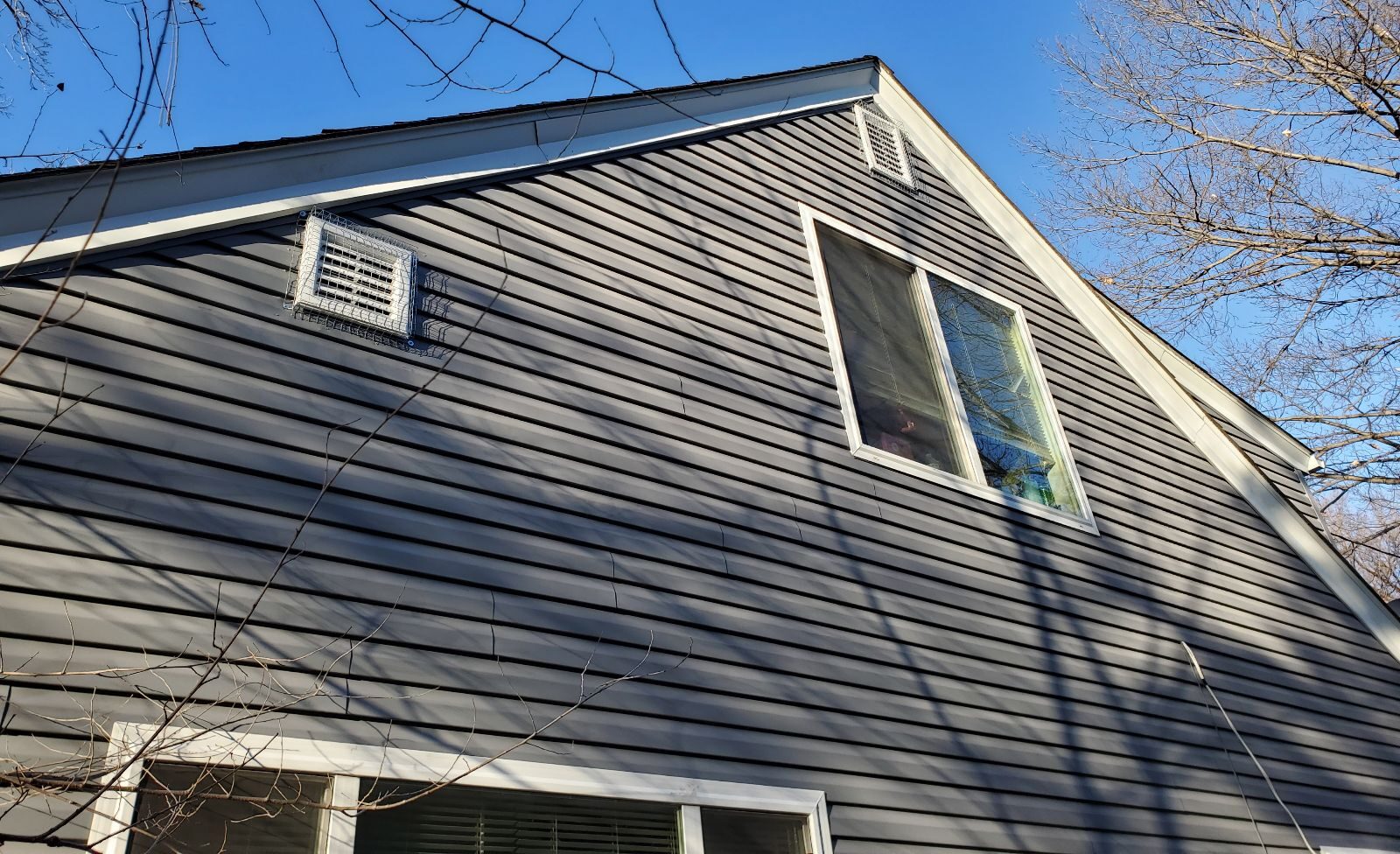
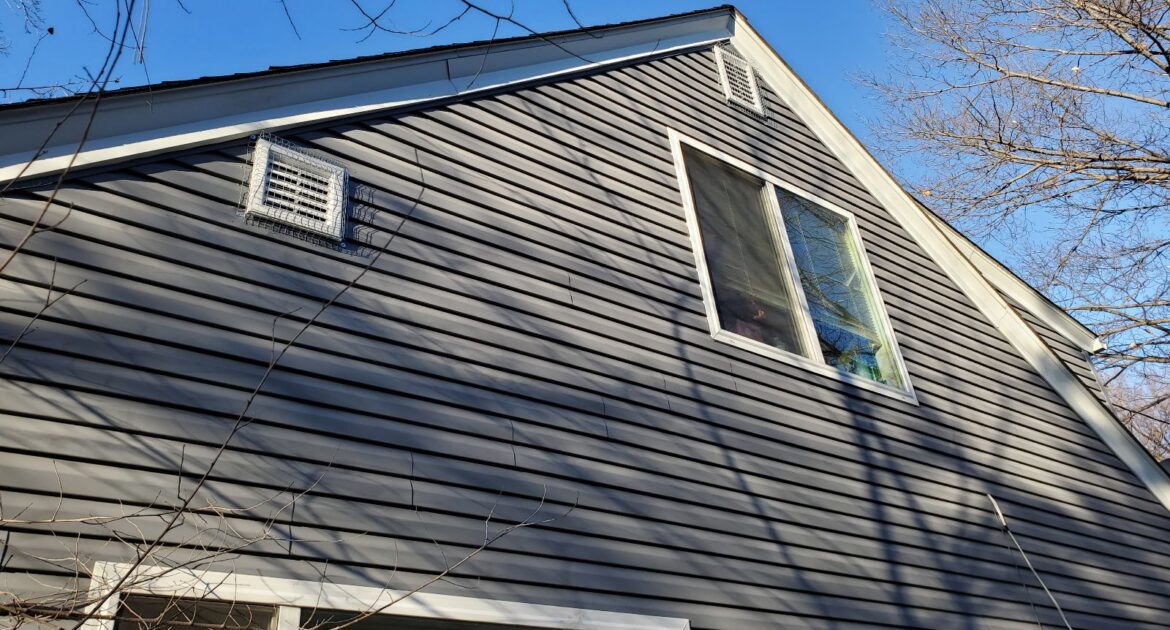
Wall vents are small but essential parts of your home. They keep your HVAC systems running efficiently, vent moisture from bathrooms, and help dryers and kitchen exhausts function properly. Without them, your home could struggle with poor air quality, higher energy costs, and humidity issues.
But while vents help your home breathe, they can also create an open invitation for wildlife. Squirrels, raccoons, bats, and birds can exploit unprotected vents to enter your walls, ceilings, or attics. Once inside, they may cause damage, leave unpleasant odors, and even pose health risks to your family.
At Skedaddle Humane Wildlife Control, we see vent-related intrusions often in Colorado homes. Between harsh winters, older construction, and abundant wildlife, these problems are more common than many homeowners realize. This guide will help you understand how wildlife can access your vents, recognize the warning signs, and learn why professional inspections are essential—all while keeping animals safe.
How Can Animals Get Into Your Walls?
Wild animals are persistent. Even small gaps—sometimes as tiny as half an inch—can become entry points. Wall vents, whether for HVAC systems, dryers, bathrooms, or kitchens, are especially vulnerable because they provide a direct pathway to insulated, sheltered spaces.
Common vulnerabilities include:
- Damaged or corroded vent covers: Metal covers can rust and weaken; plastic covers can crack or warp.
- Poor installation: Misaligned or loosely fitted vents create gaps animals can exploit.
- Wear and tear: Freeze-thaw cycles, heavy snow, and strong sun can expand small cracks.
- Renovation gaps: Home repairs or improvements can leave unintentional openings.
Once inside, animals may:
- Nest in insulation
- Chew on wiring or wood
- Spread droppings and odors
- Cause damage over weeks or months before detection
Pro Tip: Early detection is key. A professional inspection can uncover vulnerabilities before wildlife moves in, saving thousands in repairs and protecting your family’s health.
Common Wildlife That Invades Wall Vents in Colorado
Colorado’s diverse wildlife includes small climbers, nocturnal flyers, and larger mammals, all capable of exploiting gaps in wall vents. Knowing which animals are likely to target your vents helps homeowners anticipate risks and take preventive action.
Squirrels and Chipmunks
Squirrels and chipmunks are among the most frequent vent intruders. Agile climbers and jumpers, these small mammals can enter gaps as narrow as 1.5 inches, making even minor imperfections in vent covers a potential entry point.
Behavior and Risks:
- Nesting: Insulated walls provide a safe and hidden location for nests.
- Chewing Habits: Squirrels and chipmunks chew on insulation, wood, and wiring, which can compromise the structural integrity and safety of your home.
- Seasonal Activity: Most active in spring when raising young and in fall when preparing for winter.
Signs of Infestation:
- Scratching or scampering noises inside walls or ceilings
- Chewed or damaged vent covers and insulation
- Small droppings near vent openings
Raccoons and Opossums
Raccoons and opossums are larger, intelligent mammals capable of exploiting gaps three inches or larger. Their problem-solving skills make them persistent intruders, particularly during colder months.
Behavior and Risks:
- Shelter Seekers: They are drawn to wall cavities, vents, and attics to escape cold temperatures in late fall and winter.
- Damage Potential: Raccoons and opossums can tear insulation, dislodge vent covers, and create unsanitary nesting areas.
- Nocturnal Activity: Active at night, making early detection difficult.
Signs of Infestation:
- Loud thumping or scratching sounds in attics or walls
- Dislodged vent covers or damaged insulation
- Droppings or food remnants near vent openings
Bats
Bats are among the smallest and most flexible intruders, capable of squeezing through gaps as small as 0.5 inches. While beneficial for controlling insect populations, bats can create significant issues when they roost inside homes.
Behavior and Risks:
- Nocturnal Activity: Bats are active at night and often go unnoticed until droppings accumulate.
- Roosting Habits: They prefer dark, secluded spaces such as wall cavities and attics.
- Health Considerations: Bat guano can carry histoplasmosis, a respiratory disease, making professional exclusion essential.
Signs of Infestation:
- Small droppings near vent openings
- Foul odors associated with accumulated guano
- Fluttering or squeaking noises at night
Birds
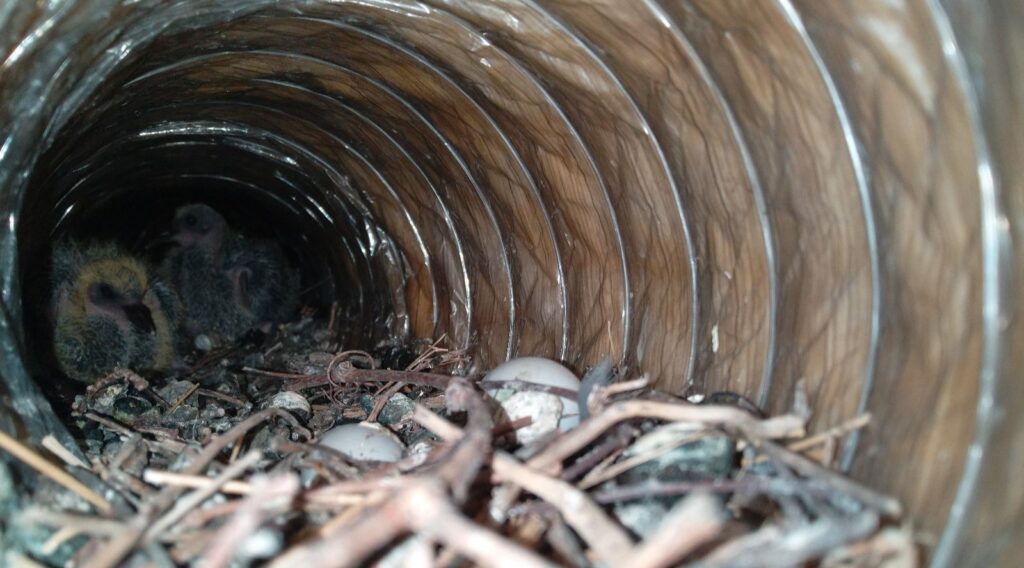
Birds, including starlings, pigeons, and sparrows, frequently use vents as nesting sites, particularly in spring and early summer.
Behavior and Risks:
- Nesting: Vents provide sheltered spaces that are safe from predators and weather.
- Vent Blockages: Nesting material can obstruct airflow, reducing ventilation efficiency and causing moisture buildup.
- Seasonal Activity: Peak nesting occurs in spring and early summer.
Signs of Infestation:
- Visible nesting material near vents
- Reduced airflow from vents
- Chirping or fluttering sounds around vent openings
Why Wall Vents Are So Appealing to Wildlife
Wall vents are more than just small openings—they represent a perfect combination of shelter, warmth, and sometimes even a food source for wildlife. Animals are not simply wandering into vents by chance; they are attracted by very specific conditions that these openings provide. Understanding what draws them can help homeowners take targeted action to prevent intrusions.
Warmth: A Cozy Refuge from Harsh Winters
Colorado winters can be unforgiving, with freezing temperatures, snowstorms, and icy winds. For wildlife, finding a warm and protected space is essential for survival during these months. Wall vents provide direct access to the insulated areas of a home, offering:
- Stable temperatures: Unlike outdoor nests or burrows, wall cavities maintain more consistent warmth.
- Protection from snow and wind: Vents allow animals to bypass harsh exterior conditions entirely.
- Safe sleeping areas: Smaller mammals, like squirrels and chipmunks, can hibernate or rest in vents for days at a time.
Because insulation traps heat, wall vents become particularly attractive in late fall and winter, when animals are searching for cozy spaces to escape the cold.
Safety: Hidden Spaces Away from Predators
Predation is a constant threat for many small animals. Wall vents offer an attractive hiding spot where wildlife can feel secure. Some of the safety advantages include:
- Secluded nesting areas: Vent openings lead directly to enclosed wall cavities or attics, hidden from the view of birds of prey, neighborhood cats, and other predators.
- Protected from human activity: Many animals prefer to nest in areas that see minimal human interference, and wall vents provide that advantage.
- Reduced competition: By entering walls through vents, animals gain a secure location without competing with other wildlife for the same outdoor shelter.
This sense of safety is a major reason why even cautious animals, such as raccoons or bats, may attempt to enter vents despite the potential risks.
Food Access: Proximity to Resources
Some animals are also drawn to wall vents because of their proximity to food sources. Vents near kitchens, pantries, or compost areas offer a unique combination of shelter and sustenance:
- Indoor smells attract wildlife: The scent of stored food, garbage, or compost can lure animals to vents located on kitchen or utility walls.
- Easy access to foraging areas: Once inside the wall cavity, animals may find small crumbs or other remnants, supplementing their natural diet.
- Strategic positioning: Vents near outdoor gardens, fruit trees, or bird feeders can act as entry points for animals seeking both shelter and food.
For example, squirrels and chipmunks often explore vents near kitchens or garages, not just for warmth, but because they’re instinctively drawn to areas where humans store edible items.
Seasonal Patterns and Motivations
The attractiveness of wall vents changes with the seasons, as wildlife adjusts its behavior:
- Spring: Animals look for safe nesting spots, often choosing wall vents to raise young in warmth and security. Birds, squirrels, and chipmunks are particularly active.
- Summer: While warmth is less of a factor, wall vents near food sources remain attractive. Bird nesting activity peaks during this season.
- Fall/Winter: Insulation and warmth become the top priority. Raccoons, opossums, bats, and small rodents seek refuge from dropping temperatures.
By considering these seasonal motivations, homeowners can better anticipate periods of high risk and schedule preventive inspections or vent reinforcements accordingly.
Recognizing why animals are drawn to vents helps homeowners understand the urgency of proper vent maintenance, professional inspections, and the installation of wildlife-resistant screens or covers. Prevention isn’t just about closing gaps—it’s about removing the incentives that make your home so attractive to intruders.
Early Signs of Wildlife Activity in Wall Vents
Even if you don’t see animals directly, they often leave clear clues that something is happening inside your walls. Paying attention to these signs can help you detect an intrusion early—before it leads to costly damage.
- Noises: Scratching, squeaking, or chirping inside walls or ceilings—especially at night—can indicate squirrels, bats, raccoons, or birds moving around. Repeated or unusual sounds over several days are a strong warning sign.
- Droppings: Accumulations of feces near vent openings or inside wall cavities are a telltale sign of animal activity. Different animals leave different-sized droppings, which can help identify the intruder.
- Damage: Chewed or dislodged vent covers, insulation, or wiring signals that animals are trying to expand their space or access additional areas. Even small amounts of chewing can worsen quickly if ignored.
- Odors or Stains: Urine, feces, or nesting materials produce strong, persistent odors. You may notice these smells inside your home or around the vent exterior. Stains on walls or ceilings can also indicate nesting activity.
- Structural Issues: Unexplained damage to drywall, wiring, or insulation can occur when animals move around inside walls. Even minor damage may point to a larger, hidden problem.
Early detection is crucial. Identifying these signs promptly allows you to call a professional, prevent further intrusion, and avoid expensive repairs while keeping wildlife safe.
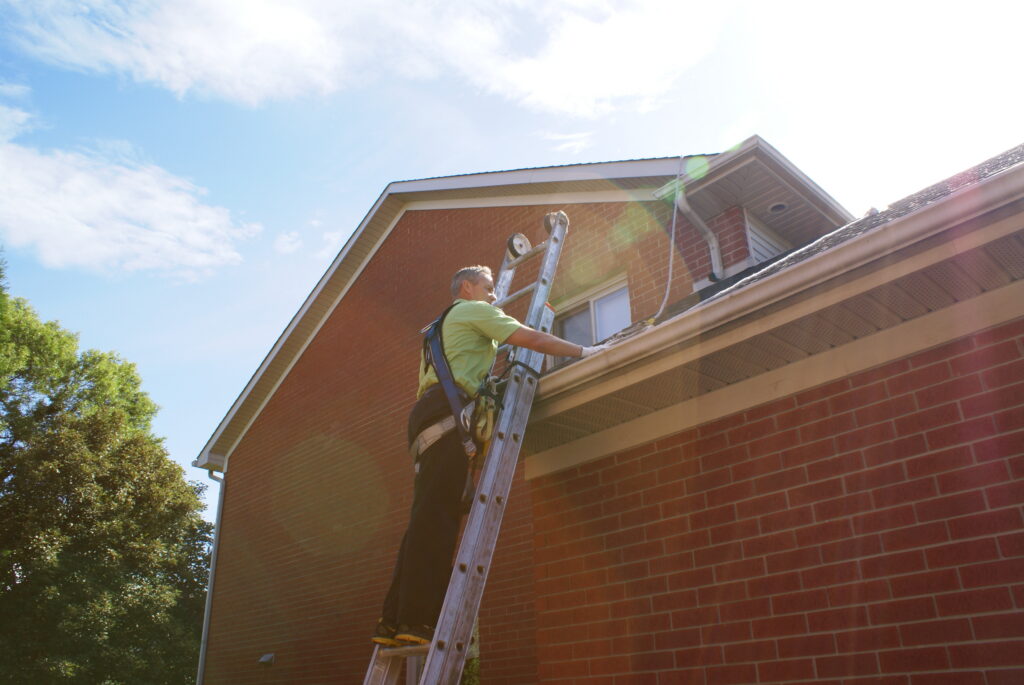
Common Mistakes Homeowners Make
Many wildlife intrusions occur not because animals are unusually clever, but because homeowners unintentionally make their homes more accessible. Avoiding these common missteps can significantly reduce the risk of animals entering through wall vents.
Don’t Just Trust Your Eyes
Even vents that look secure can have tiny gaps that wildlife can squeeze through. Animals like squirrels and bats can fit through openings smaller than half an inch, so a quick visual check isn’t enough. Over time, weather and minor shifts in your home’s structure can create unseen vulnerabilities.
Stay on Top of Maintenance
Regular maintenance is key. Metal vent covers can rust, plastic can crack, and insulation can wear away. If you don’t check for these issues, small gaps can form, creating an open invitation for animals. Proactive upkeep helps prevent problems before they start.
Avoid Quick DIY Fixes
Many homeowners try temporary solutions like taping vent openings or using makeshift mesh. While it might seem like a good idea, these fixes rarely last. Wildlife can easily chew through or bypass them, sometimes making the problem worse. Professional-grade covers and sealing are much more reliable for long-term protection.
Remember the Seasons
Wildlife activity changes with the seasons. If you only check your vents in the summer, you might miss peak nesting times in the spring or when animals are looking for shelter in the fall and winter. Regular inspections throughout the year help you catch problems before they escalate.
Avoiding these mistakes is simple with awareness and proactive care. Ensuring vents are secure, performing routine maintenance, using professional solutions rather than DIY fixes, and considering seasonal activity can dramatically reduce the risk of wildlife intrusion, saving homeowners time, stress, and money in the long run.
Why Professional Wildlife Prevention Matters
Hiring a professional to assess and protect your home from wildlife intrusions provides benefits that go far beyond what most homeowners can achieve on their own. While DIY solutions may offer temporary relief, professional wildlife prevention ensures long-term protection, safety, and peace of mind.
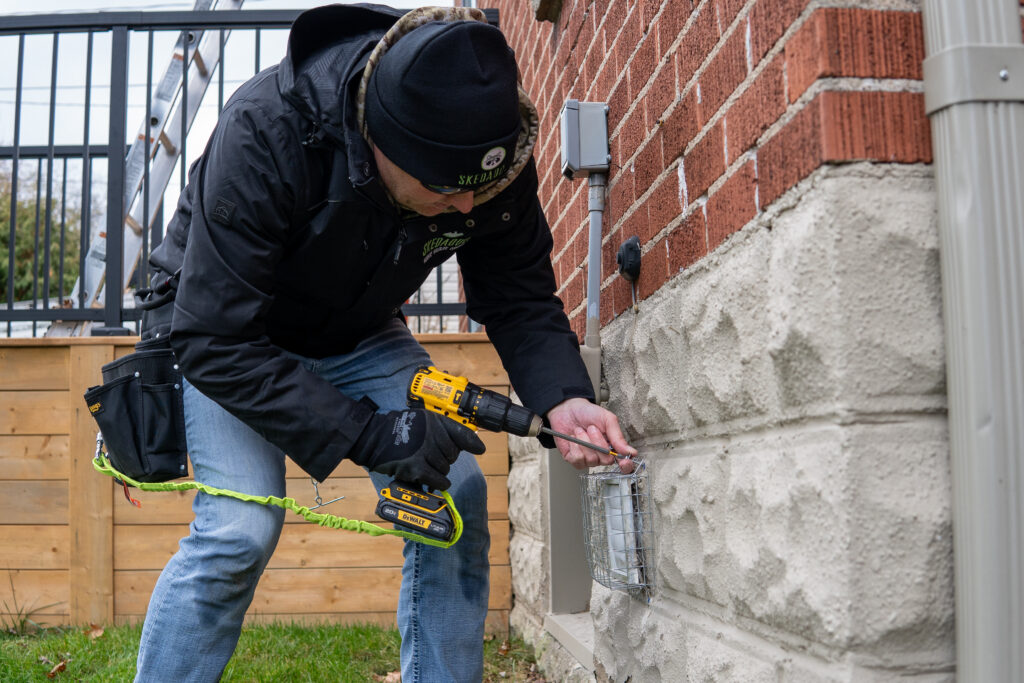
Seeing how easily wildlife can exploit wall vents often surprises homeowners. Even small gaps or slightly damaged covers can become entry points for determined animals. In this short video, a Skedaddle wildlife technician demonstrates how vulnerable wall vents can be and explains why professional-grade protection is essential for preventing intrusions.
- Thorough Home Inspections: Experts check every potential entry point—from rooflines to attic spaces—to find hidden vulnerabilities that animals could exploit.
- Humane Animal Removal: Professionals use safe, humane methods like one-way doors to remove animals without harm, respecting local wildlife and regulations.
- Durable, Long-Term Solutions: Forget temporary fixes. Professional installations are built to withstand Colorado’s extreme weather, preventing future intrusions and saving you money.
- Complete Peace of Mind: Gain confidence knowing that experts have identified and addressed hidden risks like chewed wiring or structural gaps, preventing costly repairs down the line.
Investing in professional wildlife prevention is more than just a quick fix—it’s a proactive approach that protects your home, ensures safety, and provides lasting peace of mind, all while keeping wildlife unharmed.
Maintenance and Prevention Strategies
Even homes that appear secure can benefit greatly from routine professional care. Regular maintenance not only helps prevent wildlife intrusions but also keeps your ventilation system functioning efficiently and protects your home from costly damage.
- Regular Inspections: Professional inspections go beyond a simple visual check. Experts can detect subtle signs of wear, corrosion, or small gaps that may be invisible to the untrained eye. Identifying these vulnerabilities early allows for proactive repairs before wildlife has a chance to take advantage.
- Upgraded Vent Screens: Installing wildlife-resistant screens is one of the most effective preventive measures. These durable screens block animals from entering vents while still allowing proper airflow, ensuring your home remains ventilated without compromising safety.
- Cleaning and Debris Removal: Leaves, insulation fragments, and other debris can accumulate around vents and create inviting nesting spots for wildlife. Regular professional cleaning removes these materials and eliminates potential shelter, reducing the likelihood of intrusions.
Routine, professional maintenance ensures that your home stays protected year-round. By combining inspections, vent upgrades, cleaning, and seasonal monitoring, homeowners can prevent problems before they start, keeping both their home and local wildlife safe.
Colorado-Specific Considerations
Homes in Colorado face a unique combination of challenges that make wildlife intrusion through wall vents more common than in many other states. Understanding these factors helps homeowners take effective, proactive steps to protect their homes.
- Climate: Colorado’s cold winters and sudden weather shifts drive animals to seek warmth and shelter indoors. Wall vents provide easy access to insulated spaces, making homes attractive to squirrels, raccoons, bats, and other wildlife during fall and winter.
- Building Styles: Both older and newer homes have vulnerabilities. Older homes may have gaps or worn vent installations that have developed over decades, while even newer construction can include design features that inadvertently create easy entry points for clever wildlife. Knowing where these weak spots are is key to preventing intrusions.
- Regulations: Colorado has strict humane wildlife exclusion laws. Non-lethal prevention and removal methods are not only required by law but are also the safest approach for both residents and the animals. Professional services ensure compliance while effectively protecting your home.
- Seasonal Challenges: Wildlife behavior changes with the seasons, so timing inspections and preventive measures is critical:
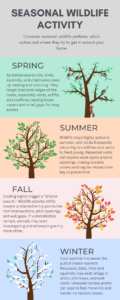
Location-specific inspections that account for Colorado’s climate, construction styles, and seasonal wildlife patterns provide the most effective protection. By tailoring prevention strategies to local conditions, homeowners can stay one step ahead of potential intrusions and safeguard their home year-round.
Health and Safety Implications
Wildlife in wall vents isn’t just an inconvenience—it can create serious risks for your home, your family, and even your property value. Understanding these implications underscores why early detection and professional prevention are so important.
- Structural Damage: Pesky tenants like squirrels and raccoons love to chew. They’ll gnaw through insulation, wiring, and even wooden supports, leading to expensive repairs for your walls, ceilings, and attic.
- Fire Hazards: Chewed electrical wiring is a serious safety risk. Those exposed wires can spark, creating a major fire hazard in your home.
- Health Risks: Wildlife leave behind droppings, urine, and nesting materials that can carry nasty bacteria and viruses, posing health risks and creating foul odors.
- Decreased Property Value: A history of wildlife problems can lower your home’s value and scare off potential buyers, who may worry about safety and future maintenance issues.
Professional inspections and preventive measures not only protect your home from damage but also safeguard the health of your family and maintain the long-term value of your property.
Advanced Vent Materials and Technologies
Modern vent solutions offer more than basic protection—they combine durability, functionality, and safety to keep your home secure from wildlife while maintaining proper airflow. Using the right materials and professional installation techniques is key to long-term prevention.
- Metal Vent Covers: These tough covers are your first line of defense. They’re built to withstand Colorado’s wild weather and resist even the most determined chewing from pests.
- Fine Mesh Screens: Don’t let tiny intruders like bats and birds slip through the cracks. Fine mesh screens block even the smallest pests while keeping your home well-ventilated.
- Insulated Covers: Get the best of both worlds! Insulated covers keep animals out while also boosting your home’s energy efficiency and lowering your utility bills.
- Professional Sealing: A great vent cover isn’t enough if there are gaps around the edges. Professional sealing ensures every potential entry point is blocked, giving you total peace of mind.
Animal Size vs. Vent Gap Needed
Different animals require different gap sizes to gain access. Understanding this helps homeowners choose the right vent protection:
| Animal | Minimum Gap to Enter | Common Target Vents |
| Bat | 0.5 inch | HVAC, bathroom vents |
| Squirrel | 1.5 inches | Dryer vents, attic vents |
| Small Bird | 1 inch | Soffit vents, exhausts |
| Raccoon | 3 inches | Dryer vents, wall openings |
| Opossum | 3 inches | HVAC or larger vents |
By selecting vent materials and screens designed to block the smallest potential intruders, you can effectively prevent almost all common wildlife from gaining entry. Professional installation ensures that these materials are applied correctly, providing long-lasting protection and reducing the need for repeated maintenance.
Frequently Asked Questions
How often should wall vents be professionally inspected?
At least once a year, with extra attention in spring and fall.
Can animals cause damage silently?
Yes. They can remain undetected for weeks or months, damaging insulation, wiring, and vent covers.
Are modern vent designs effective?
Yes. Properly installed fine mesh screens, metal covers, and sealed edges greatly reduce intrusion risk.
What should I do if I suspect wildlife is in my vents?
Contact a professional immediately. Skedaddle evaluates entry points, prevents access, and ensures humane exclusion.
Are certain seasons worse for wildlife intrusions?
Yes. Spring and summer bring nesting birds and squirrels, while fall and winter bring raccoons, bats, and opossums indoors.
Can wildlife carry diseases?
Yes. Droppings and urine may carry bacteria, fungi, and viruses; bats can spread histoplasmosis. Professional handling is essential.
Protect Your Home with Professional Wildlife Solutions
Wall vents are essential for ventilation but can be vulnerable entry points if neglected. Squirrels, raccoons, bats, and birds exploit small gaps or damaged screens, causing structural damage, health risks, and costly repairs.
Recognizing early warning signs—sounds, droppings, or damaged vent covers—allows timely intervention. Professional inspections, wildlife-resistant vent solutions, and seasonal maintenance provide long-term, humane protection.
At Skedaddle Humane Wildlife Control, we specialize in Colorado homes. Our team provides comprehensive vent evaluations, professional installations, and year-round protection against wildlife intrusion.
Don’t wait for animals to move in. Contact Skedaddle today to schedule a professional assessment or service appointment and protect your home and family with expert, humane solutions.

 Loading...