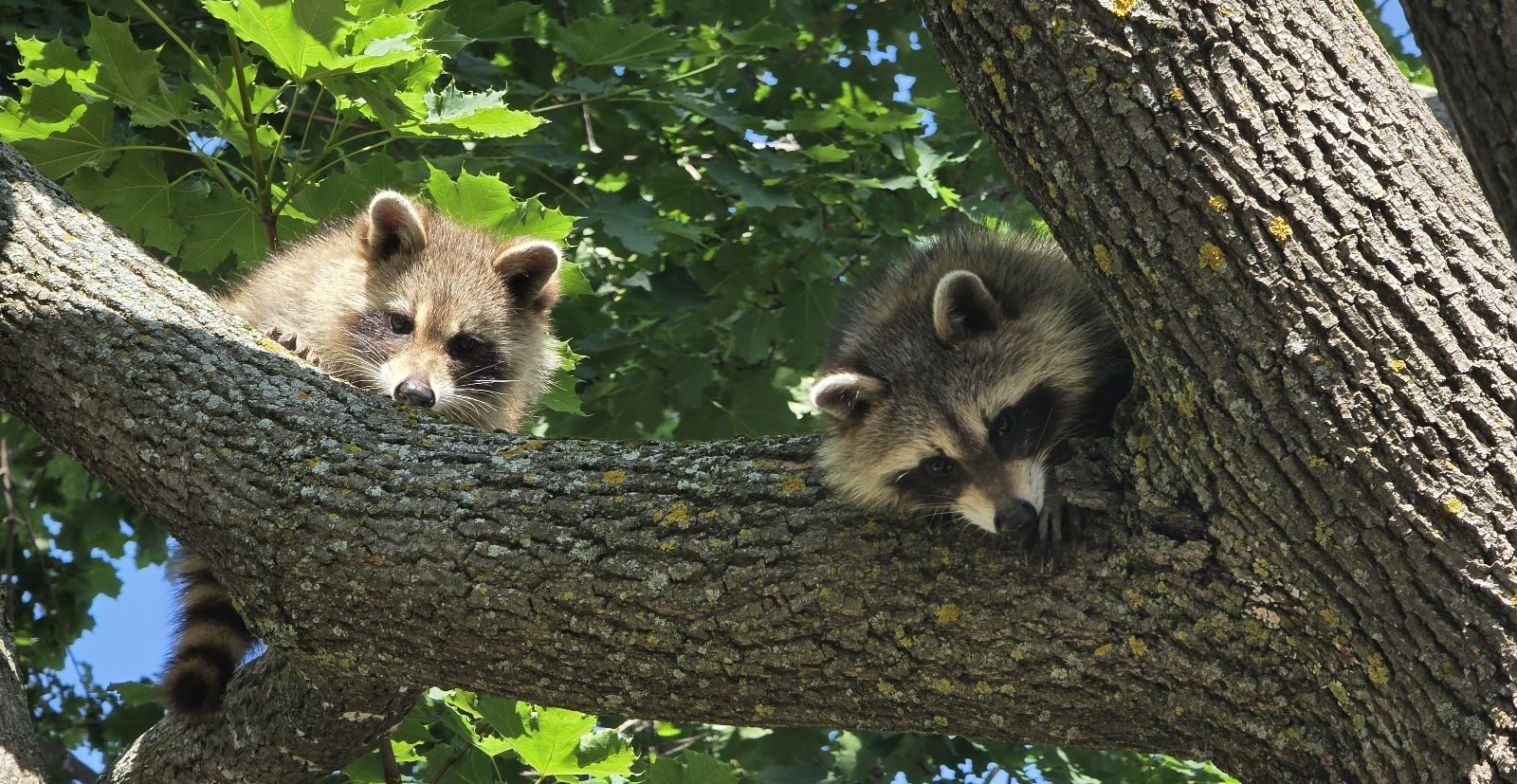
You love your pet and want them safe at home and in your yard. You may not always think about wildlife dangers to pets, but the risk is real in Morrison. Animals searching for food or shelter can come close to homes, and pets are often the first to encounter them.
You might ask, can wildlife harm pets? The answer is yes. Physical fights, disease transmission, parasites, and contaminated areas all create pets and wildlife risks. Even a quick encounter in the yard can lead to injury or illness. At Skedaddle Humane Wildlife Control in Morrison, we see how easily these situations develop.
You may believe your yard feels secure. But animals move quietly, especially at dawn and dusk. You may notice barking at night, nervous pacing, or scratches along fences. These can all point to nearby activity.
In this blog, you will see how wildlife dangers to pets develop, what signs to watch for, and how professional prevention keeps your animals protected.
Physical Confrontations And Injury Risks
You may think larger animals avoid pets. That is not always true. Coyotes, raccoons, foxes, and other creatures can act aggressively when protecting territory or searching for food.
Direct injury risks include:
- Bites and scratches during territorial fights
- Chasing that leads to falls or broken bones
- Defensive attacks if a pet approaches young animals
- Nighttime encounters near garbage or food sources
You may not see the animal clearly. But a sudden yelp, limping, or bleeding can signal a confrontation. Even smaller animals can cause serious injury.
You reduce pets and wildlife risks when outdoor access points are secured properly. Prevention lowers the chance of close contact.
Disease Transmission From Wild Animals
You may not realize that illness can spread even when there is no fight. Many wild animals carry diseases that pass through saliva, urine, or droppings. Your pet does not need to be bitten for exposure to happen. Even sniffing or licking a contaminated area can create risk. This is one of the most serious wildlife dangers to pets.
Some diseases are especially concerning for dogs and cats. Rabies can spread through bites or saliva contact. Leptospirosis can spread through contaminated soil or water. Canine distemper can affect dogs that are not fully vaccinated. Bacterial infections can also develop from small scratches that seem minor at first.
You might notice fever, tiredness, or sudden changes in behaviour. These symptoms may not appear right away. Sometimes illness shows up days after contact. That delay can make it harder to connect the problem to the source. Preventing animals from nesting near your home helps reduce these hidden health risks and keeps your pet safer.
Parasites And Secondary Health Problems
You may think fleas and ticks only come from tall grass. Many wild animals carry parasites into residential areas.
Common parasite concerns include:
- Fleas that spread quickly indoors
- Ticks that carry Lyme disease
- Mites that cause skin irritation
- Internal parasites from contaminated areas
You may notice excessive scratching, hair loss, or skin redness. Parasites can move from animals into your home environment quickly.
Pets and wildlife risks increase when nesting occurs under decks, sheds, or near foundations. Professional exclusion prevents animals from establishing these areas close to your pet.
Contaminated Yards And Hidden Hazards
You may not see contamination clearly in your yard. Droppings, urine, and leftover food scraps attract more animals and create health concerns.
Pets can encounter:
- Contaminated soil near nesting areas
- Leftover carcasses hidden in shrubs
- Food scraps dragged from garbage
- Water sources tainted by animal waste
You may see your dog sniffing or chewing something outside. Even brief contact with contaminated material can cause digestive illness.
Wildlife dangers to pets often start in unnoticed corners of the yard. Removing animals and sealing entry points helps prevent contamination from returning.
Stress And Behaviour Changes In Pets
You may notice your pet acting differently before you ever see an animal nearby. Barking at night, pacing near doors, or refusing to enter the yard can all signal nearby activity. Animals communicate through scent, and your pet’s nose is very strong. Even if your pet never sees them, they may smell them and feel uneasy. This can lead to anxiety and agitation.
You might see hiding, trembling, or sudden aggression toward people or other pets. Some pets may cling to you more than usual. Others may become restless and unable to relax. These behaviour changes can happen quickly when animals are close to your home.
Pets and wildlife risks are not always physical. Stress can affect sleep, appetite, and overall health over time. A nervous pet may stop eating well or lose interest in play. Reducing wildlife activity near your home restores calm for both you and your pet and helps them feel safe again.
Seasonal Activity In Morrison
You live in an area where seasonal changes affect animal movement. Spring brings young animals exploring new spaces as they leave their nests. During this time, animals may move closer to homes while searching for food. Fall pushes animals to search for shelter before winter arrives. These shifts increase the chance of contact near your yard.
You may notice more activity near fences, sheds, decks, or crawl spaces during colder months. Snow and reduced food sources drive animals toward residential areas where warmth and scraps are easier to find. Nighttime movement often increases as temperatures drop. Even quiet neighbourhoods can see more animal traffic during these months.
Wildlife dangers to pets often rise during these transition seasons. Local knowledge matters when planning prevention in Morrison. Colder nights and wooded surroundings increase the risk of animals crossing into yards. Our professional monitoring helps spot seasonal patterns early. Addressing these changes before winter or spring peaks keeps your pet safer year-round.
Wildlife Prevention For Pet Safety With Skedaddle
You want a long-term solution, not temporary relief. Our team focuses on keeping animals away from areas where pets play and rest.
Our prevention approach includes:
- Identifying and sealing entry points around foundations and decks
- Installing one-way doors to allow animals to exit safely
- Securing vulnerable rooflines and vents
- Removing nesting areas safely and completely
You reduce pets and wildlife risks when access is blocked fully. One-way doors allow animals to leave naturally but prevent re-entry. This method protects your property without harming the animal.
You protect your pet by preventing the problem at its source. Long-term exclusion keeps yards and structures secure.
Frequently Asked Questions
Can wildlife harm pets even during the day?
Yes. While many animals are active at night, daytime encounters can still happen. Pets left unattended outdoors face risk at any hour. Some animals become active during the day if food is easy to find. Even a short time outside without supervision can increase the chance of contact.
What animals pose the biggest risk in Morrison?
Coyotes, raccoons, foxes, and other territorial creatures are common in the area. Each can create wildlife dangers to pets if contact occurs. Larger animals may see small pets as prey or competition. Even defensive behaviour can lead to serious injury.
Are smaller animals a serious concern?
Yes. Even smaller animals can carry disease or parasites. Size does not eliminate pets and wildlife risks. A bite or scratch from a small animal can still cause infection. Contaminated droppings or nesting areas also create health concerns.
Does fencing fully protect pets?
Not always. Many animals can climb or dig under fencing. Professional inspection identifies hidden vulnerabilities. Gaps at the bottom of fences are often overlooked. Securing weak spots reduces the chance of animals entering your yard.
Keep Your Pet Safe From Wildlife Dangers In Morrison
You want your pet to run, play, and relax in the yard without danger. You should not have to worry about hidden animals nearby. Wildlife dangers to pets can lead to bites, illness, stress, or long-term health problems if the issue is not handled early. Even one close encounter can change your pet’s behaviour or cause injury.
You lower pets and wildlife risks when nesting areas are removed and entry points are sealed the right way. Small gaps under decks, along fences, or near foundations can allow animals to move close to your home. Once they settle in, the risk grows for both you and your pet. Blocking access stops the problem before it spreads.
You protect your yard when prevention is handled by professionals. One-way doors allow animals to leave safely but prevent them from coming back. Sealing and monitoring help keep your property secure through every season.
If you live in Morrison and are asking, can wildlife harm pets, the answer is yes. Contact Skedaddle Humane Wildlife Control in Morrison to request an estimate. Our team will inspect, remove, seal, and protect your home so your pet stays safe.

 Loading...







