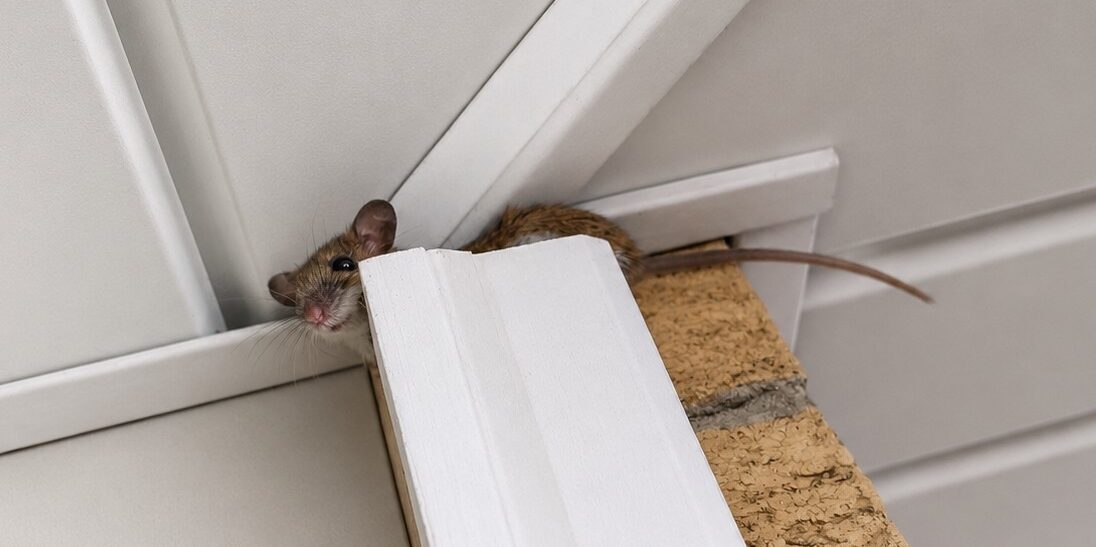
Do you know how mice find ways into your home during summer? It’s through tiny gaps and openings you might not even notice. These clever little creatures are experts at squeezing into small spots, especially around open vents, cracks in your siding, gaps in your roofline, and even spaces around utility lines. They’re not just searching for shelter; they’re looking for places where they can build nests and raise their young, turning your home into theirs. The warmer months make it easier for mice to search for these openings, and once they’re in, it can be hard to get them out.
That’s where we come in. At Skedaddle Humane Wildlife Control in Coquitlam, we understand how mice think and how they explore homes like yours. Our expertise lies in identifying the hidden entry points you might overlook and sealing them to keep rodents out—for good. You deserve a safe and pest-free home, and we know how to make that happen.
Keep reading to learn about the most common entry points around your property, why mice are so determined to get inside, and how our team can help you take action before a small problem turns into a big one. Your home deserves the best protection, and we’re here to provide it.
How small of a hole can mice fit through?
Mice can easily squeeze their bodies through a hole the size of a dime, which is about a quarter of an inch wide. If their head can fit through an opening, the rest of their body will slide right in. This makes finding every single entry point very difficult for the average person to do alone. You might walk right past a major hole without ever noticing it is there.
These animals have highly flexible skeletons that allow them to flatten out and push through tight spaces. During the summer, they actively hunt for these tiny vulnerabilities to slip inside and build nests. Their whiskers are highly sensitive to air moving in or out of your house, leading them right to the source. Once they feel that cool air escaping, they know shelter is nearby.
Because they require incredibly little space to gain access to your living areas, you must be very careful. You should always trust our professional wildlife control to find these hidden spots. We know exactly where to look to stop them from getting inside. Our team finds the holes that most people easily miss.
What are the Tiny Summer Gaps Around Your Home Mice Are Looking For?
Here is a list of the tiny summer gaps around your home mice are looking for when they want to get inside:
Unsealed Weep Vents and Foundation Cracks
Weep vents are small but vital openings in the walls of brick homes. They help the walls breathe by letting trapped moisture escape and preventing issues like mould or rot. Unfortunately, mice and other animals see these gaps as perfect doorways into your home.
Foundation cracks are another common way mice get inside. These cracks appear naturally over time as the ground moves and shifts below your house. While they may seem small to you, they can be large enough for a mouse to squeeze through and find its way into your basement or crawl space.
To address these problems, we install heavy-duty, chew-proof screens over weep vents. These screens block mice from gaining entry while still allowing moisture to escape. For foundation cracks, we seal them carefully to stop any unwanted visitors, keeping your home safe and secure.
Open Siding Corners and Misaligned Joints
Small openings around the exterior of a building can quickly become entry points for unwanted pests. These gaps are often overlooked during construction or routine maintenance, creating opportunities for mice to find their way indoors. Once inside, pests can cause damage to walls, insulation, and wiring, resulting in costly repairs. Sealing these areas properly is essential to keeping homes and buildings secure and pest-free.
- Foundation Gaps: Spaces where siding meets the foundation are common but often unseen weaknesses in the home’s exterior. Mice use these openings to burrow deeper into the structure. Filling these gaps with durable sealants or materials ensures a tight bond that denies pests access. Long-term maintenance of these areas is key to preventing re-entry and preserving overall safety.
- Roof Vent Openings: Roof vents provide proper airflow for homes, but they can also act as an open door for pests. Mice can travel through unsecured vent covers with ease. Installing screens or pest-resistant materials over these openings is a critical step in deterring wildlife. Regular inspections help detect damage early and keep these points secure at all times.
- Soffit and Fascia Cracks: Cracks in soffits and fascia boards create easy entry for mice seeking shelter. Mice can squeeze through even tiny openings to reach the attic or walls. Carefully sealing or replacing damaged boards helps protect the building from infestations. Addressing these gaps promptly prevents further structural deterioration and keeps pests out.
- Gaps Around Utility Lines: Places where cables, pipes, or wires run through walls are often left with unsealed gaps. These spaces provide a direct pathway indoors for mice. Filling the holes with foam or weatherproof materials blocks these entryways effectively. Proper sealing in these areas increases energy efficiency and keeps pests at bay.
Exposed Utility and HVAC Lines
Mice are always looking for ways to enter your home, and holes around utility lines offer an easy entry point. These gaps can allow air to flow in and out, making it simple for mice to sniff them out. Once they find these spaces, they often chew the edges, making the holes even bigger and creating a serious problem.
To fix this issue, it’s important to seal the gaps around utility lines properly. Basic materials from your local hardware store may not provide a lasting solution. That’s why we use professional-grade materials designed to fully block entry points and withstand chewing and weather over time.
Our team works carefully to inspect these areas and seal them thoroughly. This helps prevent mice and other pests from squeezing inside your home. By addressing these spaces, we create stronger barriers and keep your household safe and secure.
Damaged Garage Door Corners and Roof Soffits
Maintaining a home’s structure is essential to preventing mice from slipping inside. Small gaps or worn materials might seem insignificant, but they can quickly become entry points for mice looking for shelter. By identifying vulnerabilities in common areas such as garage doors, soffits, and rooflines, it’s possible to protect both the integrity of your home and peace of mind. Tackling these issues early helps avoid larger problems down the road and keeps the indoors undisturbed.
- Garage Door Weather Stripping: Over time, the weather stripping at the base of garage doors begins to crack, shrink, or degrade. These small openings allow mice to easily slip through into the garage. Once inside, these intruders may continue further into the home, causing damage or spreading contaminants. Replacing damaged weather stripping with a durable material creates a solid barrier and blocks entry points before they become an issue. Regular inspections of the garage door corners and seals can prevent long-term problems.
- Roofline Gaps and Misaligned Joints: Mice are adept climbers and often exploit gaps in the roofline or joints. These spaces provide a perfect entrance for nesting or shelter, especially during colder seasons. Misaligned soffits or fascia boards can widen over time, further increasing the risk of intrusion. Sealing joints with robust materials and aligning panels properly closes off these potential entry points. Periodic roof inspections can determine if repairs are necessary to maintain a fully protected home.
- Soffits and Vent Protection: Open soffit vents are designed to provide necessary airflow, but they can also unintentionally invite pests. Mice frequently take advantage of unprotected vents to build nests or enter attics. Installing vent covers and ensuring soffit panels are secure can discourage mice. Additionally, choosing a vent material that is breathable but durable will allow airflow while keeping pests at bay. This dual-purpose measure prevents wildlife intrusion without compromising household ventilation.
Damaged Vents and Their Risks
Damaged vents, such as those found on walls, dryers, and attics, can create serious concerns for homeowners. Missing or chewed screens made from plastic or aluminum leave openings that are easy for pests to access. Squirrels, birds, and insects can enter through these gaps, potentially causing structural damage or creating health hazards.
Wall and dryer vents require regular inspections to ensure their screens remain intact. Over time, screens can weaken due to wear and tear, exposure to weather, or persistent mice. By replacing broken screens promptly, you can stop pests from sneaking into your home while keeping proper ventilation intact.
Attic vents are another common trouble spot when damaged screens go unnoticed. Once pests gain access, they can cause problems like nesting, chewing on insulation, or leaving behind droppings. Maintaining well-fitted, durable screens on these vents is essential to protecting your home’s interior from pest invasions.
Why Do Mice Target Your Coquitlam Home During the Summer?
When the weather heats up in the summer, mice often look for a new place to stay. Your home provides everything they need: food, water, and shelter. Mice are very good at finding tiny cracks or holes to sneak inside, making it easy for them to settle in. Once they’re in, they can quickly become a problem for you and your family. Here is why they target your property:
- Prime Breeding Season and Shelter: While people often think of mice as a winter problem, summer is actually their prime breeding season. They look for a safe, dark, and warm place to raise their young away from outdoor predators. Attics and wall cavities provide the perfect shelter for a mother to build her nest. She wants a quiet space where her babies can grow safely.
- Cool Airflow from the House: The climate in Coquitlam brings warm days and cool nights, making your temperature-controlled house highly attractive. Air conditioning and steady airflow draw them toward your property. They use the cool air escaping from your house to guide them straight to hidden entry points. Their whiskers pick up this airflow easily from a distance.
- Constant Access to Food and Water: Once they get inside, mice stay close to the nesting area and look for easy meals. Your kitchen provides plenty of crumbs and water sources for them to survive. They often cause severe fire hazards as they chew on wood and wires while exploring your house. Homeowners should never ignore the signs of an infestation during the warm summer months.
Why Should You Avoid Cleaning Mouse Droppings Yourself?
You should never attempt to clean up mice waste or nesting materials on your own. Droppings can carry dangerous diseases that easily become airborne when you sweep or vacuum them. If you breathe in these harmful particles, you put your health at serious risk. Homeowners should avoid these areas entirely to stay safe.
You must not touch any contaminated areas, and you need to call Skedaddle right away. We use specialized protective gear and hospital-grade cleaners to safely remove all waste. Our team handles the entire decontamination process so you stay completely safe. We make sure all the dangerous bacteria is gone from your home.
Store-bought cleaning supplies and homemade spray solutions do not fully eliminate the bacteria left behind. Mice leave scent trails that attract others, so proper professional sanitization is required. Let our professional wildlife control company handle the dirty work to keep your family healthy. We remove the mess so you do not have to worry.
How Does Skedaddle Handle Mice Removal and Prevention?
Our professional wildlife team focuses on hands-on removal and permanent exclusion to protect your property. We do not use live trapping or relocation methods because they simply do not solve the root problem. Instead, our technicians thoroughly assess your home to identify every single hidden crack and entry point. We search high and low to find exactly where they get inside.
Once we find the entry points, we install custom one-way doors over the holes. These specialized devices allow wildlife to leave your home safely, but they completely deter them from coming back in. After the mice have naturally exited, we remove the doors and permanently seal the area. This method ensures mice are out for good without harming them.
Finally, we wildlife-proof your entire house using heavy-duty materials that mice cannot chew through. All exterior gaps are sealed to prevent any future access to your living spaces. We take care of everything from start to finish so you can enjoy a safe, peaceful living space. You never have to lift a finger when you hire our team.
Frequently Asked Questions
What is the main reason mice come inside during the summer?
Summer is their prime breeding season, so they seek out safe, protected spaces to raise their litters away from predators. We use the cool airflow from your house to locate tiny entry points.
Can mice climb brick walls to reach the roof?
Yes. They are excellent climbers and can easily scale brick, stucco, or siding to reach vulnerabilities near your roofline. This is why our wildlife control company carefully inspects soffits, fascia, and attic vents during our property assessments.
How do I know if mice are nesting in my walls?
You will typically hear scratching, scurrying, or squeaking noises coming from inside the walls or ceilings, especially at night. You might also notice a strong odour or find droppings along your baseboards in hidden areas.
Will sealing just one entry point solve the problem?
No. If you only block one hole, the animals will simply find or create another path inside. A complete home inspection and full exterior sealing by our professional wildlife control is the only permanent solution.
Why do DIY pest control methods fail?
Store-bought traps and baits only treat the symptoms and ignore the root cause, which is the open entry points. Without our professional exclusion and one-way doors, new animals will continually enter your house.
Summer Gaps Around Your Home? Don’t Let Mice In!
Finding mice in your home can feel overwhelming, but you do not have to face the challenge alone. The key to solving the problem is understanding how the animals got inside in the first place. Once their entry points are found, a long-term solution can be put in place to stop the problem from happening again. Skedaddle Humane Wildlife Control has the experience and knowledge you need to handle these issues safely and effectively.
Our team ensures the removal process is safe for both you and the animals, using humane techniques that protect wildlife while getting them out of your home. We also repair any damage caused by the animals and seal entry points to prevent future problems. Acting quickly is important because leaving the issue unattended can lead to further damages and higher repair costs down the line.
For mice, we have the tools and training to provide a permanent solution. Contact Skedaddle Humane Wildlife Control in Coquitlam today to schedule an assessment. Let us take care of the issue so you can feel safe and comfortable in your home again. Trust us to help you protect your property and bring you peace of mind.

 Loading...







