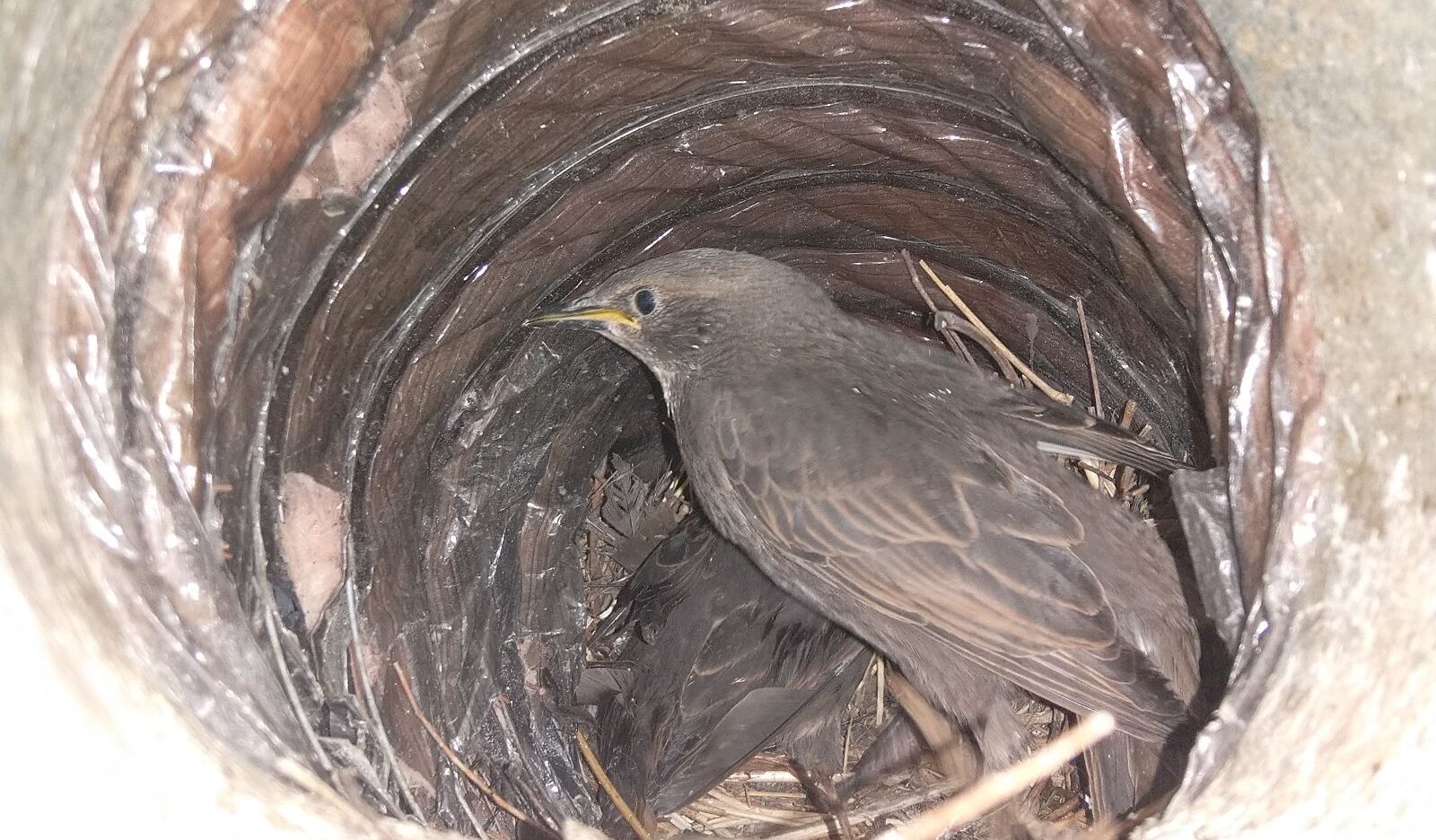
You should not remove baby birds from a dryer vent yourself. Baby birds in dryer vent systems are protected, vulnerable, and often part of an active nest. When birds nesting in dryer vent openings build inside the vent pipe, removal must be handled carefully and legally by professionals.
You might hear chirping in your laundry room or notice lint blowing back into your dryer. You might see nesting material sticking out of the exterior vent cover. Baby birds in the vents is an urgent situation. A blocked vent can cause overheating, fire risk, and moisture buildup inside your home.
You may ask, should you remove baby birds from a dryer vent? The answer is yes — but only with professional help. Removing them the wrong way can harm the animals and damage your vent system. At Skedaddle Humane Wildlife Control in Colorado, we remove baby birds safely, using methods that protect both the animals and your home.
In this blog, you will learn when removal is necessary, how professionals handle nesting birds in dryer vent systems, and what happens after the nest is removed.
Can You Remove A Bird Nest From A Vent?
You should not attempt to remove a nest on your own. Baby birds are often protected by wildlife laws. Interfering with an active nest can lead to injury, fines, or long-term damage to your vent.
You may not realize how deep the nesting material goes. Birds nesting in dryer vent pipes build tightly packed nests made of twigs, lint, and debris. These materials can block airflow completely.
You also risk pushing nesting material deeper into the vent pipe. That can increase fire risk or damage your dryer motor. Professional removal ensures the nest is handled properly, at the right time, and without harm.
When Should Baby Birds Be Removed from Dryer Vents?
You should have baby birds removed when the vent is blocked, airflow is reduced, or nesting materials are visible. You should also act if you hear chirping inside the wall or notice lint buildup around the dryer. A blocked vent is not just a small problem. It can quickly turn into a safety risk for your home.
Removal becomes necessary when:
- The Vent Pipe is Fully or Partially Blocked: Blockages are not always visible from the outside. Nesting material can sit deep inside the vent pipe where it restricts airflow without obvious signs. Even a partial blockage forces hot air to stay inside the system longer than it should. That trapped heat increases fire risk and places extra strain on your dryer.
- Heat is Building Up During Dryer Cycles: A warmer laundry room can signal a problem inside the vent. Longer drying times are another warning sign that airflow is restricted. When baby birds block the exit path, heat cannot escape properly. Continued overheating can damage internal components and create a serious safety concern.
- Moisture Is Not Venting Outside Properly: Condensation around the dryer or damp air in the room may indicate a blocked vent. Dryer systems are designed to push warm, moist air outdoors with each cycle. When birds nesting in dryer vent systems restrict that flow, moisture remains trapped indoors. Over time, excess humidity can lead to mould growth and wall damage.
- Nesting Materials Extend into the Vent Opening: Twigs, grass, or lint sticking out of the exterior vent cover often signal a larger nest inside. What appears small on the outside may extend much deeper into the vent pipe. As nesting material builds up, airflow becomes tighter and more restricted. Professional removal ensures the entire nest is cleared safely and completely.
- Prevent Safe Dryer Use: Running a dryer with a blocked vent is unsafe. Airflow restriction causes temperatures to rise quickly during operation. Excess heat can damage wiring, belts, and other internal parts. Removing the nest restores proper airflow and allows the dryer to operate safely again.
You should never wait for the nest to fall apart on its own. Birds nesting in dryer vent openings often return year after year. Proper timing and safe removal prevent repeat nesting.
How Professional Removal Protects Your Home
You need removal that protects both the animals and your property. Baby birds in vent pipes cannot simply be pulled out. Professionals assess whether the nest is active and determine the safest removal window.
Our process includes:
- Inspecting the vent system from inside and outside
- Confirming whether baby birds in dryer vent areas are present
- Removing nesting materials carefully and completely
- Clearing debris without pushing it deeper into the vent
- Installing preventative vent covers or guards
You benefit from a full system check. Birds nesting in the vent openings often leave behind compacted lint and debris. If that remains inside the pipe, airflow stays restricted even after the nest is gone. You also reduce fire risk. Dryer vents depend on proper airflow to carry heat outside. When blocked, heat builds up quickly.
Why Dryer Vent Nests Are a Fire Risk
You may not connect baby birds in dryer vent systems with fire hazards. The truth is simple. Dryer vents push hot air and lint outside. When birds nesting in these vent pipes build inside, they mix dry twigs and lint together.
You create a perfect fire starter when heat and dry material combine. Lint alone is flammable. When packed tightly with nesting material, it becomes even more dangerous.
You may notice longer drying times. You may smell heat or damp clothing. The se are signs airflow is blocked. Removing baby birds in dryer vent systems protects more than just the vent — it protects your home.
Structural Prevention Around Dryer Vent Openings
Removing the nest is only part of the solution. Long-term prevention is what keeps the problem from coming back. Baby birds often return to the same opening year after year if nothing changes. Structural protection blocks access before another nest is built.
Our prevention includes:
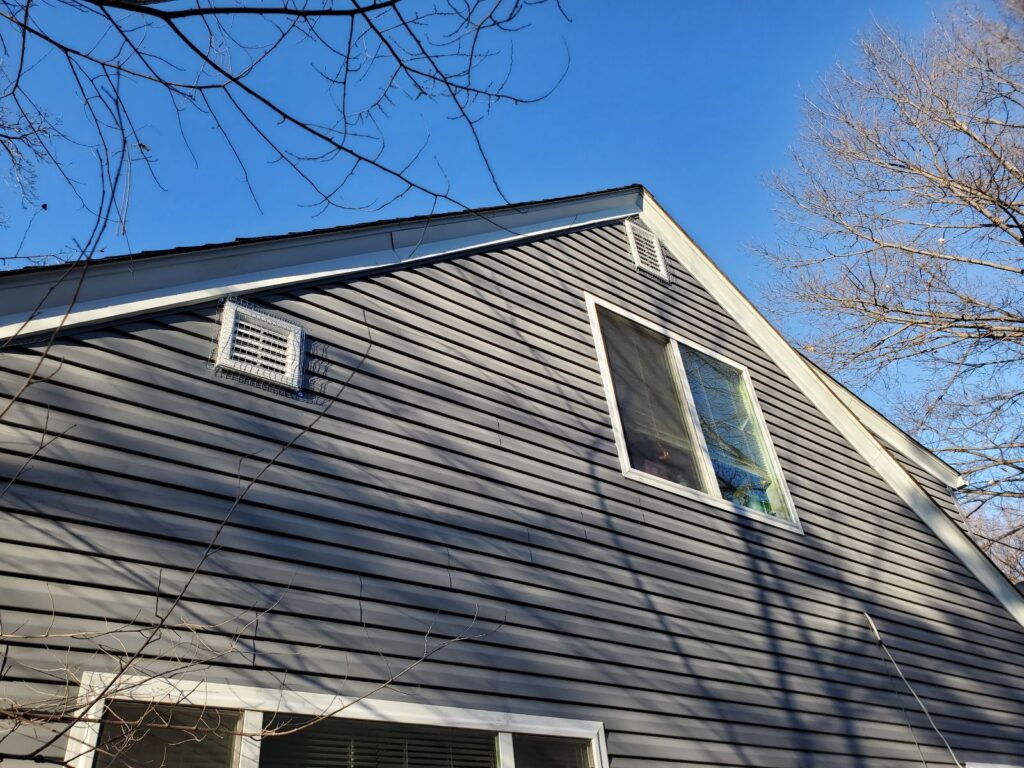
- Installing wildlife-safe vent covers
- Reinforcing vent hoods with secure screening
- Sealing small gaps around vent connections
- Ensuring proper vent flap operation
- Checking siding or brick openings near the vent
Blocking access reduces repeat nesting and protects airflow. A properly secured vent system allows warm air to exit efficiently while preventing animals from entering. Structural prevention strengthens the home and supports safe dryer operation year-round.
Local Factors In Denver Homes
You live in a climate that creates ideal nesting conditions. Spring in Denver brings mild temperatures and nesting season. Many homes use side wall dryer vents rather than roof vents, which makes them easier for animals to access.
You may also have vent openings close to decks or shrubs. These areas provide cover and easy landing spots. Birds nesting in dryer vent systems often choose homes with nearby shelter.
You benefit from local expertise. At Skedaddle Humane Wildlife Control in Colorado, we understand how climate and home design influence nesting behaviour. That knowledge helps us perform a safe removal and install effective prevention.
Baby Bird Removal With Skedaddle
You want removal done safely, legally, and thoroughly. Baby birds in dryer vent systems require careful handling to protect the young and comply with wildlife laws.
Our professional wildlife team:
- Assesses whether the nest is active and determines safe timing
- Removes baby birds from the dryer vent systems without harm
- Clears all nesting materials from the vent pipe
- Installs protective vent barriers to prevent re-entry
You get complete service from start to finish. We use one-way doors when needed to allow wildlife to exit naturally while preventing return. We ensure airflow is restored and the vent is safe to use again.
You avoid risk to yourself. You avoid legal issues. You protect your dryer system and your home.
Frequently Asked Questions
How do I know if there are baby birds in dryer vent systems?
You may hear chirping or notice debris around the exterior vent. Reduced dryer performance is also a sign. A professional inspection confirms activity safely.
Is it illegal to remove birds nesting in dryer vent openings?
In many cases, yes. Active nests are often protected. That is why professional timing and proper handling are important.
Can a blocked dryer vent cause damage?
Yes. Birds nesting in these vent pipes can cause overheating, moisture damage, and lint buildup. Long-term blockage may shorten the life of your dryer.
Will birds come back after removal?
They often return if the opening is not protected. Installing proper vent guards reduces repeat nesting.
How quickly should I act?
You should act as soon as you suspect baby birds in dryer vent areas. Early inspection prevents larger problems and reduces fire risk.
Protect Your Dryer Vent From Baby Birds
You should not ignore chirping sounds or nesting material near your vent. Baby birds in dryer vent systems create airflow problems that can lead to overheating and fire risk. When airflow is blocked, heat and moisture stay trapped inside the vent. Over time, this can damage your dryer, your walls, and even your roofline.
You deserve a safe, working dryer vent that moves air properly every time you run a cycle. Birds nesting in dryer vent openings need professional attention to prevent long-term damage. Leaving the nest in place can lead to repeated blockages year after year. When removal is handled properly, the animals remain safe and your vent system is restored to full function.
You also protect your home’s air quality when the vent is cleared correctly. A blocked vent can cause moisture buildup, which may lead to mold or mildew inside the walls. Acting quickly reduces the chance of larger repairs later. Contact Skedaddle Humane Wildlife Control in Colorado to request an estimate and protect your home today.

 Loading...