Imagine you hear a scratching sound in your attic. You call a professional team, and soon enough, the noise stops. But have you ever wondered where those animals actually go? Do they get taken to a farm far away?
Do they get released into a forest? It is a question many homeowners ask. They want the animals out of their house, but they also want to know the animals are safe.
In this blog, we will walk you through exactly what happens to animals after wildlife removal. You will learn how the humane wildlife control process works and why keeping animal families together matters.
We will also explain why moving animals far away is actually dangerous for them. By the end, you will understand how Skedaddle Humane Wildlife Control in Waukesha protects your home while keeping wildlife safe.
Where do animals go after removal?
The short answer is: they usually stay right in their own neighbourhood.
Many people think that “humane removal” means trapping an animal in a cage and driving it out to the country to release it. This sounds like a nice idea. You might picture a raccoon running happily into a big green forest. However, the truth is much different. Moving an animal far away from its home is actually very harmful.
When animals are taken to a new place, they don’t know where to find food, water, or shelter. They also have to fight with other animals that already live there. Studies show that many relocated animals do not survive long. Because of this, true humane removal focuses on keeping the animal in its known territory, just not inside your house.
The Problem with Relocation
Relocating wildlife—which means trapping them and moving them miles away—causes serious problems for the animals. Here is why experts avoid this method:
- High Risk of Injury: Animals placed in traps often panic because they feel scared and trapped. They may throw themselves against the cage or bite at the metal. This can lead to broken teeth, cuts, or other injuries.
- Loss of Territory: Animals spend their whole lives learning where to find food, water, and shelter. When they are dropped into a new area, they do not know where to go. Many struggle to survive because they are lost and confused.
- Spreading Disease: Moving wildlife from one area to another can spread illnesses. Healthy animal populations may be exposed to new sicknesses. This creates larger problems for the environment.
- Leaving Babies Behind: If a mother is trapped and moved, her babies may still be hidden in an attic or wall. Without their mother, they cannot survive. This creates suffering and also causes odour and damage inside the home.
Instead of moving them, the goal is to evict them gently so they can find one of their other dens nearby.
How the Humane Removal Process Works
So, if we don’t trap them and drive them away, how do we get them out? The secret is using their own behaviour against them. Animals leave their dens to find food and water. The humane process uses this natural habit to protect your home.
Here is what happens during a professional removal:
- Inspection: A trained technician carefully checks the entire home. They look for entry points, nesting areas, and signs of activity. This ensures nothing is missed.
- One-Way Doors: A special door is placed over the main entry hole. The animal can push through the door to leave. However, it cannot open the door from the outside to get back in.
- Self-Eviction: The animal leaves to search for food as it normally would. When it tries to return, the sealed entry stops it. This gently encourages the animal to move on.
- Finding a New Home: Because the animal stays within its own neighbourhood, it already knows where other shelters are. Most wildlife keep backup den sites nearby. They simply relocate to one of those safe spaces.
Keeping Animal Families Together
Spring and summer are busy times for wildlife. This is when mothers are raising their babies. A mother raccoon or squirrel will choose an attic or chimney because it is warm and safe from predators. This makes removal a bit more complicated, but very important.
If you just lock the mother out, the babies are stuck inside. This is bad for the babies, and bad for the homeowner (because the mother will cause a lot of damage trying to get back to them).
Here is how Skedaddle handles wildlife families:
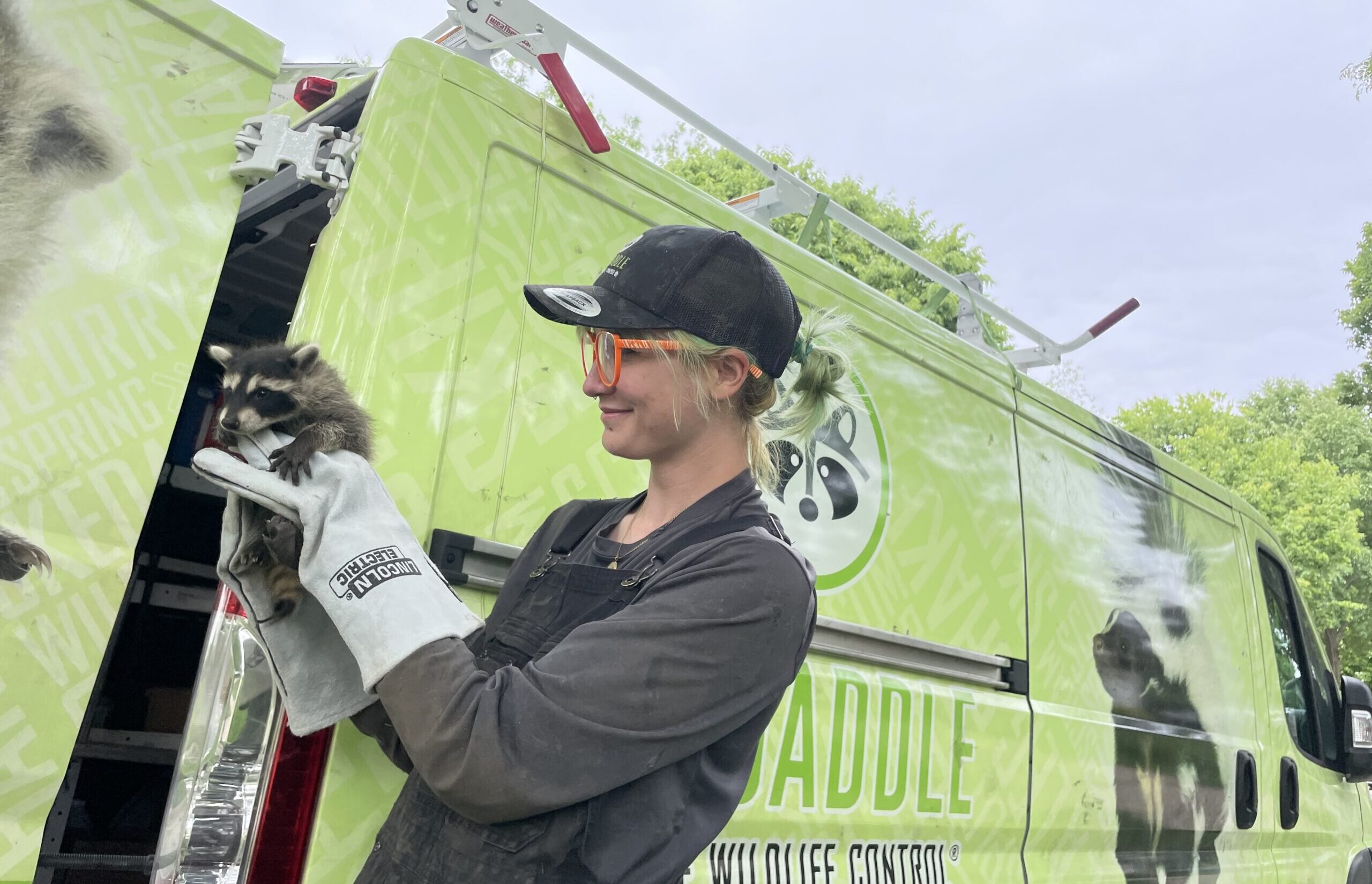
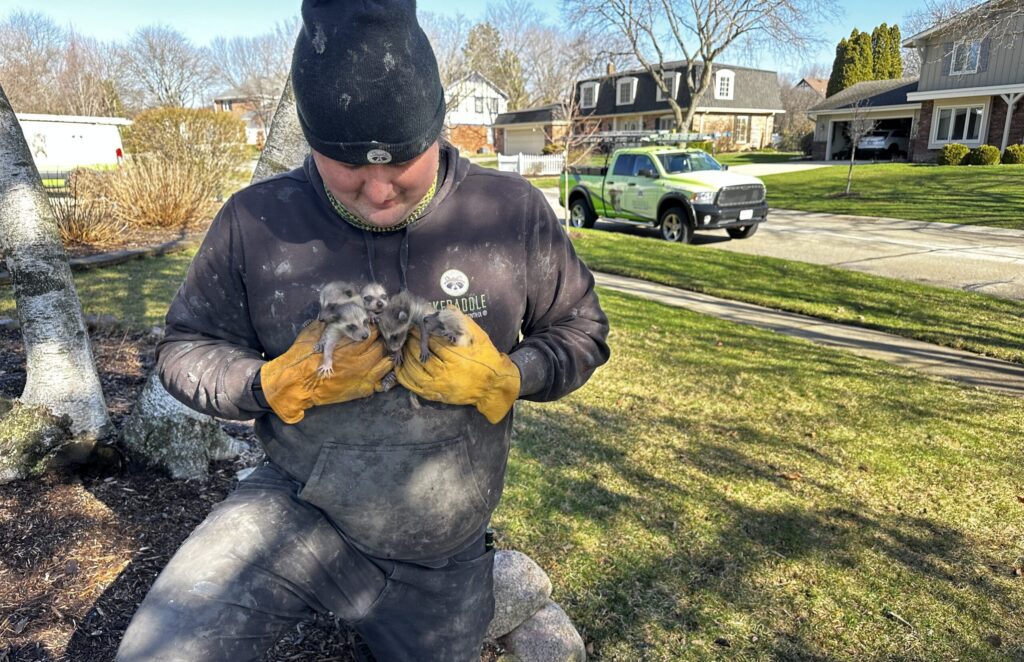
- Hands-On Removal: Trained technicians carefully remove the babies by hand. This is done gently and safely. Special care is taken to keep the young warm and protected.
- Reunion Box: The babies are placed in a heated, secure box outside the entry point. The box keeps them safe from weather and predators. It also keeps them close enough for the mother to find them.
- Mom Returns: When the mother leaves and cannot get back inside, she searches for her babies. She quickly finds them in the reunion box. Her natural instinct guides her to them.
- Relocation: One by one, the mother carries her babies to another den she has already prepared. Wildlife almost always have backup locations nearby. This keeps the family together and safe.
Why Prevention is Key
Once the animals are out, the next step is making sure they cannot return. Wildlife are smart and determined. If one entry point is blocked, they will search for another way inside. That is why prevention is just as important as removal.
Our professional wildlife control means sealing the entire home carefully. Every crack, loose vent, or small gap must be found and secured. Strong steel screening and durable sealants are used so animals cannot chew or pull their way back in. This provides long-term protection and stops the cycle from starting again.
When your home is properly sealed, you gain peace of mind. You no longer have to worry about scratching sounds or damage in the attic. It also protects your wiring, insulation, and structure from costly repairs. By securing the home the right way, animals return to natural shelters outdoors without being harmed.
Frequently Asked Questions
Is it illegal to trap and relocate wildlife?
In many places, yes. There are laws that limit how far you can move an animal. This is to stop the spread of disease and protect the animal's life. It is often illegal to move them more than one kilometre away.
Will the animals come back?
If the home is not sealed properly, they might try. That is why Skedaddle uses heavy-gauge screening to block entry points. Once they realize they cannot get in, they will move on to a different den.
How many dens do animals have?
Most urban wildlife, like raccoons and squirrels, maintain 5 to 10 different den sites in their territory. They rotate between them. Your attic was just one of many spots they use.
Can I seal the hole myself?
It is very risky to seal a hole yourself. If you seal it while an animal is still inside, it can cause major damage trying to escape, or it might perish inside your walls. It is always safer to let a professional ensure the home is empty first.
Protect Your Home and Local Wildlife
Knowing what happens to animals after wildlife removal helps us make better choices. We know now that moving animals far away is not the answer. Instead, using one-way doors and keeping families together allows wildlife to stay safe in their own territory.
At Skedaddle Humane Wildlife Control in Waukesha, we believe in solving the problem for good. We protect your home from unwanted guests while ensuring the animals are treated with respect. If you suspect you have wild visitors in your attic or walls, don’t wait.
Contact us today to request an estimate and let us help you live wildlife-free.

 Loading...