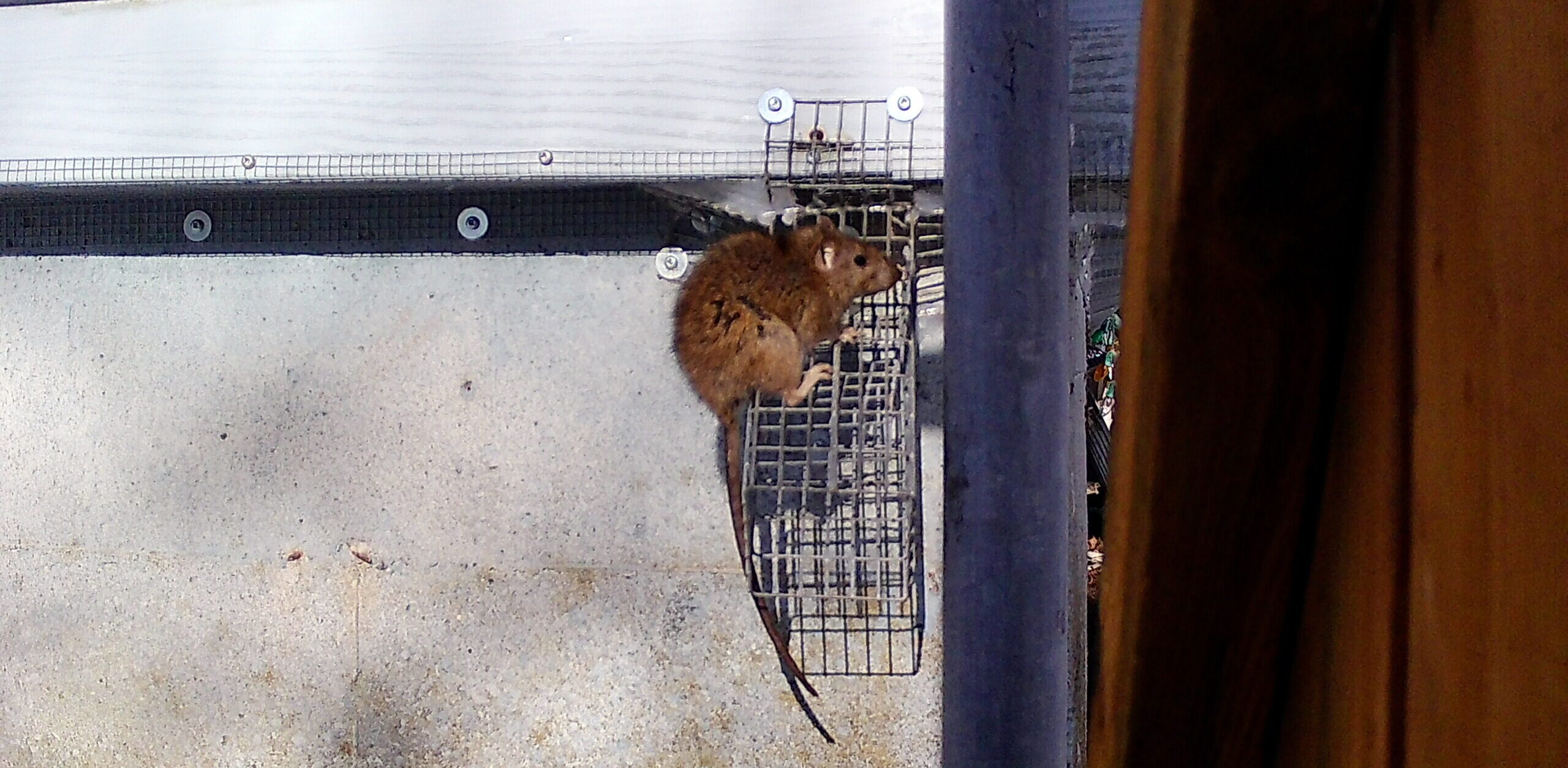
Cleaning up after rodents may seem like an easy task, but it can actually be very dangerous, especially in Colorado. Deer mice, one of the common rodent species in the area, often leave droppings behind that can carry Hantavirus. This is a serious illness that affects the lungs and can even be life-threatening.
When you try to clean up droppings, especially by sweeping or vacuuming, you may unknowingly release tiny virus particles into the air, increasing the chance of breathing them in. This puts your health—and the health of those around you—at risk. Because Hantavirus can’t be seen or smelled, it’s easy to expose yourself without realizing it.
That’s why you should never attempt to clean up rodent messes on your own. With the right safety measures and professional expertise, these harmful materials can be handled properly.
At Skedaddle Humane Wildlife Control in Colorado, we are trained to clean up rodent hazards safely and thoroughly. If you have a rodent problem, our team can help protect your home and your family. This blog will explain what makes Hantavirus so dangerous and why you need our professional approach to address the risks associated with deer mice.
Are mouse droppings safe?
No, mouse droppings are not safe. They harbour dangerous diseases that cause severe illness in humans. Deer mice, which are common in our state, shed the deadly virus in their waste.
Touching these droppings or breathing in the dust around them is incredibly risky. The particles are so small that you cannot see them. Even a small amount of waste left behind can remain a threat for a long time.
Because the danger is invisible, it is easy to misjudge the risk. You should treat any waste found in your home as a severe health hazard. Never touch it yourself and leave the area immediately.
High Risk of Inhalation During Cleanup
The biggest danger of handling rodent waste is the risk of breathing it in. Airborne transmission happens very quickly when you disturb the dust.
- Sweeping Sends Particles Flying: Sweeping pushes dry dust directly into the air you breathe. The virus easily travels on these tiny dust particles. Within seconds, the surrounding air becomes toxic. You can inhale the dangerous virus without even knowing it is there.
- Vacuuming Spreads the Virus: Standard vacuums lack filters strong enough to catch microscopic viruses. The vacuum simply blows the infected air right back out into the room. This process spreads the disease even further throughout your home. You end up making the environment much worse.
- Poor Ventilation Increases Danger: Most droppings are found in tight spaces like attics or sheds. These areas usually have very little fresh air flowing through them. The lack of air movement traps the virus inside the room. This makes the risk of breathing in the disease much higher.
Persistent Threat in Colorado Homes
Deer mice are a constant issue across our state. They constantly look for warm, safe places to build their nests. This means your home is always a potential target when temperatures drop.
Once these animals get inside, they hide in dark, quiet corners. They leave droppings behind boxes, inside walls, and under insulation. The waste builds up quietly over time, turning hidden parts of your house into dangerous zones.
The threat does not go away when the mice leave. Dried waste stays hazardous for weeks. If you enter an old shed or open a dusty storage box, you could easily disturb the infected material.
Hantavirus Prevalence in Our Region
Colorado has a high rate of Hantavirus cases. Our climate makes it a perfect home for deer mice. These specific mice are the main carriers of the virus in North America.
Local building styles often include crawlspaces and large attics. These designs give rodents plenty of room to hide and multiply. Seasonal changes push them indoors during the winter, increasing the chances of human contact.
Because the virus is so common here, you must take every precaution. You cannot assume that the droppings in your garage are harmless. Treating every situation as a high-risk biohazard is the only way to ensure you stay safe.
Misleading Symptoms of Exposure
Many of the symptoms of exposure can seem like a common cold or flu at first. This can make it hard to tell if there’s a more serious issue. Understanding these symptoms is important so you can act quickly and protect your health.
- Flu-Like Early Signs: The first symptoms often include fever, muscle aches, and extreme tiredness. You might also feel very dizzy or have an upset stomach. Most people assume they just caught a common winter bug. This makes it hard to seek the right help quickly.
- Long Incubation Period: Symptoms usually take one to six weeks to appear after you breathe in the virus. By the time you feel sick, you might have forgotten about the dust in your attic. This long delay makes diagnosing the illness very difficult. Doctors may not know to check for the virus.
- Rapid Shift in Severity: After a few days of feeling mildly ill, the disease changes fast. You will suddenly find it very hard to take a deep breath. This quick change is a warning sign that the virus is attacking your respiratory system. It requires immediate medical care.
The Hidden Risk: Hantavirus Pulmonary Syndrome
Hantavirus Pulmonary Syndrome (HPS) is a rare but serious respiratory illness caused by exposure to infected rodents or their droppings. While it is uncommon, the consequences of contracting HPS can be life-threatening if not identified and treated promptly. Understanding how the virus spreads and recognizing early warning signs are essential steps in protecting yourself and others from this hidden danger.
- Fluid Fills the Lungs: As the disease gets worse, your lungs quickly fill with fluid. This stops oxygen from getting into your blood stream. It feels like you are suffocating, and you will need a machine to help you breathe. The physical toll on your body is extreme.
- No Specific Cure or Vaccine: Doctors do not have a direct cure for this dangerous virus. They can only provide supportive care, like oxygen therapy, to help you feel better. They try to help your body fight off the infection naturally. The lack of a true cure makes prevention absolutely vital.
- Extremely High Fatality Rate: This sickness is incredibly dangerous for anyone who catches it. Almost 40 percent of people who get this disease do not survive the infection. The severe risk of death shows exactly why you must stay away from the waste. You must never try to handle it yourself.
Professional Rodent Removal With Our Team
When you discover signs of a problem, you need experts to take control. At Skedaddle Humane Wildlife Control, our professional team handles the entire process for you. We keep you far away from the dangerous dust and droppings.
We start with a complete inspection of your property to find exactly where the animals are hiding. We identify all the entry points and assess the level of contamination. You never have to step foot in the hazardous area.
To clear your home, we use specialized one-way doors. These doors allow the animals to leave your house safely, but they completely stop them from getting back inside. We then seal up the gaps for good.
Frequently Asked Questions
Can you get Hantavirus from a mouse bite?
Yes, it is possible, though it is very rare. The virus is mostly spread by breathing in infected dust, not through bites.
Are old, dried droppings still dangerous?
Yes, dried droppings remain highly hazardous for a long time. Disturbing them turns the virus into an airborne dust that you can easily inhale.
Can my pets catch Hantavirus?
Dogs and cats do not catch or spread the virus. However, they can carry infected deer mice or contaminated dirt into your living space.
Does the virus spread from person to person?
No, the strain of the virus found in North America does not spread between people. You only get it from direct contact with infected rodent waste.
Let Our Team Keep Your Home Safe
Protecting your health should always be your top priority. Trying to handle a biohazard cleanup on your own can put you in serious danger. Harmful bacteria, viruses, and other hazards are often present, and without the right training or equipment, you could be exposed to life-threatening risks. The risks of DIY cleanup simply aren’t worth taking when our professionals are available to help.
At Skedaddle Humane Wildlife Control in Colorado, we are here to make sure your home is safe and secure. We have the expertise, tools, and training to handle dangerous situations quickly and safely. Whether it’s pest problems, biohazards, or other potential risks, you can count on us to take care of it the right way. Our team works to protect your home and give you peace of mind.
If you suspect any signs of a biohazard or pest issue in your home, do not try to handle it on your own. Avoid touching anything and contact us immediately. We offer professional services and are ready to provide you with an estimate and the help you need. At Skedaddle, your safety comes first, and we’re here to secure your home. Reach out to us today—we’re here for you.

 Loading...