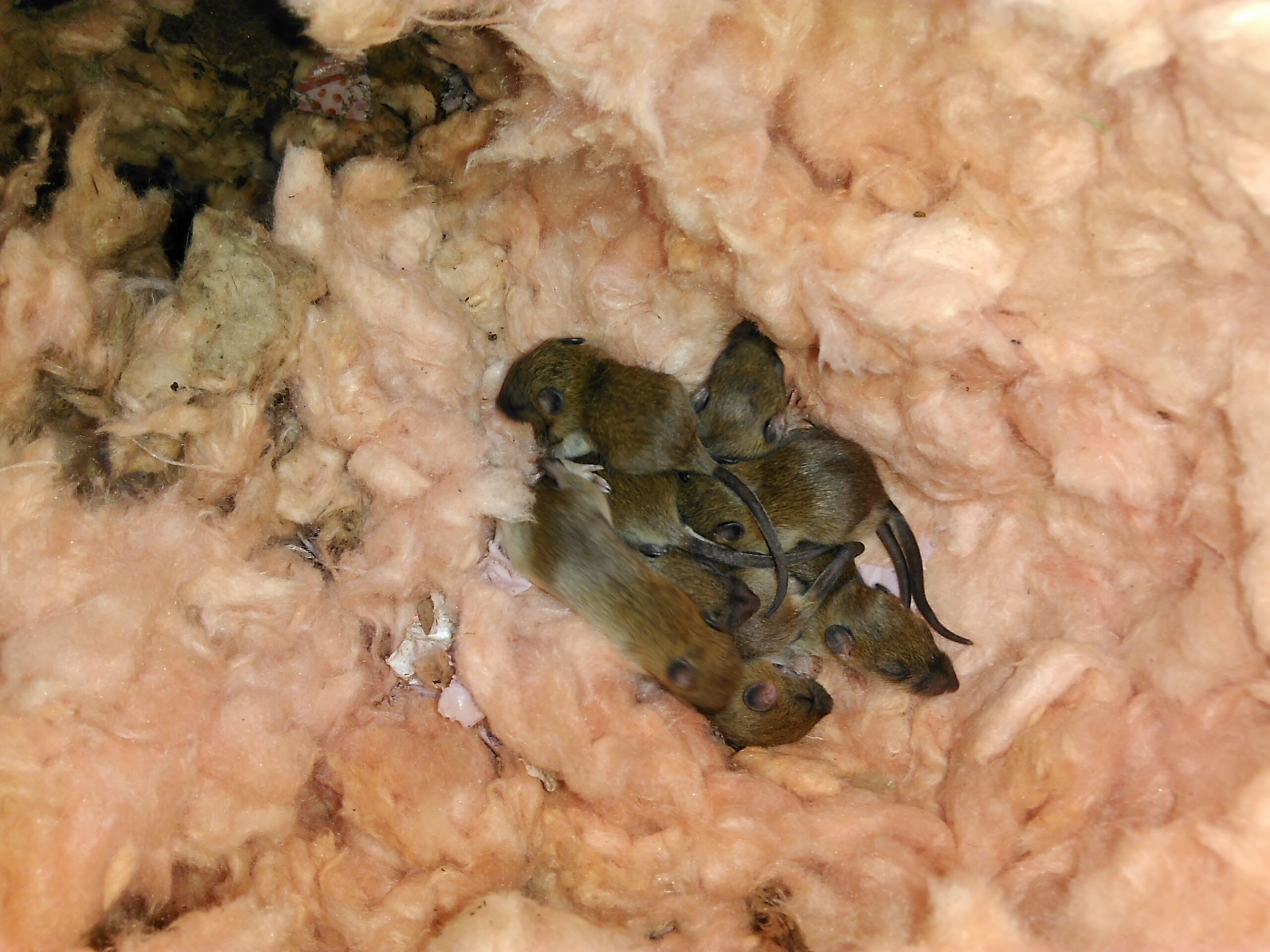
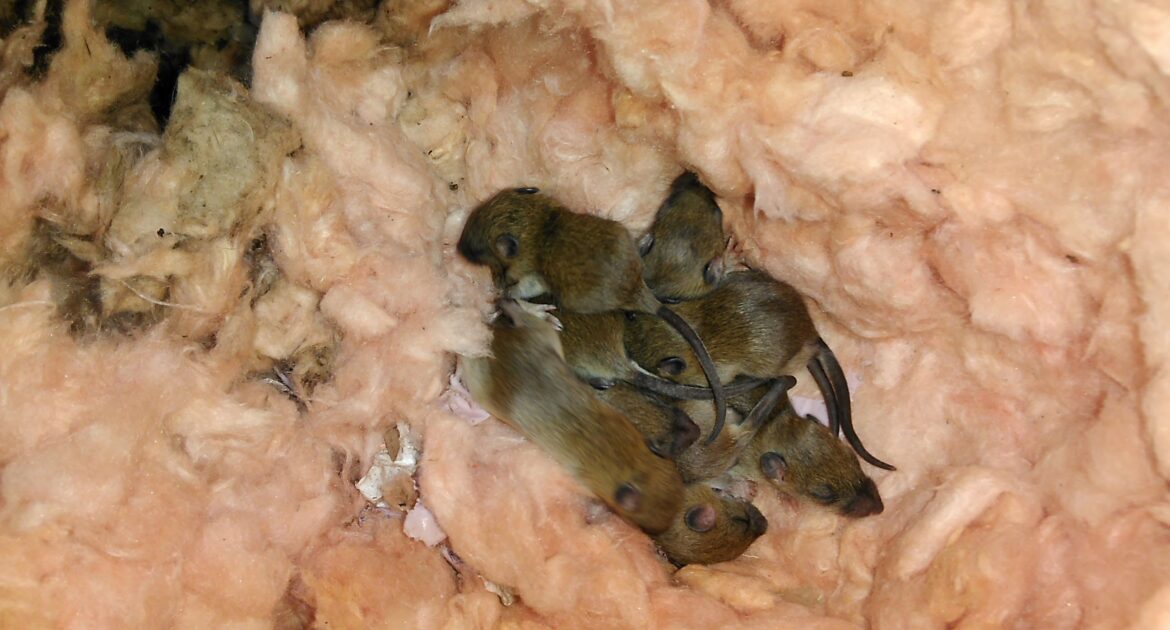
You may feel relieved when winter passes without obvious signs of activity in your home. Cold months often seem quiet, with fewer noises, smells, or visible damage. That does not always mean nothing is happening. Signs of rats in Colorado homes during winter are often hidden, not gone. Cold weather changes how animals behave, where they move, and how visible they become.
You may not realize that winter actually pushes animals deeper into buildings, not out of them. When temperatures drop, food becomes harder to find outdoors, and warm, quiet indoor spaces become far more appealing. That is why hidden rats can stay out of sight for months. When spring arrives, behaviour shifts fast, leading to spring rat infestations that seem to appear without warning. At Skedaddle Humane Wildlife Control in Colorado, we see this seasonal pattern every year.
In this blog, you will learn why winter activity often stays hidden, what changes once spring arrives, and why professional support matters before problems grow. Understanding how seasonal behaviour works helps explain why early action leads to better long-term results and fewer surprises when warmer weather returns.
Why Winter Keeps Activity Out of Sight
Cold weather does not stop rats from staying active. Instead, it changes where and how they move. During winter, survival depends on warmth, shelter, and safety. Homes provide all three. Once inside, movement becomes quiet and controlled to avoid detection.
Winter conditions reduce visibility because rats focus on conserving energy. Movement stays limited and follows set paths. Activity often happens at night or behind walls, floors, and insulation. This makes it easy to assume nothing is happening at all.
Common reasons winter activity stays hidden include:
- Movement Shifts to Wall Voids and Foundations: Cold air pushes rats deeper into structures where temperatures stay stable. Wall cavities, basements, and foundations provide warmth without exposure. These spaces allow movement without crossing open rooms. Activity continues quietly without drawing attention.
- Night-Time Behaviour Increases: Winter encourages more activity after dark. Less daytime movement reduces the chance of being seen. Sounds may blend into normal house noises like heating systems. This makes early signs easy to miss.
- Food Access Becomes Predictable: Indoor food sources do not change with the weather. Once rats locate reliable access, movement stays focused and limited. There is no need to explore widely. That keeps activity contained and harder to notice.
- Nesting Areas Stay Undisturbed: Winter routines mean fewer changes inside homes. Storage areas, basements, and mechanical spaces are visited less often. This allows nesting zones to remain undisturbed for long periods.
These factors explain why rats in homes during the winter often go unnoticed until seasonal changes force new behaviour.

How Cold Weather Encourages Deeper Nesting
Winter does more than reduce movement. It also affects where rodents choose to settle. Cold temperatures make shallow or exposed spaces unsafe. Deeper nesting becomes the priority. This pushes activity farther from living areas and closer to structural components.
Once nesting areas are established, movement becomes even more controlled. Travel routes form along pipes, beams, and wiring. These paths avoid open spaces and human contact. Over time, activity becomes routine and predictable.
Several winter conditions support deeper nesting:
- Stable Indoor Temperatures Matter: Cold outdoor air makes temperature stability critical. Interior wall spaces and foundations stay warmer than attics or exterior gaps. Rats settle where heat loss is minimal. This reduces the need to move frequently.
- Insulation Provides Cover and Warmth: Insulation offers both warmth and concealment. It dampens sound and hides movement. Nesting materials blend easily into these areas. Activity continues without visible signs in living spaces.
- Reduced Outdoor Competition: Winter limits competition outside. Once indoor shelter is secured, there is little pressure to move. Nesting zones stay occupied and protected. That stability keeps activity hidden.
- Energy Conservation Becomes Key: Cold weather demands energy conservation. Less movement means fewer chances of detection. Rats remain close to food and shelter. This pattern continues until conditions change.
These behaviours support hidden rats in Colorado during winter, even when homes seem quiet.
What Changes When Spring Arrives
Spring changes everything. Warmer temperatures increase energy levels and movement. Outdoor food sources return. Breeding activity rises. Space that once felt sufficient becomes crowded. All of this leads to increased visibility.
When spring arrives, rats no longer need to stay hidden. Exploration increases. Movement spreads beyond established paths. Signs that were once subtle become obvious. This is when problems finally come to light.
Spring-related changes include:
- Increased Movement and Exploration: Warmer weather encourages wider travel. Rodents explore new areas indoors and outdoors. Movement spreads into open spaces. That makes activity easier to notice.
- Population Growth Creates Pressure: Spring brings increased breeding activity. More rats mean less space. Overcrowding pushes some into visible areas. This leads to sudden signs of activity.
- Outdoor Access Opens Again: Soil softens and food returns outside. Movement increases between indoor and outdoor areas. Entry points see more traffic. Damage becomes more noticeable.
- Human Activity Disturbs Nesting Zones: Spring cleaning, renovations, and yard work disrupt quiet spaces. Nesting areas that stayed hidden all winter get disturbed. Rats react by moving quickly, often into visible spaces.
This is why spring rat infestations often seem sudden, even though winter activity was already present.
Why Spring Makes Problems Feel New
You may feel surprised when signs appear after months of quiet. That reaction is common. Spring does not create the problem. It reveals it. Winter simply keeps it out of sight.
By the time spring activity becomes visible, nesting and travel routes are already established. Damage may already exist behind walls or beneath floors. What feels new is often the final stage of a long-term issue.
Spring visibility happens because conditions no longer support hiding. Increased movement leads to noise, smells, and sightings. Entry points get reused more often. Activity spreads faster. This creates urgency that did not exist during winter.
That is why addressing rats early helps reduce spring escalation. Waiting until signs appear often means dealing with a more complex problem.
Professional Rat Removal in Colorado
You may feel tempted to wait and see if activity stops on its own. Seasonal behaviour rarely works that way. Once rats establish indoor shelter, they tend to reuse it unless properly addressed. That is where professional support matters.
At Skedaddle Humane Wildlife Control in Colorado, we focus on long-term solutions. Our team identifies nesting zones, travel paths, and entry points. We use one-way doors that allow rats to leave safely while preventing re-entry. This approach stops repeat activity without relying on temporary fixes.
Professional removal also includes sealing vulnerable areas and addressing conditions that allow activity to return. This reduces the risk of future spring rat infestations and helps protect your home year-round.
When Quiet Winters Lead to Rats in Spring, Rely on the Pros
Hidden activity during cold months often explains sudden spring problems. Rats in homes rarely disappear on their own. They stay hidden until warmer weather changes behaviour. That is why early awareness matters.
If you suspect rats in your home, waiting for spring may allow the situation to grow. Professional support helps stop problems before they become visible and harder to manage. To learn more or request an estimate, contact Skedaddle Humane Wildlife Control in Colorado. We’re here to help protect your home through every season.

 Loading...







