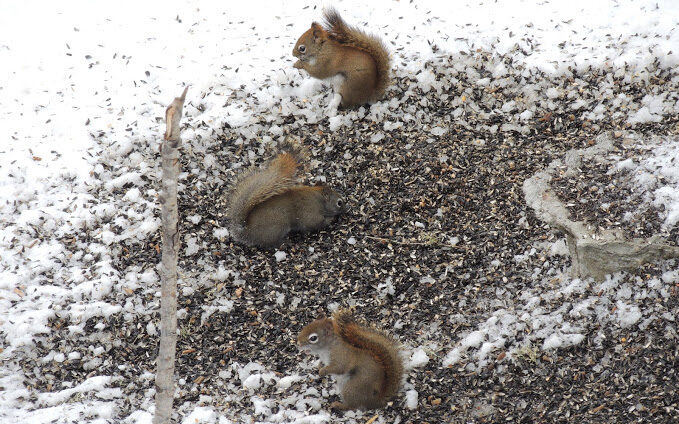
You may put food outside hoping to help birds or squirrels, but the meal rarely stays limited to those visitors. Yes, feeding wildlife can attract far more animals than you intended. Spilled seed, food scraps, pet bowls, compost, and other easy meals may also draw mice, rats, raccoons, skunks, foxes, and coyotes toward your property.
One small feeding spot can start a much larger chain of activity. These animals may return each day, search nearby yards, or find shelter beneath decks and inside garages. If they move closer to your home, they may also notice gaps around foundations, vents, soffits, and rooflines.
You should not approach a den, enter an occupied attic, touch droppings, or close a possible entry point. At Skedaddle Humane Wildlife Control in Durham, we can inspect the property and handle the work for you. In this blog, we explain how feeding attracts unintended visitors, changes natural behaviour, creates property risks, and leads to problems that may require professional removal and prevention.
What Do Wild Animals Think When You Feed Them?
Wild animals may begin to connect your home and the people around it with an easy and dependable source of food. They do not understand the meal as a kind act in the same way a person might. They simply remember where food was found and return when they become hungry again.
One meal may turn into a regular feeding pattern. These animals may begin visiting at the same time each day or searching the yard when no food is visible. Others may follow the smells, tracks, and activity to the same location.
Repeated feeding can also reduce their normal caution around people, homes, and pets. They may move closer to doors, decks, patios, and play areas while waiting for another meal. Homeowners should observe unusual behaviour from a safe distance and contact the proper local authority if an individual appears sick, injured, or threatening.
Outdoor Food Sources Can Create a Chain Reaction
Food intended for one species can quickly become available to many others. Small pieces may spread across the yard or collect beneath plants, decks, and feeders. The smell may remain even after the visible food is gone.
- Spilled Birdseed: Seed may collect beneath a feeder, beside a fence, or inside a garden. Birds can eat from the raised feeder while mice, rats, squirrels, and raccoons search the ground below it. Food left overnight may turn that area into a regular stop. Small visitors may then shelter close to the home between meals.
- Outdoor Pet Food: Food and water left outside may attract visitors after pets have gone indoors. An empty-looking bowl can still carry a strong smell. Repeated access may encourage these animals to search nearby decks, sheds, and garages for shelter. This can bring them into areas that pets and people use often.
- Garbage and Food Waste: Loose lids, torn bags, and spills can provide a steady food supply. Raccoons, skunks, mice, and rats may return when the storage area stays accessible. Their activity can leave tracks, droppings, stains, and damaged containers behind. A larger visitor may also pull waste across the yard.
- Compost and Fallen Food: Open compost, fallen fruit, and garden produce can remain available for several days. Food may be hidden beneath leaves or thick plants even when the yard looks clean. Several species may share the same source at different times. Our team considers these areas when investigating repeated activity.
- Direct Handouts: Food placed on the ground can draw visitors close to doors, patios, and occupied spaces. They may begin waiting nearby at the usual feeding time. Crowding can also lead to fighting or defensive behaviour. This increases the chance of unwanted contact with people or pets.
Unintended Visitors May Follow the Food
Birds or squirrels may be the intended visitors, but mice and rats can collect the seed and scraps that reach the ground. They often remain hidden beneath decks, inside sheds, or along foundations. Their small size allows them to use narrow gaps around garages, utility lines, and exterior walls.
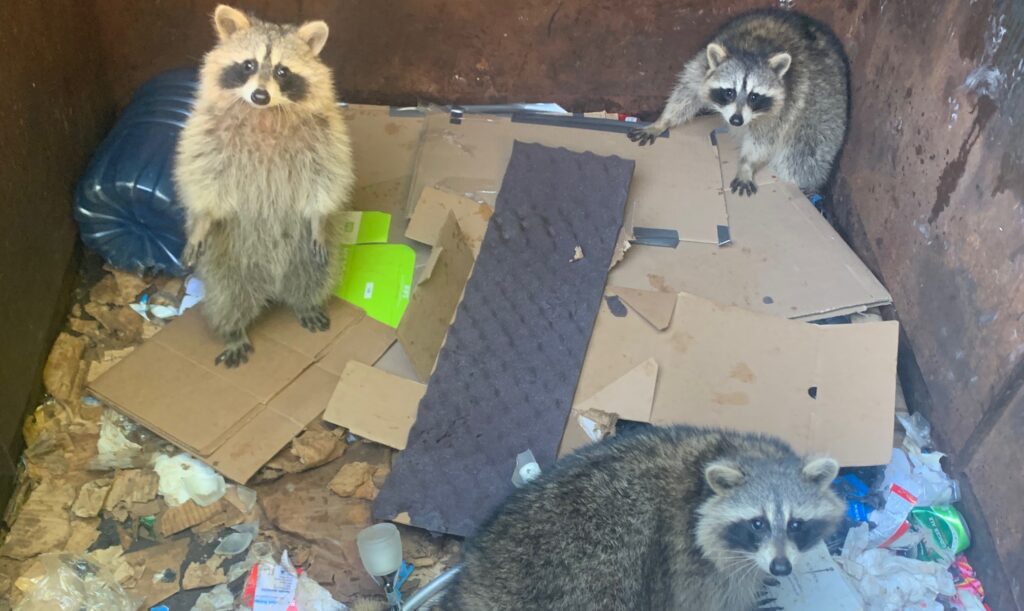
Raccoons and skunks may also visit a reliable feeding area. They may tear bags, move containers, dig around gardens, or shelter beneath a raised structure. A dependable source gives them a reason to remain near the property after eating.
A large number of small visitors can draw foxes or coyotes into the neighbourhood. These larger species may be following prey rather than the original food. One feeding station can therefore affect several nearby yards, even when the homeowner only meant to attract birds.
Repeated Feeding Can Change Natural Behaviour
Natural caution helps maintain a safe distance between people and these animals. Easy meals can change how often they visit and how they react when someone appears. The effects may continue after feeding stops.
- Loss of Caution: Regular feeding can teach them that people and homes provide meals. They may move closer, stay longer, or stop leaving when a person steps outside. This behaviour can increase conflict with residents and pets. A visitor that appears comfortable is not safe to approach.
- Dependence on One Location: A dependable feeding spot may become part of a daily or nightly route. Several members of the same species can begin visiting it. They may continue checking the yard after the food is removed. Nearby shelter may give them another reason to stay.
- Crowding Around Food: Several visitors may gather in a small space when food appears at a set time. Close contact can cause stress, fighting, and the spread of parasites or illness. Waste may also collect around the feeding area. This can make the yard less safe for children and pets.
- Defensive Behaviour: One individual may begin guarding a food source from others. A mother with dependent young may also become protective near a feeding or den site. Attempts to move closer may make her feel trapped. Homeowners should remain away and arrange professional help when the activity creates a property problem.
Food Can Lead Them Toward Openings in the Home
Outdoor food can bring activity closer to foundations, garages, decks, rooflines, vents, and utility openings. Once near the building, these animals may notice damaged screening, loose siding, or a narrow gap. A feeding issue can then become an indoor nesting problem.
Mice and rats may squeeze through small spaces around foundations and garage doors. Squirrels can reach roof openings, while raccoons may pull at soffits, vents, and loose roofing materials. Skunks often search for protected spaces beneath decks, porches, steps, and sheds.
Activity inside an attic, wall, crawl space, chimney, or garage requires our professional attention. An opening should not be closed because an adult or dependent young may still be inside. Skedaddle can inspect the connected spaces and determine the correct humane response.
Signs the Feeding Problem Has Reached the Building
Repeated yard activity may eventually leave evidence on or inside your home. One sign does not always reveal which species is present or where it entered. A complete professional inspection connects the feeding area with travel routes, shelter, and building damage.
- Tracks and Repeated Routes: Prints may appear near food, fences, decks, or foundations. A worn path can show that the same route is used often. The tracks may lead toward a shed, garage, roofline, or opening beneath a structure. Our team compares them with damage and other evidence.
- Droppings Near the Home: Waste may collect beneath feeders, beside garbage, on decks, or inside garages and attics. Several species can use the same area at different times. Droppings may contain bacteria or parasites and should not be disturbed. Skedaddle can assess the contamination and complete professional sanitation.
- Damage Around Openings: Torn screens, loose soffits, chew marks, digging, and damaged vent covers may point to attempted entry. The visible damage may be only one of several openings. Activity can also move to another weak area after the first gap is found. Our technicians inspect the complete exterior before planning exclusion.
- Sounds Inside the Structure: Scratching, thumping, squeaking, or quick movement may come from walls, ceilings, attics, and crawl spaces. The sounds may be easier to hear at certain times of day or night. Their location may be far from the main entry point. Our team traces the activity without asking homeowners to search unsafe spaces.
- Nesting Material and Odours: Insulation, paper, leaves, or other soft material may be moved into a protected area. Urine, droppings, and damp nesting material can create strong smells. The odour may spread into nearby rooms through gaps or vents. Our professional cleanup may be required after humane removal.
Feeding Can Harm the Animals Being Helped
Human food may not provide the nutrition that wild species need. Bread, table scraps, and processed foods can replace parts of their natural diet without offering the same balance. This may affect growth, health, and their ability to find proper food.
Feeding stations can also bring several individuals into close contact. Crowding makes it easier for parasites and illness to spread through shared food, water, or waste. Spoiled food may create another health risk for the species being fed.
Reduced fear of people can place these animals in greater danger. They may approach roads, pets, doors, or people while expecting another meal. The Ontario SPCA explains that feeding wild species can harm their health and change their natural behaviour.
Why One Food Source Can Affect the Neighbourhood
These animals do not follow property lines. A feeding station in one yard may increase activity around neighbouring decks, sheds, garbage areas, and homes. Other residents may notice digging, droppings, noise, or damage without knowing where the pattern started.
A dependable source can support more visitors in a small area. When the food runs out, they may search the surrounding properties for another meal. Connected fences, ravines, tree lines, parks, and green spaces make movement between yards easy.
Stopping the feeding routine may not end the activity right away. Established travel routes, nearby dens, and open building gaps may still remain. Skedaddle assesses the food source, shelter, damage, and possible entry points as parts of one larger problem.
Wildlife Issues Connected to Feeding in Durham
Durham includes growing neighbourhoods, mature yards, parks, farmland, ravines, and areas near Lake Ontario. These spaces create routes between natural shelter and residential properties. Birds, squirrels, mice, rats, raccoons, skunks, foxes, and coyotes may all move through the same neighbourhood.
Seasonal changes can affect when you notice them. Spring may bring mothers searching for safe den sites, while summer offers more outdoor food and water. During fall and winter, many species move closer to buildings for steady shelter.
Rules can vary among Durham’s local municipalities. The Town of Whitby advises residents not to feed wild species because it can affect their health and increase conflict with people. Whitby’s public nuisance bylaw also restricts feeding, with limited exceptions for certain raised bird feeders.
Skedaddle Humane Wildlife Control in Durham handles the separate property problem when repeated visits lead to a den, building damage, contamination, or indoor entry. Our technicians identify how these animals are using the property and what must be addressed.
Everything to Know: Wildlife Removal and Prevention with Skedaddle
Our professional wildlife team begins with a complete inspection of the property. We identify the species involved, active entry points, possible nesting spaces, dependent young, damage, and contamination. This allows us to create a plan based on the full problem rather than one visible visitor.
Skedaddle uses humane removal methods suited to the species and conditions. One-way doors may be installed when appropriate, allowing wildlife to leave while preventing re-entry. A mother with dependent young requires a different professional approach so the family is not trapped or separated.
Once the space is clear, our technicians secure vulnerable vents, soffits, roof gaps, foundations, decks, and other access areas with durable materials. We also remove contaminated nesting material and complete professional sanitation or restoration where needed. Homeowners are not asked to approach a den, touch droppings, or repair damaged entry points.
Frequently Asked Questions
Does feeding birds attract mice and rats?
Yes, spilled seed can provide mice and rats with a dependable meal on the ground. They may visit after dark or remain hidden beneath nearby structures during the day. Regular feeding can bring them close to garages, foundations, and utility openings. Our professional inspection can determine whether they have entered the building.
Can feeding squirrels attract raccoons?
Food left for squirrels may also appeal to raccoons and other unintended visitors. Strong smells and scattered pieces can be noticed from outside the yard. Raccoons may begin including the feeding area in their regular nighttime route. They may also search nearby decks, sheds, garbage containers, and rooflines.
Why do animals keep returning after feeding stops?
They remember locations where food was easy to find and may continue checking them. A nearby den, water source, travel route, or sheltered area can also keep them on the property. The visits may become less frequent over time, but an open building gap can support continued activity. Skedaddle can identify what is still drawing them back.
Does feeding wildlife make them aggressive?
Feeding does not make every visitor aggressive, but it can reduce normal caution around people. Crowding and competition may also cause defensive behaviour near the food source. A mother with dependent young may respond strongly if she feels trapped. People and pets should remain away from unusual or threatening activity.
Can outdoor feeding lead to an attic problem?
Yes, food can draw squirrels, raccoons, mice, and rats close to the building. Once there, they may notice a weak vent, damaged soffit, roof gap, or garage opening. The feeding source may not be close to the place where they finally enter. Our professional inspection is needed before any gap is secured.
Who should inspect a Durham home for wildlife activity?
Our trained wildlife professional should inspect the exterior and affected interior spaces. Skedaddle can identify the species, entry routes, nesting sites, damage, and contamination. Our technicians also look for secondary gaps that could be used later. You will not need to enter an attic or crawl space or handle affected material.
Stop One Feeding Spot From Becoming a Whole-Property Problem
Food left for birds or squirrels may also attract mice, rats, raccoons, skunks, foxes, coyotes, and other unintended visitors. Spilled seed, outdoor pet food, garbage, compost, and direct handouts can turn one yard into a dependable feeding stop.
Repeated feeding may reduce natural caution, support poor nutrition, increase crowding, and help illness spread. It can also bring these animals closer to decks, garages, foundations, vents, soffits, and rooflines. Once they find a building gap, the problem may move indoors.
You should not approach a den, enter an attic, handle droppings, remove nesting material, or close an opening yourself. Hidden occupants or dependent young may still be inside.
At Skedaddle Humane Wildlife Control in Durham, we handle inspection, humane removal, sanitation, restoration, and exclusion. Our team may use one-way doors when appropriate to let wildlife leave while preventing re-entry. Contact us and request an estimate to learn more about protecting your home from unintended visitors.

 Loading...