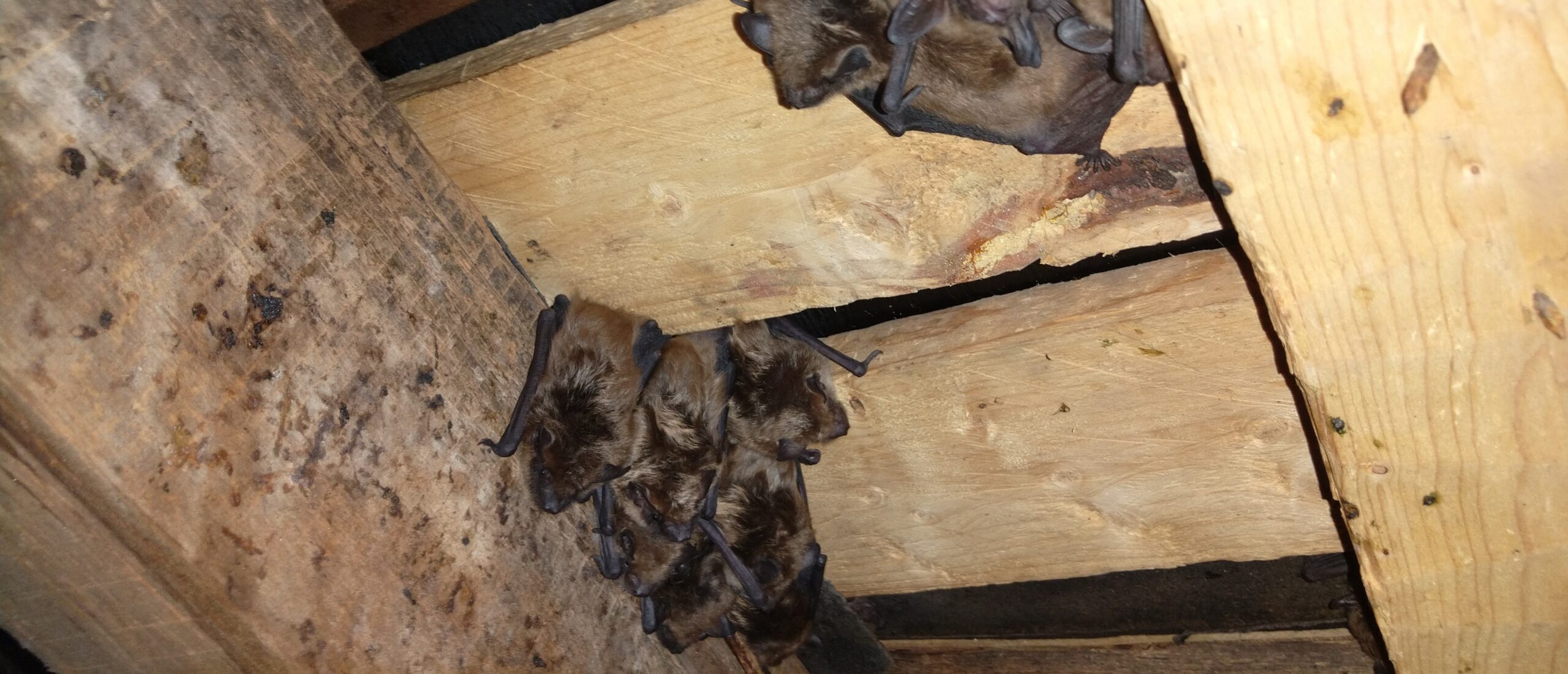
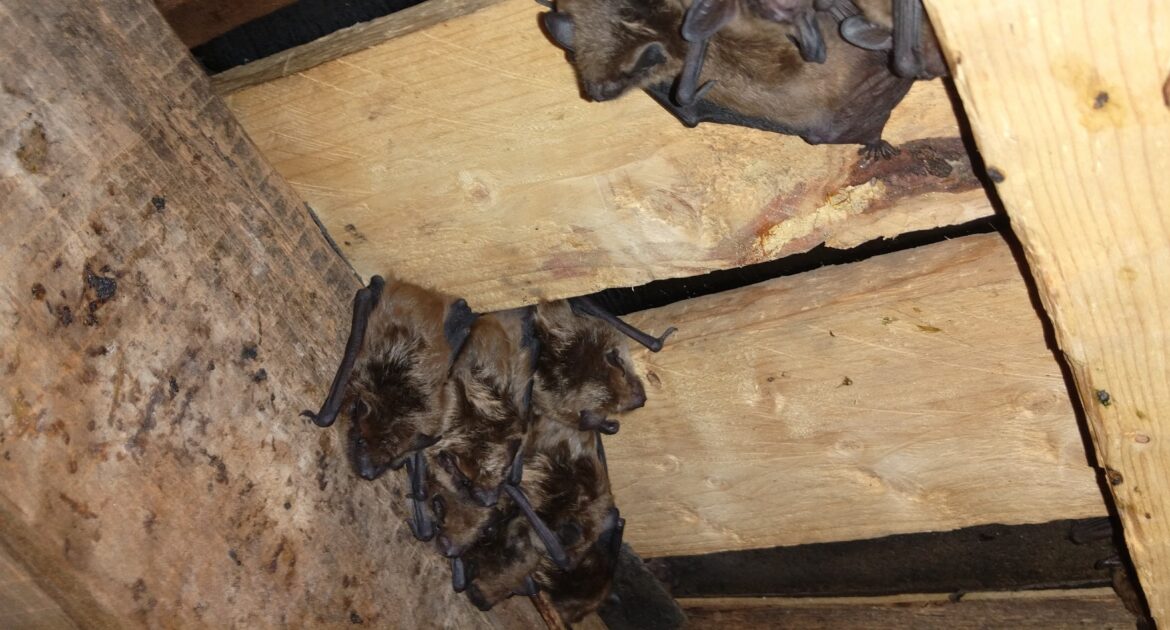
You feel it every year — the days grow longer, snow starts to melt, and the air smells like spring. But while you’re planning yardwork, something else is waking up: bats. As temperatures rise, they begin searching for warm, quiet places to rest and raise young. Unfortunately, your attic or roofline might look like the perfect spot.
The best way to stay ahead is preparation. Following the right spring bat prevention tips keeps your home protected before the season begins. At Skedaddle Humane Wildlife Control in Durham Region, we help homeowners like you seal bat entry points and focus on long-term bat-proofing your home. Our team handles every step, so you don’t have to touch a thing.
Below are 17 key ways we prepare properties each spring to keep wildlife outside where it belongs.
1. Inspect Every Potential Entry Point
You might be surprised how small an opening bats can use. Our technicians start each spring visit with a full exterior inspection, from the foundation to the highest roof peak. We look for gaps as small as half an inch — the size of your thumb — around vents, siding, or flashing. Once we identify those spots, we map out the best plan to seal them safely after confirming the space is empty. This first step stops future problems before they start.
2. Seal Gaps and Cracks Before Warm Weather Hits
Winter’s freeze-and-thaw cycle can widen cracks around your roofline. We use durable, wildlife-proof materials to close these areas long before bats return. By acting early, we prevent roosting attempts and keep your insulation clean and dry. You never have to worry about climbing ladders or handling repairs yourself — we take care of the sealing, so you stay safely on the ground.
3. Secure Roof Vents and Soffits
One of the biggest weaknesses we find on homes involves roof vents and soffits.
Our process includes:
- Installing heavy-duty vent screens that allow airflow but block animals.
- Reinforcing soffit gaps where panels have shifted.
- Checking attic fans and gable vents for torn mesh.
These upgrades provide proper ventilation while keeping wildlife out — a win-win for your comfort and your home’s structure.
4. Protect Chimneys and Flues
Chimneys are cozy shelters during cool spring nights. We fit each one with a professional-grade chimney cap that keeps bats, birds, and debris out while allowing smoke to escape freely. It’s one of the simplest spring bat prevention tips that saves you from expensive clean-ups later. Every cap we install is weather-resistant and built to last through Minnesota winters.
5. Reinforce Attic Vents and Louvers
Attic vents act like open doors if not properly screened. We use stainless-steel mesh that resists rust and chewing while maintaining airflow. After installation, we double-check surrounding wood or metal trim for warping or holes caused by moisture. Reinforcing these spots closes another favourite entry point and helps keep your attic temperature stable year-round.
6. Check for Previous Activity
Even if you don’t see or hear wildlife, signs can remain from earlier seasons. Our trained eye spots staining, droppings, or insulation damage that might show previous roosting. If we find any evidence, we remove contamination safely and install one-way doors so animals can exit without returning. You get a clean slate before new activity begins and peace of mind knowing it won’t repeat.
7. Install One-Way Doors for Safe Removal
Sometimes bats have already found a way inside by the time spring arrives. Instead of trapping or harming them, we use humane one-way doors that let them leave naturally but block re-entry. After several nights of activity, we remove the doors and permanently seal the opening. It’s the Skedaddle method that keeps both you and the animals safe and it works every time.
8. Upgrade Exterior Lighting and Trim
Bats prefer darkness and quiet. Proper lighting discourages them from approaching in the first place.
We often recommend or install:
- Motion-activated lights around eaves and garages.
- LED floodlights aimed at potential roosting areas.
- Fresh caulking and weatherproof trim to eliminate gaps behind fixtures.
These upgrades make your property less appealing to nighttime visitors while improving curb appeal.
9. Maintain Proper Ventilation and Insulation
Moist, warm attics attract wildlife. During each spring visit, we check ventilation and insulation levels to make sure humidity stays low. Balanced airflow keeps your attic from becoming the cozy micro-climate bats seek. We also repair insulation damaged by past nesting so your energy bills stay stable through the summer.
10. Create a Long-Term Prevention Plan
The best defence is consistency. After completing your inspection and sealing, we outline a seasonal plan tailored to your property.
That plan might include:
- Annual spring check-ups before temperatures climb.
- Mid-summer follow-ups to ensure materials hold up.
- Guidance on simple maintenance habits — like keeping windows screened and rooflines clear.
You can relax knowing professionals are watching out for you year after year.
11. Inspect Garages and Outbuildings
Detached structures are easy to overlook, but they offer perfect hiding spots. We extend our inspection beyond the main home to include sheds, barns, and garages. Any small gaps around doors, eaves, or roof joints get sealed with the same durable materials we use on houses. This step closes secondary roosting options that might otherwise draw animals back to your yard.
12. Clean and Protect After Removal
Once every possible entry point is secured, our crew cleans and disinfects affected areas. Handling droppings yourself can release airborne spores, so our protective equipment and cleaning agents keep the process safe. When we’re done, your attic and vents are restored and ready for a fresh season completely wildlife-free.
13. Educate Homeowners About Spring Habits
Part of prevention is knowledge. We take time to explain how these animals behave during spring — when they migrate, mate, and feed. Understanding patterns helps you recognize when professional help might be needed. For example, unusual fluttering near dusk or faint chirps behind walls usually indicate early roosting attempts. With this awareness, you can call us right away rather than waiting for a full infestation.
14. Use Weather-Resistant Materials
Minnesota’s changing seasons test every seal and vent. We use heavy-duty hardware cloth, rust-proof screws, and commercial caulking that expand and contract with temperature changes. Our prevention work lasts because it’s designed for harsh weather. Investing in quality now keeps your home protected through countless freeze-thaw cycles.
15. Provide Follow-Up Support
Prevention doesn’t end after one visit. We schedule follow-up checks to confirm everything stays secure once the warm weather hits. If new gaps appear, we reseal them immediately. Our continued support means you never face surprises alone, just a reliable partner keeping your home protected year-round.
16. Focus on Humane Methods
You never want to harm wildlife and neither do we. All our spring bat prevention tips center on humane exclusion. Our one-way doors and sealing process allow animals to leave safely without returning. This approach protects the environment, keeps your property sanitary, and follows local wildlife laws. It’s prevention done right: kind, clean, and permanent.
17. Prepare Before the Next Season
The final step is timing. Acting now, before temperatures climb, ensures your home is ready when bats start moving. Spring prevention is far easier and safer than summer removal. You avoid mating season, protect your attic, and eliminate potential damage before it happens. Waiting too long can lead to odours, stains, and cleanup costs that easily outpace early prevention.
Keep Your Home Secure This Spring
Spring brings sunshine and wildlife on the move. Following proven spring bat prevention tips like sealing vents, inspecting rooflines, and bat-proofing your home keeps your property safe long before activity begins. If you suspect possible openings or want a professional inspection, request an estimate to learn more from Skedaddle Humane Wildlife Control in Durham Region.
Our team will locate, seal, and secure every entry point, so you enjoy the warmer months knowing your home is fully protected and every animal is treated humanely.

 Loading...