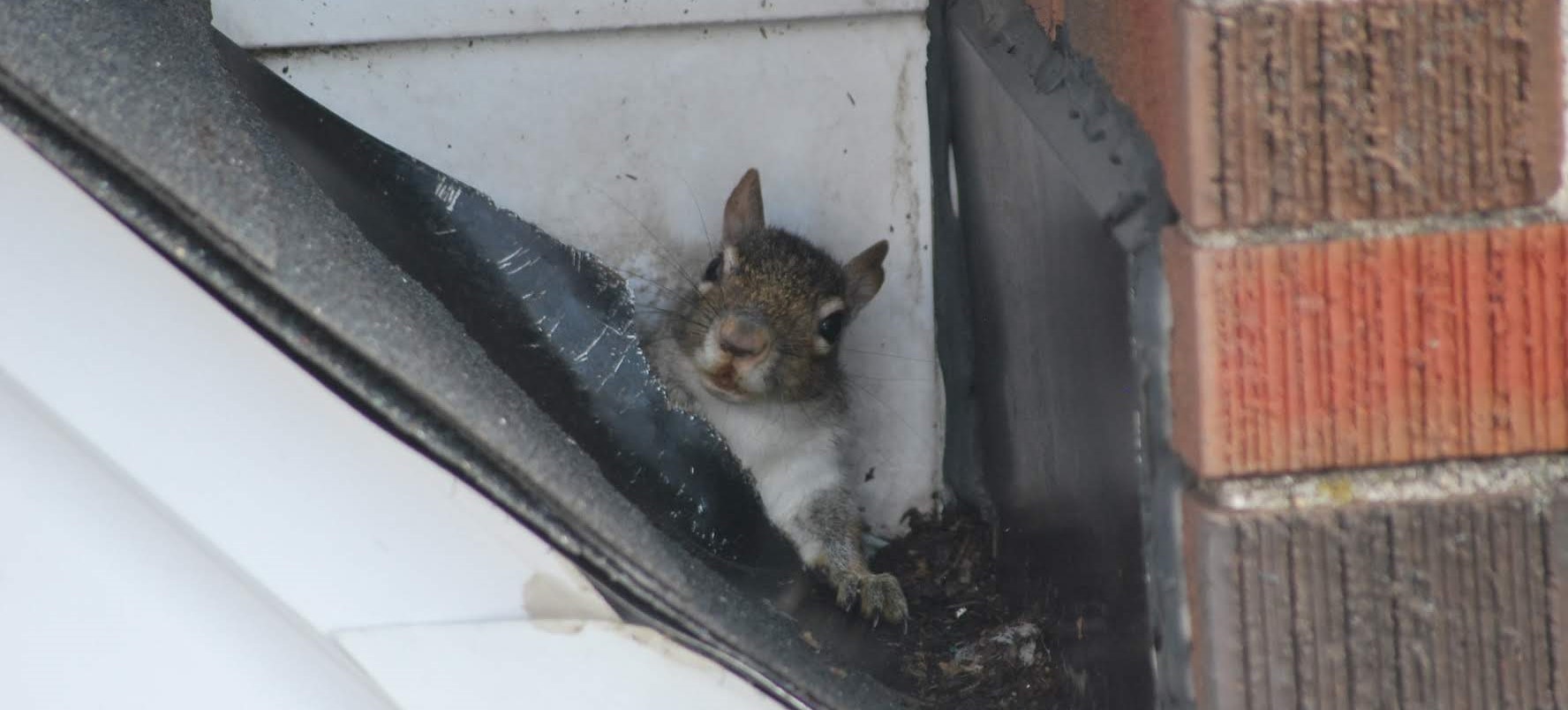
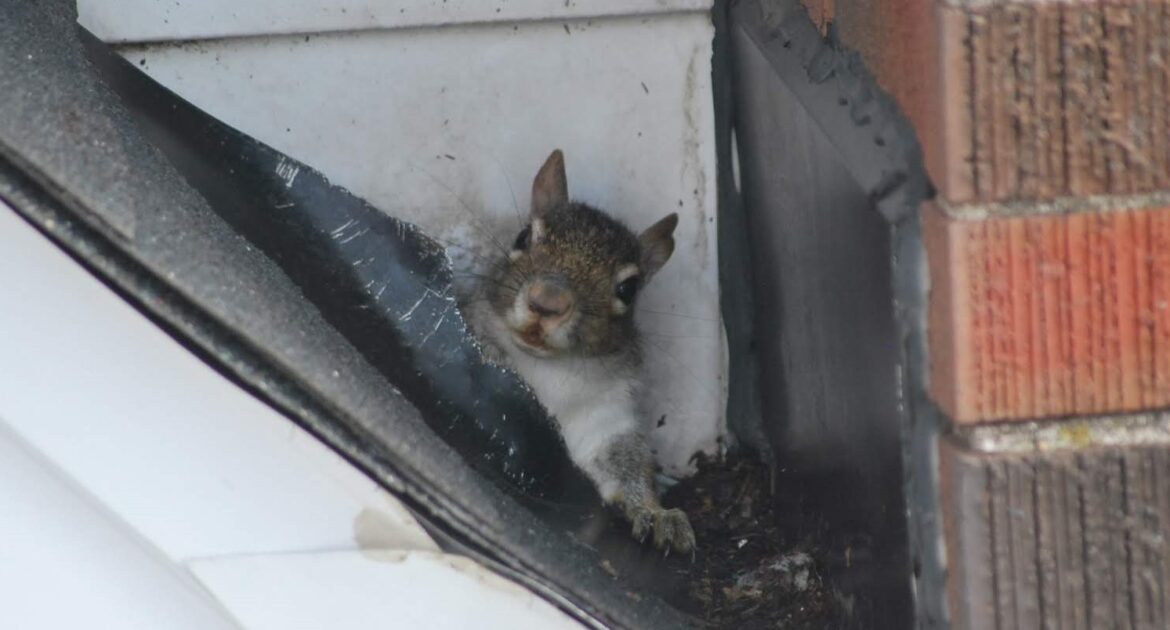
You hear scratching above your ceiling late at night. Maybe you notice pieces of insulation falling from a vent or see chew marks near your eaves. These are all signs that something may have found a way inside. During the winter, many animals search for a warm and dry space to escape the cold—and your attic is one of the best places they can find.
When temperatures drop, squirrels look for shelter from the snow and wind. They are strong climbers and can easily reach your roof, squeezing through even small openings. Once inside, they can cause big problems—chewing wires, ripping insulation, and leaving behind messes that no homeowner wants to deal with.
At Skedaddle Humane Wildlife Control in Durham Region, we know that winter roofline damage is one of the main reasons animals gain access to homes. That’s why we focus on spotting every weak point and sealing it properly. Let’s explore the most common squirrel roof entry points and what makes them such attractive spots during cold Canadian winters.
Why Squirrels Target Rooflines in the Winter
When the weather gets cold, squirrels don’t hibernate like some animals do. Instead, they stay active, searching for food and a safe, warm place to rest. Attics make an ideal home because they offer:
- Warmth: Heat rises from your home, making attics cozy even in freezing weather. That steady warmth helps squirrels stay comfortable when the temperature drops.
- Protection: The roof and walls keep out snow, wind, and rain. Even during heavy storms, an attic stays dry and secure.
- Peace and Quiet: Attics are away from predators and rarely disturbed. It’s a perfect place to rest, store food, or even raise young later in the season.
This is why rooflines are a major focus for animals looking to move in. A single gap, loose vent, or cracked shingle is often all it takes for them to find their way inside.
Roof Vents and Fans
Roof vents are one of the easiest ways for squirrels to enter. These vents are designed to let hot air out of your attic, but many are made with light plastic covers. Over time, the plastic becomes brittle from sun exposure and can crack or break.
A determined squirrel only needs a few minutes to chew through these weak spots. Once the vent is open, it’s a direct path into the attic. You might even hear scratching around the vent area or see nesting materials sticking out.
You can think of roof vents like open windows that don’t have locks. They need strong covers and metal screening to keep animals out. That’s why professionals often inspect vents first during winter home checks. If animals are found, humane removal methods like one-way doors are used. These allow them to exit safely without being able to return.
Soffits and Fascia Boards
Soffits and fascia boards line the edges of your roof, helping with ventilation and keeping the attic dry. But when they age or loosen, they become weak spots.
Animals often pull down soffit panels or chew holes through soft wood near the edges. This gives them direct access to the attic space. Even a small gap between the soffit and the wall is enough for a squirrel to squeeze through.
Some common signs include:
- Pieces of soffit hanging or bent downward
- Teeth marks along wooden fascia boards
- Droppings or insulation pushed near the edge of the roof
These areas are often hidden from view, so many homeowners don’t notice the damage until it’s too late. During our professional inspections, these spots are sealed tightly with durable materials that prevent re-entry, keeping your roofline solid and protected through the season.
Roof Valleys and Loose Shingles
Where two rooflines meet, they form what’s called a roof valley. These areas collect rain and snow, which means they’re often damp and prone to wear. Over time, this moisture weakens shingles and flashing, creating small gaps.
Squirrels take advantage of these weak points by prying up shingles or squeezing under lifted edges. Once they get through, it’s easy for them to chew into the wood beneath.
If you notice shingles that curl upward or metal flashing that looks loose, that’s a sign of possible entry. Snow buildup can make the damage worse, adding pressure that opens the gaps further. A thorough inspection before and during winter helps catch these problems early, saving you from costly repairs later.
Eaves, Gutters, and Roof Edges
Eaves and gutters might not seem like a likely place for animals to enter, but they often are. Squirrels use trees and power lines to reach roof edges. Once they’re there, they look for weak or rotten wood to chew through.
Leaves and debris in the gutters can also trap moisture, softening the wood along the eaves. This creates an ideal target for chewing. After a few bites, a hole big enough for entry appears.
You might spot these warning signs:
- Water stains on the ceiling near exterior walls
- Chewed or sagging gutters
- Small piles of wood chips near downspouts
Keeping gutters clear is helpful, but the real key is professional sealing. Specialists inspect roof edges, secure soffits, and use weather-resistant barriers that last through the toughest Canadian winters.
Chimneys and Attic Vents
Chimneys and attic vents provide warmth, airflow, and easy access—all things squirrels are drawn to in winter. While many chimneys have covers, they often rust or loosen over time. Animals can climb inside and end up nesting near the flue, which creates a fire risk.
Attic vents, much like roof fans, can also weaken over time. The fine mesh that’s meant to keep animals out can tear, especially after years of wind and snow. Once they’re inside, you might hear chattering or movement early in the morning or at dusk.
Professionals often install heavy-duty screens and reinforce vent covers to block entry. It’s a simple but essential step to stop animals from getting inside again.
Gaps Near Dormers, Skylights, and Rooflines
Dormers, skylights, and junctions where two parts of the roof meet often have small seams or joints. These seams are sealed when the house is built, but over time, the materials shrink, shift, or crack due to temperature changes.
Animals can smell the warm air leaking from these gaps, especially in cold weather. They’ll claw and chew at the soft edges until they create a hole large enough to slip through.
During inspections, these spots are reinforced with weather-proof sealants and metal flashing. It’s one of the most effective ways to stop wildlife from getting inside while also preventing water leaks and heat loss.
The Hidden Cost of Winter Roofline Damage
When squirrels move into your attic, the damage adds up fast. They chew through insulation, drywall, and electrical wiring, which can cause fire risks or power outages. They may also bring in nesting materials that trap moisture, leading to mold or rot.
Droppings and urine can soak into insulation, leaving strong odours that are difficult to remove. Over time, this kind of damage lowers your home’s energy efficiency and can be costly to repair.
The best prevention is early detection. A few small holes or loose panels can quickly turn into a big problem once wildlife moves in. Our professional inspection and sealing can save you from both damage and stress.
Commercial Roofline Risks During Winter
Businesses face many of the same issues as homeowners when it comes to wildlife entry. Warehouses, barns, and storage buildings often have large open rooflines or vents that make easy access points.
Animals nesting inside commercial roofs can chew electrical wiring, damage insulation, and leave droppings that contaminate stored goods. For businesses, these problems can quickly disrupt operations or create health risks for employees.
Regular roof checks by our trained professionals help detect damage early and stop animals from settling in. This kind of maintenance is especially important for large buildings with flat roofs or ventilation systems that are harder to monitor.
Seal the Season: Keep Your Roof Safe and Sound
Cold weather doesn’t stop wildlife from looking for shelter. Once they find a weak point in your roofline, it’s only a matter of time before they move in. Knowing where these squirrel roof entry points are and how winter roofline damage starts is the first step in keeping your home or business safe.
At Skedaddle Humane Wildlife Control in Durham Region, we help homeowners squirrel-proof your roof using proven, humane methods. Our trained team finds every gap, seals it with durable materials, and ensures animals can leave safely through one-way doors without returning.
You deserve peace of mind this winter. Contact Skedaddle Humane Wildlife Control today to request an estimate and learn how we can protect your home from unwanted guests all season long.

 Loading...