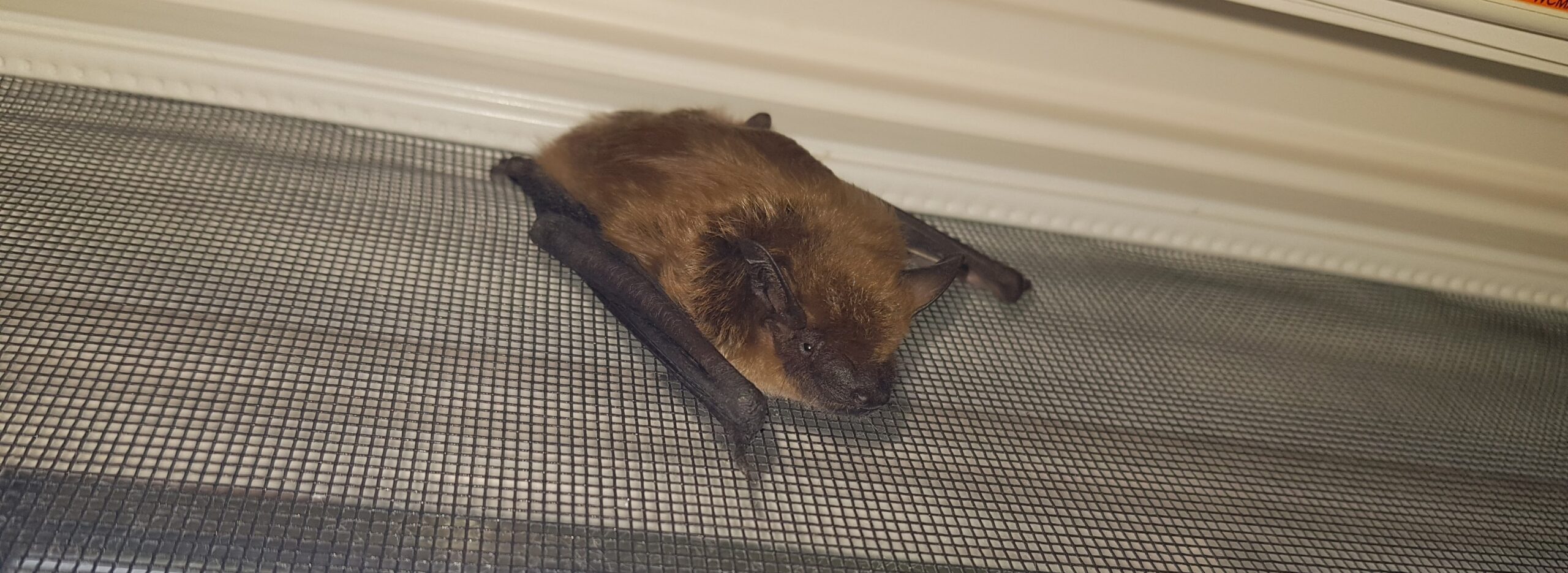
If you’ve noticed bats inside your attic or walls during winter, it’s important to understand the unique dangers of disturbing hibernating bats in winter. These small mammals, though often misunderstood, are a vital part of Durham’s ecosystem. Their delicate hibernation phase—beginning as autumn chill settles over the city—not only protects them from our harshest weather but ensures they survive to feast on insects come spring.
At Skedaddle, we often see the consequences when well-meaning home or business owners unknowingly interrupt this natural process. Our goal is to ensure bat safety for both residents and bats by sharing knowledge and offering practical, humane solutions.
The Science Behind Bat Hibernation
Hibernation is a complex survival strategy. In Durham’s cool climate, hibernating bats enter a deep state called torpor, significantly lowering their body temperature and heart rate. This allows them to use very little energy, surviving off fat reserves accumulated during the insect-rich fall season.
During this time, the bats:
- Seek out safe, stable microclimates—often in attics, wall spaces, or under roofing materials
- Lower their breathing and metabolic rates to a fraction of normal activity
- Remain motionless for weeks or months, rarely waking unless disturbed
Physiologically, this dormant state is critical for the survival of many local species. Disturbances can trigger a rapid and dangerous transition from torpor to full alertness, burning through precious energy meant to last until spring. Such disruptions can have long-term impacts on bat health and survival rates. As we explore why winter is particularly sensitive for these animals, understanding their remarkable adaptation helps clarify the stakes involved.
Why Bats Must Remain Undisturbed During Winter
Leaving bats undisturbed during winter months is essential for several reasons. First and foremost, arousing hibernating bats exacts a steep energy cost—one most cannot afford to pay more than a few times in the season.
Let’s answer a key question: What are the consequences of waking hibernating bats?
- Once their stored energy is spent, food is unavailable, leading to starvation.
- Increased movement can also make them vulnerable to predators and cold temperatures.
In brief, every disturbance puts entire colonies at risk. The likelihood of long-term survival is drastically reduced each time they are prematurely roused. To safeguard winter bat safety, it is crucial to avoid disturbing bats in homes, businesses, or other roosts, especially during this inactive period. By understanding why these animals are so vulnerable at this time, we highlight our shared responsibility to protect them.
Ecological Impact of Disturbing Hibernating Bats
Human impact on bats during hibernation is rarely discussed but has wide-reaching ecological effects. Bats are voracious insect-eaters and play a pivotal role in natural pest control. A single little brown bat can consume over a thousand insects in one night during summer. When colonies fail to survive winter, their absence ripples through the local food webs.
Here’s what can happen when their hibernation is interrupted:
- Local insect populations—including mosquitoes and moths—can surge, affecting gardens and agricultural sites.
- Birds and other animals that rely on insects for food may face greater competition.
- Pollination may decrease since some species aid in pollinating local flora.
Over time, population declines due to repeated disruptions can even threaten species survival. It’s a hidden insight that underscores the importance of bat safety—not only for the bats but for Durham’s entire ecosystem.
Bat Safety and Professional Humane Solutions
At Skedaddle, our service philosophy centres on the safety of both people and bats. Bats hibernate from September to April, making winter removal both unsafe for bats and illegal under Canadian wildlife protection laws. However, disturbed or injured bats discovered during winter still require expert handling.
Our technicians provide:
- Thorough inspections of your property, targeting even the smallest gaps that bats can use
- Humane exclusion measures outside of hibernation or birthing seasons
All humane removal work is carefully scheduled for late summer or early fall, ensuring no bats or their young are left behind. This approach honours both legal regulations and wildlife welfare.
Home and business owners benefit from our methods in many ways: Lifetime warranty on our exclusion work, secure, bacteria-free spaces after thorough cleaning of droppings and contaminated insulation, and ongoing support and education to promote year-round awareness.
By working collaboratively, we ensure bat habitats remain as respected and undisturbed as Durham’s beloved Butchart Gardens throughout winter.
Protecting Bats and Your Property
Looking ahead, we encourage homeowners and business operators to focus on bat safety year-round. Here are five essential practices to keep in mind: Schedule inspections and exclusion work in August or September before hibernation begins. Be alert for signs like droppings or scratching sounds in attics and walls. Educate all household members and staff about respecting hibernating wildlife. Keep records of previous encounters or removals for future reference. Rely on certified wildlife professionals to handle any bat issues humanely and legally.
Caring for hibernating bats is not only about compliance, but about stewardship for Durham’s natural heritage. By following best practices and acting only in the appropriate seasons, we can all play a part in safeguarding both our homes and our local ecosystem.
When you need expert advice or help, Skedaddle’s experienced team is committed to keeping your home, business, and bat neighbours safe through every season. Transitioning from theory to action, we remind you that awareness is the first step in making a difference—for both people and the wildlife we share Durham with.

 Loading...