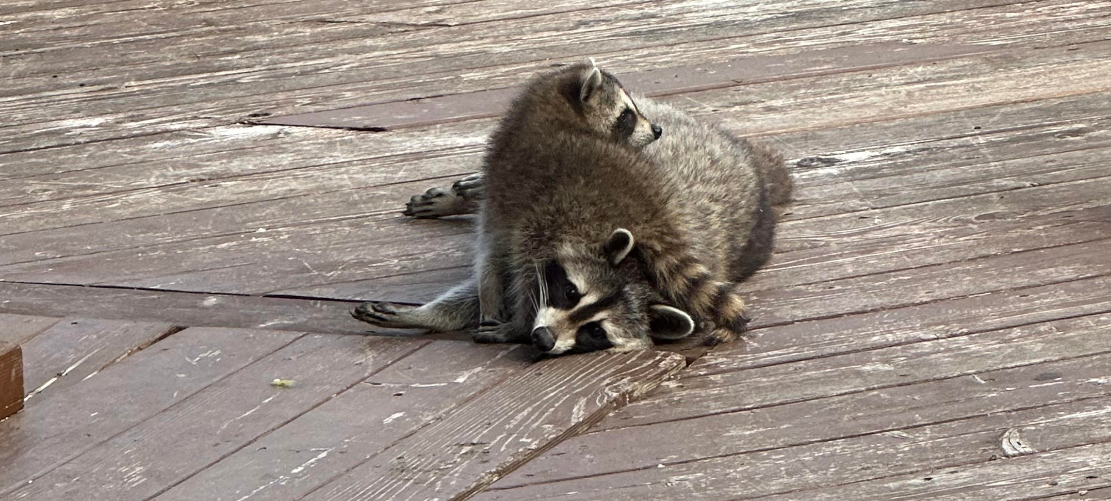
You may feel confident when you list your home for sale. Floors are clean. Photos look great. Showings go well. But when raccoons move into hidden spaces, problems can grow quietly. Many sellers do not realize that raccoons in the attic can stop a sale before it even reaches closing day.
You should be concerned because wildlife issues often appear during a wildlife inspection home sale. Inspectors look closely at attics, roofs, vents, and insulation. When signs of raccoon activity show up, buyers take notice. That can lead to delays, repair demands, or deals falling apart.
In this blog, you’ll learn how raccoons could stop the sale of your home, which warning signs buyers and inspectors look for, and why professional raccoon removal services matter in Newmarket. At Skedaddle Humane Wildlife Control in Newmarket, we help homeowners protect property value by addressing wildlife problems the right way.
How Attic Activity Raises Red Flags During Inspections
You might never step into your attic, but inspectors always do. That space often reveals issues that are hidden from daily view. When raccoons in the attic are present, the signs usually stand out right away to trained eyes. Even small details can raise questions during a home inspection.
Inspection concerns often include:
- Damaged Insulation and Materials: You may not see it from below, but insulation is often torn, flattened, or pushed aside. This affects how well your home holds heat and stays comfortable. Inspectors often flag this damage because it suggests ongoing activity. Buyers may worry that repairs will be costly or more extensive than expected.
- Open or Damaged Entry Points: Roof edges, soffits, and vents are common access areas. Gaps, bent metal, or broken materials suggest repeated use over time. Inspectors see these signs as unresolved entry points. That can delay approval or trigger requests for further investigation.
- Noise or Odour Evidence: Strong smells or reports of scratching sounds raise concern during showings or inspections. Even if activity seems quiet now, past signs still matter. Buyers may worry the problem will return after they move in. That uncertainty often leads to hesitation.
These findings often lead to follow-up inspections or added conditions. That slows the sale and creates stress during negotiations.
Structural Damage That Scares Buyers Away
You expect your home to feel solid and safe. When raccoons move into attic spaces, damage can grow slowly and spread without notice. During a sale, even minor structural concerns can become major obstacles. Buyers want reassurance that the home is sound.
Common damage concerns include:
- Roof and Vent Damage: Shingles may be lifted, cracked, or missing altogether. Vents can become loose or torn open. These issues raise concerns about water leaks and future roof repairs. Buyers often worry about long-term maintenance costs.
- Electrical and Duct Issues: Wiring and air ducts can be disturbed or damaged as raccoons move around. Even small changes raise safety concerns for inspectors. Electrical issues, in particular, can delay closing until reviewed. Buyers may see this as a risk they do not want to take.
- Spread of Damage Over Time: What starts in one corner of the attic rarely stays there. As activity continues, damage often spreads to new areas. Buyers may fear there is more damage hidden from view. That fear can stop offers altogether.
When buyers feel unsure about safety or structure, they often walk away rather than negotiate.
Delays That Cost Time And Money
You may plan your move around a firm closing date. Wildlife findings can disrupt that timeline much faster than expected. Delays are one of the most common ways raccoons stop a sale, especially when new concerns come up late in the process. Each delay adds stress, uncertainty, and pressure for everyone involved.
Buyers often request extra inspections once wildlife activity is mentioned or discovered. These inspections take time to book and complete, and reports are not always ready right away. While this is happening, the sale may pause, and closing dates may need to be changed. Even short pauses can make buyers feel unsure or cautious.
Repairs and paperwork can stretch timelines even further. Damage may need quotes, approvals, or follow-up checks before work is accepted. Lenders and insurance companies may also pause their approval until all issues are cleared. These added steps create waiting periods that sellers cannot always control, and in some cases, buyers decide to walk away rather than wait.
Why One Sign Often Means More
You may think a single sign is not a big deal. With attic raccoons, one sign often points to ongoing use of the space. Buyers and inspectors understand this pattern well. That is why even small clues matter.
This happens because:
- Attics Offer Ideal Shelter: Warmth, insulation, and quiet make attics very appealing. These conditions are hard to match outdoors. Once discovered, raccoons tend to return. Buyers know this risk.
- Problems Rarely Fix Themselves: Without proper exclusion, activity often continues. Temporary fixes do not change behaviour. Buyers may worry the issue will resurface after purchase. That fear often stops deals.
This pattern explains why raccoons in the attic raise serious concerns during a home sale.
How Professional Raccoon Removal Helps Protect Your Sale
You should never try to deal with attic raccoons yourself. Professional handling protects both people and property. It also provides the documentation buyers want to see.
Our professional raccoon removal services focus on long-term results. At Skedaddle, we use one-way doors that allow animals to leave safely but prevent re-entry. Once activity ends, access points are secured to stop future use.
This approach helps protect inspection results, buyer confidence, and closing timelines.
Why Buyers Feel Reassured By Professional Proof
You want buyers to feel confident moving forward. Our professional service makes a real difference.
Buyers often feel reassured when they see clear inspection findings, evidence of humane removal, and proof that entry points were properly secured. This transparency helps keep deals on track and reduces last-minute concerns.
You want your home to stand out for the right reasons. Wildlife issues can undo months of preparation. Addressing them early protects value and reduces stress.
A smooth sale depends on trust, safety, and confidence. Our professional help supports all three.
Protect Your Sale Before Problems Appear
You should not wait for an inspection to uncover problems. Raccoons in the attic can stop a sale quickly once discovered. A proactive approach helps avoid delays and lost offers.
If you are preparing to sell or already listed, Skedaddle Humane Wildlife Control in Newmarket can help. Our raccoon removal services support clean inspections, protect buyer confidence, and keep your sale moving forward.
You can request an estimate to learn more about how we help homeowners protect their investment and avoid surprises during a wildlife inspection home sale.

 Loading...







