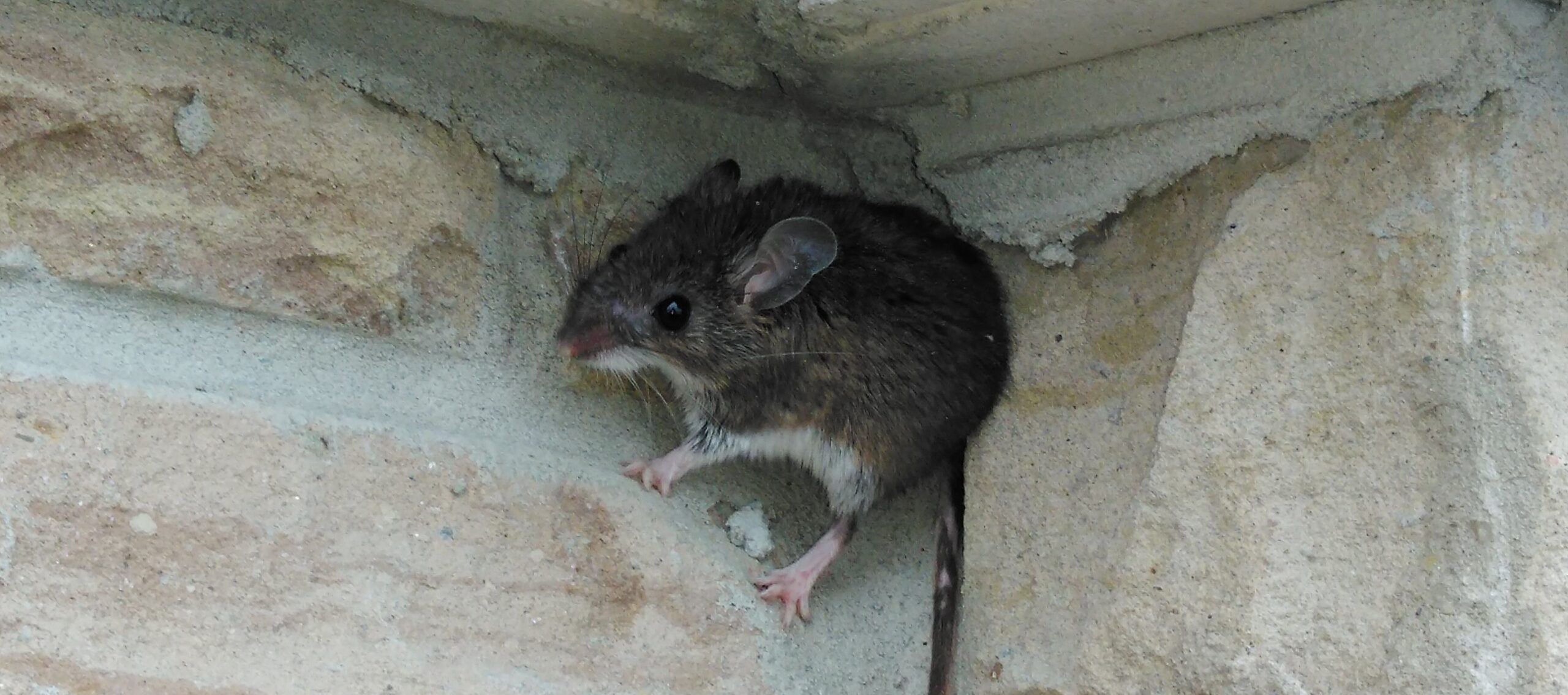
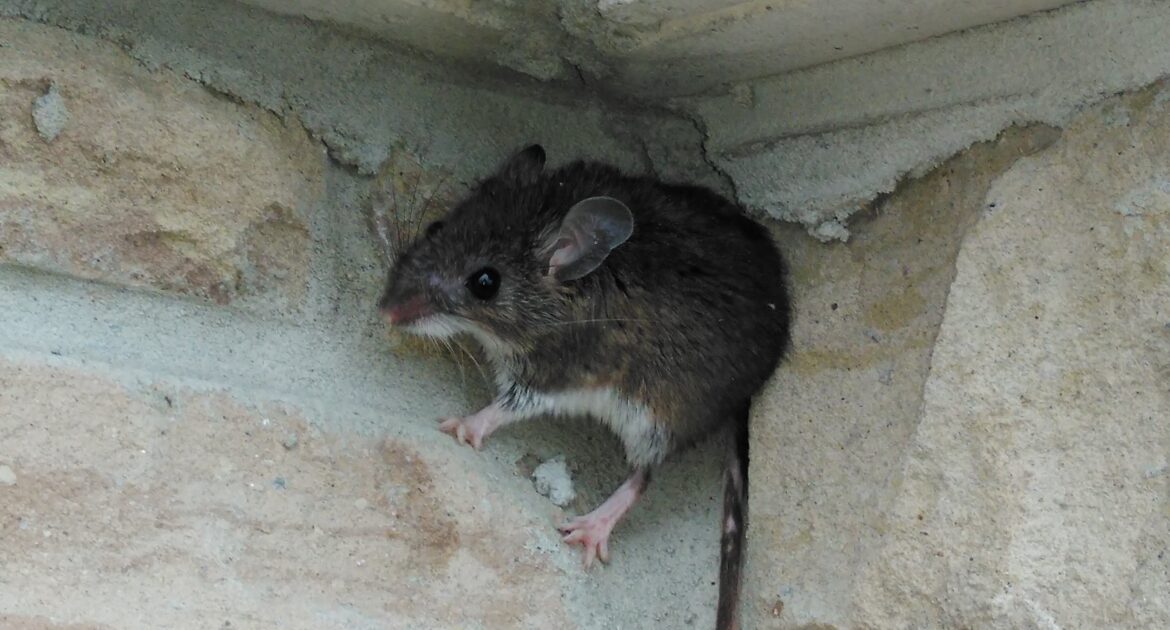
You’re unpacking boxes of decorations, wrapping gifts, or setting out food for a holiday party when you hear scratching from the basement or garage. You might think it’s just the wind, but it could be something much smaller and much sneakier.
As the snow starts to fall and temperatures drop, mice in basements in winter become a common problem for many homeowners. These tiny animals are not just looking for food; they’re searching for warmth and safety. During the holiday season, when homes are full of tasty treats and cozy spaces, they see an open invitation.
At Skedaddle Humane Wildlife Control in Durham Region, we’ve seen how quickly small problems can grow when mice find a way inside. Let’s take a closer look at why these animals move into basements and garages during the holidays, what draws them there, and how professional prevention keeps them out for good.
Why Mice Look for Shelter in the Winter
Cold weather changes everything for wildlife. As food sources disappear outdoors, animals start looking for new options, and your home can look very appealing.
Basements and garages provide everything a mouse needs to survive: warmth, shelter, food, and materials for building a nest. Once they’re inside, they multiply quickly, which is why winter mouse infestations often grow faster than expected.
Here’s what makes your property so inviting during the holidays:
- Warmth: Mice can’t survive the cold for long, so they look for spots where heat escapes—like cracks in the foundation or gaps under doors. Once inside, they build nests near warm appliances or water heaters.
- Food: With more snacks, baked goods, and leftovers around during the holidays, there’s plenty to nibble on. Even crumbs can attract them.
- Shelter: Garages and basements are quiet, dark, and away from predators. Stacks of boxes, storage bins, or decorations create perfect hiding places.
- Nesting Material: Wrapping paper, cardboard, insulation, and fabric are ideal for nest building. These materials are easy to find in cluttered storage areas.
All these comforts make your basement or garage feel like a winter resort for mice.
1. Warmth: Escaping the Cold
When temperatures fall, basements and garages act like heated shelters compared to the outdoors. Heat from your home rises, warming these areas just enough to attract animals looking for a place to hide.
Mice often enter through small openings—gaps in the foundation, cracks around vents, or even tiny holes near plumbing lines. Once inside, they search for cozy spots behind walls or near water heaters.
Signs that warmth has drawn them in include:
- Shredded insulation or paper
- Droppings near warm appliances
- Faint scratching or rustling sounds at night
Our professionals can inspect these areas to locate the source of the problem and seal entry points so mice can leave safely through one-way doors but can’t come back.
2. Food: Holiday Treats That Attract Visitors
The holiday season brings delicious smells into the home: cookies, candies, and leftovers that make the air rich with temptation. What smells wonderful to you also smells wonderful to a mouse.
Garages often store pet food, birdseed, and pantry overflow, while basements may hold forgotten snacks or long-term storage boxes with crumbs inside. A mouse only needs a few crumbs or drips of food to survive for days.
Common holiday food sources that attract mice include:
- Pet food and birdseed left in open bags
- Pantry boxes that aren’t sealed properly
- Candy, nuts, and baking ingredients
- Crumbs from holiday gatherings
Because food attracts them so easily, holiday mouse prevention includes proper storage and routine cleaning, but sealing off their access points is what truly stops the problem at its source.
3. Shelter: A Quiet Place to Nest
While your family gathers around the fireplace, mice search for dark, quiet spaces away from people and pets. Basements and garages are perfect for this—they’re calm, undisturbed, and often filled with clutter.
Cardboard boxes, old furniture, and piles of seasonal decorations make ideal nesting areas. Once they settle in, they shred materials like paper and fabric to create soft nests.
Some signs of nesting include:
- Torn cardboard or insulation
- Small piles of soft material in corners
- Faint squeaking or movement at night
When mice nest indoors, they can cause damage by chewing on wires, walls, and stored items. That’s why professionals inspect these areas carefully, identifying nests and using humane removal methods that let animals leave without harm.
4. Clutter and Nesting Materials
Garages and basements often become storage spaces for all the things we don’t use every day. Unfortunately, that clutter provides everything mice need to build a home.
Boxes, holiday decorations, old blankets, and even paper bags become building materials. The more clutter there is, the easier it is for them to hide without being noticed.
Here’s what attracts them most:
- Soft materials like cotton, insulation, and shredded paper
- Cardboard boxes stored directly on the floor
- Forgotten piles of clothing or rags
- Decorations made of fabric or straw
Professional technicians often recommend organizing storage on raised shelving and sealing gaps near the floor—but most importantly, we ensure entry points are blocked so these animals can’t get inside in the first place.
5. Easy Access Points Around Your Home
Mice can squeeze through holes as small as a dime. That means your home could have several unnoticed entrances. Garages, in particular, are easy to access because of gaps around doors, vents, and pipes.
Here are some of the most common entry points:
- Openings around garage doors or windows
- Cracks in basement walls or foundations
- Spaces around utility pipes or vents
- Loose weather stripping or missing seals
Once inside, they can move freely between walls, floors, and ceilings. They don’t stay in one place for long—what starts in the garage can quickly spread through the rest of the home. Regular inspections by our trained professionals ensure that every potential opening is sealed before a small problem becomes a major infestation.
6. Why the Holidays Make Things Worse
The holidays can unintentionally create perfect conditions for mice in basements in winter. Between food preparation, decorations, and extra storage, homes become busier and more cluttered, exactly what these animals are looking for.
Here’s how the holidays make infestations more likely:
- More food is left out after parties or meals.
- Boxes of decorations create temporary hiding places.
- Families travel, leaving homes quiet and undisturbed.
- Cold weather drives animals closer to heat sources.
These factors combine to make the holiday season one of the busiest times of year for wildlife control calls. Preventing entry before the coldest months arrive is the best way to stay ahead of the problem.
7. The Damage They Cause
A mouse might seem harmless, but a few of them can cause serious problems. They chew constantly to keep their teeth short, which means wires, insulation, and wood are all at risk.
They also leave droppings and urine that contaminate surfaces and food supplies. Over time, these messes create odors and can even spread bacteria.
In garages, they often damage stored belongings like camping gear or holiday decorations. In basements, they can chew through boxes, insulation, and electrical wiring. Catching the problem early prevents these small animals from causing big trouble.
8. Commercial Properties Aren’t Safe Either
Businesses, warehouses, and commercial garages are also prime targets during the winter. The large open spaces, stored goods, and quiet conditions make them ideal for nesting.
Food-related businesses face even greater risks. Once animals get inside, they can contaminate food supplies and damage inventory. For commercial buildings, regular professional inspections and sealing services are the best protection against costly infestations.
We help business owners in Durham Region maintain clean, secure spaces by identifying entry points and using humane exclusion methods to keep animals out for good.
Seal the Season: Keep Mice Out for Good
The holidays should be about comfort and celebration, not surprise visitors in your basement or garage. By understanding what attracts mice in basements in winter, you can stay one step ahead of winter mouse infestations and enjoy the season stress-free.
At Skedaddle Humane Wildlife Control in Durham Region, we specialize in finding and sealing every hidden gap that animals use to get inside. Our team uses humane one-way doors that let wildlife leave safely but block them from returning, keeping your home protected through the coldest months.
You deserve peace of mind this holiday season. Contact Skedaddle Humane Wildlife Control today to request an estimate and learn how our team can help with holiday mouse prevention before small visitors become a big problem.

 Loading...







