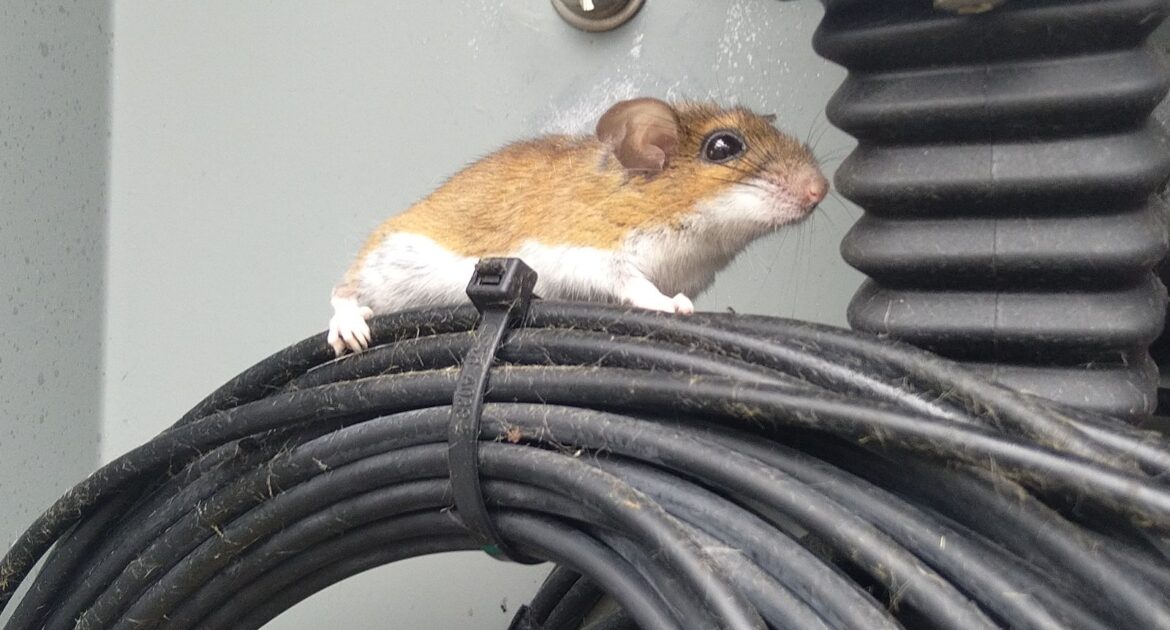
As the East Cobb winter sets in, your cozy home becomes a prime target for mice seeking warmth and shelter. These pests can squeeze through the tiniest, often hidden, gaps and cracks, turning unseen entry points into a full-blown infestation. You might hear small sounds in the walls, find disturbed food packages, or notice droppings, but the source of the problem isn’t always obvious.
That’s where Skedaddle Humane Wildlife Control makes a difference. Our professional mouse entry point sealing stops infestations before they grow. We specialize in finding and sealing every hidden pathway, giving you long-term peace of mind and ensuring your home remains a safe, clean, and secure sanctuary all winter.
How Winter Makes Entry Points Easier to Find
Cold weather changes how homes react to temperature, and those shifts create small openings. These gaps may be unnoticed by homeowners but obvious to animals seeking shelter. Winter pressure also forces them to choose warm homes, which makes patterns easier for us to track.
Here are a few reasons winter helps reveal these openings:
- Changes in Building Materials: Cold temperatures cause wood and siding to contract. Even strong materials pull back enough to create small cracks along rooflines, vents, and wall joints. When these openings form, they become perfect spots for animals to squeeze inside.
- Weaker Seals Around Doors and Windows: Weatherstripping wears down faster in winter. Small gaps under garage doors or side doors often become common entry points. These small edges can create enough space for an animal to slip into storage rooms or wall spaces.
- Movement Toward Heat Sources: Homes in East Cobb lose heat through the upper parts of the house during winter. As warm air escapes, the base of the home pulls in cold air from outside. This pressure creates drafts that animals follow straight to hidden openings.
These winter changes help our team find patterns, track pathways, and start building a strong sealing plan.
Where Skedaddle Finds Hidden Entry Points
Finding openings requires careful inspection. You may only spot one small hole or a little disturbed insulation, but the real entry point often runs deeper. We look at the entire structure so nothing gets missed.
- Foundation Gaps: Small cracks in the foundation or breaks around utility lines are major access points. These gaps sit low on the structure, making them easy for animals to reach. We search along the full foundation to map out every possible spot.
- Openings Around Utility Lines: Cables, pipes, and vents often create gaps where they enter the home. As materials shift through the year, these gaps widen. We check every line entry from outside and inside the home.
- Roof and Attic Gaps: Homes often have weak points at roof edges, soffits, and vents. These areas loosen over time, especially after storms. We check these locations for brown stains, chew marks, or openings large enough for entry.
- Window Wells and Garage Doors: Basement windows and garage doors sometimes lift slightly with temperature changes. Even a thin gap can be a direct path into the lower level of a home.
With each opening we find, we build a clear plan to block future access.
Signs That Help Us Track Entry Paths
Some clues help our team read movement patterns and find the real entry points. These signs show where animals travel, hide, or nest.
- Surface Damage and Wear: Edges around small gaps may show discoloration, minor chewing, or fur. These marks tell us which openings are being used.
- Drafts Coming From Walls or Floors: Cold air flowing through a room often points directly to a hidden opening. We use drafts as indicators for deeper inspection.
- Soft Insulation or Disturbed Materials: Areas with flattened insulation show where animals have moved. This often leads our team straight to the primary entrance.
These clues help us track not just one opening but the full route inside the home.
Why Entry Points Often Go Unnoticed
Many families never see the openings that lead to infestations. These gaps are often hidden in places people do not check, or they are so small that they blend into the home’s design. Most of the time, the openings look like normal wear and tear, not active entry routes.
Some of these spaces are extremely tiny. Certain animals can squeeze through holes as small as a dime, which makes these openings almost impossible to spot without a trained eye. Even a narrow crack around a pipe or vent can be enough for them to slip inside.
Other openings are hidden along busy rooflines or complex edges where building materials meet. These areas may look solid from a distance, but small gaps can sit under shingles, siding, or trim boards. At ground level, entry points often sit behind plants, trash bins, or close to soil, where they’re even easier to overlook.
Because these gaps blend into the structure so well, families often do not realize what’s happening until they hear noises or notice signs inside. The opening stays active until a full inspection reveals the real source of the problem.
How Skedaddle Seals Every Entry Point
Sealing is the key to long-term protection. It stops future infestations and blocks access from all directions. We use professional materials designed to handle weather, chewing, and pressure.
Below is how we seal the structure:
- Strengthening Weak Edges: Areas along rooflines, siding joints, or vent edges often become weak spots. We reinforce them with steel mesh or metal flashing to prevent new gaps.
- Closing Foundation Cracks: We fill gaps around utility lines, piping, and siding edges. These openings often serve as the primary entry point during winter months.
- Securing Attic Vents and Soffits: Older vent screens or loose soffits create easy routes into attics. We replace weak covers with durable materials that can’t be chewed through.
- Protecting Exterior Corners: Animals often target corners where two surfaces meet. We secure these areas tightly to remove every hiding space.
These steps create a full seal that protects the home year-round.
How Skedaddle Mouse Removal Services Protect Your Home
Our sealing system works best when it’s paired with a full inspection and removal process. At Skedaddle Humane Wildlife Control in East Cobb, we follow a method that protects your home while keeping safety at the center of every step. You get a service that looks at the whole structure, not just one problem area.
We move through your home from top to bottom, checking the roof, attic, walls, foundation, and everything in between. This helps us understand how animals entered and where future openings may form. Once we map out the full picture, we install humane one-way doors that let animals leave on their own but do not allow them to return.
After they are gone, we focus on the space they used. Our team sanitizes the area and removes contamination so your home stays clean and safe. We also address any damage caused by nesting or movement before we move on to the next step.
The final stage is permanent sealing. We close every gap with durable materials designed to block future entry. When all openings are sealed, your home is better protected through winter and beyond. This full approach prevents repeat problems and keeps your home secure for the long term.
Stronger Protection With Mouse Entry Point Sealing in East Cobb
You want a home that stays safe, clean, and protected during the winter. With mouse entry point sealing, you stop hidden openings from turning into stressful infestations. Our team at Skedaddle Humane Wildlife Control in East Cobb uses proven methods to secure every part of the structure. You get long-term protection, expert sealing, and a safer home for your family.
Request an estimate to learn more, and let us help you prevent mouse infestations in winter with strong, reliable solutions built to last.

 Loading...