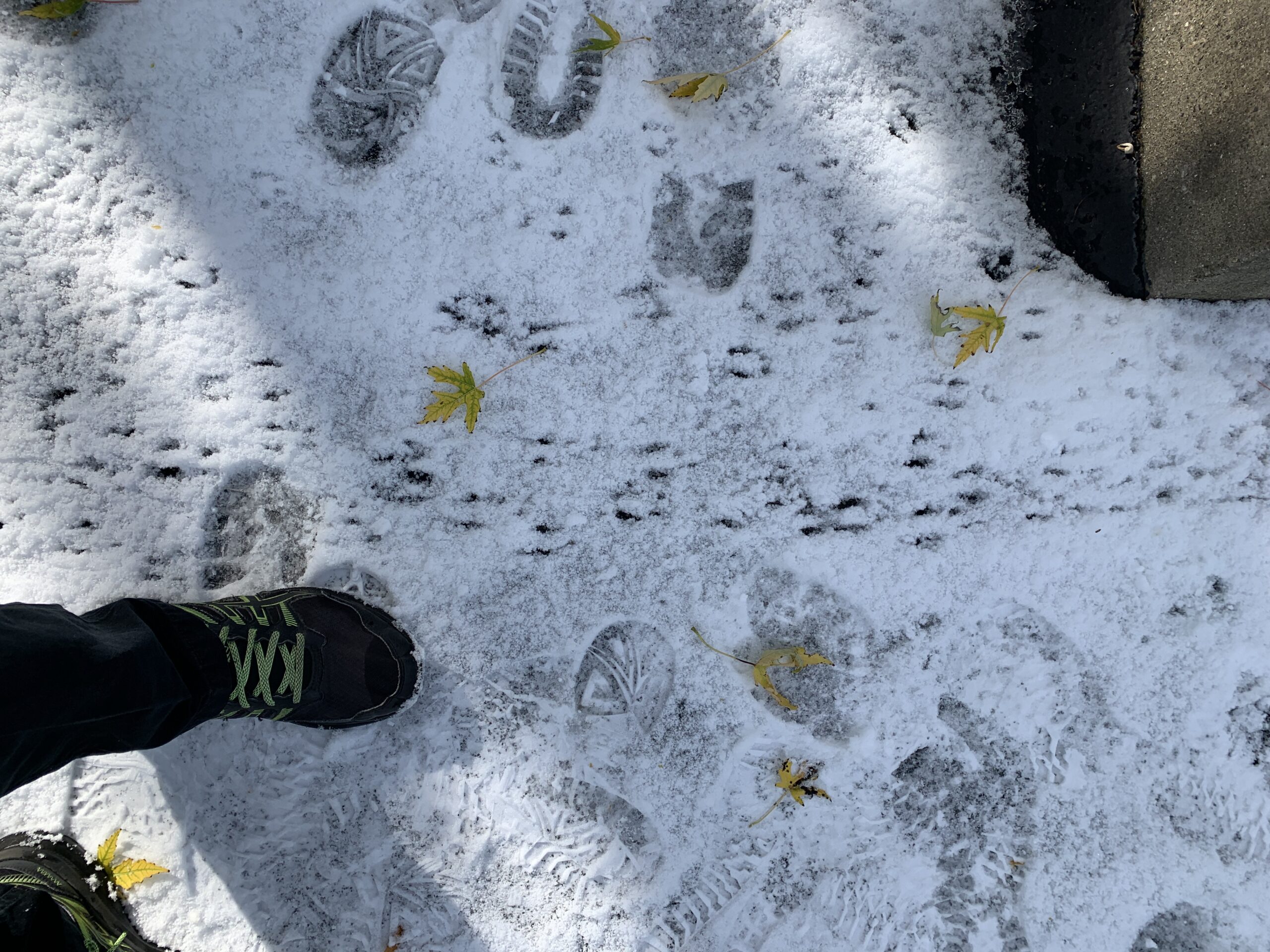
When that first snowfall hits Ohio, you notice a big change outside—quiet streets, covered lawns, and long stretches of cold air. What you don’t see right away is what’s happening near your foundation, roofline, and garage.
That first layer of snow tells small animals it’s time to move, and mice are often the first ones looking for shelter. You may not expect it, but mice in homes for the first snowfall is one of the most common early winter problems in New Albany.
You feel the cold on your skin, but mice feel it even more. They lose heat fast, need steady food, and can’t survive long when the ground freezes. That’s why snowfall mouse problems in Ohio begin almost immediately. Your warm home becomes the easiest and safest place to hide. When the snow hits, they take it as a signal to find a heated spot where they can survive the season.
This blog explains why mice move inside right after the first snowfall, the main reasons your home becomes their winter shelter, and how our team at Skedaddle Humane Wildlife Control in New Albany helps prevent mice after snow without placing work or risk on homeowners.
Cold Weather Pushes Mice Toward Warm Homes
The first snowfall marks a turning point. Temperatures drop sharply, winds pick up, and food becomes harder to reach. Even healthy mice can’t last long in freezing weather. Your home keeps steady heat, and that warmth leaks into areas mice can sense—like gaps near doors, vents, and basement walls.
Warm air coming out of your house acts like a signal. You may not feel it from the outside, but mice can detect changes in temperature from several feet away. They follow those warm pockets until they reach the edge of a building. The first goal is simply survival, and the fastest way to survive is to find a heated space and stay there.
Inside a basement or wall void, they find insulation to hide in and stable temperatures that stay far above freezing. Once they settle, winter becomes easier for them, and that’s when mice in homes for the first snowfall grow into bigger infestations.
Food Disappears Quickly After the First Snowfall
The biggest change mice notice after snow is how fast outdoor food sources disappear. Seeds get buried, grasses freeze, and insects go dormant. Even small natural shelters get covered, making it hard for them to find anything to eat.
Here are the main reasons snowfall mouse problems in Ohio grow fast once food disappears:
- They Lose Access to Natural Food Instantly: The first snowfall acts like a blanket covering everything they normally eat. Even a thin layer of snow blocks seeds, fruits, and plants they rely on. When they can’t reach their usual feeding spots, they head toward homes where food is easy to find.
- Homes Offer Steady, Easy Meals: Basements, kitchens, garages, and storage rooms often hold small traces of food. A tiny crumb or pet kibble is more than enough. The scent alone pulls mice closer, especially when outdoor food is limited.
- Trash, Compost, and Pet Food Become Major Attractants: A closed bin might seem secure, but even a small gap can release enough smell to bring mice toward your home. They know that where humans live, food is always nearby.
- Pantries and Storage Spaces Stay Warm: Warmth helps preserve their energy. When your home stays heated, mice can forage without losing body heat, making indoor food far more appealing than anything outside.
The first snowfall makes the food supply unpredictable outdoors and reliable indoors. That’s why preventing mice after the snow becomes so important for New Albany homeowners.
Mice Need Better Shelter Once Snow Covers the Ground
Snow changes the landscape completely. It covers hiding places and exposes small animals to predators. Mice are used to slipping under leaves, rocks, and roots, but after a snowfall, those spots become unsafe or blocked.
You may not notice these changes from your window, but they make mice far more desperate to find shelter. Your home offers exactly what they need.
Here’s why shelter becomes their biggest concern:
- Snow Removes Natural Hiding Spots: When the ground is covered, mice lose the small cracks and shaded areas they normally use to escape predators. A flat, white surface makes them easier to see and catch.
- Basements Stay Dry and Hidden: Cold, wet ground forces mice upward. Basements provide dry flooring, low noise, and dark corners, which help them stay unnoticed.
- Snow Pushes Them Toward Exterior Gaps: The first snowfall shows mice where warm air escapes. They follow these warm “tracks” into your home through tiny openings you may not even know exist.
- Indoor Nesting Becomes Much Easier: Your insulation, cardboard boxes, and stored items all make excellent nest materials. This lets mice build safe shelters fast and stay hidden for the rest of winter.
Warm, quiet spaces inside your home help them survive far more easily than anything outdoors.
The First Snowfall Triggers Nesting Behaviors
Mice don’t hibernate. They stay active all winter, but they move more cautiously when the weather turns harsh. The first snowfall signals that it’s time to build stronger nests and settle in for the long season.
You may hear small scratching noises in the walls, ceiling, or basement. These sounds often mean the nesting process has already begun. Mice choose indoor nesting for several reasons:
- Indoor Materials Help Them Stay Warm: Shredded insulation, paper, and fabric make excellent nests. These materials help them hold heat better than anything outside.
- Homes Offer Safer Nesting Spots: Attics, basements, and wall voids give them quiet and protection from predators. Even loud homes still feel safer than the open outdoors.
- Snow Makes Outdoor Nests Unreliable: Cold, wet conditions break down outdoor nests quickly. Mice move indoors to avoid rebuilding over and over.
- Nesting Leads to Faster Population Growth: Once mice settle inside, they breed more often. Even a small group can grow quickly during the winter months.
That’s why mice in homes for the first snowfall can turn into a much bigger problem by midwinter.
Frozen Ground Limits Their Movement and Forces Them Inside
Frozen soil becomes another major reason mice move indoors. They’re natural diggers, but when the ground freezes, tunnels collapse and become unsafe.
This leads mice to look for better shelter. Your home is the easiest option. Here’s how frozen ground changes their behavior:
- Tunnels collapse easily in frozen soil, leaving mice exposed and vulnerable.
- Cold temperatures can trap mice outside, preventing them from reaching their usual shelters or food sources.
- Homes provide reliable paths, like wall cavities or duct gaps, that stay warm year-round.
- Warm basements act like natural extensions of outdoor burrows, giving mice the underground feel they prefer but with more stability.
Because of these changes, snowfall mouse problems in Ohio often start in basements and spread outward into other parts of the home.
How Our Professionals Prevent Mice After Snow Without Risk to You
You should never try to manage mice, seal entry points, or disturb nesting sites yourself. Our team at Skedaddle Humane Wildlife Control in New Albany handles everything safely and humanely.
We focus on long-term prevention that doesn’t rely on DIY methods or store-bought traps. Our trained technicians inspect your home from the outside, identify every gap, and use secure methods to guide animals out through one-way doors so they can’t return. After they leave, we seal and protect those openings with materials built to last.
You get a home that stays safe even when winter conditions worsen.
A Smarter Way to Handle Mice After the First Snowfall
When you see the first snowfall, you may not realize how much life is shifting just outside your walls. Mice feel the change instantly. By understanding why they move in, you’re better prepared to take the right steps and avoid problems inside your home.
Skedaddle Humane Wildlife Control in New Albany helps homeowners handle mice in homes for the first snowfall, snowfall mouse problems in Ohio, and the best ways to prevent mice after snow. Request an estimate to learn more about how we keep your home protected all winter long.

 Loading...







