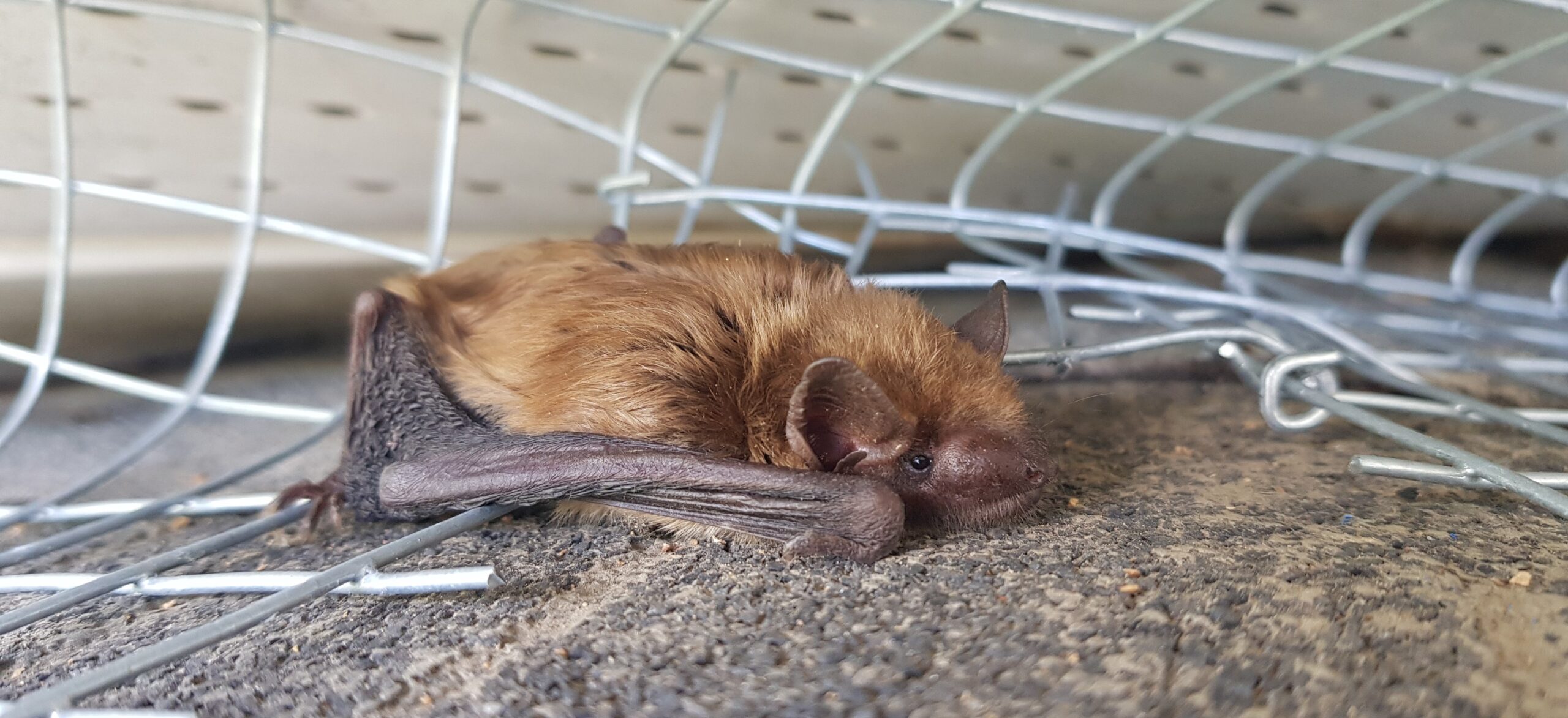
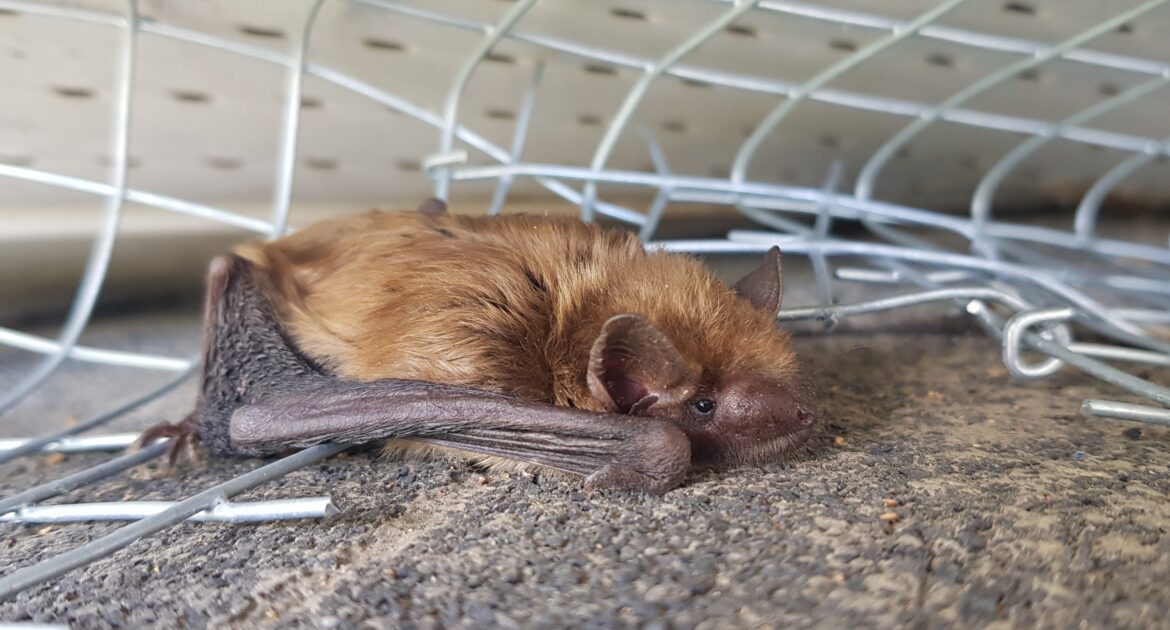
You might not think much about bats in the winter, but they don’t just disappear. When the temperature drops, bats face big changes in how they live. They can’t find insects to eat, so they need another plan to survive the cold. That’s why bat hibernation in Etobicoke is so important right now.
So, what are bats doing this time of year? Many of them are going into hibernation, while others may end up in homes and buildings by mistake. This kind of seasonal bat behaviour in the winter often leads them to enter your attic.
At Skedaddle Humane Wildlife Control in Etobicoke, we see families struggle when bats end up inside. Knowing what bats do in winter helps you understand why they show up in homes and why professional help is needed.
In this guide, we’ll explain bat behaviour during winter, why attics become a problem spot, and how professionals keep homes safe.
Why Bats Hibernate in Etobicoke
When winter arrives, bats face one big challenge—there aren’t enough insects to eat. Since bats feed mostly on flying bugs, they can’t stay active during cold months. Hibernation is their survival strategy.
During bat hibernation in Etobicoke, they slow down their heartbeat and lower their body temperature. This helps them save energy until spring, when insects return. Some of them head to caves or old mines, but in cities, these places may not exist. That’s when attics, barns, and sheds start looking like good spots to spend the winter.
Seasonal Bat Behaviour in the Winter
You might be surprised by how adaptable bats are when the cold months arrive. Their behaviour changes in several important ways, and these changes explain why so many homeowners in Etobicoke discover bats in attics during the winter season. Here’s what these animals are doing this time of year:
Finding Shelter
When temperatures fall, bats search for dark, warm spaces that protect them from the cold. In nature, they often choose caves, hollow trees, or rock crevices. In the city, though, they may turn to attics, walls, or rooflines. These areas provide the safety and warmth they need to survive the season.
Entering Torpor
Bats slow their bodies down during the winter in a state called torpor, which is similar to a deep sleep. Their heart rate drops, and they use far less energy. This lets them survive long periods without food. To an untrained eye, it may look like the bats are completely inactive.
Occasional Waking
Even in hibernation, bats don’t stay asleep the whole winter. They may wake up every few weeks to change positions, drink water, or find a more comfortable spot. Sometimes, these brief wake-ups cause them to fly around inside a home, which is often how families discover there’s a problem.
Searching for Water
Moisture is still important for bats in winter. A leaky roof, damp basement, or even standing water outside can give them the hydration they need. This makes some homes more attractive than others, especially if those water sources are close to their shelter.
Group Roosting
Bats often huddle together in groups during the colder months. This behaviour helps them share body heat and survive harsh conditions. When this happens in an attic, it means more droppings, stronger odours, and a greater risk of damage inside the home.
Producing Guano
Even while hibernating, bats leave droppings, called guano. Over time, this builds up and creates health risks. Guano can carry a fungus that spreads through the air when disturbed, leading to respiratory problems. Homeowners rarely realize how quickly these piles can grow until the smell becomes overwhelming.
Seeking Quiet Spaces
Bats choose areas where they won’t be disturbed. That’s why attics and unused parts of homes are so attractive—they’re quiet, dark, and hidden from people and pets. Once they find these safe spaces, they are likely to stay put until spring unless professionals intervene.
Avoiding Predators
Winter makes bats vulnerable, so they look for places where predators can’t reach them. Birds of prey and other animals that hunt bats have a harder time catching them inside homes. This instinct to hide explains why they squeeze into small cracks in roofs, soffits, and vents.
Delaying Reproduction
Bats don’t usually give birth in the winter. Instead, they delay reproduction until spring when food is plentiful. However, females may carry sperm through the winter, storing it until the right time. This cycle means that bats you see in winter are often preparing for new pups once the weather warms up.
Waiting for Spring
At the end of winter, bats become more active as they prepare to leave their shelter. They’ll start moving around more often and looking for food sources outside. For homeowners, this can mean more sightings and noise as bats get restless before returning outdoors for the warmer months.
Why Bats End Up in Attics During the Winter Season
Attics provide everything bats need for hibernation. They’re warm, dark, and protected from the weather. For them, an attic feels like a safe den.
But for homeowners, these animals in attics during the winter season create serious problems:
- Noise: Scratching or squeaking can be heard, especially when bats wake up.
- Droppings: Guano builds up and can damage insulation or wood.
- Health risks: Droppings may carry spores that affect air quality and cause illness.
Most families don’t realize bats are inside until they see one flying in a room. That’s why prevention and professional inspection are so important before winter sets in.
Seasonal Myths
Many people misunderstand bat behaviour in winter. Let’s clear up some common myths:
- Myth 1: They migrate like birds. Some travel south, but many stay local and hibernate in buildings.
- Myth 2: They stay active in winter. In reality, most enter hibernation to survive the season.
- Myth 3: They always live in caves. In urban areas, they often choose attics and walls instead.
Knowing the truth helps families understand why bat hibernation in Etobicoke is such a common issue.
What To Do If You Suspect Bats in Your Attic
If you think bats are in your home, the best step is to call our professionals right away. Look out for:
- Strange noises at night.
- Droppings in the attic or near vents.
- A strong, musty odour.
- Actual sightings of bats indoors.
When you see these signs, don’t wait. The sooner you act, the easier it is to solve the problem before damage gets worse.
The Role of Professional Etobicoke Wildlife Control
At Skedaddle Humane Wildlife Control in Etobicoke, we know how to keep families safe while respecting these animals. Our process includes:
- Careful inspections to spot where bats enter homes.
- Use of one-way doors (similar to those we use for raccoons) that let bats leave but not return.
- Sealing of gaps and weak points so future infestations don’t happen.
- Cleaning and removing guano so air quality is restored.
Our approach means bats can leave safely, but your home remains protected long-term.
Keep Your Home Safe During Bat Season: Call the Experts in Etobicoke Wildlife Control
With years of experience in Etobicoke, we know local bat behaviour and the risks it brings. We don’t just remove bats—we stop the cycle by sealing homes and preventing re-entry. Our team uses safe practices that protect both people and animals. Families trust us because our solutions last, even during heavy bat hibernation in Etobicoke months.
So, what are bats doing this time of year? They’re looking for safe places to hibernate. That means bat hibernation in Etobicoke often takes place in attics or walls. This seasonal bat behaviour in the winter creates risks, especially when you discover bats in attics during the winter season.
You don’t have to deal with this alone. At Skedaddle Humane Wildlife Control in Etobicoke, we provide proven services that remove bats, clean damage, and prevent future infestations. Request an estimate today to learn more and protect your home this winter.

 Loading...







