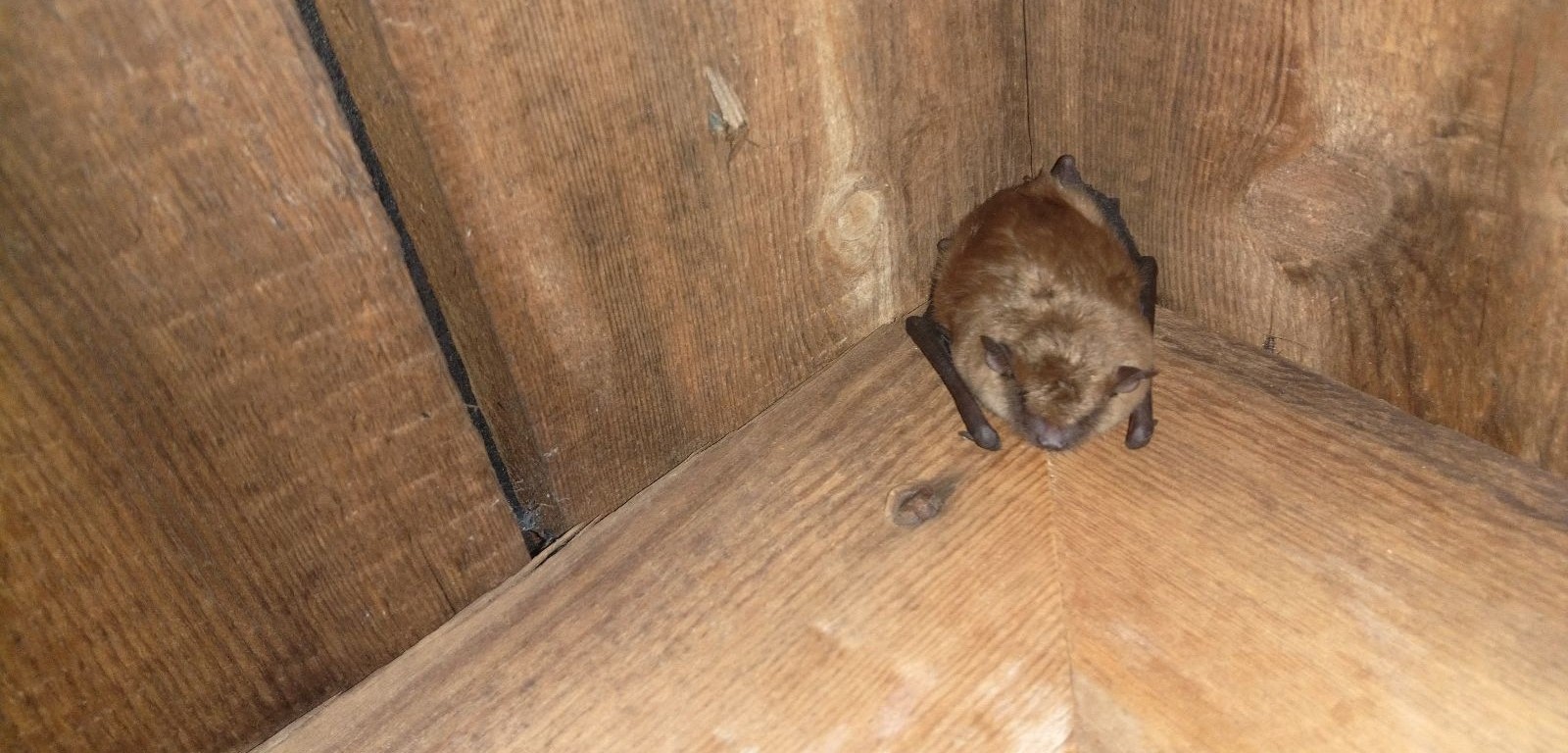
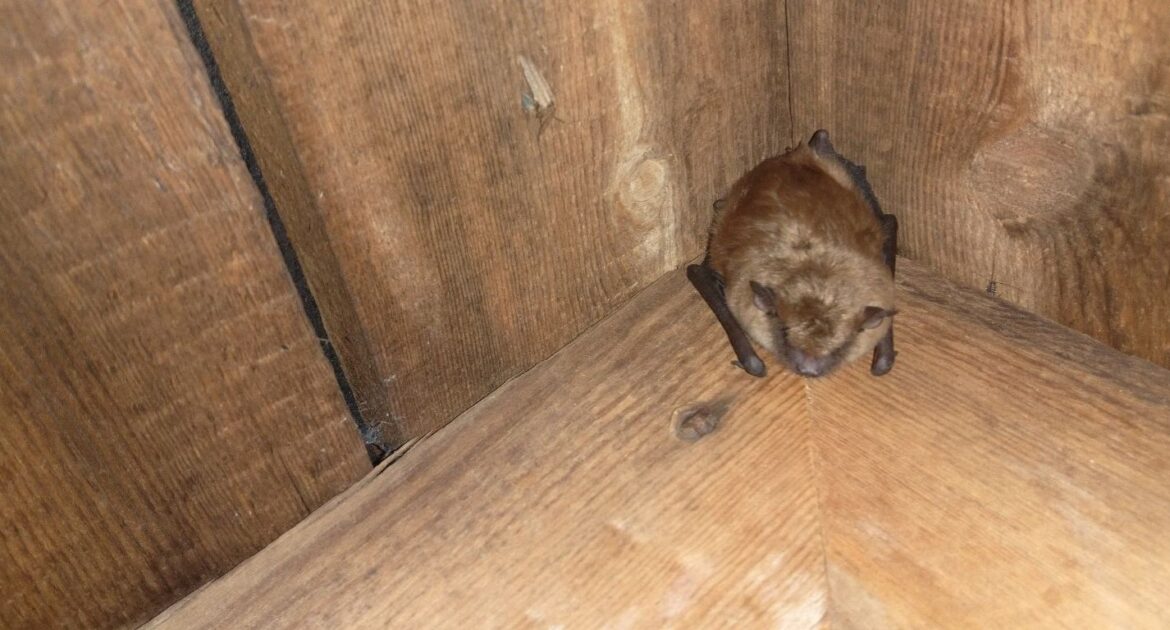
It is late at night. The house is quiet, and you are just about to fall asleep. Suddenly, you hear a strange sound coming from the ceiling. It sounds like soft scratching or a tiny squeak. You might wonder if your mind is playing tricks on you, or if maybe the wind is blowing outside.
However, if these sounds happen often, you might have guests living above your head. Many homeowners in Hamilton do not realize they have animals sharing their home until the problem becomes big.
If you suspect you have a bat infestation in your attic, it is important to act fast. These animals can squeeze into very small spaces and make themselves comfortable. While they are great for eating mosquitoes outside, you definitely do not want them living inside your walls or roof.
Knowing the signs of bats in the attic is the first step to protecting your home. These clues can be subtle at first. You might miss them if you do not know what to look for.
At Skedaddle Humane Wildlife Control in Hamilton, we want to help you spot these indicators early. By catching the issue quickly, you can save your home from damage and keep your family safe. Let’s explore the top six signs that tell you these nocturnal flyers have moved in.
- Strange Noises at Dawn and Dusk
One of the first things people notice is sound. Unlike raccoons that sound like heavy thumping, or squirrels that run fast during the day, these winged animals are different. They are nocturnal, which means they are awake when you are trying to sleep.
You will usually hear them right around sunset or just before the sun comes up. This is when they are leaving to hunt for food or coming back to sleep for the day. The sounds are not usually loud, banging noises. Instead, you might hear:
- Scratching: This happens when they crawl up and down the walls or along the drywall. They have small claws that make a scratching noise against wood and plaster.
- Squeaking: These animals talk to each other. You might hear high-pitched chirps or squeaks coming from the ceiling.
- Fluttering: If they are moving around in a tight space, you might hear the soft sound of wings flapping.
- Rustling: It might sound like something is moving through the insulation or paper.
If you hear these noises, it is a strong clue. However, because they are quiet animals, you might not hear them every single night. If the colony is small, they can be very silent. But if you hear scratching inside your walls, specifically at nightfall, it is very likely you have bats in the roof or walls.
- Piles of Droppings (Guano)
Seeing droppings is a very clear sign that animals are present. The waste left behind by these flyers is called guano. At first glance, it might look like mouse droppings, but there are some big differences. Finding this in your attic or around the outside of your house is a major red flag.
You will typically find these droppings in piles rather than scattered around like mouse waste. This is because these animals hang in clusters to sleep, so the waste piles up directly underneath them.
Here is how you can tell if it is guano:
- Texture: It is usually dry and crumbly. If it is touched (which you should never do safely), it turns to dust.
- Appearance: It is dark in colour, often black or dark brown.
- Shine: Because these animals eat insects, their waste often has shiny specks in it from bug wings and shells.
- Location: You will often find it near entry points, on attic insulation, or even on your porch or windowsill outside.
If you see these piles, please do not touch them. Guano can carry a fungus that causes a sickness called histoplasmosis. It is dangerous to breathe in the dust from these droppings. Our team at Skedaddle knows exactly how to remove this waste safely without putting anyone at risk. We use special equipment to clean the area so your home is safe again.
- Dark, Oily Stains on Entry Points
These animals have natural oils on their fur. Because they have to squeeze through tiny gaps to get into your home, this oil rubs off on the building materials. Over time, this leaves a noticeable mark.
If you look at the outside of your house, you might see these stains. They look like dirty, dark smudges. You will usually find them high up near the roofline. These animals can fit through a hole as small as a dime, so even a tiny crack can be a door for them.
Look for these greasy brown or black marks in these areas:
- Soffits and Fascia: The gap between the roof overhang and the wall is a common door.
- Vents: Ridge vents or gable vents often have small openings that animals can use.
- Chimneys: Loose bricks or gaps near the chimney flashing are common spots.
- Bricks and Siding: Anywhere there is a gap where building materials meet.
These stains are a sign of high traffic. It means animals are coming and going frequently. If you see these marks, do not try to seal the hole yourself. If you close the hole while they are inside, they will be trapped. They might try to find a way out into your living rooms, or they will perish inside the walls, causing a terrible smell. We can identify these entry points and handle the situation correctly.
- A Strong Ammonia Smell
Have you noticed a strange, bad smell in your house that will not go away? If there is a large group of animals living upstairs, you will eventually smell them. The odour is very distinct. It smells like ammonia or strong urine.
This happens because the waste accumulates in one spot. As the urine and droppings pile up on the insulation or wood, the smell gets stronger. This is especially true during the hot summer months. The heat in the attic cooks the waste, making the odour much worse.
This smell can seep down into your bedrooms or hallway. It is unpleasant and can make your home feel dirty. Sometimes, the smell is the first thing a homeowner notices before they ever hear or see anything. If you smell something sharp and musky that reminds you of a dirty litter box, you likely have a bat infestation in your attic.
We understand that you want this smell gone immediately. However, spraying air freshener will not fix it. The soiled insulation and wood need to be professionally cleaned or removed. Our team at Skedaddle helps remove the contaminated materials so your home smells fresh and clean again.
- Seeing Them at Sunset
Sometimes, the best way to know if you have bats in the roof is to watch your house from the outside. Since these animals sleep all day, they wake up to hunt when the sun goes down.
If you go outside around dusk, look up at your roofline. You might see them swooping out of a hole in your eaves or vents. They usually fly out one by one. They might circle the house a few times before flying off to find insects.
You might also see them returning early in the morning, right around sunrise. Watching them enter or exit your home gives you exact proof of where they are living.
Here is what to look for when you are watching your roof:
- Swooping movement: They fly in erratic, jagged patterns, not smooth lines like birds.
- Silence: You usually will not hear them flapping; they are very quiet flyers.
- Location: Focus your eyes on the peaks of the roof, the chimney, and the vents.
If you see them flying around your yard, that is normal. But if you see them flying out of your house, that is a sign they are living with you. It is important to call us when you notice this. We can inspect the area you were watching and confirm if it is an active entry point.
- Stains on Your Ceiling or Walls
In severe cases, the waste from the colony can actually damage your home’s structure. The urine and oils from the droppings can soak through the insulation and wood. Eventually, this can bleed through to your drywall.
You might notice yellow or brown stains appearing on your ceiling. It might look like a water leak from rain, but if you check the roof and it is dry, it could be from animals. These stains often come with that strong ammonia smell we talked about earlier.
This is a sign that the problem has been going on for a while. The buildup of waste is heavy enough to soak through building materials. This is not something you can just paint over. The drywall itself is damaged and dirty.
At Skedaddle, we see this often. We know that just fixing the cosmetic stain is not enough. We have to stop the animals from adding to the mess first. Then, we can help you understand what needs to be done to fix the damage safely.
Protect Your Home from Bats Today
Your home is your safe place. You should not have to share it with wild animals. If you have noticed scratching noises, dark droppings, oily stains, or bad smells, do not wait. These signs of bats in the attic mean it is time to take action. The longer you wait, the bigger the mess becomes.
If you ignore the problem, the colony can grow larger. This leads to more damage and higher repair costs later on. You deserve a clean, quiet home.
Let our team at Skedaddle Humane Wildlife Control in Hamilton handle the hard work for you. We have the experience and the tools to remove these unwanted guests safely and humanely.
Do you suspect you have a wildlife issue? Request an estimate from us today to learn more about how we can help you.

 Loading...







