Nesting birds on your property can cause real damage if they’re not handled the right way. Droppings, nesting materials in vents, and blocked drainage areas can all create health and safety problems that get worse over time. The good news is that deterring them doesn’t have to mean harming them, and Skedaddle Humane Wildlife Control in Hennepin County handles this the right way from start to finish.
You might notice birds coming back to the same spot on your roof, near your vents, or along your window ledges year after year. This happens because they remember spots that worked for them before, and without the right deterrents in place, they’ll keep coming back. Our professional approach removes them safely and puts the right tools in place so they don’t return.
This article is for any homeowner in Hennepin County dealing with nesting activity on their property and wondering what can actually be done about it. You’ll learn why birds choose certain spots, what a humane and professional deterrent process looks like, and how our team at Skedaddle handles the whole thing so you don’t have to.
Why Would a Bird Nest on a Window?
Birds nest on windows because the ledge, frame, or nearby surface offers a flat, sheltered spot that feels safe and protected. Window ledges mimic the natural surfaces birds look for in the wild, like rock faces and tree branches, which makes them surprisingly attractive nesting sites.
Warmth also plays a role. Windows often retain heat from the sun, which makes the surrounding area more comfortable for nesting, especially during the early spring when temperatures are still cool. A south-facing window ledge that catches afternoon sun can look like a very appealing option to a bird searching for the right spot.
This kind of nesting tends to repeat year after year once a spot has been used successfully. The same features that made the window ledge attractive the first time are still there the next season, which is part of why our professional deterrent methods matter so much for lasting results.
Why Nesting Activity on Your Property Is a Real Problem
Nesting activity might seem harmless at first, but it can cause a range of problems that grow the longer it goes unaddressed. Several specific issues explain why a professional response matters.
Droppings are one of the most immediate concerns. They can build up quickly on rooflines, ledges, and outdoor surfaces, creating slipping hazards and long-term damage to paint, wood, and roofing materials. Inhaling particles from dried droppings can also lead to serious respiratory infections, including a condition called histoplasmosis.
Nesting materials in vents are another serious risk. When materials are packed into exhaust vents, they can block airflow and create fire hazards inside the home. This is especially common with certain species that prefer enclosed, warm spaces for nesting. Catching this kind of activity early prevents a small problem from becoming a dangerous one.
Step 1: Assess and Remove
Before any deterrents can be put in place, our team needs a clear picture of what’s happening and where. A proper assessment is the first step in any effective, humane deterrent process.
- Identifying the Species and Situation: Our technicians start by observing which species are present and checking whether active nests with eggs or young are involved. This matters because different species respond to different deterrents, and the situation on the ground affects what steps can be taken right away. A careful first look gives us the information we need to plan the right response. Skipping this step often leads to a plan that doesn’t fully fit the problem.
- Legal Compliance Comes First: It is illegal to disturb an active nest that contains eggs or dependent young. Our team knows exactly when and how to legally encourage nesting activity to wrap up before any deterrents are installed. This legal awareness is part of what separates our professional approach from a rushed one. Getting this timing right protects both the birds and the homeowner from potential legal issues.
- Assessing the Full Extent of the Activity: Our team checks rooflines, vents, attics, and ledges to get a full picture of how far the activity has spread and what damage may already be in place. This full assessment helps us catch problems that might not be visible from the ground. It also helps us identify the most vulnerable spots that need protection once the active nesting has ended. A thorough check at this stage makes every step after it more effective.
- Safety is Part of Every Assessment: Working on rooflines and in elevated areas requires the right equipment and training to do safely. Our team is equipped to check these areas properly without putting anyone at risk. This is one of the key reasons why our professional assessment matters more than a casual look from the ground. A safe inspection leads to a safer outcome for everyone involved.
Step 2: Clear and Clean
Once an active nesting situation has been properly handled, the next step is clearing out what was left behind. This step protects the health of everyone in and around the property.
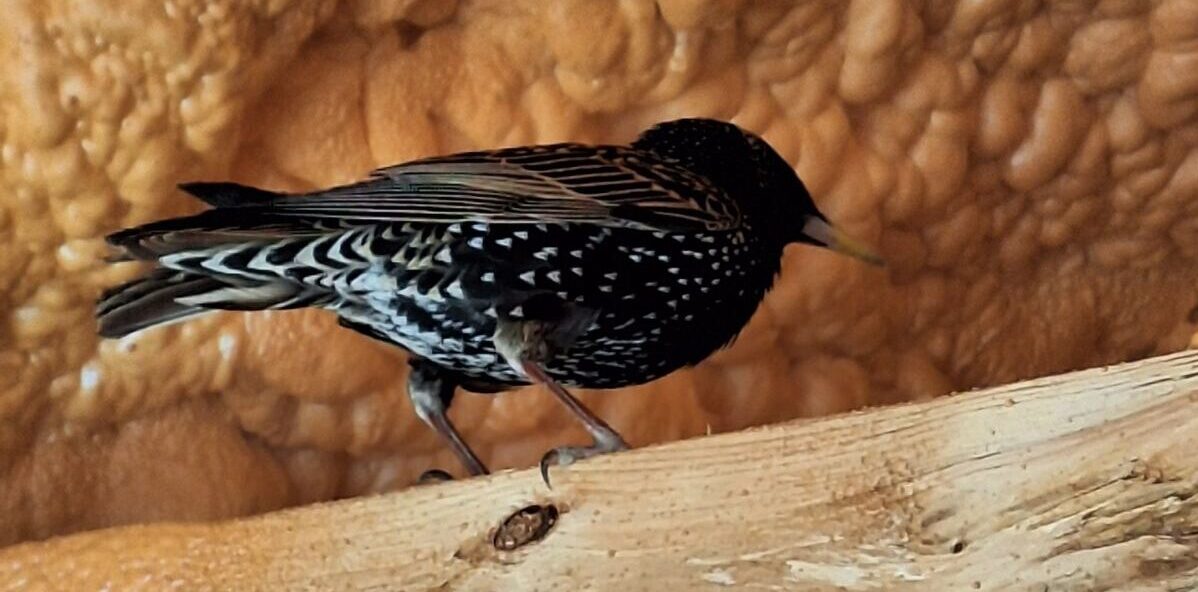
- Removing Nesting Materials from Vents: Species like starlings and sparrows often nest in exhaust vents, packing them with materials that block airflow and create fire hazards. Our team removes all of this material carefully and completely so the vent can function the way it should. This isn’t a job that can be done safely or thoroughly without the right tools and training. Leaving materials behind, even partly, can keep the problem going.
- Professional Sanitization of Affected Areas: After nesting materials are removed, our team cleans and treats the affected areas with professional-grade products that eliminate droppings, odors, bacteria, and parasites. Droppings from certain species can carry particles that become dangerous when inhaled, which is why this step needs to be done properly and not skipped. Standard cleaning products are not strong enough to fully address this level of contamination. Our team handles it fully so the area is truly safe once the job is done.
- Checking for Structural Damage: Nesting activity and the buildup of droppings and moisture can cause damage to roofing materials, soffits, and woodwork over time. Our team checks for this damage as part of the clear and clean phase so nothing gets missed before the prevention work begins. Identifying damage early helps prevent it from getting worse during future seasons. This thorough approach protects the long-term condition of the property.
Step 3: Prevent and Protect
Keeping nesting activity from returning is the most important part of the whole process. Several specific deterrent methods work together to make a property far less appealing for future nesting. Each one plays its own role in a layered approach that holds up over time.
- Physical Barriers Over Open Vents: Galvanized steel screens and custom-fit protective covers are placed over all open vents to block access completely. These covers are built to hold up against weather and determined birds that try to push through basic materials. Vents are one of the most common and most risky nesting spots on a property, which is why this step gets priority. Proper coverage removes the access point entirely rather than just making it harder to use.
- Heavy-duty netting for Large Open Areas: Netting is stretched across larger spaces like under solar panels, along open eaves, and beneath awnings to block nesting access completely. This netting is built to hold up outdoors over time and is nearly invisible once installed. It works especially well in spots where screens or covers aren’t a practical fit. Combining netting with other deterrents gives the property layered protection that’s much harder to work around.
- Custom Deterrents for Ledges and Beams: Professional deterrent tools are placed along ledges, beams, and gutter edges to make landing and perching uncomfortable without causing any injury. These tools are designed specifically to deter without harm, which is what makes them a preferred professional option. They work best when placed precisely along the specific surfaces where activity has been observed. This targeted approach is far more effective than a general deterrent placed without a proper assessment.
- Habitat Modification Around the Property: Overhanging tree branches near rooflines give birds an easy bridge to the roof and a perch point close to the home. Trimming these branches back removes one of the main pathways that brings nesting activity to the property in the first place. This kind of habitat adjustment makes a property noticeably less appealing without any harm to the birds themselves. It’s one of the longer-lasting changes that supports every other deterrent already in place.
Bird Prevention and Removal with Skedaddle
Our team at Skedaddle follows a complete three-step process for every nesting situation: assess and remove, clear and clean, and prevent and protect. This full approach makes sure nothing gets skipped and the results actually last.
Once the assessment is done and the area is cleared, we install the right combination of deterrents based on what we actually found on the property. This tailored approach works better than a one-size-fits-all solution because each property has its own specific vulnerabilities. We match the deterrents to the problem rather than using the same setup everywhere.
After the work is done, our team backs the prevention work with a guarantee that gives homeowners confidence the problem won’t return through the same spots. Our goal is always a complete and lasting result, not a quick fix that leaves the door open for the same issue next season.
Bird Concerns in Hennepin County
Hennepin County’s mix of urban neighborhoods, parks, and waterways creates ideal conditions for a wide range of nesting activity throughout the year. Many residential areas have mature trees, older rooflines, and architectural details that offer plenty of spots birds find attractive. Properties near lakes and green spaces tend to see more consistent nesting pressure than those in more densely developed areas.
The region’s seasonal patterns also play a role, with spring bringing the most intense nesting activity as species search for spots to raise their young. This seasonal timing means homeowners who don’t have deterrents in place before spring are often caught off guard when activity picks up quickly. Getting our professional deterrents installed before the season starts is the most effective way to stay ahead of the problem.
Cold winters in Minnesota also affect which species are present and when, since some leave the region seasonally while others stay year-round. Year-round residents can begin scoping out nesting spots earlier than expected, which makes late winter and early spring the most important window for inspection and prevention work in this area.
Frequently Asked Questions
Is it legal to remove a bird's nest from my property?
It depends on whether the nest is active or not. If eggs or young are present, it is illegal to disturb the nest under federal law. Our team knows how to assess the situation and move forward legally based on exactly what's found. This legal knowledge is one of the key reasons why our professional help matters so much in these situations.
How do I know if a bird is nesting in my vent?
Common signs include rustling or chirping sounds coming from the vent, reduced airflow from the vent opening, and visible nesting materials poking out from the vent cover. You might also notice a buildup of debris around the outside of the vent. Our professional inspection can confirm whether activity is present and how far along it is. Catching this early makes the cleanup and prevention process much simpler.
Can nesting in vents cause a fire?
Yes, nesting materials packed into exhaust vents can block airflow and create a fire hazard over time. The buildup of dry nesting material close to a heat source is a serious risk that shouldn't be ignored. This is one of the most serious risks associated with nesting activity on residential properties. Getting vents cleared and properly covered is one of the most important steps in protecting your home.
Will birds come back to the same spot next year?
Yes, many species return to the same nesting spot year after year if the conditions are still favorable. They remember spots that worked well before and will try to use them again the following season. This is why our professional deterrents need to be in place before the next nesting season begins. Without proper protection, the same spot is very likely to see repeat activity.
Are bird deterrents harmful to the birds?
No, our professional deterrents netting and screens are designed to make surfaces unattractive or hard to access without causing any harm. These tools simply make a spot uncomfortable or impossible to land on, which encourages birds to look elsewhere. Humane deterrence is the standard approach used by our professional wildlife control team. The goal is always to protect your property without causing any injury to the birds involved.
Ready to Keep Nesting Activity Off Your Property for Good?
Nesting activity that goes unaddressed can lead to blocked vents, damaged rooflines, and real health concerns for your household. What starts as a small problem in one spot can grow and spread to other parts of your property if the right deterrents aren’t put in place. The right protection, installed at the right time, is what actually stops the problem from coming back season after season.
Timing matters a lot with this kind of work. Waiting until nesting is already underway limits what can legally and safely be done right away. Getting ahead of the season is always the better move, and our team can help you figure out exactly what your property needs before the next wave of nesting activity begins.
At Skedaddle Humane Wildlife Control in Hennepin County, we assess your property, clear out what’s been left behind, and install professional deterrents that last. We handle every step so you don’t have to worry about what to do or whether it’s being done the right way.
Request an estimate today and let our team put the right protection in place before the next nesting season begins.

 Loading...