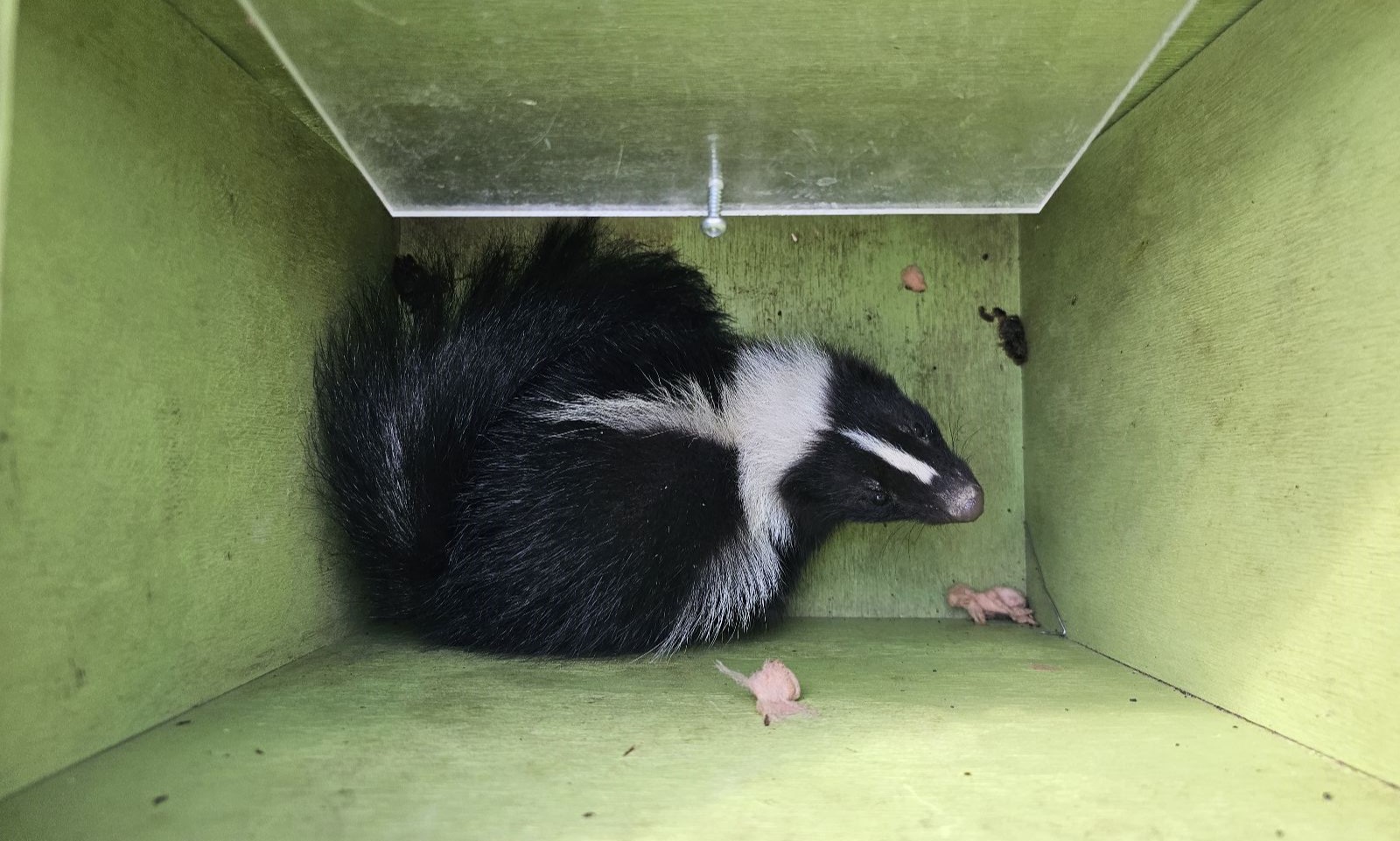
Spring in Hamilton brings warmer temperatures, longer days, and a surge of wildlife activity as animals begin raising their young. While many homeowners expect to see raccoons, squirrels, and skunks in their neighbourhoods, few expect to discover a family living inside their attic, soffit, or walls. Yet these sheltered spaces often provide the perfect nursery for mothers looking for a safe place to care for their babies.
When young wildlife is found inside a home, the goal shouldn’t simply be to remove the animals; it should be to keep families together whenever possible. Baby animals are often too young to leave the den on their own, making humane wildlife control especially important during the spring and early summer months.
At Skedaddle Humane Wildlife Control, we’ve developed a unique Baby Box System that allows us to safely remove young animals from a home while giving the mother the opportunity to retrieve and relocate them naturally. It’s a compassionate approach that protects your property while respecting the bond between wildlife mothers and their young.
Why Reuniting Wildlife Families Matters
For wildlife mothers, finding a safe place to raise their young is essential. Attics, soffits, and wall cavities often provide the warmth and protection they need during baby season. When babies are removed without considering the mother, they can become separated from the only source of care they have. Humane wildlife control focuses on keeping families together whenever possible, allowing mothers to continue caring for their young while safely moving them to a more suitable location outside the home.
Understanding Baby Season in Hamilton
For many wildlife species, spring is all about raising the next generation. As temperatures warm up across Hamilton, mother animals begin searching for safe, sheltered places where they can give birth and care for their young.
Unfortunately, those locations are often inside homes.
Some of the most common animals that use residential structures as nursery sites include:
- Raccoons seeking quiet attic spaces
- Squirrels nesting in soffits and rooflines
- Skunks denning beneath decks and sheds
- Bats forming maternity colonies in attics and wall cavities
To a mother animal, your home can offer everything she needs: warmth, protection from predators, and shelter from unpredictable spring weather.
Because newborn wildlife are completely dependent on their mothers, removing them requires special care and expertise. At this stage, babies are often unable to walk, climb, or leave the den on their own. That’s why humane wildlife control during baby season focuses not just on removing animals from a home, but on ensuring families remain together throughout the process.
What Makes Skedaddle’s Baby Box System Different?
When baby wildlife are discovered inside a home, simply removing them isn’t enough. The real challenge is ensuring the mother can find and care for her young after they have been safely removed from the den site.
That’s where Skedaddle’s Baby Box System comes in.
Unlike traditional wildlife removal methods that can separate mothers from their offspring, our process is designed to support natural reunification. After carefully removing the babies by hand, our technicians place them into a specially designed baby box located near the original entry point.
The Baby Box is designed to provide:
- Protection from wind and rain
- A warm, sheltered environment
- A safe temporary space for babies who cannot move on their own
- Easy access for the mother to retrieve her young
Because every species and litter is different, our technicians carefully assess the age and condition of the babies to ensure they receive the appropriate level of care during the reunification process.
The result is a humane solution that allows wildlife families to stay together while helping homeowners resolve wildlife conflicts safely and effectively.
Creating a Safe Temporary Home for Young Wildlife
Newborn wildlife are incredibly vulnerable. Many are unable to regulate their own body temperature, move independently, or survive for long periods without their mother. That’s why every detail of the Baby Box System is designed with their safety and comfort in mind.
After babies are carefully removed from the den site, they are placed in a specially designed enclosure that protects them while they wait for their mother to return.
| Baby Box Feature | Why It Matters |
| Weather-Protected Design | Shields babies from rain, wind, and changing weather conditions. |
| Built-In Heating System | Helps keep young animals warm during cool spring temperatures. |
| Secure Placement Near Entry Point | Makes it easier for the mother to locate her young. |
| Original Nesting Material Inside | Provides familiar scents and additional insulation. |
| Two-Way Access Door | Allows the mother to enter, care for, and retrieve her babies naturally. |
| Species-Specific Approach | Ensures the needs of different animals and ages are properly considered. |
The goal isn’t simply to house the babies temporarily. It’s to create an environment that feels safe and familiar enough for the mother to confidently continue caring for her young.
By combining warmth, protection, and an understanding of wildlife behaviour, the Baby Box System helps give families the best possible chance of a successful reunification.
Using Natural Instincts to Bring Mothers and Babies Back Together
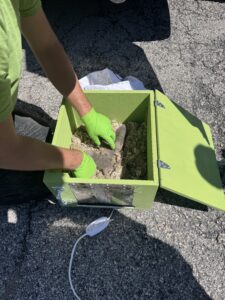 One of the most remarkable parts of the Baby Box System is that it works with nature, not against it.
Mother wildlife have incredibly strong instincts when it comes to caring for their young. Even after babies have been safely removed from an attic or wall cavity, the mother will actively search for them. Our job is to make that process as natural and stress-free as possible.
To help guide the mother back to her babies, our technicians place some of the original nesting material inside the Baby Box. This familiar scent helps create a connection between the babies and their previous den site.
Several factors work together to encourage a successful reunification:
- The Baby Box is positioned close to the original entry point.
- Familiar nesting materials help the mother recognize the location.
- The heated environment keeps the babies comfortable while they wait.
- A specially designed two-way door allows the mother to enter and leave freely.
- The mother can relocate her babies at her own pace.
In many cases, mothers will return shortly after the babies have been placed inside the box. One by one, they carefully move their young to a new den site that better suits their needs.
This process not only keeps wildlife families together, but also significantly reduces the stress that can occur when animals are handled improperly. By understanding and respecting natural wildlife behaviour, Skedaddle helps achieve a humane outcome for both homeowners and the animals involved.
Why Professional Training Is Essential During Wildlife Baby Season
At first glance, removing baby animals from an attic or wall may seem straightforward. In reality, it requires extensive training, specialized equipment, and a deep understanding of wildlife behaviour.
One of the biggest challenges is ensuring every baby is found. Young raccoons, squirrels, and other animals are often hidden deep within insulation, tucked inside soffits, or concealed behind walls. Missing even one baby can create serious problems for both the animals and the homeowner.
Professional wildlife technicians know how to:
- Locate hidden den sites
- Identify the age and condition of the babies
- Handle young animals safely and carefully
- Reduce stress on the mother during the removal process
- Ensure the entire litter is successfully reunited
The mother’s behaviour is another critical factor. If she becomes overly stressed or threatened, there is a greater risk that she may abandon the den site altogether. That’s why every step of the Baby Box process is carefully designed to encourage a calm and natural reunification.
At Skedaddle, our technicians are trained to handle these delicate situations with precision and care. By combining hands-on experience with a thorough understanding of wildlife behaviour, we help ensure the best possible outcome for both the family living in the home and the family living inside it.
Humane Wildlife Control Backed by Decades of Experience
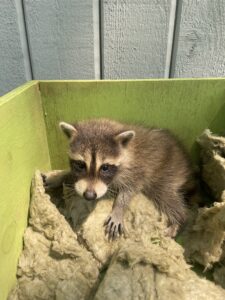 At Skedaddle, keeping wildlife families together isn’t a new idea, it’s been part of our approach since the company was founded in 1989. Over the years, we’ve helped thousands of homeowners resolve wildlife conflicts while prioritizing the well-being of both people and animals.
The Baby Box System is just one example of how our methods differ from traditional wildlife removal practices. Rather than relying on approaches that can separate mothers from their young, we focus on solutions that work alongside natural wildlife behaviour.
Our humane approach is built on:
- More than 35 years of wildlife removal experience
- Species-specific techniques for different animals and situations
- Extensive training in wildlife behaviour
- Safe and careful handling of young animals
- Long-term prevention solutions that help keep wildlife out
Every species presents unique challenges. A family of raccoons in an attic requires a different strategy than squirrels nesting in a soffit or bats occupying a wall cavity. Understanding those differences is essential to achieving a successful outcome.
By combining experience, training, and proven reunification methods, we help Hamilton homeowners solve wildlife problems without causing unnecessary harm. It’s an approach that protects homes while ensuring wildlife families have the opportunity to stay together and relocate safely.
What Happens After the Mother Retrieves Her Young?
One of the questions we hear most often is: “What happens once the babies are reunited with their mother?”
The answer is surprisingly simple. Once the mother discovers the Baby Box, she begins moving her young to a new den site that she has selected. Depending on the species and the size of the litter, she may carry her babies one at a time to a safer location away from the home.
This relocation process is completely natural and allows the family to remain together throughout the transition.
During this stage, Skedaddle technicians carefully monitor the situation to ensure the reunification is successful. We verify that all babies have been retrieved and that the family has safely moved on before proceeding with the next steps.
After the wildlife family has left, we can focus on protecting the home from future intrusions by:
- Identifying and securing entry points
- Installing preventative exclusion measures
- Repairing wildlife-related damage where needed
- Helping homeowners reduce conditions that attract wildlife
This final stage is an important part of the process. While the Baby Box System helps wildlife families relocate safely, exclusion work helps ensure they don’t return to the same den site in the future.
The result is a humane solution that protects both the wildlife and the home, allowing families on both sides to move forward safely.
Frequently Asked Questions About Skedaddle’s Baby Box System
How does Skedaddle's Baby Box System work?
When young wildlife are discovered inside a home, our technicians carefully remove them by hand and place them into a heated, weather-protected Baby Box located near the original entry point. The mother can then access the box through a specially designed door and relocate her babies naturally. This process allows wildlife families to stay together while helping homeowners resolve wildlife conflicts humanely.
What types of animals are commonly reunited using the Baby Box System?
The Baby Box System is most commonly used for species that frequently raise their young inside homes, including raccoons, squirrels, and skunks. Each species has unique behaviours and needs, which is why our technicians use species-specific approaches during the reunification process. The goal is always to support the mother's natural instincts while ensuring the safety and well-being of her young.
Does the mother always come back for her babies?
In most cases, yes. Mother animals have strong instincts and are highly motivated to care for their young. By placing the babies in a safe location near the original den and including familiar nesting materials, we help make it easier for the mother to locate them. Our technicians carefully monitor the situation to confirm that the reunification process is completed successfully.
Why shouldn't homeowners handle baby wildlife themselves?
Baby wildlife requires specialized care and handling. It can be difficult to locate every baby in a hidden den site, and improper handling can place unnecessary stress on both the young animals and their mother. Without the proper training and equipment, there is also a risk of accidental separation. Professional wildlife technicians understand how to safely manage these situations while maximizing the chances of successful reunification.
What happens after the wildlife family has moved on?
Once the mother has safely relocated her young and the den site is no longer active, attention turns to protecting the home. Skedaddle technicians secure entry points, install exclusion measures, and address wildlife-related damage where necessary. This ensures the animals cannot return to the same location while helping homeowners avoid future wildlife intrusions and maintain a safe, secure property.
Keeping Wildlife Families Together While Protecting Your Home
Finding baby wildlife inside your home can be stressful, but the solution doesn’t have to come at the expense of the animals involved. By working with natural wildlife behaviour rather than against it, Skedaddle’s Baby Box System allows mothers and their young to stay together while safely resolving the problem for homeowners.
If you suspect raccoons, squirrels, skunks, or other wildlife are raising a family in your Hamilton home, professional intervention can make all the difference. Contact Skedaddle Humane Wildlife Control to learn how our humane reunification methods protect both your property and the wildlife families that call it home.

 Loading...







