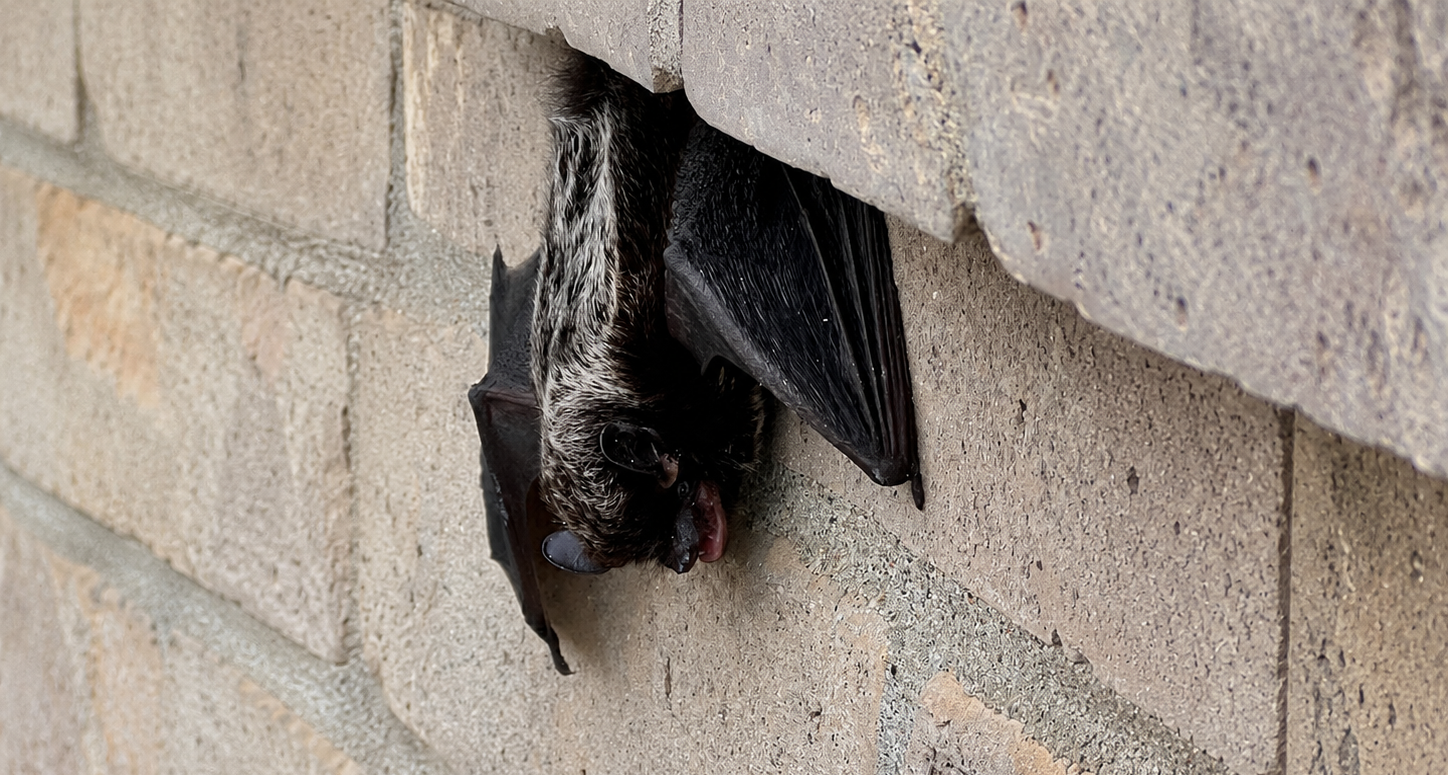
Bats in the house can harm your family. They carry serious health risks through rabies and a dangerous lung disease caused by their droppings. On top of the health concerns, a colony living in your attic can cause real damage to insulation, wood, and other parts of your home over time.
You might hear scratching in your walls or ceiling late at night and not think much of it at first. But if a colony has moved into your home, the risks to your family grow the longer the problem goes unaddressed. Getting professional help right away is the safest move for everyone in the house.
This article is for any homeowner in Hennepin County who has noticed signs of activity in their attic or living spaces and wants to know what the real risks are. You’ll learn what health hazards are involved, how home damage develops over time, and how our team at Skedaddle Humane Wildlife Control in Hennepin County handles these situations safely from start to finish.
Do Bats Carry Disease?
Yes, bats carry disease, and this is one of the most important reasons why having them in your home is a real health concern. Rabies is the most well-known risk, but it’s not the only one. Their droppings can grow a dangerous fungus that causes a serious lung illness when the spores are breathed in.
Most people don’t realize how easy it is to be exposed without ever seeing the animal directly. A bite or scratch is the most obvious risk, but exposure can also happen through contact with saliva or through inhaling contaminated particles from dried droppings. A home with an active colony is a home with ongoing health exposure, even in rooms far from where the activity is happening.
This is part of why calling our professionals right away matters so much. The longer an active colony stays in a home, the more droppings build up and the greater the health risk becomes for everyone living there.
The Main Health Risks to Your Family
Several specific health risks come with having bats living inside a home. Each one is serious on its own, and together they make a strong case for fast, professional action.
Rabies
Rabies is one of the most serious risks associated with bat exposure. It is a virus that attacks the nervous system, and without prompt treatment, it can be fatal. This is why any potential exposure needs to be taken seriously right away.
- Exposure Doesn’t Always Feel Obvious: A bite from a small animal can leave a mark so tiny it’s easy to miss, especially when it happens at night or during sleep. This is a known risk with indoor exposure, since bats can get into bedrooms and living spaces without being noticed. If you wake up and find one in your room, medical attention should be sought immediately even if you don’t see a visible bite. The risk is real even when there’s no obvious sign of contact.
- Children and Pets are Especially at Risk: Young children may not understand the danger and could interact with a grounded animal without telling an adult. Pets that go outdoors or have access to infested areas face similar risks. Any contact between a pet and a bat should be reported to a vet right away. This is part of why addressing the problem quickly protects the whole household, not just the adults in it.
- Indoor Exposure Requires Medical Follow-Up: If anyone in the home has been in a room with an animal they weren’t aware of, medical guidance should be sought even without visible contact. This precaution is recommended by health authorities because exposure isn’t always obvious. Waiting to see if symptoms develop is not a safe approach with this type of risk. Early treatment is what makes the difference in outcomes.
- The Risk Increases the Longer the Problem Goes Unaddressed: A single animal in the house is one level of risk. A full colony living in the attic over several months is a much greater one. More individuals mean more chances for contact with people and pets in the home. Getting our professional help early is what reduces the overall level of exposure risk for your family.
Histoplasmosis
Histoplasmosis is a lung disease caused by breathing in spores from a fungus that grows in bat droppings. It’s one of the less well-known risks but one of the most common health concerns linked to indoor bat activity. Several specific details explain why this risk is so serious and why it grows the longer droppings are left in place.
- Droppings Grow a Dangerous Fungus Over Time: Droppings that build up in an attic or wall space can develop this fungus as they dry out. The fungus grows quietly and without any visible sign that something harmful is present. A home can have a serious fungus problem in the attic long before anyone notices any smell or other warning sign. This hidden growth is part of what makes the health risk so easy to overlook until it becomes a bigger problem.
- Spores Can Travel Through the Whole Home: When dried droppings are disturbed, spores can float into the air and travel into the rest of the home through air vents and ductwork. This means the health risk isn’t limited to the attic where the activity is happening. A family living on the ground floor may be breathing in these particles without ever going near the affected area. The air systems in a home can carry these spores into every room.
- Symptoms Range From Mild to Very Serious: Symptoms of histoplasmosis can look like a mild flu, including fever, cough, and tiredness, but can become much more serious in some cases. People with weakened immune systems, young children, and the elderly are the most likely to develop severe symptoms. In serious cases, the disease can affect the lungs in lasting ways that require medical treatment. This wide range of possible outcomes is part of why the risk should never be taken lightly.
- The Risk Grows the Longer Droppings Accumulate: The more droppings that build up over time, the greater the concentration of fungal spores that can potentially reach the living areas of the home. A small, recent problem carries much less risk than one that has been building up for a full season or longer. This is one of the clearest reasons why acting early matters so much when it comes to bat activity inside a home. The longer the situation is left alone, the more the health risk increases for everyone in the household.
Parasites and Air Quality
Beyond the direct disease risks, droppings also attract other pests and contribute to serious air quality problems inside a home. This combination adds another layer to why indoor bat activity is more than just a nuisance.
- Droppings Attract Other Pests: Accumulated droppings can draw in insects and other pests that feed on or breed in the material. This can turn a single wildlife problem into a compound one that’s more complex to fully resolve. The presence of secondary pests adds to the health and sanitation concerns already created by the primary activity. Addressing the root cause and the droppings together is what actually clears the full problem.
- Dried Droppings Release Harmful Dust: As droppings dry out, they crumble and release particles and bacteria into the surrounding air. This dust can travel through cracks, vents, and air systems into the living areas of the home. Residents may be exposed to contaminated air without any direct contact with the animals themselves. This is part of why the cleanup process matters just as much as the removal.
- Odors Spread Through the Home: A large accumulation of droppings and urine produces a strong, unpleasant smell that can spread from the attic into the rest of the house. This smell tends to get worse over time as the colony grows and more material builds up. It’s often one of the first signs homeowners notice that something is wrong in the attic. The odor alone can affect the comfort and air quality of an entire home.
- Air Quality Affects Everyone in the House: Poor air quality from accumulated droppings isn’t just unpleasant. It can cause ongoing respiratory irritation and other health effects for people who spend time in the home. Children and elderly family members are the most sensitive to these effects. Restoring clean air requires a full professional cleanup, not just removal of the animals.
How Bats Damage Your Home
Beyond the health risks, an active colony can cause significant physical damage to a home over time. This damage tends to get worse the longer the situation goes unaddressed.
Droppings accumulate in attic insulation, compressing it and greatly reducing its ability to keep the home warm in winter and cool in summer. This leads to higher energy bills over time and often means the insulation needs to be replaced entirely. The cost of this kind of damage can be much higher than the cost of addressing the situation early.
Urine and droppings can also stain ceilings and weaken the wood framing that supports the structure of the attic. Over a long period, this moisture-related damage can affect the structural integrity of the affected areas. Homeowners who delay addressing the problem often face larger and more costly repairs as a result.
What to Do If You Have Bats?
If you find one in your living space, the most important thing to do is not touch it and call our team right away. Direct handling carries real health risks, and the right response starts with our professional assessment, not a quick fix.
Our team at Skedaddle uses one-way doors that allow animals to leave a space naturally while preventing them from coming back in through the same entry point. This humane approach means the removal happens without trapping anything inside your walls or attic where it can’t be reached.
Once the space is clear, we clean up what was left behind using proper equipment and professional-grade products. We then seal every entry point to make sure the same situation doesn’t return in a future season. This complete process is what actually protects your family long term.
Bat Concerns in Hennepin County
Hennepin County’s mix of older homes, mature trees, and green spaces creates ideal conditions for indoor bat activity, especially during the warmer months when colonies are most active. Many homes in established neighborhoods have aging rooflines, chimney gaps, and worn soffit panels that provide easy entry points. Properties near wooded areas or bodies of water tend to see more activity than those in more densely built neighborhoods.
Minnesota’s cold winters mean animals in this region seek warm shelter earlier in the fall, which can lead to indoor activity starting sooner than homeowners in warmer climates might expect. The state also has specific regulations around when exclusion work can be legally done, particularly during the summer maternity season when young are present. Our team understands these local rules and plans every job with proper timing in mind.
Because of these regional factors, our team adjusts every inspection based on the specific structure and surroundings of the property. This local knowledge helps us find the entry points most common in Hennepin County homes and address them properly.
Frequently Asked Questions
What should I do if I find one in my bedroom?
Do not try to catch or handle the bat yourself. Leave the room, close the door if possible, and keep children and pets away from the area. Contact a wildlife professional right away for help. If you were sleeping in the room, seek medical advice, as exposure can happen without a visible bite.
How do I know if there's a colony in my attic?
A bat colony often makes scratching, squeaking, or fluttering sounds, especially around dusk and dawn. You may also notice a strong musky smell coming from the attic or upper floors of your home. Bat droppings near rooflines, vents, or entry points are another common sign. Our professional inspection can confirm whether a colony is present.
Can they get from the attic into my living space?
Yes, bats can move from the attic into living areas through small gaps and openings. They may enter through spaces around light fixtures, vents, pipes, or poorly sealed walls. Once inside, they can end up in bedrooms, hallways, or other rooms. This is why it's important to address the problem as soon as possible.
Is it safe to stay in the home while the problem is being addressed?
In many cases, homeowners can remain in the home during the removal process. However, the answer depends on where the bats are located and how much activity is present. Our professional inspection will help determine if there are any health or safety concerns. Our team can explain the safest option for your household.
How long does the removal process take?
The timeline varies based on the size of the colony and the season. During certain times of the year, removal may need to wait until young bats are able to leave on their own. Most projects also include inspection, exclusion, cleanup, and prevention work. After an inspection, our team can provide a clear timeline for your specific situation.
Don’t Wait When Your Family’s Health Is at Stake
Having bats in your home is not something you should ignore. While they may seem harmless at first, an active bat colony can create serious health and safety concerns over time. Bat droppings can build up in attics and wall spaces, leading to poor air quality and increasing the risk of respiratory illnesses. Bats can also carry rabies, making any direct contact a potential health risk for your family and pets.
The longer bats remain in your home, the more damage they can cause. Droppings and urine can stain building materials, create unpleasant odors, and attract insects. Over time, these problems can become more difficult and expensive to fix. What starts as a few scratching noises or occasional sightings can quickly turn into a much larger issue.
At Skedaddle Humane Wildlife Control in Hennepin County, we take a complete approach to bat removal and prevention. Our team carefully inspects your home to identify where bats are entering and where they are nesting. We remove the colony using humane methods, clean and restore affected areas, and seal entry points to help prevent future activity.
You do not have to deal with the stress or uncertainty of a bat problem on your own. Request an estimate today and let our experienced team help protect your family, improve your home’s safety, and keep bats from returning.

 Loading...







