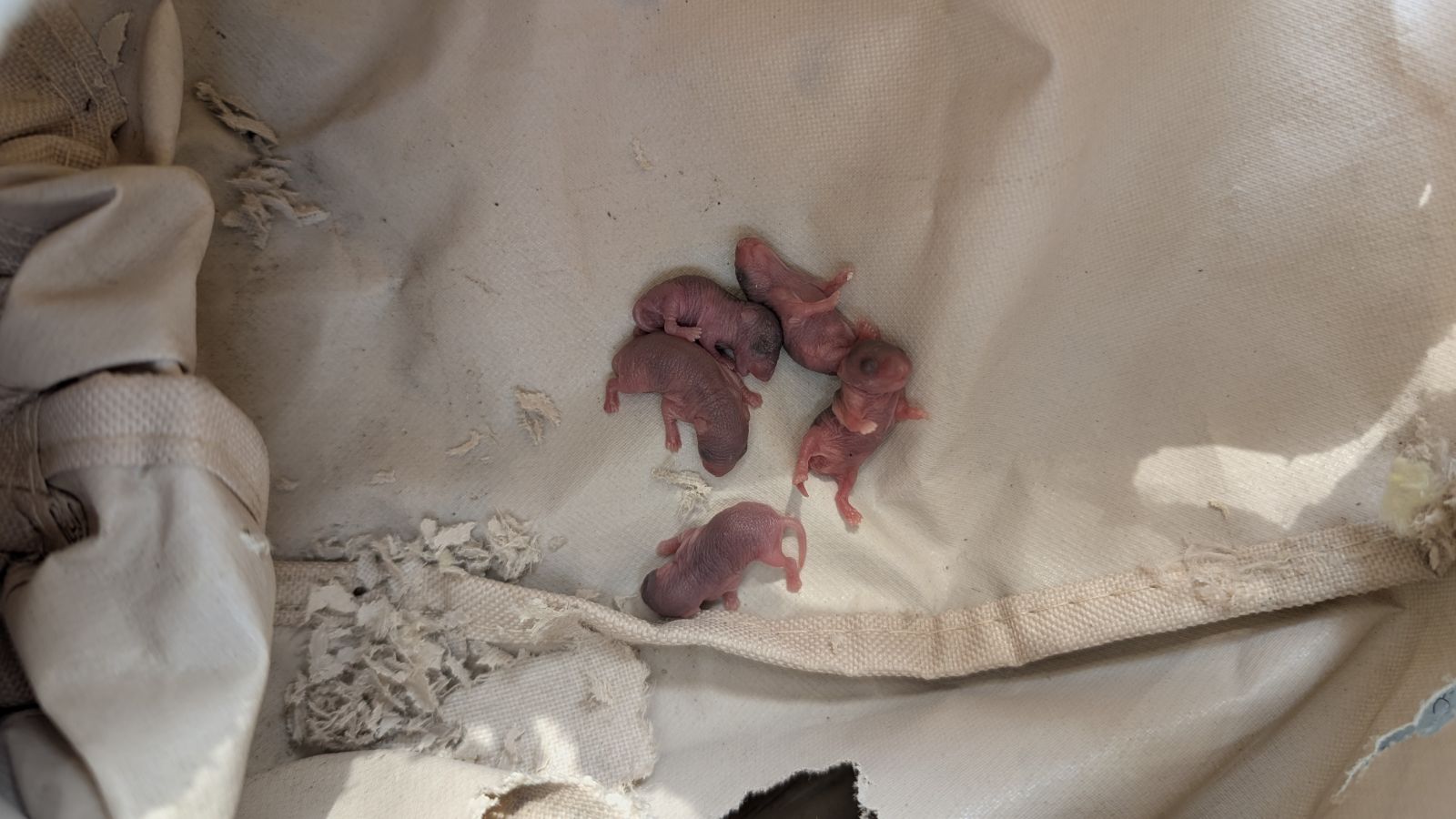
Summer is baby season for wildlife because warm weather, longer days, and lots of food make it the best time for young animals to grow strong. This timing is not random. Many things line up at once during these months, making summer the busiest time of year for new wildlife families.
For homeowners, this means a big change in activity around your home. Warm attics, quiet basements, and shady decks become popular spots for mothers looking for a safe place to raise their young. Knowing why this happens can help explain the sudden noises, damage, or sightings you might notice during these warm months.
This article is for any homeowner seeing more wildlife activity than usual as summer gets closer. You’ll learn why this season brings so much new life, what it means for your home, and how Skedaddle Humane Wildlife Control in Montreal handles these situations with care, especially when young are involved.
What Wildlife Animals Have Babies During Summer?
Many common wildlife species have babies during summer, including raccoons, squirrels, rabbits, and many kinds of birds. Some animals even have a second litter later in the season, which means baby season lasts well into late summer for them.
Raccoons usually give birth from spring through early summer, making them some of the first to arrive in this seasonal pattern. Squirrels often follow with their own litters and may have a second round later in the summer. Rabbits and birds add to this activity too, with young often spotted exploring lawns and gardens during these warm weeks.
This wide mix of animals having babies around the same time is part of why summer feels so much busier overall. Many species are searching for safe spots and food at the same time, which raises the chances that they end up near homes.
Reasons Summer Becomes Peak Baby Season
Several things come together each summer to create the best conditions for raising young. Each one plays its own part in why this season looks so different from the rest of the year.
Abundant Food Sources
Food matters a lot when it comes to helping new wildlife families during summer. This one factor helps explain why so many animals choose this exact time to raise their young.
- Fresh Plants Give Steady Nutrition: Fresh plants become easy to find during summer, giving nursing mothers steady access to the nutrients they need. This steady food supply helps mothers get the extra energy needed to feed and care for their young. Without this much food around, raising babies would be much harder for many animals. This is part of why summer timing matches up so well with natural food patterns.
- Bugs Become a Reliable Food Source: Bug populations grow a lot during warmer months, giving many animals another steady food option. This larger supply helps feed both adults and growing young who need consistent nutrition. Many animals depend heavily on this seasonal increase to meet their energy needs. This pattern happens the same way every summer in most areas.
- Berries and Other Food Options Grow: Berries and other natural food sources become easy to find as summer goes on. This variety gives wildlife more than one food option to count on through the season. More food choices also mean less competition between different animals looking for the same meal. This larger food supply supports stronger, healthier growth for young throughout the summer.
- Nursing Mothers Need More Energy: Nursing mothers need a lot more energy than usual to feed and care for their young. Summer’s large food supply meets this higher need at exactly the right time. Without this seasonal boost in food, fewer young would likely survive. This link between food and timing is one of the clearest reasons summer became the best season for raising young.
Long, Warmer Days
Daylight and warm weather both play a big role in helping fragile newborns survive their first weeks. These two things work together all season long.
Warm temperatures help make sure newborns, many of which have little to no fur, do not get too cold. This one factor greatly improves their chances of surviving those first risky weeks. Colder seasons simply cannot offer this same kind of protection from extreme weather.
Longer days also give more hours each day for finding food and staying active. This extra time lets mothers spend more time caring for their young instead of rushing to beat a shorter daylight window. The mix of warmth and longer days creates a much easier environment for raising young successfully.
Secondary Breeding Cycles
Not every animal has just one litter each year, and this adds another reason why summer stays busy for so long. Some animals follow a pattern that includes a second round of babies later in the season.
While some animals give birth earlier, from spring through early summer, others have a second litter in July and August. This longer pattern means baby season does not end quickly once early summer is over. Instead, it keeps going well into the warmer months as more litters arrive. This is part of why homeowners may notice wildlife activity continuing steadily through the whole summer instead of just at the start.
Seeking Relief From Heat
Strong summer heat changes how wildlife behaves in ways that affect homeowners directly. This factor often gets less attention than food or breeding, but it still plays a big role.
- Heat Pushes Wildlife Toward Shelter: Strong summer sun pushes wildlife into quiet, shady spots, like basements and attics, to escape the heat. This need to find relief from extreme heat is strong across many different animals. Homes offer exactly the kind of shady, sheltered space that gives this relief. This makes homes especially appealing during the hottest parts of summer.
- Attics Offer Steady Shade: Attics, even though they can get warm, often provide more steady shelter than direct, unshaded sunlight outside. This relief makes attics appealing even during the hottest days of summer. The closed-in space also blocks wind and direct sun that would be impossible to avoid outdoors. This shelter and shade add to the appeal already created by safety and food.
- Basements Offer a Cooler Space: Basements tend to stay cooler than the rest of a home, making them another appealing choice during intense summer heat. This naturally cooler space offers comfort that is hard to find outside during peak summer heat. Wildlife looking for relief from heat may aim specifically for these cooler indoor spaces. This adds basements to the list of areas homeowners should keep an eye on during summer.
- Heat-Seeking Behaviour Leads to More Home Visits: This search for relief from heat increases the chances that wildlife will come across and enter homes during summer. The mix of heat relief, food, and safety gives wildlife several reasons at once to target homes. This combination is part of why summer sees such a big jump in wildlife activity near houses. Knowing this pattern helps homeowners understand why their home may suddenly seem more appealing during these months.
What This Means for Homeowners
Baby season brings its own set of challenges that are different from wildlife encounters at other times of year. Knowing about these challenges helps homeowners understand what they might be dealing with.
Structural damage tends to be worse during this time, since mothers will tear through roof vents, soffits, and shingles to make a safe den for their young. Once inside, a whole litter can flatten and dirty insulation, which can hurt a home’s energy efficiency a lot. This kind of damage tends to be more serious than what’s usually seen outside of baby season.
Noise also becomes more noticeable as litters born in spring grow through the summer and become more active. Homeowners often hear loud wrestling, scurrying, and chirping sounds through ceilings and walls, especially at night. This activity tends to get louder, not quieter, as the season goes on, since young keep growing and become more active over time.
Wildlife Problems in Montreal
Montreal’s mix of older homes and green, tree-filled neighbourhoods creates great conditions for wildlife looking for shelter during baby season. Many older areas have big, mature trees that give wildlife an easy path right up to nearby rooflines and attics. Older homes especially tend to have worn entry points that become easy targets during these months.
The city’s warm, humid summers also make the search for cool shelter even stronger during this time of year. This seasonal pattern repeats every summer, making this time one of the busiest for wildlife-related calls across the city. Homes near parks or green spaces often see even more activity compared to areas with fewer trees.
Because of these local details, our team adjusts every inspection based on the age, structure, and surroundings of a property. This local knowledge helps us guess where activity is most likely to happen during Montreal’s busiest wildlife season.
The Skedaddle Humane Solution
Baby season needs a different approach than other times of year, since young animals are often involved and need extra care. Our process is built specifically with this in mind.
- Baby Searches: Our technicians physically check the darkest, hardest-to-reach spots in an attic or crawlspace to find hidden litters. This step matters a lot since young animals are often too small to move and can’t be found with just a quick look. Careful searching makes sure no young get accidentally left behind during removal. This careful approach shows how seriously we take situations involving vulnerable young.
- Hands-On Removal: Young animals that can’t move yet are carefully picked up by hand to avoid hurting them. This step takes patience and special training to handle young safely without causing extra stress. Rushing this step can cause harm, which is why our technicians take the time to do it the right way. This careful handling is a key part of how we handle every baby season case.
- The Baby Reunion Process: Once removed, young are placed into a heated reunion box set up outside the home near the original entry point. This setup lets the mother find her young again once she can no longer get back inside the house. The heated box keeps the young safe and warm while the reunion happens. This method focuses on keeping families together instead of splitting them apart for good.
- Den Exclusion: Entry points get sealed with strong materials once the reunion is done and the den is empty. This last step stops the same entry point from being used again later in the season or in future years. Proper sealing is what actually stops the problem from happening all over again. This mix of careful removal and strong sealing shows our full approach to handling baby season cases.
Frequently Asked Questions
How long does wildlife baby season typically last?
Wildlife baby season usually runs from spring through late summer, with some animals having a second litter later in the season. This longer timeline means activity can keep going steadily for several months instead of just a few weeks. Different animals also start and finish at slightly different times, which stretches the whole season out even more. This is part of why homeowners may notice new activity even later in summer than they expect.
Can multiple wildlife families be active on one property at the same time?
Yes, it's possible for more than one type of animal to be active on a property at the same time, especially if there are several weak spots for them to use. A home with a vulnerable attic and an open deck could end up with more than one situation happening at once. This is part of why a full inspection matters instead of assuming only one problem is happening. Missing a second, separate issue can leave part of the problem unsolved.
Why does noise seem to get louder as summer goes on?
Noise tends to get louder as young animals grow stronger and more active through the season. Early on, sounds might be soft or only happen once in a while, but they become more frequent as the young get stronger and more curious. This natural growth means activity that started quiet can get a lot louder within just a few weeks. This change is a normal part of growing up, not a sign that something new has moved in.
Is backyard activity from young wildlife something to be concerned about?
More backyard activity, like baby rabbits on a lawn, is a normal part of summer and not always something to worry about. Seeing young animals exploring outside is often just a natural part of how they grow. However, open trash, pet food, and compost can attract more activity than needed. Cleaning up these things can help cut down on how often wildlife sticks around a property.
Does baby season affect how quickly a situation should be handled?
Yes, situations involving young animals often need more careful timing and handling than at other times of year. Rushing the process can risk separating a mother from her young, which creates a much bigger problem than the one you started with. This is why working with a team that knows baby season well can make a big difference. Proper timing helps make sure the situation gets solved safely for everyone involved.
Ready to Handle Baby Season the Right Way?
Summer brings more wildlife activity than any other season, mostly because the conditions are just right for raising young. Warm weather, longer days, and easy access to food all come together at once, which is why so much activity happens during these months. If you’ve noticed new noises, damage, or activity around your property, there’s a good chance it’s tied to this seasonal pattern.
Situations involving young animals need a different approach than other times of year. Rushing or trying to handle things on your own can risk separating a mother from her young, which often leads to a much bigger problem than the one you started with.
At Skedaddle Humane Wildlife Control in Montreal, we handle baby season cases with extra care, using methods built to keep families together while solving the problem safely. We check the full property, handle the process humanely, and seal entry points so the problem doesn’t come back. Our team knows exactly what this time of year calls for.
Request an estimate today and let our team take care of it the right way

 Loading...