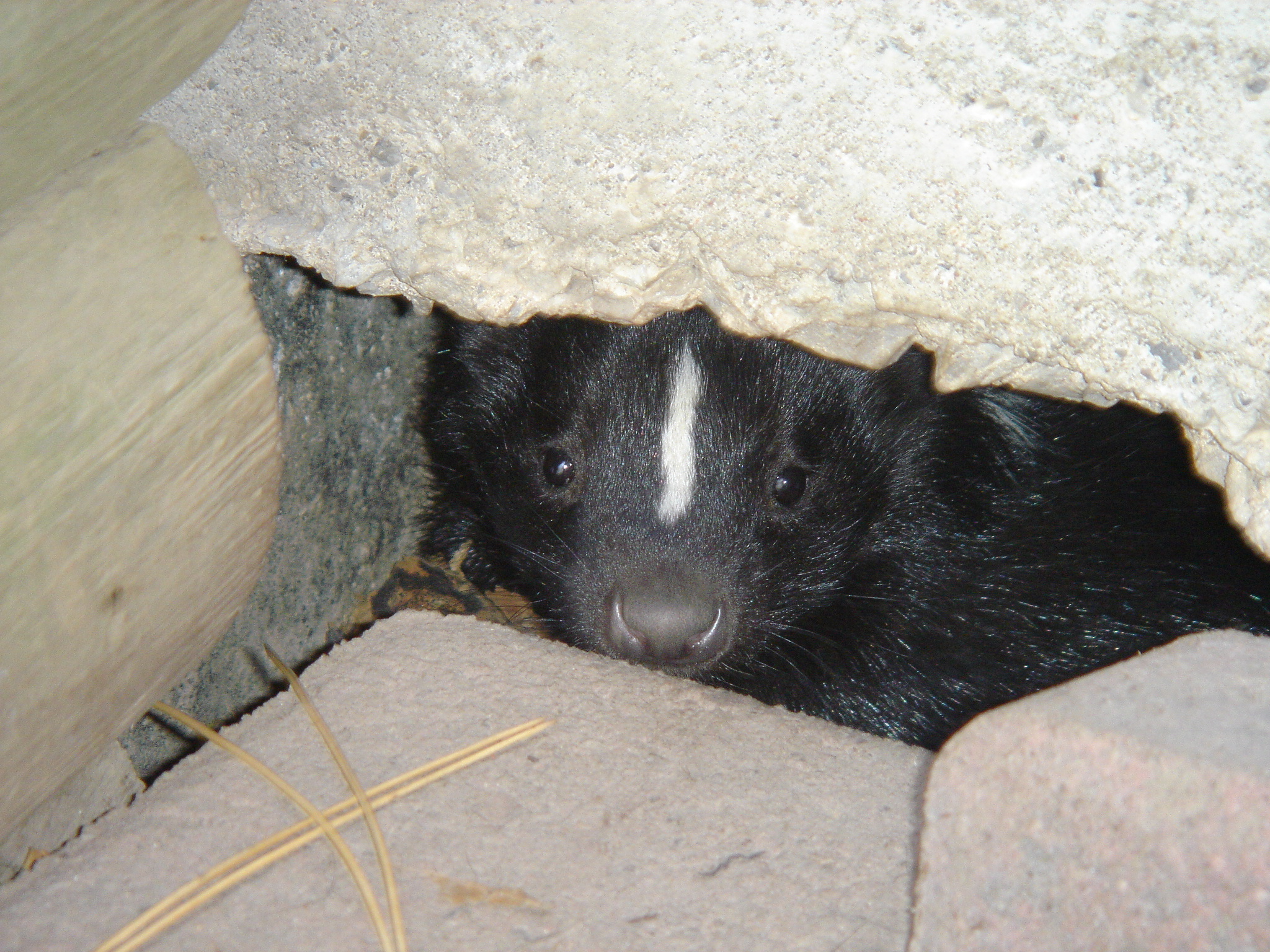
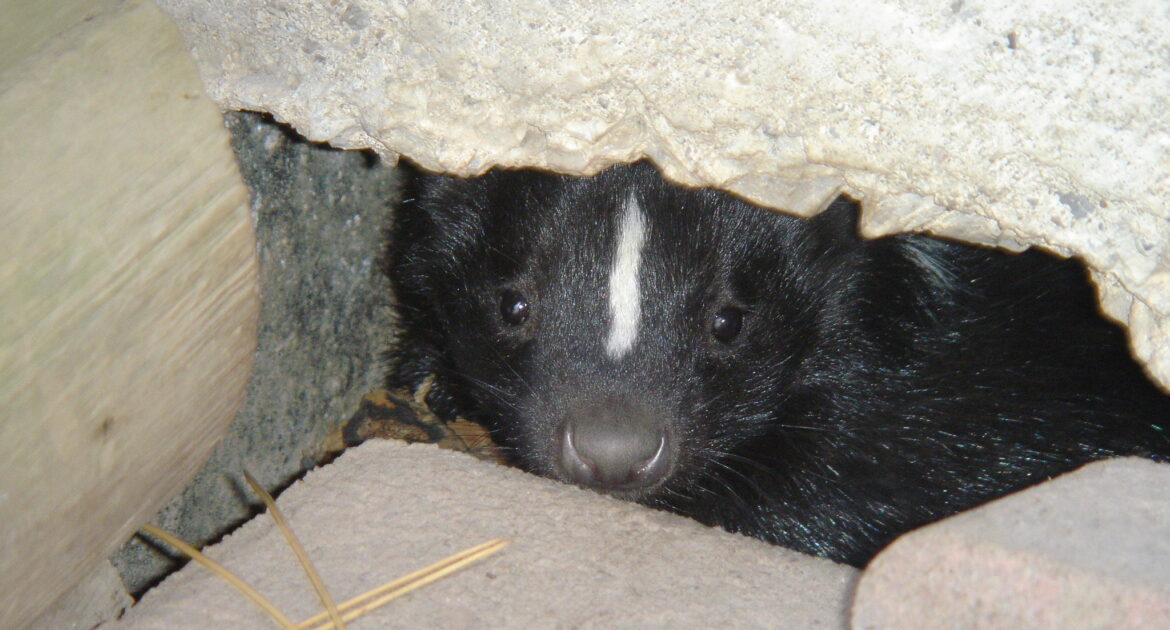
There’s nothing quite like a Minnesota winter near the Chain of Lakes—peaceful, snowy, and picturesque. Yet for many homeowners in Hennepin County, a different kind of guest may be nestled beneath your property. Skunks under decks in winter can quickly transform a serene season into a headache, thanks to their unwanted odor and digging habits. At Skedaddle, we help residents of Hennepin County—from Minneapolis to Brooklyn Park—understand, prevent, and resolve skunk issues before they escalate. In this article, we’ll explain why these animals seek shelter during winter, what makes professional removal safe and effective, and which prevention strategies can keep them out for good.
Why Skunks Hide Under Decks and Sheds During Winter
Snow and freezing temperatures make survival tough for wildlife in Minnesota. Skunks, known for their digging abilities and infamous scent, seek out dry, sheltered spaces to ride out the cold months. Areas beneath structures like decks and sheds are particularly attractive to these animals because they provide protection from harsh weather, predators, and disturbances.
Skunks don’t fully hibernate. During winter, they enter a state called torpor—a deep, energy-saving sleep interrupted by occasional foraging when temperatures are milder. Because of this, a skunk may remain remarkably well-hidden for weeks beneath a property. Homeowners often remain unaware until the odors or traces of digging become impossible to ignore.
Several reasons explain why they choose these spots:
- Decks, sheds, and porches rarely have sealed foundations, making them easy to access by digging.
- The insulated space beneath these structures stays warmer and drier than the open ground.
- Proximity to homes means easy access to food scraps and garbage, especially in areas like Brooklyn Park and neighboring communities.
This preference for shelter combined with their digging habits makes such locations a common winter den site. As we transition to the next section, it’s important to know that catching these early signs is vital for both effective removal and long-term prevention.
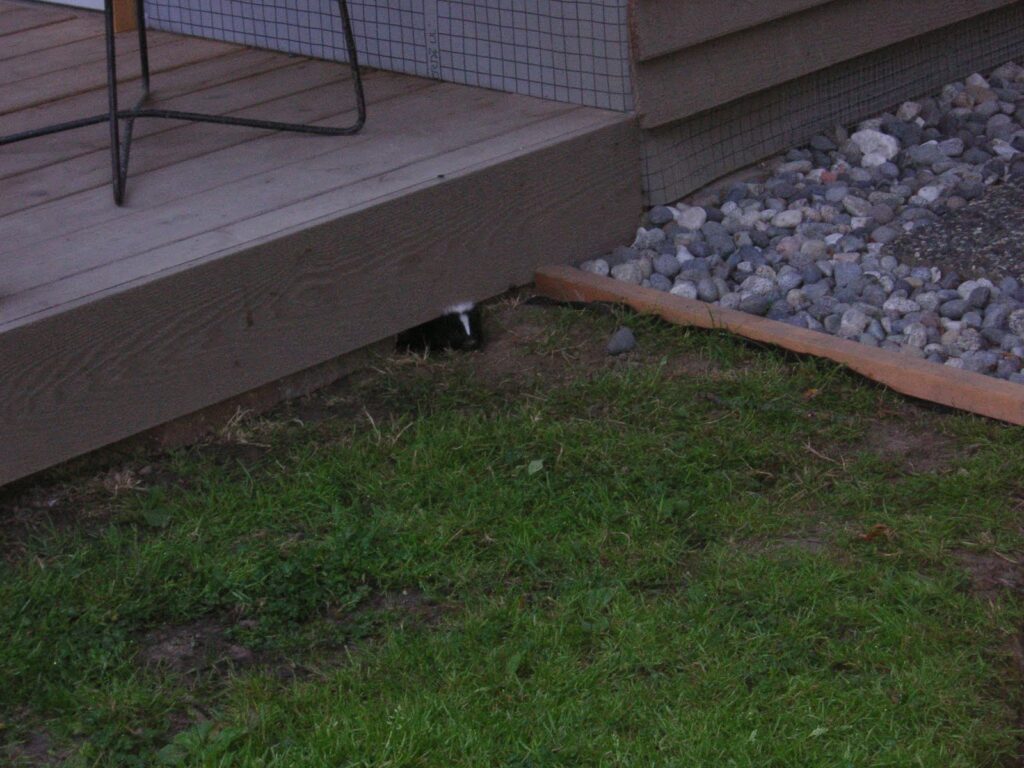
Detecting Signs of Skunks Under Decks in Winter
Knowing what to look for is the first step in addressing unwanted guests on your property. Because cold weather keeps them dormant, winter is often when skunks are hardest to detect. Yet, a few clues can alert homeowners to their presence:
- Small oval or triangular holes near decks, sheds, or porches.
- Disturbed soil or piles of loose dirt pushed out from under a structure.
- Faint but unmistakable musky odors, especially during milder nights.
- Tracks or narrow paths through snow leading to and from a particular spot.
- Unusual noises—like faint scratching or rustling—coming from below the deck, particularly at night.
Homeowners in Hennepin County should pay extra attention to these signs, especially if you live in areas bordering parks, lakes, or wooded spaces. If you notice any combination of these, acting early is key. Prompt action can prevent a full skunk den from developing, and it also reduces the likelihood of damage and unwelcome odors lingering into the spring.
Now that we’ve established how and why these animals take up residence, let’s discuss the safest removal practices.
Skedaddle’s Skunk Removal in Winter
When it comes to Skedaddle’s skunk removal winter techniques, safety—for both people and animals—is our top priority. Winter presents unique challenges because the ground is frozen and skunks spend much of the season in a dormant state. Attempting to remove them without expertise risks both being sprayed and potentially injuring the animals.
Our tried-and-true approach in Hennepin County follows several important steps:
- Assessment and Inspection: Our trained technicians carry out a thorough inspection using a blend of experience and specialized tools to find every entry point and determine the extent of skunk activity under decks or sheds.
- Humane Eviction: When skunks are present, we carefully install one-way doors that allow the animals to leave for food but prevent their return. In colder months, this process is timed carefully to ensure the skunk won’t be stranded in harsh weather.
- Hands-On Removal (If Needed): In some cases, like when young babies are present, our specialists use hands-on techniques, often with warming baby boxes to keep them safe until the mother can relocate them to another den.
- Cleaning and Deodorizing: After successful removal, contaminated material and potential attractants (such as leftover food or nesting materials) are removed to eliminate lingering odors and bacteria.
- Prevention Barriers: The final crucial step is installing a heavy-duty steel screen, buried deep—usually 8-12 inches—around the base of the structure. This barrier completely blocks new entry, ensuring that another skunk—or other wildlife—can’t dig back in.
By combining years of local knowledge with advanced equipment, our technicians safely manage even the most tangled skunk challenges in winter, including those tough cases in heavily populated places like Brooklyn Park or the lakes district. As we see more homeowners attempt to address issues on their own, misunderstanding animal habits can often make the problem worse or even risk injury. That’s where professional experience makes all the difference.
Next, let’s shift focus to what you can do to prevent problems before they start.
Winter Skunk Prevention Tips for Homeowners
Prevention is more effective—and far less stressful—than managing an established skunk problem. Surprisingly, many sources overlook the value of basic strategies like sealing entry points and managing attractants. Here are our top winter skunk prevention tips for Minnesota residents:
- Seal All Entry Points: Inspect around your deck, shed, and porch for any gaps or loose boards. Skunks need only a few inches to squeeze into a space. Use professionally installed barriers, such as buried mesh screens, to close off these vulnerable areas.
- Remove Food Sources: Never leave pet food outside, and secure trash bins with tight-fitting lids. Pick up fallen fruit from trees and regularly clean barbecues and compost areas.
- Light Up the Area: Motion-sensor lights or strategically placed exterior lighting can discourage nighttime visits, as skunks prefer darker, quieter spaces.
- Tidy Up Yard Clutter: Piles of wood, rocks, or unused landscaping materials can offer additional cover or shelter. Keeping these organized and stored away from the house leaves fewer hiding spots.
- Schedule Routine Inspections: Ideally in fall, but also between December and February, have a professional check your property for potential den sites. Areas like Brooklyn Park and neighborhoods around parks are particularly at risk.
Effective prevention creates a barrier between your living space and unwanted wildlife, safeguarding your family (and your pets) from surprise encounters or that lingering odor common to winter den sites. These straightforward steps are not only practical but also recommended by wildlife experts.
The key is being vigilant and proactive—delaying basic maintenance can lead to a much more complicated (and costly) response.
Why Professional Help Matters for Winter Skunk Removal
As winter deepens in local communities, calling in professionals for skunk removal is more than a matter of convenience. There are several risks and hurdles unique to the colder months:
- Safety Concerns: Skunks, while rarely aggressive, may spray if they feel threatened. Freezing weather also makes manual removal riskier and increases the chance of property damage.
- Undetected Health Risks: It’s nearly impossible for the untrained eye to distinguish a healthy skunk from one with rabies or other diseases—contact is best avoided for your safety.
- Complex Den Sites: During winter, soil is often frozen solid, making digging and barrier installation much tougher for unprepared homeowners.
- Humane Solutions: We use strategies that compassionately clear animals from your home without causing harm, ensuring all local wildlife regulations are followed.
Our specialists are trained to handle seasonal challenges and can provide tailored advice based on your neighborhood’s specific needs—whether in a busy area like Brooklyn Park or close to the Chain of Lakes. Our process doesn’t stop after the skunk is removed; we always focus on securing your property so that repeat visits don’t happen.
As you consider your own property this season, knowing when to call for professional intervention is vital—especially if numerous signs point to an established den beneath your deck or shed. Next, let’s provide some easy-to-follow steps any homeowner can start today to make their property less inviting to skunks this winter.
Actionable Steps for Homeowners: Stop Skunks Before They Settle In
You don’t have to wait for a skunk odor alert to take control of your home’s safety and comfort. Here are several actions you can begin now to make your property less attractive to skunks under decks in winter:
- Inspect Regularly: Set reminders to check under and around your decks, porches, and sheds every couple of weeks during the colder months. Early detection is your best defense.
- Repair Gaps Promptly: Loose boards, damaged lattice, or small openings should be fixed as soon as possible.
- Manage Waste: Always close garbage bins tightly and avoid leaving any edible material outdoors overnight.
- Trim Landscaping: Bushes, branches, and untrimmed shrubs close to ground level provide cover—keep these trimmed and well away from structural edges.
If you’re uncertain where to start or spot signs of activity, remember that expert help is always close by in Hennepin County. Enlisting Skedaddle means you won’t wrestle with dangerous or stubborn wildlife alone, and our comprehensive service ensures your property stays secure long after the initial removal.
By combining prevention and professional support, homeowners and business owners alike can keep their properties safe, clean, and odor-free—no matter how harsh the Minnesota winter may get.

Take Back Your Peace of Mind This Winter
As Minnesota’s winter intensifies, the last thing you want is a persistent skunk den lurking beneath your deck or shed. With their knack for burrowing and their unmistakable odor, skunks can quickly turn your tranquil home environment into a real challenge. Proactive detection and prevention are essential, but even the most vigilant homeowners can face stubborn winter guests. That’s where the expertise of Skedaddle makes all the difference—blending humane, spray-free removal with proven long-term barriers to keep wildlife out.
Don’t let skunks disrupt your season or threaten your family’s comfort. Trust Skedaddle’s local technicians to handle the hard work, from gentle hands-on removal to cleanup and powerful prevention tailored for Minnesota winters. Act now to secure your home before colder temperatures complicate removal—contact Skedaddle today and enjoy a safe, odor-free property all year round.

 Loading...