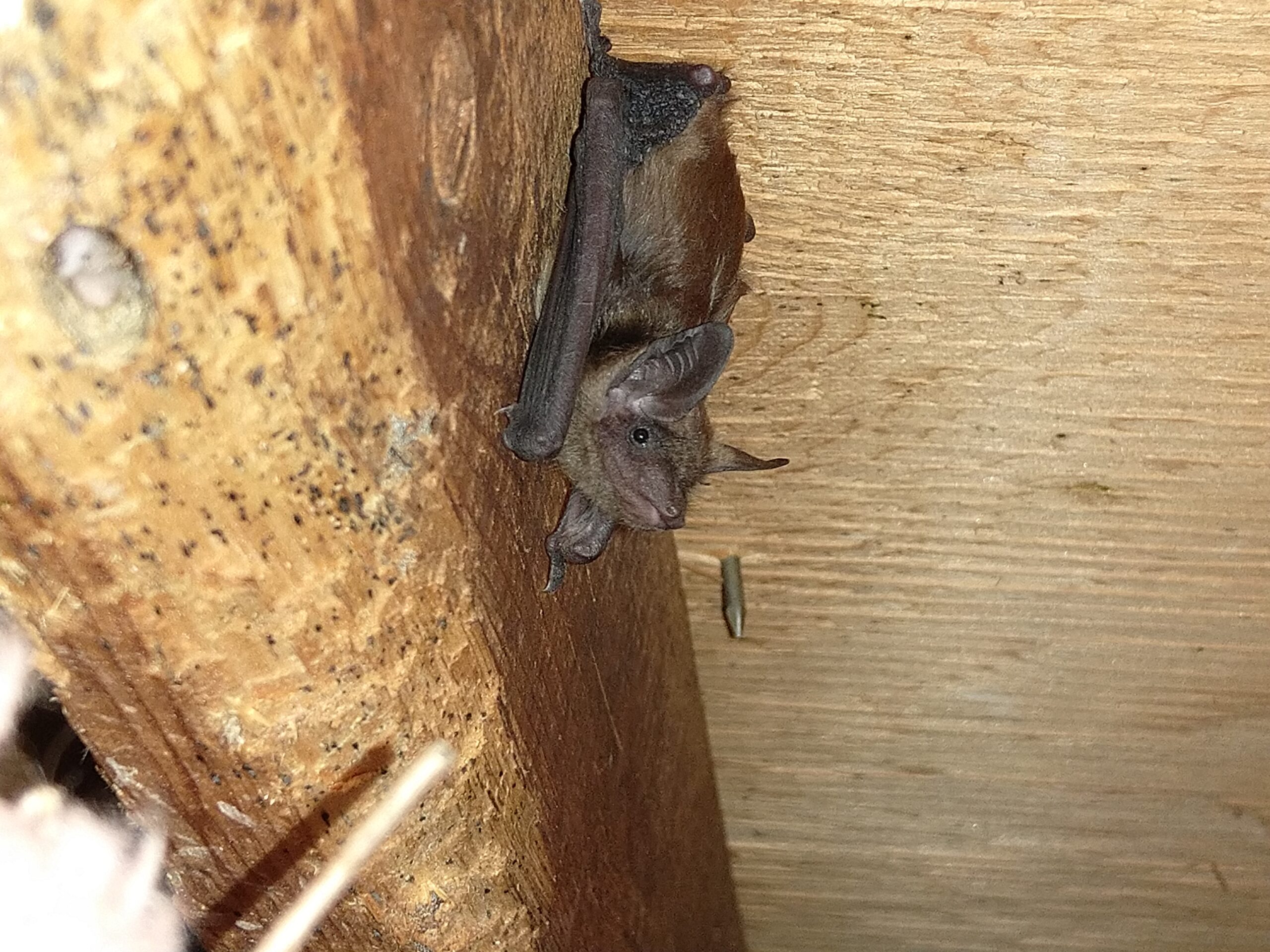
You don’t expect to find animals resting above your head in the cold months, but many homeowners in Westerville discover signs of hibernating bats in their homes each winter. When you see them or hear something soft from the attic, your first instinct may be to check on them or try to move them out.
But disturbing hibernating bats in Westerville homes can cause serious harm to the animals and create new problems for your property.
You deserve to know why leaving them alone is the safest choice. When you understand how fragile they are in winter and how easy it is to disrupt their rest, you can protect your home and the bats at the same time. You also get a clear picture of why professionals handle these situations very differently.
This blog will walk you through the most important reasons not to disturb bats in winter and offer helpful bat hibernation tips for Ohio that keep everyone safe until spring.
Waking Them Burns the Energy They Need to Survive
Hibernating bats slow their entire body down to survive the cold. Their heart rate drops, their breathing slows, and they use tiny amounts of energy each day. When you disturb them—even by accident—they wake up fast, and that burst of activity burns the fuel they need to survive.
Each time a bat wakes up, it uses energy equal to 20–30 days of winter survival. Because there are no insects to eat in the cold months, they cannot replace what they lose. A bat that wakes too often will not make it to spring.
This is the biggest reason you don’t disturb bats in winter. Even small movements, noise, or flashing lights can shock them awake. You might not see the effect immediately, but the harm is real and often deadly.
There Are No Insects for Them to Eat in Winter
Ohio winters shut down the food supply, leaving bats with no insects to hunt. When they lose too much energy from being startled, they can’t replace those calories. The cold outdoors keeps them inside your home’s warmer spaces, but that warmth isn’t enough to help them recover.
Each disturbance forces their bodies to burn through fat that was meant to last for months. When this happens too often, their survival window gets shorter and shorter. Even a single major wake-up can be the difference between making it to spring or not.
You may think checking on them is harmless, but hibernating bats in Westerville homes have almost no way to regain lost energy during winter. Keeping their space quiet and untouched is the safest way to protect them.
Disturbance Can Make Disease Spread Faster
Another reason to avoid waking them is linked to their health. Bats across North America have already faced pressures from white-nose syndrome, a fungus that causes them to wake up too often during winter. This disease has wiped out millions of bats and continues to spread.
When people disturb resting bats, they:
- Increase the frequency of harmful wake-ups
- Add stress that weakens the animals
- Make survival harder for sick or exposed bats
- Reduce the number of bats that make it to spring
You don’t need to get close to accidentally add stress. Even opening the attic door in the peak of winter can cause enough disturbance to make weakened bats burn through more of the energy they need to stay alive.
Many Species Are Protected by Law
Several bat species in Ohio have legal protections because of declining populations. Disturbing or harming them during winter rest is not only unsafe for the animals, it can also lead to fines or penalties.
Protected species are not always easy to identify, especially in low light or from a distance. A homeowner may not know which type has settled in until professionals inspect from a safe distance.
You stay protected when you avoid disturbing them, and you also avoid the risk of accidentally harming a protected species. Leaving them in place until spring is the safest and most responsible choice.
Sealing Gaps Too Soon Can Trap Them Inside
You may think the safest thing to do is close off openings right away, but sealing entry points in the winter can trap bats inside. When they wake up and cannot exit, they panic and move deeper into the walls or ceilings, or they may not survive the season at all.
This is why specialists use one-way doors only in the warmer months. These doors allow wildlife to leave but prevent re-entry. During winter, using those doors is unsafe because the animals cannot fly out to feed.
Trying to seal spaces in winter can lead to:
- Dead bats caught inside the walls
- Strong odors and staining
- More structural damage as animals move around trying to escape
- Higher repair costs in the spring
Letting professionals time exclusion properly protects your home and the animals at the same time.
Sudden Noise or Light Can Send Them Into Your Living Space
Bright lights, loud noises, or opening attic doors can confuse hibernating bats. When startled, they may fly downward, follow warm air, or look for new resting spots. This sometimes leads them into hallways, bedrooms, or main living areas.
This experience is frightening for homeowners and stressful for the animals, who are not built for active winter flight. They are slow, tired, and desperate to rest. The safest approach is staying out of the attic and letting them remain undisturbed until spring.
Bats Play a Big Role in Ohio’s Ecosystem
Even though you may not see them often, bats help communities across the state by eating huge numbers of insects each night during warmer months. They reduce mosquito populations, protect crops from harmful pests, and help balance local ecosystems.
When too many bats die during winter, the effect trickles into spring and summer:
- More insects
- More crop damage
- Less natural pest control
Protecting hibernating bats in Westerville homes means protecting your neighborhood and the larger environment. The best thing you can do is leave them alone and plan for safe removal once the weather warms.
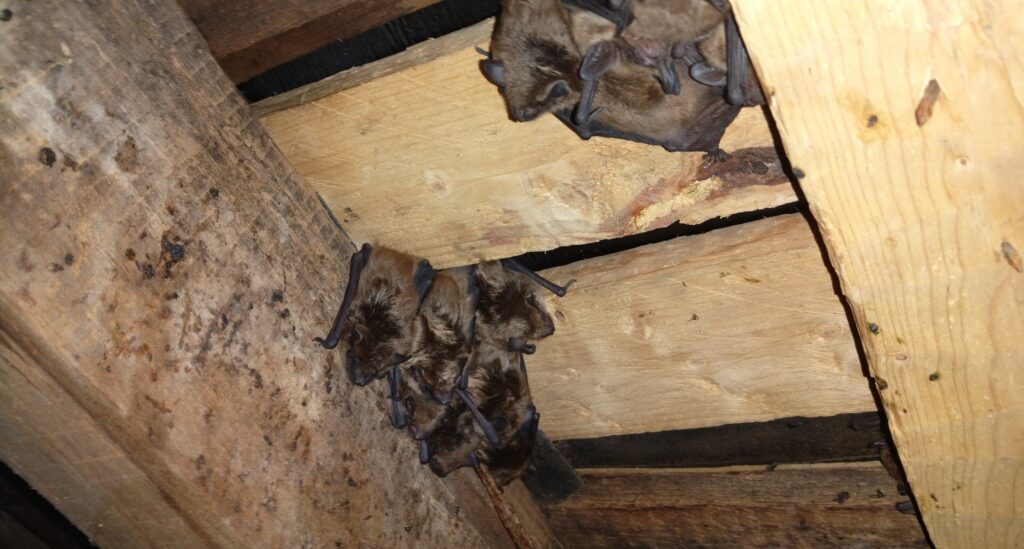
How Professionals Prevent Bat Problems Without Disturbing Them
A safe winter plan always keeps the bats protected and your home secure. That’s why trained technicians from Skedaddle follow careful steps that are built for winter safety. Our team completes inspections from the outside, creates a plan for humane exclusion in the spring, and chooses the right time to install one-way doors so the animals can leave safely when the weather warms.
After the bats have moved out, we seal the exterior gaps and use proper materials that protect your roofline long-term. You never have to touch the animals or manage the space yourself. You stay safe, and the bats remain undisturbed until the season changes.
Letting Winter Pass: The Best Bat Hibernation Tips for Ohio
Ohio winters are long, and the safest thing you can do is let the season run its course. Because bats are so sensitive during winter rest, the best bat hibernation tips for Ohio are simple and hands-off. You only need to avoid disturbing them, and trained professionals will take care of the rest when the weather warms.
The safest homeowner steps include:
- Staying out of the attic during the cold months
- Avoiding bright lights or loud noise near roost areas
- Keeping household activity away from the space
Everything else, from planning to safe removal, should be handled by trained experts. Professionals guide the timing, the inspection, and the humane exclusion once spring arrives. This keeps your home safe and protects the hibernating bats in Westerville homes during the sensitive winter season.
Help Bats Stay Safe While Protecting Your Home This Winter
You don’t have to solve the problem alone. Hibernating bats in Westerville homes need time and space to rest, and you need a plan that keeps your home protected. When you follow safe guidance and don’t disturb bats in winter, you help both the animals and your property.
Our team at Skedaddle Humane Wildlife Control in Westerville is ready to help you learn what’s happening in your attic and what steps come next. If you want expert bat hibernation tips for Ohio or a spring plan for safe exclusion, request an estimate to learn more and get support from trained professionals who protect your home the right way.

 Loading...







