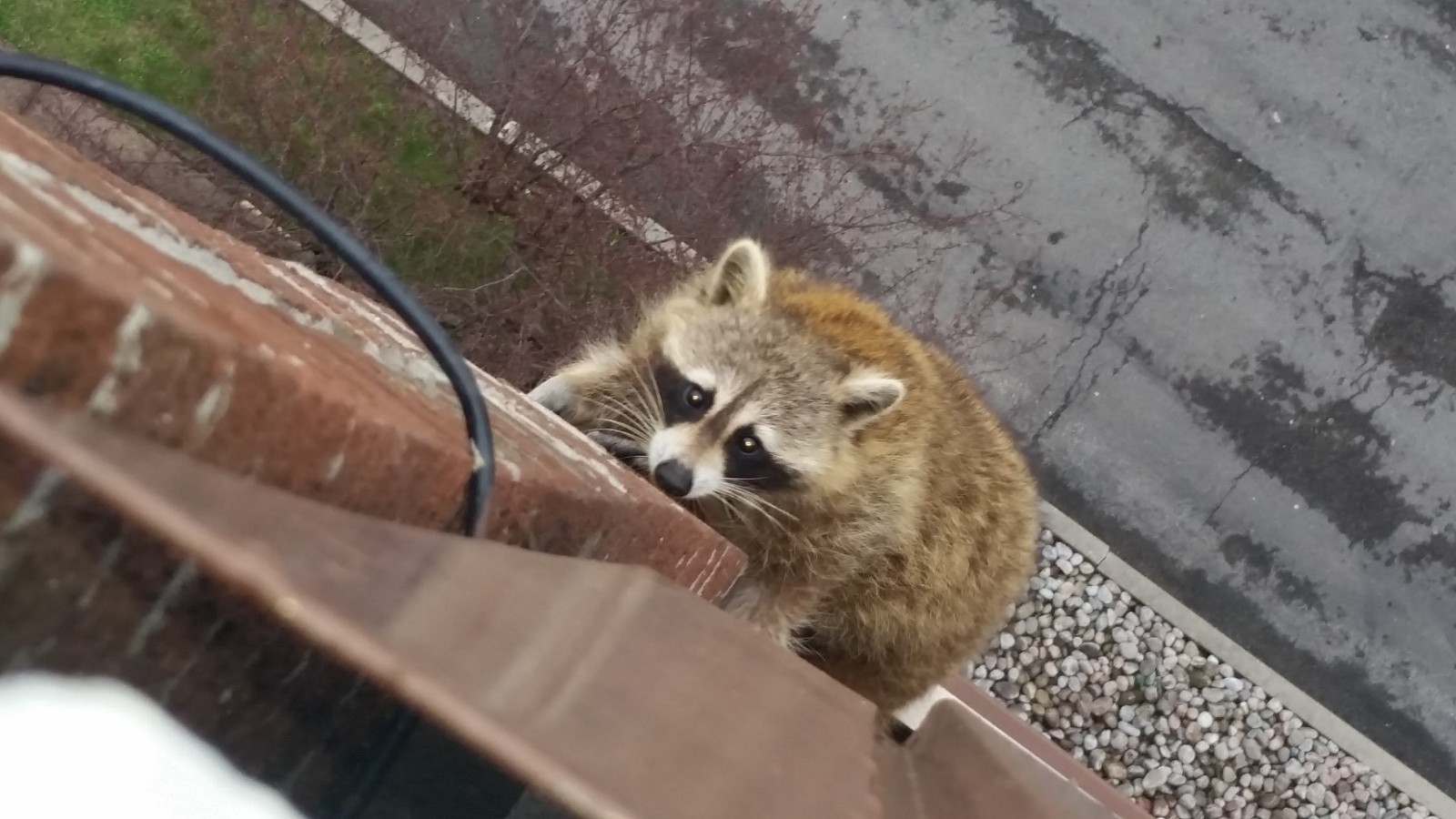
You get raccoons out. You patch the entry point. You think the problem is over. But if the waste they left behind has not been properly cleaned and treated, the problem is not over at all. In some ways, it is just getting started.
Raccoon waste is not like regular dirt or mess. It carries parasites, bacteria, and scent signals that normal cleaning products cannot get rid of. The droppings these animals leave can carry a roundworm parasite that stays alive in your attic for years and can make people very sick. Their urine soaks into the insulation and wood. The scent signals they leave behind tell other animals that your home is a safe place to move into and new raccoons will keep coming unless those signals are fully removed.
At Skedaddle Humane Wildlife Control in Hennepin County, we treat cleanup and restoration as a key part of every job we do. In this blog, you will learn why the waste these animals leave is so dangerous, what it does to your home, and why professional cleanup is the only way to fully take care of a raccoon problem.
Is Raccoon Poop Dangerous?
Yes, raccoon droppings are very dangerous. They should never be touched, moved, or cleaned up by anyone who is not trained to handle them safely. These droppings can carry a roundworm parasite called Baylisascaris procyonis. This parasite can cause serious harm to people — including blindness, organ damage, and in bad cases, death. The eggs from this parasite are tiny and float into the air when droppings are disturbed. That means just walking through a contaminated attic without protection puts you at risk.
The droppings also carry harmful bacteria and fungal spores that can make you sick if you breathe them in. Raccoons tend to use the same spot in an attic as a bathroom over and over. That spot is called a latrine. Latrines build up a large amount of waste in one place, which makes that area especially risky to be near.
Homeowners should never go into an attic where raccoons have been active. Never try to clean up the droppings yourself. You do not even have to touch the waste to get sick — disturbing dry droppings sends tiny particles into the air that you can breathe in before you realize it. Call our team at Skedaddle right away and let us handle the cleanup safely.
Raccoon Roundworm
Raccoon roundworm is one of the most serious health risks that comes with wildlife waste in a home. These animals pick one spot in the attic and use it as a bathroom every time, so the roundworm eggs build up fast in that area. Here is what makes this parasite so dangerous:
- Roundworm Eggs Are Very Hard to Kill: These eggs do not die when you spray them with bleach or household cleaners. You cannot wipe them away with products from a grocery store. They can stay alive inside an attic for years after the animals are gone. Only professional-grade treatments used by trained technicians can actually get rid of them. This is one of the biggest reasons why cleanup has to be done by a professional team.
- Getting Infected Can Cause Serious or Permanent Harm: If someone swallows or breathes in these eggs, which can happen just by walking through a contaminated attic – the larvae hatch inside the body and start moving through it. They can reach the eyes, brain, and organs, and cause blindness, brain damage, or death in the worst cases. Kids are especially at risk because they are more likely to touch things and then touch their faces. This is a real medical danger, not a small concern.
- Latrine Spots Have a Very High Concentration of Eggs: Raccoons always use the same spot. Because of that, the roundworm eggs pile up in one area and reach very high levels over time. A single latrine in an attic can hold an enormous number of eggs in a small space. That makes the cleanup harder and more important than a normal cleaning job. Our team finds and contains these areas before starting any work.
Other Pathogens
Raccoon waste carries more than just roundworm. A contaminated attic has several health risks at the same time, and all of them need professional-grade treatment. Here is what our team looks for and treats during every cleanup:
- Leptospirosis and Salmonella: These are harmful bacteria found in surfaces that have been soaked with urine and droppings. Leptospirosis can get into your body through a small cut in your skin if you touch something contaminated. Salmonella can cause serious stomach illness. Both bacteria can stay alive in insulation and wood long after the animals are gone. Our team treats all affected surfaces with professional disinfectants that are far stronger than anything you can buy at a store.
- Histoplasmosis: This is a lung illness caused by breathing in fungal spores that grow in piled-up wildlife waste. When droppings build up in an attic over weeks or months, the conditions are just right for this fungus to grow. If someone walks through the space and disturbs the material, spores go into the air and can be breathed in. For most healthy adults, it may be mild, but for people with weak immune systems, it can become very serious. Proper protective gear and containment are needed before any cleanup starts.
- Ectoparasites: When raccoons leave, their fleas, ticks, mites, and lice do not go with them. These parasites stay behind in the nesting material and insulation. Once the host is gone, they look for a new one, and that can mean moving into the living areas of your home. Our team removes all nesting material during cleanup to stop this from happening before it spreads further into your house.
Re-Infestation Scents and Pheromones
Even after the raccoons are gone and the visible waste is cleaned up, an attic that has not been properly treated will keep pulling in new wildlife. Here is why getting rid of the scent is just as important as the physical cleanup:
- Raccoons Are Drawn Back to Spots They Have Used Before: Raccoons have a strong drive to return to places where they have denned and used as a bathroom before. The scent signals left in the waste tell both the original animals and new ones nearby that your attic is a safe and known spot. Without professional treatment to remove those signals, your attic stays an open invitation for the next raccoon to move in. Getting rid of the animals is only half the job if the scent is still there.
- Regular Cleaning Products Cannot Remove These Scents: The scent signals in wildlife waste need enzyme-based industrial cleaners to break down fully. Soap, bleach, and regular disinfectants might cover the smell for a while, but they do not destroy the compounds that attract other animals. Our team uses professional enzyme treatments that are made to break down these organic scent markers completely. That is what actually stops the cycle of new animals coming back, not just wiping down surfaces.
- Untreated Attics Get Targeted Again and Again: A home that has been used as a den and not fully treated after removal is very likely to be entered again the next season. The scent left in the insulation and wood keeps working as a signal through multiple seasons. Our team has responded to homes in Hennepin County where new animals got back in two or three years in a row because the first cleanup did not go far enough. Full professional treatment is what breaks that pattern for good.
Insulation and Structural Damage
Beyond the health risks, the damage raccoons do to insulation and the structure of your home can be significant. These are large, heavy animals, and the harm they cause in a short time can be costly to fix.
Attic insulation takes the worst of it. These animals walk through it, pack it down, and tear it apart to build nesting spots. On top of that, urine soaks into the insulation over time and makes it unsafe to leave in place. Insulation that has been trampled, shredded, and soaked with urine cannot be cleaned. It has to be pulled out and replaced completely.
The wood underneath the insulation takes damage too. Urine that soaks through the insulation reaches the wood below and causes staining and softening. Over time it can lead to rot. The weight of these animals moving around the attic adds stress to wood that may already be old and worn. In homes where they have been active for more than one season, the damage can be much worse than what you can see from the attic hatch.
Our team does not just wipe things down. We pull out all contaminated insulation, treat the wood and surfaces underneath with professional-grade disinfectants, and blow in fresh insulation to get your attic back to where it should be. We also set up containment so that the air quality in your living space is protected while the work is being done above you. This level of work cannot be done with store-bought products or regular cleaning tools.
Raccoon Problems in Hennepin County: Let’s Break It Down
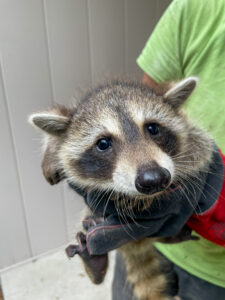 Hennepin County has a large and active population of raccoons. The county’s mix of older suburbs, wooded areas, and parks gives them plenty of ways to move between green spaces and residential homes. Our team at Skedaddle works across the county every season and sees attic situations in neighborhoods throughout the area. Older homes with aging rooflines and easy soffit access are targeted most often, but newer homes are not safe either when trees give these animals a path to the roof.
Spring is the busiest time of year for attic entry in Hennepin County. Females are looking for a warm, enclosed, elevated space to give birth and raise their young and your attic fits perfectly. By the time most homeowners notice something is wrong, a female often already has a litter inside. Acting early makes the whole situation easier and less costly to resolve.
The waste that builds up during just one nesting season can be a lot. A female and her young using an attic through spring and summer leave behind a large amount of droppings, urine, and nesting material. The longer that material sits without treatment, the deeper the contamination goes into the insulation and wood below. Getting on top of it early — both the removal and the cleanup — always leads to less damage and lower costs.
Removal and Prevention with Skedaddle
When you call our team at Skedaddle, we start with a full inspection of your attic, roofline, and exterior. We find every active entry point, check for young inside, and look at the full extent of the waste and damage before we do anything else. That full picture lets us plan both the removal and the cleanup the right way from the start.
Once we know what we are dealing with, we put one-way doors over the active entry points. These let the raccoons get out on their own but stop them from coming back in. After the attic is clear, we seal every opening with materials that hold up long-term. Homeowners should never try to seal entry points themselves, especially if young might still be inside. Blocking an active opening with animals inside makes the situation much harder and more dangerous to fix.
Cleanup, decontamination, and insulation replacement are the last steps. Our team removes all contaminated material, treats every surface with professional enzyme cleaners and disinfectants, and puts in fresh insulation to restore your attic. Do not go into the attic, touch any droppings or nesting material, or try to handle any of this yourself. The moment you think raccoons have been in your attic, call our team at Skedaddle Humane Wildlife Control in Hennepin County and let us take care of every step safely and completely.
Frequently Asked Questions
How do I know if raccoons have been using my attic as a latrine?
The most common signs are a strong ammonia smell coming from the attic, dark staining on the insulation, visible piles of dark droppings in one spot, and sounds of movement at night. You may also notice more insects in the attic, which can be a sign that parasites from the nesting material are present.
How long can raccoon roundworm eggs survive in an attic?
Roundworm eggs can stay infectious in an attic for several years. They hold up against heat, cold, moisture, and regular disinfectants. This is one of the biggest reasons professional cleanup with the right tools and treatments is so important. Simply removing the visible droppings does not get rid of the risk.
Can raccoon urine in insulation make my family sick?
Yes. Urine-soaked insulation can hold harmful bacteria that create health risks for your household. The contamination is not always visible, and the smell alone is a sign the insulation needs to be checked and likely replaced by a professional. Homeowners should not handle soaked insulation under any circumstances.
Will the smell go away on its own after raccoons are removed?
No. The odor from soaked insulation and droppings does not go away by itself. Without professional treatment and insulation removal, the smell stays and can get worse in warmer months when heat brings out the organic compounds in the waste. Professional enzyme treatment and full insulation replacement are the only reliable ways to get rid of it for good.
Does homeowner's insurance cover raccoon damage and cleanup?
It depends on your policy. Some policies cover sudden wildlife damage while others do not. Our team can document the damage and give you a detailed report to send to your insurance provider. Check your policy and talk to your insurer before assuming you are covered.
How much insulation typically needs to be replaced after a raccoon infestation?
It depends on how long raccoons were there and how large the affected area is. Sometimes only a section of the attic is impacted. In other cases, especially when a family of them has been using the space for a full season, the damage can cover the whole attic floor. Our team assesses everything during the inspection and gives you a clear picture of what needs to come out and what needs to go back in.
The Cleanup Matters as Much as the Removal
Getting raccoons out is the first step. But leaving the waste behind means the job is only half done. The health risks, the structural damage, and the scent signals that pull new raccoons all stay in your attic until a professional team deals with them the right way.
Roundworm eggs can survive in your attic for years. Urine soaks into the wood and insulation beneath it. The scent signals left behind keep telling other animals that your home is a safe place to den. None of that goes away on its own, and none of it can be handled with products from a hardware store.
At Skedaddle Humane Wildlife Control in Hennepin County, our team takes care of the full process: removal, decontamination, insulation replacement, and prevention. We use professional-grade equipment and treatments that actually neutralize the hazards, not just cover them up. You do not need to go into the attic, touch anything, or figure out how bad it is on your own. Request an estimate today and let our team handle every step from start to finish.

 Loading...







