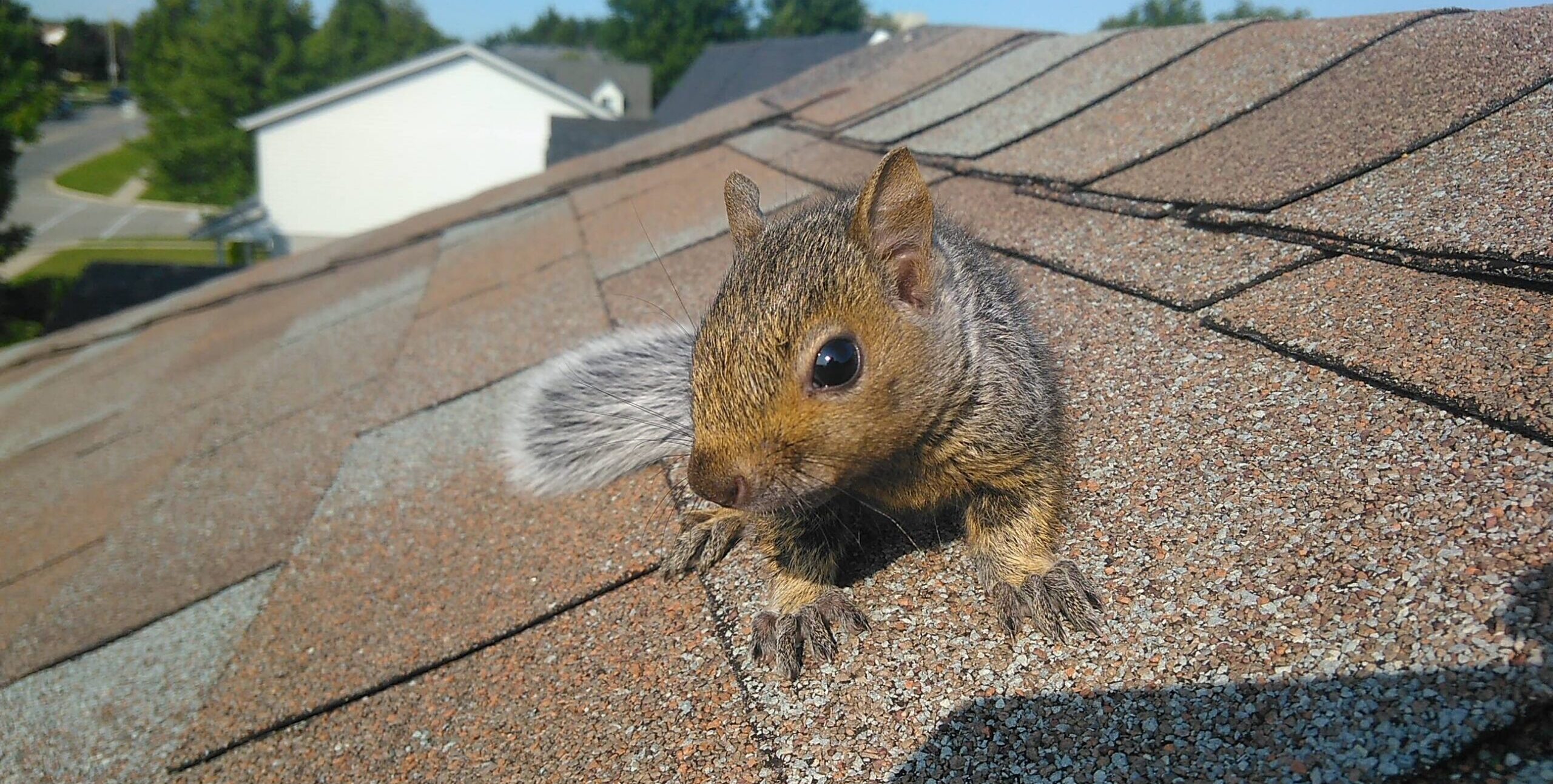
You might be wondering how squirrels are finding their way into your home. The truth is, many houses have common weak spots that make it easy for wildlife to sneak inside. Squirrels often enter through areas like roof vents, soffits, fascia boards, chimneys, and wall exhaust vents. These parts of your home can have thin covers, rotting wood, or small gaps that squirrels can chew through. Once inside, squirrels can make themselves at home in your attic, creating noise, mess, and potential damage.
It’s important to know where these weak spots are so our professionals can secure your home before the problem gets worse. That’s where we come in. At Skedaddle Humane Wildlife Control in Minnetonka, we specialize in protecting homes like yours from unwanted wildlife visitors.
With years of experience and a humane approach, our team knows exactly how to locate and seal these entry points, keeping your home safe and wildlife-free. Keep reading this blog to learn more about the common weak areas in your home and how we expertly handle the problem to give you peace of mind.
Do squirrels mate for life?
No, they do not mate for life. Squirrels are polygamous, meaning both males and females will have multiple partners during their lifetimes. You will typically see them mating twice a year, once in the late winter and again in the middle of summer. During these breeding seasons, males will compete with each other to chase and mate with a female.
After mating, the male leaves, and the female is left to raise the babies entirely on her own. This is exactly why pregnant females actively seek out warm, safe spaces like your attic to build a nest. They need a secure place away from predators and harsh weather to keep their babies safe.
Roof Vents and Fans
You rely on roof vents and fans to keep air flowing through your attic. These vents sit high up on your house and release hot, trapped air. Unfortunately, builders often cover these important airflow spots with thin plastic or cheap aluminum covers.
Squirrels have very strong teeth that easily chew right through these weak plastic covers. Once the cover is broken, the animal has a huge, open hole that drops straight down into your warm attic space. You might not even notice the broken plastic from the ground until you hear scratching noises above your ceiling.
Our team knows exactly how to fix this issue so you do not have to worry. We climb up on your roof and replace those flimsy plastic covers with heavy-duty steel mesh covers. We secure everything tightly so wildlife cannot break in, ensuring your attic stays safe and protected.
Soffits and Fascia Boards
You will find soffits and fascia boards right at the edge of your roofline. These sections are highly vulnerable to weather damage and wildlife chewing. We always check these edges carefully because they offer a direct path into your attic.
- Rotting Wood: Fascia boards hold your gutters and take a lot of abuse from rain and snow. When this wood gets wet and begins to rot, it becomes incredibly soft. Squirrels can easily scratch and bite through the rotting wood to create a large entry hole. We replace and protect these damaged wooden areas with heavy-gauge materials.
- Loose Panels: Soffit panels are often made of thin aluminum or vinyl that can slide out of place. High winds or persistent squirrels can push these panels up, creating a gap. You will find that squirrels simply squeeze through this gap and walk right into your attic. Our team secures these loose panels with strong fasteners so they cannot be moved.
- Chewed Edges: Even if your wood is not rotting, determined wildlife will chew the edges where the soffit meets the roof. Squirrels use their sharp teeth to widen small construction gaps into permanent doors. We install heavy metal barriers over these chewed edges to stop squirrels from getting inside.
Chimneys
You might love using your fireplace during the cold winter months. However, an open chimney looks like a hollow, safe tree trunk to a wild animal. If your chimney does not have a strong cap, squirrels will climb right down inside to build a warm nest.
Once a squirrel gets inside your chimney, they often get stuck or build nests that block the smoke from escaping. This creates a massive fire hazard for your house. You definitely do not want to deal with nesting materials catching on fire when you try to heat your living room.
We take care of chimney risks by installing professional-grade, squirrel-proof chimney caps. Our heavy-duty metal caps keep squirrels out while still allowing your smoke to flow freely. You can rest easy knowing your chimney is secure.
Roof Intersections and Corners
Roof intersections and corners are critical areas that require special attention to ensure your home remains protected. Poorly sealed or damaged intersections can allow water to seep into your roof, leading to structural damage and costly repairs. Proper installation and maintenance of flashing in these areas are essential to direct water away effectively. Below are key considerations for keeping roof intersections and corners in optimal condition:
- Construction Gaps: Builders sometimes leave small gaps where the roof meets a wall or another roofline. Squirrels can feel the warm air leaking out of these tiny gaps. They will sit at the corner and chew the gap until it is big enough for them to fit through. We locate these hidden gaps and seal them permanently with thick metal flashing.
- Water Damage: Roof valleys collect a lot of rain and melting snow. This constant moisture can break down your shingles and the wood underneath. Soft, wet wood is the perfect place for a squirrel to dig a new hole. Our technicians find these water-damaged weak spots and cover them with protective exclusion materials.
- Lifted Shingles: Squirrels are incredibly strong and can actually pry up loose shingles at the corners of your roof. Once they lift the shingle, they chew straight through the roof deck into your house. You will never have to worry about this because we reinforce these corners to prevent any lifting.
Wall and Exhaust Vents
Wall and exhaust vents are another common entry point for wildlife, as they provide easy access to the interior of your home. Small squirrels often chew through vent covers or push their way inside, causing potential damage and creating safety hazards. These weak points can compromise your home’s security and efficiency if left unprotected. Below are some of the ways we address and secure wall and exhaust vents to prevent squirrel intrusion.
- Flimsy Flaps: Most exterior wall vents only have thin plastic flaps to keep the wind out. Squirrels can easily lift these flaps with their paws and crawl inside the vent pipe. Once inside, they can travel through your wall cavities. We remove these cheap flaps and install strong metal covers that squirrels cannot lift.
- Nesting Spots: Exhaust pipes are incredibly warm because they push hot air out of your house. Squirrels love to build nests right inside the warm pipe. This blocks your exhaust and creates a serious fire risk, especially in dryer vents. Our team safely clears out any nesting material and secures the opening.
- Chewed Plastic: Just like roof vents, the plastic housing around wall vents is easy for Squirrels to chew. They will bite away the edges until they can squeeze past the vent and into your walls. We protect your home by wrapping these vulnerable wall vents in heavy-duty steel wire mesh.
Drip Edges
You might not know what a drip edge is, but it is a vital part of your roof. The drip edge is the metal flashing installed at the edge of the roof to help control the flow of water into your gutters. When this flashing is missing or installed poorly, water seeps behind your gutters and ruins the wood.
Wildlife loves finding a damaged drip edge. They use the weakened, wet wood behind the gutter as a simple entry point. They hang onto the edge of the gutter and chew right through the soft wood, gaining instant access to the lower levels of your attic and soffits.
Our technicians are experts at finding these hidden holes behind your gutters. We do all the hard work to repair the damage and install proper wildlife exclusion materials. You will not have to climb a ladder or deal with the mess, because we handle the entire process from start to finish.
Professional Squirrel Prevention
 Squirrels may be small, but they can cause big problems in your home. They can chew through wires, wood, and even insulation, which can create serious damage over time. At Skedaddle, we make sure squirrels leave your home in a safe and humane way, without causing more harm to your property. Our expert team focuses on long-term prevention, so you don’t have to worry about squirrels coming back.
Our one-way doors are key to our process. These doors allow squirrels to leave your home safely while keeping them from getting back inside. Once we’re sure all the squirrels have vacated, we remove the door and completely seal the entry hole. This permanent solution ensures there’s no chance for squirrels to find their way back into your house.
We go the extra mile by identifying and reinforcing all potential weak spots where squirrels or other wildlife could enter. Using heavy-gauge galvanized steel, we cover vents, chimneys, and any gaps that might invite unwanted guests. With Skedaddle, you can rest easy knowing your home is protected from wildlife, now and in the future.
Local Relevance: Protecting Homes in Minnesota
Extreme weather in Minnesota doesn’t just affect how we live—it also impacts the integrity of our homes. Hot summers with strong sunlight can weaken your roof’s materials over time, while the snow and ice of winter put additional weight and strain on your roofline. The freeze-thaw cycle is especially harmful, as it causes wood and other materials to expand and contract. Over time, this natural movement can lead to cracks, gaps, and other vulnerabilities in your home’s structure.
These gaps don’t just cause problems for the home itself; they also invite squirrels. These animals like squirrels, raccoons, and bats are quick to take advantage of any small opening they can find during the harsh Minnetonka winters. Once inside, they can cause extensive damage to insulation, wiring, and other important parts of your home. Homes surrounded by trees or located in wooded areas are particularly at risk since nearby branches give wildlife easy access to roofs and high walls.
At Skedaddle Human Wildlife Control, we specialize in protecting Minnesota homes from these challenges. We use proven methods to seal and reinforce your roofline and exterior walls, making your home more resistant to both extreme weather and wildlife intrusion. Whether it’s installing stronger materials, addressing weak spots, or applying preventative treatments, we have the expertise to keep your home secure year-round. Protecting your home is our priority, and we’re here to provide long-lasting solutions to these local challenges.
Frequently Asked Questions
What noises indicate I have a squirrel in my walls?
You will often hear scratching, scurrying, or chewing sounds inside your walls or ceiling. These noises usually happen early in the morning or around sunset when squirrels are most active. You might also hear light thumping or movement as they travel between spaces. If the sounds keep happening, it is a strong sign that something is living inside your home.
Why can't I just block the hole myself?
You should never block an entry hole on your own because you might trap squirrels inside. In many cases, there could be babies hidden in the walls or attic that cannot get out. This can lead to strong odors and more damage as the mother tries to get back in. Our professional approach makes sure the squirrels leave safely before any sealing is done.
Will homeowner's insurance cover wildlife damage?
Homeowner’s insurance coverage can vary depending on your policy. Some plans may cover damage like chewed wires or ruined insulation. However, many policies do not cover the cost of removing the squirrels. It is always a good idea to check with your provider so you understand what is included.
Do these squirrels carry diseases?
Yes, wildlife can carry diseases and parasites that may affect your health. Fleas, ticks, and bacteria can spread through their presence in your home. Their droppings can also grow mold that impacts air quality. This is why it is important to avoid contact and let our professionals handle the situation.
How small of a hole can they fit through?
You might be surprised how small an opening they need to get inside. Many squirrels can squeeze through a hole about the size of a golf ball. If their head can fit through, the rest of their body can usually follow. This makes it easy for them to enter through small gaps you may not notice.
Secure Your Home Against Squirrels Today with Skedaddle
Securing your home against squirrels starts with addressing the vulnerable areas that animals target. Plastic roof vents, gaps around your chimney, and rotting fascia boards are just a few examples of weak spots that can allow animals to break in. Once inside, they can cause serious damage, spreading waste, chewing wires, and tearing insulation. The only way to keep wildlife out for good is to ensure every potential entry point is carefully sealed with durable materials designed to stand up to determined squirrels.
You don’t have to handle this challenging process alone. At Skedaddle Humane Wildlife Control, our team has the training and experience needed to inspect your home, identify hidden gaps, and install permanent exclusion barriers. We focus on humane solutions that protect both your home and the squirrels. If you’ve noticed noises in your walls or attic, or signs of animal activity outside your home, our experts are here to help.
Don’t wait for the problem to get worse. Call Skedaddle Humane Wildlife Control in Minnetonka today. We will provide you with a detailed estimate and a plan to keep your home safe for the long term. Make your house wildlife-proof—reach out to us now!

 Loading...