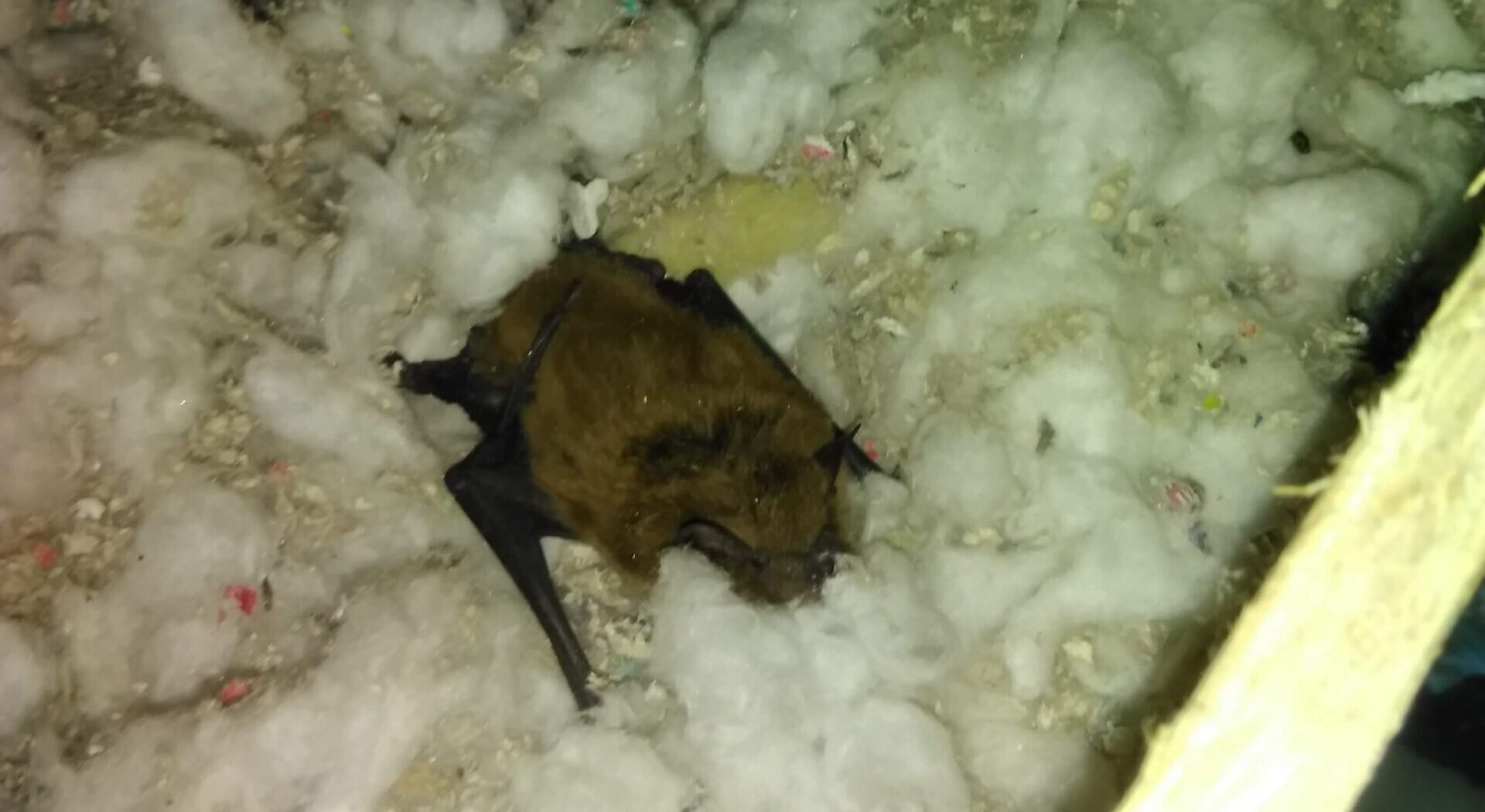
It may seem like removing bats from your attic on your own will fix the problem fast. The truth is much simpler: DIY removal is not a good idea. It can put your health at risk, break local laws, and often make things worse. These animals can carry disease, hide in very small spaces, and return if the job is not done the right way.
Many homeowners do not realize how complex this situation can be. Bats in the attic are not just passing through. They are using the space as a safe place to live. If removal is handled the wrong way, bats can become trapped inside walls or ceilings. This can lead to more contamination and damage. It can also cause the problem to come back again.
A safe and lasting solution requires the right process from start to finish. Skedaddle Humane Wildlife Control in North Atlanta uses proven methods to remove bats carefully and completely. This blog explains why DIY removal is not a good idea, the risks involved, and how proper removal helps protect your home.
Are Bats Dangerous?
Bats are not aggressive, but they can be dangerous in certain situations. The risk comes from disease, contact, and the mess they leave behind. You are usually safe if they stay outside, but inside your home, the risk increases.
You may not always see the danger right away. These creatures can carry rabies, and even a small bite can go unnoticed. Their droppings can also create harmful air particles that affect your health.
You should never take chances with this kind of risk. The safest approach is to let our trained professionals handle the situation properly. That is how you protect both your home and your family.
Health Risks Inside Your Attic
You might think the biggest issue is just noise or movement. The real concern is what these creatures leave behind and how it affects your health. These risks build over time and can spread through your home.
Here are some key health concerns to know:
- Airborne Illness Risks: Droppings can grow a fungus that spreads through the air. When disturbed, it releases spores that can be harmful to your lungs. You may not see it, but you can breathe it in. This makes the attic unsafe without proper handling.
- Rabies Exposure: A bite can happen without you noticing it. Their teeth are very small and sharp. This means contact can occur without clear signs. Any exposure should be taken seriously.
- Parasites: These creatures often carry mites and bugs. Once they are inside your home, those pests can spread. They can move into walls, insulation, and living spaces. This creates ongoing problems even after removal.
Legal Risks and Restrictions
Legal risks are a major concern when dealing with bats in your attic. In many areas, bats are protected by law, which means removal must follow strict rules. Breaking these rules, even by mistake, can lead to fines or other serious consequences. A quick fix can turn into a bigger problem if the law is not followed.
Timing is another important factor that many people do not know about. During maternity season, young bats cannot fly and depend on their mothers. Sealing entry points at the wrong time can trap the young inside your attic. This does not solve the issue and often makes the situation worse.
Trapped bats can lead to strong odors, contamination, and damage to your home. Dead or struggling bats inside walls or ceilings create more stress and cost over time. Proper removal requires careful planning and knowledge of these timelines. Our team follows the right process to keep your home safe and avoid these risks.
Why Improper Removal Makes It Worse
You might think closing a hole will fix the problem. In reality, it can make things much worse. If not done properly, it creates new risks inside your home. Here are a few:
- Trapped Inside: If entry points are sealed too early, bats can get stuck inside. They may move deeper into your home trying to escape. This increases the chance of contact. It also leads to more damage.
- Missed Entry Points: These creatures can enter through very small openings. If even one gap is missed, they will return. This keeps the problem going. It may seem fixed, but it is not.
- Panic Behaviour: When trapped, they become stressed and unpredictable. They may move into living spaces. This creates a more urgent and risky situation. Proper removal avoids this completely.
Structural Damage Adds Up Quickly
Structural damage can build up faster than most people expect. At first, the signs may be hard to see or easy to ignore. Over time, the damage becomes more serious and much more costly to fix. The longer bats stay in the attic, the worse the problem gets.
Droppings and urine do not just sit on the surface. They soak into insulation, wood, and other materials in your home. This weakens the structure and creates strong, unpleasant odours. Air quality inside the home can also be affected as contamination spreads.
Visible signs often appear as the problem grows. Stains on ceilings or walls, damaged drywall, and poor insulation performance are common issues. These problems can lead to expensive repairs if left too long. Acting early helps protect your home and prevents long-term damage.
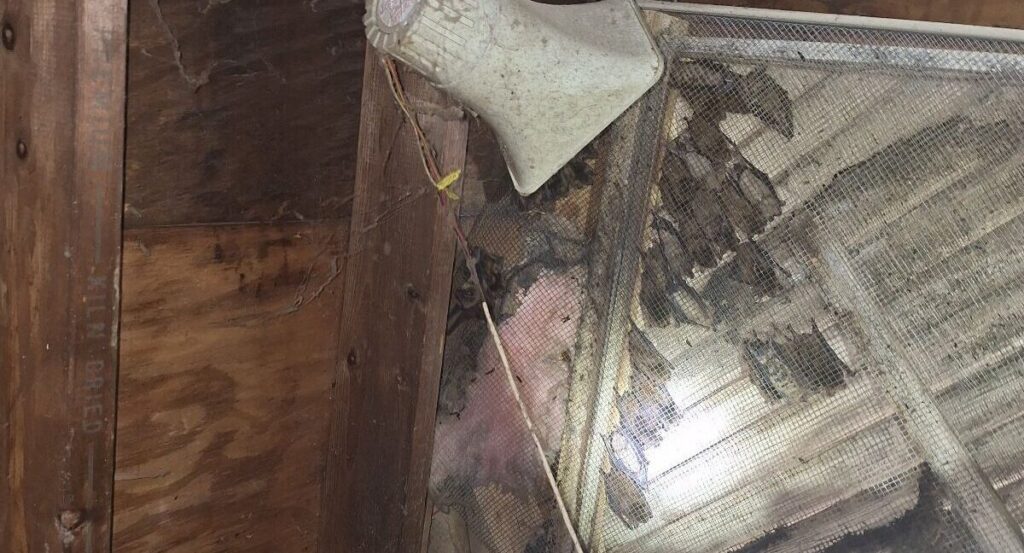
Physical Safety Risks
Safety concerns go far beyond the animals themselves. The real danger often comes from the space where they are found. Attics are tight, dark, and not built for easy movement. Without the right tools and training, the risk of injury increases quickly.
Common hazards in attic spaces include:
- Working at Heights: Ladders and steep rooflines make attic access risky. One wrong step can lead to a serious fall. Proper safety gear and experience are needed to reduce this risk.
- Tight and Confined Spaces: Attics often have low clearance and narrow walkways. Moving through these spaces can be difficult and unsafe. It is easy to lose balance or step in the wrong place.
- Poor Air Quality: Dust, droppings, and insulation can affect the air you breathe. This can cause irritation or breathing problems. Protective equipment is needed to stay safe in these conditions.
- Risk of Direct Contact: Close contact during removal can lead to bites or scratches. Handling bats without proper training increases this risk. Our team uses the right equipment to avoid these dangers completely.
Why Timing Matters More Than You Think
Proper timing plays a big role in safe bat removal. Many people do not realize that certain times of year require extra care. Acting at the wrong time can create serious problems inside the home. A rushed approach often leads to bigger issues.
During warmer months, young bats may still be in the attic. These young bats cannot fly or leave on their own. Sealing entry points too early traps them inside. This creates a situation that is harder to fix.
Trapped bats can lead to strong odours and contamination. Damage inside walls and ceilings can also get worse. The problem can spread quickly if not handled the right way. Proper timing helps ensure safe and complete removal.
Bat Prevention With Our Team
Long-term protection requires more than just removal. Prevention is the key to keeping bats from coming back. Our team focuses on sealing every possible entry point. This helps stop the problem at its source.
A full inspection is done from top to bottom. Rooflines, vents, and small gaps are all checked carefully. Hidden entry points are often the biggest risk. Each one is sealed using proper methods.
One-way doors are used to let bats leave safely. These devices stop them from getting back inside. Once all bats are gone, those areas are sealed for good. This keeps your home protected moving forward.
Bats in North Atlanta Homes
Homes in North Atlanta often deal with bat activity during warmer seasons. Changes in weather can increase movement and nesting. This leads to more bats around homes. Activity tends to rise when temperatures go up.
Certain home features make access easier. Rooflines, vents, and small gaps can attract bats. Even tiny openings can become entry points over time. Once inside, bats can settle in quickly.
Weather and building style both affect the risk. Some homes are more vulnerable than others. Early action helps reduce the chance of a bigger problem. Addressing it quickly protects your home from further damage.
Frequently Asked Questions
Can bats return after removal?
Yes, bats can return if entry points are not sealed properly. They remember safe places and will try to come back. A complete exclusion process helps stop them from re-entering your home.
How do one-way doors work?
One-way doors let bats leave the attic but block them from getting back inside. They are placed over entry points where bats exit at night. This method allows safe removal without trapping them inside.
Are bats active all year?
Bats are most active during warmer months when they feed and move more. Inside a home, activity can continue year-round because the attic provides shelter. The warm space helps them stay protected even in colder weather.
Why do they choose attics?
Attics offer a warm, quiet, and dark place that feels safe. These conditions are ideal for resting and raising young. Small openings also make it easy for bats to get inside and stay hidden.
Is one bat a big problem?
One bat often means there are more nearby or already inside. Bats usually live in groups and return to the same place. Acting early helps prevent a small issue from becoming a larger infestation.
Take Back Control of Your Home
Dealing with bats in the attic can feel stressful and overwhelming. What starts as a small concern can quickly grow into a bigger problem. Health risks, strong odours, and damage can all build up over time. Ignoring the issue or trying to fix it the wrong way often makes things worse. Taking the right steps early helps protect your home and your peace of mind.
A proper solution needs to be safe, complete, and done the right way from the start. Skedaddle Humane Wildlife Control in North Atlanta uses proven methods to remove bats without harm. Each step is planned carefully to make sure nothing is missed. Entry points are sealed, and prevention steps are put in place to stop the problem from coming back. This approach helps keep your home clean and protected long-term.
Support is available when you are ready to act. An estimate can help you understand the next steps and what your home needs. Our team is prepared to handle the problem from start to finish. With the right help, your home can feel safe and comfortable again.

 Loading...